In a world where mental clarity and emotional balance are increasingly hard to maintain, small changes in our environment can have profound effects. One of the most accessible and scientifically supported tools is aromatherapy. By harnessing the power of essential oils, you can create a personalized room spray that enhances focus, promotes calm, or energizes your space—without synthetic chemicals or artificial fragrances. This guide walks you through crafting effective, natural sprays tailored to your needs, using ingredients found in most homes or easily sourced online.
The Science Behind Scent and Mindset
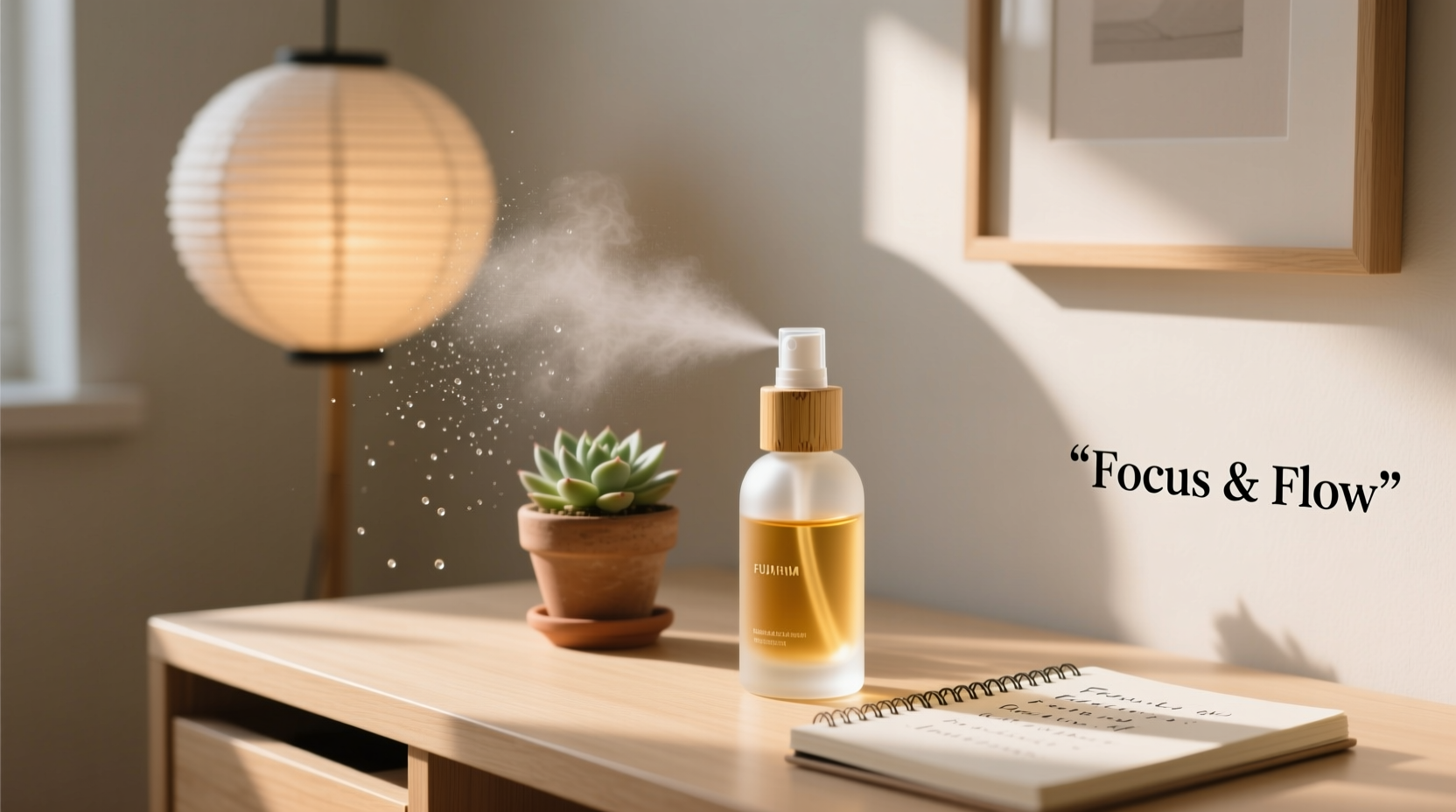
The olfactory system—the sense of smell—is directly linked to the limbic system, the brain’s emotional control center. When you inhale an aroma, scent molecules travel through the nose to the amygdala and hippocampus, areas responsible for emotion, memory, and stress response. This connection explains why certain smells can instantly relax you, sharpen your concentration, or uplift your mood.
Essential oils contain volatile compounds extracted from plants, each with unique biochemical properties. For example:
- Lavender contains linalool and linalyl acetate, known for reducing cortisol levels and promoting relaxation.
- Rosemary is rich in 1,8-cineole, which has been shown in clinical studies to improve cognitive performance and alertness.
- Peppermint activates trigeminal nerve pathways, creating a cooling sensation that heightens awareness and reduces mental fatigue.
“Controlled exposure to specific essential oils can modulate brainwave activity and support psychological resilience.” — Dr. Naomi Reed, Integrative Aromatherapist and Neurobehavioral Researcher
Unlike commercial air fresheners that mask odors with petrochemicals, a well-formulated DIY spray works with your biology to influence mood and cognition. The best part? You’re in full control of the ingredients, potency, and purpose.
Choosing the Right Oils for Your Goal
Not all essential oils serve the same function. To get the desired effect, match your oil blend to your intention. Below is a breakdown of top-performing oils categorized by benefit.
| Purpose | Recommended Oils | Key Benefits |
|---|---|---|
| Calming | Lavender, Bergamot, Chamomile, Frankincense | Reduces anxiety, lowers heart rate, supports sleep onset |
| Focus & Clarity | Rosemary, Basil, Lemon, Cedarwood | Enhances memory retention, improves attention span |
| Energy Boost | Peppermint, Grapefruit, Eucalyptus, Black Pepper | Stimulates circulation, increases alertness, combats midday slump |
| Balanced Mood | Ylang-Ylang, Orange, Vetiver, Patchouli | Supports emotional equilibrium, reduces irritability |
Blending across categories can also yield nuanced results. For instance, combining lavender (calming) with lemon (uplifting) creates a balanced synergy—soothing yet mentally clear. Avoid overloading the blend; three to four oils are usually sufficient for complexity without sensory confusion.
Tip: Always use 100% pure, therapeutic-grade essential oils. Fragrance oils may smell pleasant but lack bioactive compounds and can trigger sensitivities.Step-by-Step Guide: Crafting Your Custom Room Spray
Creating a high-quality room spray takes less than 10 minutes and requires only a few supplies. Follow this timeline to make a safe, effective formula at home.
- Gather materials: A clean 4-ounce glass spray bottle (amber or cobalt preferred), distilled water, witch hazel or vodka (as emulsifier), essential oils, and a small funnel.
- Add alcohol base: Pour 2 tablespoons of witch hazel or vodka into the bottle. This disperses the oils and prevents microbial growth.
- Add essential oils: Use 25–30 total drops of essential oils, adjusting based on desired strength. For a calming blend: 10 drops lavender, 8 drops bergamot, 7 drops frankincense. For focus: 10 drops rosemary, 10 drops lemon, 5 drops cedarwood. For energy: 12 drops peppermint, 10 drops grapefruit, 8 drops eucalyptus.
- Top off with water: Fill the rest of the bottle with distilled water, leaving a little space at the top. Tap water contains minerals and microbes; distilled ensures longevity and clarity.
- Label and shake: Secure the sprayer and label the bottle with contents and date. Shake well before each use to mix oil and water phases.
- Test and adjust: Spray once into the air away from fabrics. Wait 30 seconds. If the scent is too strong, dilute with more water. Too weak? Add 2–3 more drops of oil.
Store the spray in a cool, dark place. Properly made, it will last 2–3 months. Discard if cloudy or develops an off odor.
Real-Life Application: A Day in the Life of a Remote Worker
Sarah, a freelance graphic designer working from home, struggled with afternoon burnout and difficulty transitioning between tasks. Her workspace lacked environmental cues, making it hard to shift from creative brainstorming to focused execution.
She began using two custom sprays: one in the morning labeled “Clarity,” blending rosemary, lemon, and basil; another in the early afternoon called “Renew,” with peppermint, grapefruit, and black pepper. Before starting deep work, she’d mist her desk area with “Clarity” and take three slow breaths. Mid-afternoon, when energy dipped, she used “Renew” near her chair and felt an almost immediate lift in alertness.
Within two weeks, Sarah reported a 40% reduction in procrastination and improved task completion. She attributed much of this to the ritual of spraying and inhaling—a sensory anchor that signaled her brain to shift gears.
This case illustrates how intentional scent use isn’t just about ambiance—it’s a functional tool for behavioral regulation and productivity enhancement.
Best Practices and Safety Checklist
To ensure effectiveness and safety, follow these guidelines when making and using essential oil sprays.
- Use glass bottles to prevent chemical leaching from plastic.
- Dilute properly—never apply undiluted essential oils directly into the air near skin or pets.
- Avoid spraying near eyes, open flames, or sensitive electronics.
- Keep out of reach of children and pets. Some oils, like tea tree or eucalyptus, are toxic to cats and dogs.
- Do a patch test if spraying near fabrics—some oils can stain silk or delicate fibers.
- Never use phototoxic oils (like bergamot FCF-free) in daytime sprays if exposed to direct sunlight.
- Rotate blends weekly to prevent olfactory fatigue—your nose becomes less sensitive to constant scents.
DIY Room Spray Safety Checklist
- ✅ Use only pure, undiluted essential oils
- ✅ Choose glass spray bottles with fine mist nozzles
- ✅ Include a dispersant (witch hazel or vodka)
- ✅ Label each bottle clearly with ingredients and date
- ✅ Store away from heat and sunlight
- ✅ Test spray in a small area first
- ✅ Avoid use around infants and pets unless vet-approved
Frequently Asked Questions
Can I use tap water instead of distilled?
No. Tap water contains minerals and microorganisms that can degrade essential oils and promote bacterial or mold growth in your spray. Distilled water is sterile and pH-neutral, ensuring stability and shelf life.
How often should I use the room spray?
Once or twice daily is sufficient. Overuse can lead to olfactory desensitization, where your brain stops registering the scent. Use strategically—before work sessions, during transitions, or when shifting moods—to maximize impact.
Are there essential oils I should avoid in room sprays?
Yes. Avoid highly viscous oils like vetiver or myrrh in sprays unless highly diluted—they can clog nozzles. Also skip phototoxic citrus oils (e.g., cold-pressed bergamot, lime, bitter orange) if the spray will be used in sunlit rooms. Opt for their FCF (furanocoumarin-free) versions instead.
Final Thoughts: Turn Your Space Into a Sanctuary
A DIY room spray is more than a quick fragrance fix—it’s a form of environmental design that supports mental wellness. Whether you're carving out a home office, winding down after a long day, or fighting the 3 p.m. fog, a few spritzes of a thoughtfully blended mist can recalibrate your mind and space.
The beauty of homemade sprays lies in customization. You’re not limited to pre-made formulas designed for mass appeal. You can tweak ratios, experiment with seasonal oils, or create signature blends that resonate with your personal rhythm. Over time, these scents become associated with specific states—making them powerful anchors for habit formation and emotional regulation.
🚀 Ready to transform your environment? Gather your oils today and craft your first blend. Share your favorite combination in the comments—what’s your go-to mix for focus, calm, or energy?








