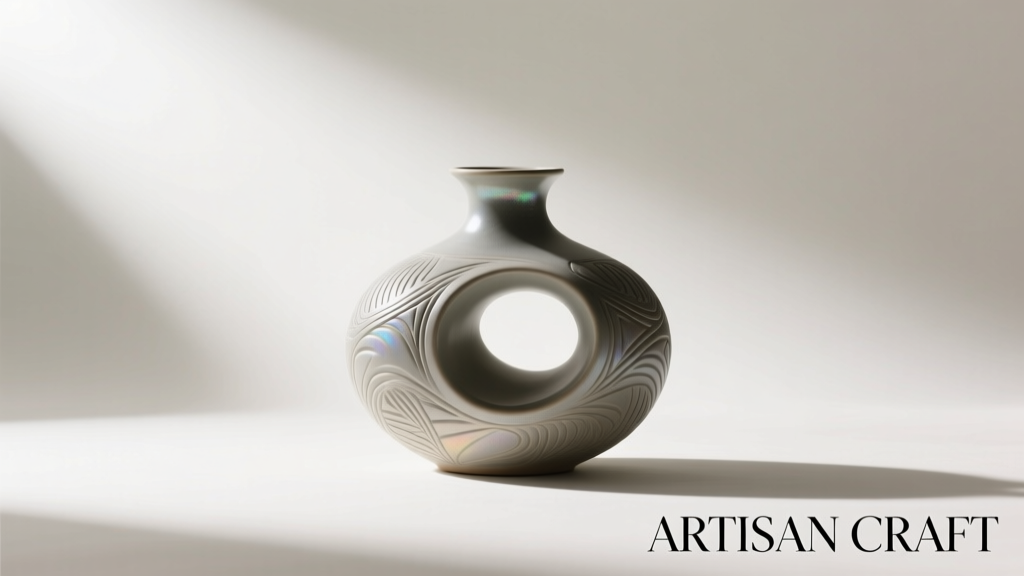
Types of Design Dining Chair Molds
A design dining chair mold is a critical tool in furniture manufacturing that shapes materials into aesthetically pleasing and functional chair forms. The selection of mold type directly influences the chair’s durability, appearance, production efficiency, and material compatibility. Different molding techniques cater to various design complexities, materials (plastic, metal, composite), and production scales—from mass manufacturing to artisanal craftsmanship.
Injection Molds
Injection molding is one of the most widely used methods in modern furniture production, particularly for plastic and composite dining chairs. In this process, molten material—typically thermoplastics like polypropylene or ABS—is injected under high pressure into a precision-engineered mold cavity. Once cooled, the solidified chair component is ejected.
This technique excels in producing high volumes of identical parts with excellent dimensional accuracy and surface finish. It's ideal for stackable chairs, ergonomic designs, and components requiring fine detailing such as textures or logos.
Advantages
- High production speed and efficiency
- Precise replication of complex geometries
- Excellent surface finish with minimal post-processing
- Suitable for large-scale manufacturing
- Material versatility (plastics, composites)
Limitations
- High initial tooling cost
- Limited to materials that can be melted
- Design constraints due to ejection requirements
- Less suitable for very large or hollow pieces
Best for: Mass-produced plastic dining chairs, modular furniture, ergonomic seating
Blow Molds
Blow molding is specifically designed for creating hollow furniture components, making it ideal for dining chairs with padded seats, inflatable elements, or lightweight hollow backs and legs. The process begins with a softened thermoplastic parison (tube-like form), which is placed into a mold. Compressed air is then introduced, expanding the material to conform precisely to the mold’s interior walls.
This method is particularly effective for achieving uniform wall thickness and consistent shapes in hollow structures. It’s commonly used in outdoor or children’s furniture where lightness and durability are key.
Advantages
- Perfect for hollow or double-walled designs
- Lightweight final products
- Good for air-cushioned or flexible seating
- Efficient for medium to high-volume production
Limitations
- Limited structural strength compared to solid forms
- Less detail precision than injection molding
- Higher material waste in trimming
- Not suitable for load-bearing solid components
Best for: Hollow-backed chairs, poufs, inflatable stools, outdoor plastic seating
Compression Molds
Compression molding is a traditional yet highly effective method used primarily for thermosetting plastics, rubber, or composite materials like fiberglass-reinforced resins. The raw material is placed directly into a heated mold cavity, which is then closed and subjected to heat and pressure until the material cures into the desired shape.
This process is favored for its ability to produce strong, heat-resistant, and dimensionally stable components. It’s often used in high-end or industrial dining chairs where durability and resistance to deformation are critical.
Advantages
- Excellent for heat-resistant and rigid materials
- Produces strong, durable parts
- Ideal for large or thick components
- Lower material waste compared to injection
Limitations
- Slower cycle times
- Less precision for fine details
- Higher labor involvement
- Not ideal for complex undercuts
Best for: Industrial dining chairs, resin-based furniture, ergonomic orthopedic seats
Sacrifice Molds
Sacrificial molds, also known as expendable molds, are made from temporary materials such as plaster, sand, or ceramic. These molds are used once or a few times before being broken away to release the finished chair or component. They are particularly useful for creating intricate, one-of-a-kind, or limited-edition designs that would be difficult to demold using reusable systems.
Commonly employed in artisanal or sculptural furniture, sacrifice molds allow designers to push creative boundaries with organic shapes, deep textures, and complex undercuts that permanent molds cannot accommodate.
Advantages
- Enables highly complex and artistic designs
- No ejection angle constraints
- Cost-effective for low-volume production
- Ideal for prototyping and custom pieces
Limitations
- Not reusable—higher long-term cost
- Labor-intensive process
- Lower dimensional consistency
- Slower production rate
Best for: Artistic dining chairs, limited editions, sculptural furniture, custom prototypes
Lost-Wax Molds
Lost-wax casting (or investment casting) is a precision technique used primarily for metal dining chairs. It begins with a detailed wax model of the chair or component. This model is coated in a ceramic slurry to form a mold. Once hardened, the assembly is heated to melt out the wax, leaving a hollow cavity into which molten metal (such as aluminum, bronze, or steel) is poured.
This method delivers exceptional detail and surface quality, capturing even the finest textures and contours. It’s the go-to process for luxury metal furniture where both aesthetics and structural integrity are paramount.
Advantages
- Unmatched detail and precision
- Smooth surface finish with minimal machining
- Suitable for complex metal geometries
- Ideal for high-end, decorative furniture
Limitations
- Very high production cost
- Time-consuming process
- Brittle ceramic molds require careful handling
- Not feasible for mass production
Best for: Luxury metal dining chairs, designer furniture, gallery pieces, custom metalwork
| Mold Type | Material Compatibility | Detail Level | Production Scale | Durability |
|---|---|---|---|---|
| Injection Molds | Thermoplastics, Composites | High | Mass Production | High |
| Blow Molds | Thermoplastics (Hollow Forms) | Medium | Medium to High | Medium |
| Compression Molds | Thermosets, Rubber, Composites | Medium | Low to Medium | Very High |
| Sacrifice Molds | Concrete, Resin, Metal | Very High | Low (Custom/Artisanal) | Varies |
| Lost-Wax Molds | Metals (Aluminum, Bronze, Steel) | Exceptional | Low (Artisanal/Luxury) | High |
Expert Tip: For sustainable production, consider hybrid approaches—such as using 3D-printed sacrifice molds for prototyping before transitioning to injection molds for mass production. This reduces waste and accelerates design validation.
Design of Dining Chair Mold: Precision, Performance, and Aesthetics
Designing a mold for a dining chair is a complex engineering and artistic endeavor that demands a harmonious balance between form, function, and material science. The success of the final product—its comfort, durability, visual appeal, and manufacturability—depends heavily on the precision and foresight applied during the mold design phase. Whether producing chairs from plastic, wood composites, or advanced polymers, the mold acts as the blueprint for every chair that rolls off the production line.
Key Design Considerations for Dining Chair Molds
Material Selection
The choice of chair material directly influences the mold's construction and performance. For instance, wooden or wood-composite chairs often require robust metal molds—typically made from hardened steel or aluminum alloys—that can withstand high pressure and maintain dimensional stability over repeated cycles.
In contrast, thermoplastic materials like polypropylene or ABS require molds with excellent thermal conductivity and resistance to thermal fatigue. These molds are commonly CNC-machined from tool steel and may include specialized coatings to reduce friction and prevent material sticking. Using compatible materials ensures minimal shrinkage, precise replication of details, and consistent part quality across large production runs.
Ergonomics
Ergonomic design is critical to user comfort and long-term usability. Key factors such as seat height (typically 18–20 inches), seat depth (15–18 inches), backrest angle (95°–110°), and optional armrests must be accurately captured in the mold geometry.
Mold designers often collaborate with industrial ergonomists and use 3D human body scanning data to optimize curvature and support zones. Features like lumbar support, contoured seating surfaces, and smooth transitions between components are molded directly into the chair, making the mold a crucial tool in translating ergonomic research into tangible comfort.
Style and Aesthetics
The visual identity of a dining chair—whether minimalist modern, rustic traditional, or ornate vintage—must be faithfully reproduced through the mold. Intricate surface textures, flowing curves, decorative grooves, and sculptural elements require high-precision mold machining, often using multi-axis CNC or EDM (Electrical Discharge Machining) techniques.
Complex designs may incorporate removable inserts or side cores to form undercuts and detailed features without damaging the final part during ejection. Surface finishes on the mold itself (polished, matte, textured) are directly transferred to the chair, allowing for a wide range of aesthetic options—from glossy elegance to wood-grain realism.
Joint and Assembly Design
Many dining chairs are composed of multiple parts—such as separate seats, backs, legs, or armrests—that must fit together seamlessly. The mold must include precise alignment features like interlocking tabs, snap-fit joints, or dowel pin guides to ensure consistent assembly.
Designers often integrate hidden fastening points or interlocking geometries directly into the mold, reducing the need for secondary operations. This not only improves structural integrity but also enhances visual continuity by minimizing visible screws or adhesives. Proper draft angles and parting line management are essential to avoid flash and ensure clean separation.
Ventilation and Cooling System
An efficient cooling system is vital for maintaining production speed and product quality. Poor heat dissipation leads to warping, sink marks, and extended cycle times—especially in thick sections like seat bases or backrest supports.
Modern molds incorporate conformal cooling channels that follow the contour of the chair’s shape, ensuring uniform temperature distribution. Strategically placed vents allow trapped air to escape during injection, preventing voids or short shots. Together, these systems enhance dimensional accuracy, reduce internal stresses, and extend mold life.
Manufacturability and Maintenance
A well-designed mold must also be practical to manufacture, operate, and maintain. Features such as easy access to ejector pins, modular inserts, and standardized components simplify repairs and reduce downtime.
Surface treatments like chrome plating or nitriding improve wear resistance and corrosion protection, especially when processing abrasive or corrosive materials. Regular cleaning, lubrication, and inspection schedules help preserve mold integrity and ensure consistent output over thousands of cycles.
| Design Factor | Critical Impact | Best Practices |
|---|---|---|
| Material Compatibility | High | Match mold material (steel, aluminum) to chair material (plastic, composite); use thermal-resistant coatings for high-heat processes |
| Ergonomic Accuracy | High | Use anthropometric data; validate with prototypes; ensure smooth transitions and support zones |
| Detail Reproduction | High | Employ CNC/EDM machining; use removable cores for undercuts; apply texture finishes to mold surface |
| Cooling Efficiency | Medium-High | Design conformal cooling channels; balance flow for uniform temperature; minimize cycle time |
| Assembly Integration | Medium | Include alignment features; design snap-fits or interlocks; minimize secondary operations |
Best Practices in Mold Design for Long-Term Success
Important: Never underestimate the importance of collaboration between designers, engineers, and manufacturers during the mold development phase. Small oversights—such as inadequate venting or incorrect draft angles—can lead to costly rework, production delays, or compromised product quality. Investing time in thorough design validation pays dividends in performance, efficiency, and customer satisfaction.
Scenarios of Designing Dining Chair Molds
Chair molds play a pivotal role across a wide range of industries and creative fields, each with distinct requirements and production goals. From large-scale commercial manufacturing to bespoke artisanal craftsmanship, the choice of mold type directly impacts the chair’s durability, aesthetics, and functionality. Understanding the various applications of chair molding helps manufacturers, designers, and businesses select the most suitable method for their specific needs.
Mass Production
In high-volume manufacturing environments, injection and blow molding are the dominant techniques. These processes use precision-engineered steel or aluminum molds to produce consistent, identical dining chairs at scale—essential for brands supplying big-box retailers, e-commerce platforms, and global distributors.
- Injection molding excels with thermoplastics like polypropylene, ensuring lightweight yet durable chairs
- Automated systems reduce labor costs and increase output efficiency
- Ideal for stackable, ergonomic designs popular in modern dining spaces
- High initial mold cost is offset by low per-unit production expenses
Key benefit: Consistency and speed make this method ideal for standardized, market-driven designs.
Custom High-End Designs
Luxury furniture makers and boutique designers often turn to lost-wax casting or sacrificial molding for one-of-a-kind or limited-edition dining chairs. These methods allow for intricate detailing, organic shapes, and artistic expression that mass production cannot achieve.
- Frequently used with metals like bronze, aluminum, or cast iron for sculptural appeal
- Suitable for high-value commissions in residential or hospitality settings
- Each piece may vary slightly, adding to its exclusivity and artisanal value
- Commonly seen in designer showrooms and art exhibitions
Design advantage: Enables complex geometries and fine surface textures unattainable through standard molds.
Prototype Development
Designers and engineers use temporary molds—typically made from sand, wax, or rapid-prototyped resins—to test new chair concepts before full-scale production. This stage is crucial for evaluating ergonomics, structural integrity, and aesthetic appeal.
- Sand molds are cost-effective and easy to modify during iterative design phases
- 3D-printed patterns can be used to create master models for mold-making
- Allows for functional testing of load-bearing capacity and comfort
- Reduces risk and financial loss by identifying flaws early
Innovation tip: Rapid prototyping accelerates time-to-market and supports sustainable design validation.
Small Workshops & Artisan Studios
Independent craftsmen and small studios rely on pressure casting, lost-wax, or hand-formed molds to create custom dining chairs tailored to client specifications. These workshops prioritize quality, personalization, and attention to detail over volume.
- Enables bespoke finishes, unique dimensions, and personalized engravings
- Often combines traditional techniques with modern materials
- Serves niche markets such as luxury homes, boutique restaurants, and galleries
- Supports local economies and sustainable, low-waste production
Creative freedom: Artisans can experiment with form and function without being constrained by mass-market demands.
Industrial and Office Use
In commercial and industrial environments, durability and functionality take precedence over aesthetics. Compression molding is widely used to shape robust materials like reinforced polymers or composite resins into heavy-duty seating solutions.
- Produces chairs resistant to wear, chemicals, and frequent use
- Common in factories, warehouses, and office break rooms
- Molds are built for longevity and repeated use under high pressure
- Materials often include glass-fiber or carbon-fiber blends for added strength
Practical focus: Designed for performance and long-term reliability in demanding environments.
Art and Design Projects
Artists and experimental designers use blow molding and vacuum forming to explore innovative chair concepts using lightweight, hollow structures. These methods encourage creative exploration with minimal upfront investment.
- Ideal for creating translucent, sculptural, or modular furniture pieces
- Supports use of recycled plastics and eco-friendly materials
- Used in design schools, installations, and conceptual exhibitions
- Encourages interdisciplinary collaboration between engineers and artists
Creative catalyst: Low-cost mold development fosters innovation and may lead to commercially viable new designs.
Professional Insight: The choice of molding technique should align with both the intended application and the production scale. For example, while injection molding offers unmatched efficiency for mass production, it lacks the artistic flexibility of lost-wax casting. Conversely, artisanal methods, though more time-intensive, deliver unmatched uniqueness and craftsmanship. Evaluating material compatibility, budget constraints, and end-user expectations ensures optimal results across all scenarios.
| Application Scenario | Primary Mold Type | Materials Used | Production Volume | Key Advantage |
|---|---|---|---|---|
| Mass Production | Injection / Blow Molding | Polypropylene, ABS, Nylon | High (10,000+ units) | Consistency, speed, low unit cost |
| Custom High-End Designs | Lost-Wax / Sacrificial Molding | Bronze, Aluminum, Cast Iron | Low (1–100 units) | Intricate detail, artistic value |
| Prototype Development | Sand / Wax / 3D-Printed Molds | Resins, Plaster, Wax | Very Low (1–10 units) | Rapid iteration, low cost |
| Small Workshops | Pressure / Lost-Wax Casting | Metals, Composites, Wood Composites | Medium (10–500 units) | Customization, craftsmanship |
| Industrial & Office Use | Compression Molding | Reinforced Polymers, Fiberglass | Medium to High | Durability, functional design |
| Art & Design Projects | Blow / Vacuum Molding | PET, Recycled Plastics, Acrylic | Low to Medium | Creativity, lightweight forms |
Additional Considerations in Mold Selection
- Mold Lifespan: Steel molds last tens of thousands of cycles, while softer materials like silicone or sand are suited for short runs
- Surface Finish: Polished molds produce smooth, glossy chairs; textured molds add grip or decorative patterns
- Sustainability: Reusable molds and recyclable materials reduce environmental impact
- Lead Time: CNC-machined molds take longer to produce but offer high precision
- Cost vs. ROI: High initial mold investment pays off in large-volume production but may not be viable for small batches
Specification & Maintenance of Design Dining Chair Mold
Proper mold specifications and consistent maintenance are essential for maximizing the service life of injection molds and ensuring high-quality production output. A well-maintained mold not only reduces downtime and repair costs but also ensures dimensional accuracy, surface finish consistency, and overall product integrity in dining chair manufacturing. This guide outlines critical factors in mold material selection, surface treatment, inspection, cooling, lubrication, and storage to help manufacturers optimize performance and longevity.
Important Note: Always follow manufacturer guidelines and safety protocols when handling molds. Use appropriate personal protective equipment (PPE) such as gloves, goggles, and respirators when cleaning or repairing molds exposed to chemicals or high temperatures.
Key Specifications and Maintenance Practices
- Mold Material Selection
The choice of mold material significantly impacts durability, thermal stability, and resistance to wear and corrosion. High-performance steel alloys containing chromium—such as P20, H13, or S136—are widely used in dining chair mold manufacturing due to their excellent hardness, polishability, and resistance to thermal fatigue under high-pressure and high-temperature injection cycles.
For lower-volume production runs, aluminum alloys (e.g., 7075 or 6061) offer a cost-effective alternative. While easier to machine and faster to prototype, aluminum molds have lower wear resistance and are more prone to deformation over time. Therefore, they are best suited for short production cycles or design validation phases.
- Surface Treatment and Finishing
Applying advanced surface treatments enhances mold performance and extends service life. Common techniques include:
- Nitriding: Increases surface hardness and reduces friction, improving resistance to galling and wear.
- Chrome Plating: Provides a smooth, corrosion-resistant finish that improves part release and surface quality of the molded chair.
- Polishing and Texturing: Achieves desired aesthetic finishes on the final product. Regular re-polishing is recommended to maintain surface integrity and prevent micro-cracking or pitting.
These treatments not only improve release characteristics but also minimize the risk of part sticking, surface defects, and premature degradation.
- Regular Mold Inspection and Repair
Scheduled inspections are crucial for early detection of cracks, erosion, rust, or dimensional deviations. Conduct visual and tactile checks after every production cycle or at predefined intervals (e.g., every 10,000–50,000 cycles, depending on material and usage).
Common signs of wear include:
- Fine hairline cracks (especially near stress points)
- Surface pitting or corrosion
- Flash formation on molded parts
- Increased ejection force or part sticking
Minor damage can often be repaired through precision welding, metal stitching, or the use of inserts, avoiding the need for full mold replacement. Always ensure repairs are followed by proper heat treatment and re-polishing to restore functionality.
- Cooling Channel Maintenance
Efficient cooling is vital for cycle time control, part quality, and mold longevity. Over time, water lines can accumulate mineral deposits, biological growth, or resin residues—especially if non-deionized water is used.
To maintain optimal thermal performance:
- Flush cooling channels regularly with descaling solutions or specialized mold cleaning fluids.
- Use filtered or deionized water to prevent scale buildup.
- Inspect for blockages or leaks using borescopes or pressure testing.
- Ensure uniform flow across all channels to prevent thermal distortion and warpage.
Thermal stress from uneven cooling can lead to cracking and premature mold failure, so consistent maintenance is critical.
- Lubrication and Release Management
Moving components such as ejector pins, slides, and lifters require regular lubrication with high-temperature, non-migrating mold lubricants to ensure smooth operation and prevent galling.
In addition, mold release agents should be applied judiciously:
- Choose silicone-based or semi-permanent coatings compatible with your resin type.
- Avoid over-application, which can build up and contaminate the mold surface or final product.
- Reapply after cleaning or extended shutdowns.
Proper lubrication reduces friction, prevents part adhesion, and minimizes wear on critical components.
- Mold Storage Best Practices
Improper storage is a leading cause of mold degradation. When not in use, molds should be stored in a clean, dry, temperature-controlled environment to prevent moisture-related corrosion and dust accumulation.
Recommended storage procedures include:
- Thoroughly clean and dry the mold before storage.
- Apply a rust-preventative coating (e.g., Cosmoline or vapor corrosion inhibitors).
- Cover the mold with protective plastic or use sealed storage containers.
- Store vertically (if designed for it) or on padded racks to avoid deformation.
- Keep desiccants nearby to absorb ambient moisture.
For molds used with thermosetting materials, controlled ambient temperature prevents residual stress relaxation and dimensional drift.
| Maintenance Area | Recommended Frequency | Key Tools & Materials | Expected Benefits |
|---|---|---|---|
| Mold Inspection | Every 10K–50K cycles or monthly | Flashlight, magnifier, borescope | Early defect detection, reduced downtime |
| Cooling Channel Cleaning | Quarterly or after 100K cycles | Descaling solution, brushes, pressure tester | Improved cooling efficiency, longer mold life |
| Lubrication | Weekly or per production shift | High-temp grease, applicator tools | Smooth operation, reduced wear |
| Surface Polishing | As needed (every 6–12 months) | Polishing compounds, buffing wheels | Better part finish, easier release |
| Storage Preparation | Before each storage period | Rust inhibitor, protective covers, desiccants | Corrosion prevention, physical protection |
Expert Tip: Implement a preventive maintenance (PM) log for each mold, tracking inspection dates, repairs, cleaning cycles, and performance notes. This documentation helps predict failure patterns, plan replacements, and maintain consistent production quality over time.
Conclusion
Investing in high-quality mold specifications and adhering to a structured maintenance program directly translates into improved production efficiency, reduced waste, and superior end-product quality. By focusing on material selection, surface protection, thermal management, and proper storage, manufacturers can extend the operational life of dining chair molds by years. Regular training for maintenance personnel and adherence to OEM guidelines further ensure long-term success in high-precision molding operations.
Remember: a well-maintained mold is not just a tool—it's a strategic asset in competitive manufacturing.
Frequently Asked Questions About Chair Molding and Production
Q1: How does mold material affect chair quality?The choice of mold material plays a critical role in determining the final quality, durability, and aesthetic finish of a molded chair. Different materials offer unique advantages depending on production goals:
- Steel Molds: Known for exceptional durability and precision, steel molds maintain dimensional accuracy over thousands of production cycles. They are ideal for high-volume manufacturing where consistency and fine surface detail are essential, such as in injection-molded plastic or composite chairs.
- Aluminum Molds: Lighter and easier to machine than steel, aluminum molds are often preferred by artisans and small-scale manufacturers. They allow for faster prototyping and modifications, making them suitable for custom or limited-run designs. While less durable than steel, they offer good thermal conductivity, which can speed up cooling times in molding processes.
- Other Materials: For low-volume or experimental production, molds may be made from silicone, resin, or even wood. These are typically used in casting processes like fiberglass or concrete chairs but sacrifice longevity and precision compared to metal molds.
In summary, steel ensures long-term consistency and high detail, while aluminum supports flexibility and faster iteration—key for design development and artisanal production.
Q2: What role does the mold play in mass chair production?In mass production, the mold is the cornerstone of efficiency, consistency, and scalability. Its primary functions include:
- Uniformity: Every chair produced from the same mold is virtually identical, ensuring consistent shape, size, and structural integrity across large batches.
- Efficiency: Automated molding systems (e.g., injection or compression molding) can produce hundreds or thousands of units daily with minimal manual intervention, drastically reducing labor costs and production time.
- Cost-Effectiveness: Although initial mold creation can be expensive, the per-unit cost drops significantly as production volume increases. This makes molds a smart investment for commercial furniture lines.
- Quality Control: Precision-engineered molds reduce defects and rework, contributing to higher overall product quality and customer satisfaction.
- Scalability: Once a mold is validated, it can be replicated or used in multiple production lines to meet rising market demand without redesigning the product.
Without reliable molds, mass production of chairs would be inconsistent, slow, and economically unviable.
Q3: Which molds serve customized or high-end chairs?For bespoke, luxury, or prototype chairs, specialized molding techniques are employed to achieve intricate designs and superior craftsmanship:
- Lost Wax Molding (Investment Casting): Often used for metal chairs or decorative elements, this method involves creating a wax model of the chair part, encasing it in a ceramic shell, and then melting out the wax to form a cavity for molten metal. It allows for exceptional detail and is common in artistic or architectural furniture.
- Sacrificial Molds: Typically made from materials like foam or sand, these molds are destroyed during demolding but enable complex geometries that would be impossible with reusable molds. They are ideal for one-off sculptures or limited-edition designer pieces.
- Rapid Prototyping Molds: Created using 3D printing or CNC machining, these molds support quick design validation and iterative testing. They allow designers to produce proof-of-concept models before committing to expensive production molds.
- Flexible Silicone Molds: Used in resin, concrete, or urethane casting, these molds capture fine textures and organic shapes, making them popular in high-end contemporary furniture design.
These methods prioritize design freedom and detail over speed, making them perfect for luxury, artistic, or experimental chair production.
Q4: How can mold upkeep be done effectively?Proper mold maintenance is essential to ensure longevity, consistent output quality, and cost efficiency. A comprehensive upkeep routine includes:
- Cleaning: After each use, remove residual material (plastic, resin, metal slag) with appropriate tools and solvents to prevent buildup that can affect surface finish or cause defects.
- Inspection: Regularly check for wear, cracks, warping, or corrosion. Early detection of damage allows for timely repairs and prevents defective products from being produced.
- Lubrication: Apply mold release agents or lubricants to moving parts (e.g., ejector pins) to ensure smooth operation and easy demolding.
- Coolant and Moisture Management: In processes involving heat, proper cooling channels must be maintained. Remove coolant residues and dry molds thoroughly to prevent rust, especially in steel molds.
- Storage: Store molds in a dry, temperature-controlled environment, ideally coated with rust inhibitor and covered to protect against dust and impact.
- Record Keeping: Track usage cycles, maintenance dates, and repairs to predict lifespan and schedule replacements proactively.
Well-maintained molds can last for tens of thousands of cycles, significantly reducing downtime and replacement costs in production.
Q5: How is thermoplastic mold different from thermosetting mold?The key differences between thermoplastic and thermosetting molding processes lie in material behavior, processing conditions, and end-product characteristics:
| Feature | Thermoplastic Molding | Thermosetting Molding |
|---|---|---|
| Material Behavior | Softens when heated and hardens when cooled—can be reheated and reshaped multiple times. | Undergoes a chemical change during curing; once set, it cannot be remelted or reshaped. |
| Process Repeatability | Highly repeatable; ideal for high-speed, continuous production. | Single-use curing process; not recyclable through melting. |
| Heat Resistance | Lower; may deform under high temperatures. | High; maintains strength and shape under heat and pressure. |
| Typical Applications | Plastic chairs, outdoor furniture, stackable designs using polypropylene or ABS. | Durable seating for industrial, commercial, or high-stress environments using phenolic or epoxy resins. |
| Mold Requirements | Requires precise temperature control for melting and cooling. | Must withstand high heat and pressure during curing; often made from hardened steel. |
In summary, thermoplastic molds support flexible, recyclable, and high-volume production, while thermosetting molds are built for durability and performance in demanding applications. The choice depends on the desired balance of cost, strength, and environmental conditions.









