Potatoes are one of the most versatile and universally loved ingredients in home cooking. When prepared in a frying pan, they transform into crispy, golden-brown delights that balance texture and flavor with remarkable ease. Unlike oven-roasting or boiling, pan-frying allows for precise control over browning, moisture retention, and seasoning integration—making it ideal for quick meals without sacrificing depth of taste. Whether you're preparing breakfast hash, Spanish tortilla, or crispy smashed potatoes, the frying pan is your best tool for achieving restaurant-quality results at home. This guide explores the science, technique, and variety behind pan-cooked potato dishes, offering practical methods, expert tips, and globally inspired variations that elevate this humble tuber into something extraordinary.
Definition & Overview
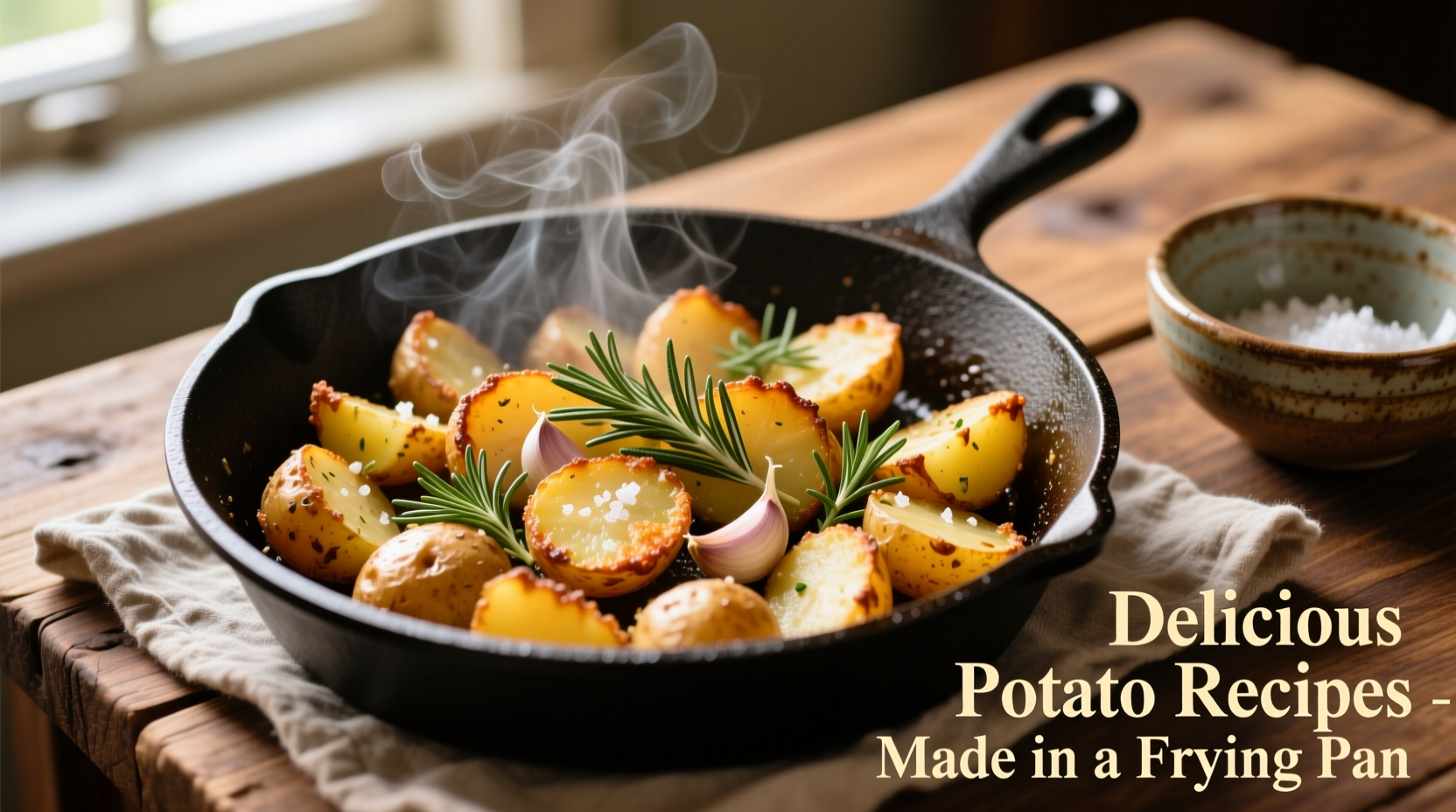
Potatoes (Solanum tuberosum) are starchy root vegetables native to the Andes but now cultivated worldwide. Their neutral flavor, creamy interior, and ability to absorb seasonings make them ideal for pan-frying. When cooked in a hot skillet with fat—typically oil or butter—potatoes develop a crisp exterior while maintaining a tender core. The frying pan method involves direct contact heat, which promotes Maillard browning, enhances mouthfeel, and shortens cook time compared to other techniques.
In culinary terms, \"frying pan potato recipes\" refer to any preparation where sliced, diced, shredded, or whole small potatoes are seared, sautéed, shallow-fried, or pan-roasted in a skillet. These methods span cuisines: from American home fries to Spanish tortilla, Indian aloo sabzi, and German bratkartoffeln. What unites them is efficiency, flavor development through caramelization, and accessibility—all achievable without specialized equipment.
Key Characteristics of Pan-Fried Potatoes
The success of pan-fried potatoes hinges on several physical and chemical factors. Understanding these helps ensure consistent results across different recipes.
| Characteristic | Description |
|---|---|
| Flavor Profile | Savory, earthy, mildly sweet; develops nutty, umami-rich notes when browned. |
| Aroma | Toasted, buttery, slightly roasted—especially when cooked with onions or garlic. |
| Texture | Crisp outer layer, fluffy or creamy interior depending on variety and cut. |
| Color | Golden to deep amber; uneven browning indicates inconsistent heat or overcrowding. |
| Cooking Time | 15–30 minutes, depending on size and thickness. |
| Fat Requirement | Moderate: 1–3 tablespoons per pound of potatoes for even coating and heat transfer. |
| Shelf Life (Cooked) | 3–4 days refrigerated; best reheated in a pan or oven to restore crispness. |
Practical Usage: How to Cook Potatoes in a Frying Pan
The frying pan offers unmatched versatility for preparing potatoes. Below is a universal framework adaptable to various styles, followed by specific applications.
Basic Technique: Achieving Crispy, Evenly Cooked Potatoes
- Select the right potato: Waxy varieties (Yukon Gold, red bliss) hold shape well and are ideal for slicing or dicing. Starchy types (Russet) work best when shredded or mashed slightly for cakes.
- Prep uniformly: Cut into even pieces—½-inch cubes, ¼-inch slices, or thin shreds—to ensure even cooking.
- Dry thoroughly: Moisture prevents browning. Pat dry with paper towels after washing or parboiling.
- Preheat the pan: Use medium-high heat and allow the skillet (cast iron or nonstick) to warm for 2–3 minutes before adding fat.
- Add fat: Use oils with high smoke points (canola, avocado, sunflower) or clarified butter. Heat until shimmering but not smoking.
- Arrange in single layer: Overcrowding causes steaming. Work in batches if necessary.
- Do not stir too soon: Allow 4–6 minutes per side for crust formation. Flip only once or twice.
- Season late: Salt draws out moisture. Add salt and spices in the final 5 minutes to preserve crispness.
Pro Tip: For extra-crispy results, parboil diced potatoes for 5–7 minutes before frying. Drain, cool slightly, then press gently to “smash” the edges—this increases surface area for browning.
Popular Frying Pan Potato Dishes
Each of these recipes leverages the same foundational principles but applies unique cuts, seasonings, and cultural influences.
1. Crispy Smashed Potatoes
Boil baby potatoes until fork-tender. Drain and let dry for 10 minutes. Place on a parchment-lined tray and gently crush each with the bottom of a glass or masher. Heat oil in a large skillet over medium-high. Cook smashed potatoes in batches, pressing lightly, until golden and crisp—about 6–8 minutes per side. Finish with flaky salt, chopped rosemary, and a squeeze of lemon.
2. Spanish Tortilla (Tortilla Española)
Thinly slice 2 large Yukon Golds and 1 onion. Sauté slowly in olive oil over low heat until soft but not browned (15–20 minutes). Drain excess oil, reserving 2 tablespoons. Beat 6 eggs and mix with potatoes. Pour into a nonstick skillet, reduce heat to low, and cook undisturbed for 8–10 minutes until edges set. Invert onto a plate, slide back into the pan, and finish cooking for another 5–7 minutes. Serve warm or at room temperature—ideal for tapas or brunch.
3. Home Fries with Onions and Peppers
Dice 1½ pounds of Russets into ½-inch cubes. Soak in cold water for 10 minutes, then drain and dry. Heat 2 tbsp oil in a cast-iron skillet. Add ½ diced onion and ½ bell pepper; sauté 3 minutes. Add potatoes in a single layer. Cook 6 minutes untouched, flip, and repeat. Season with smoked paprika, garlic powder, salt, and black pepper. Continue flipping every few minutes until fully browned and tender inside—total time: 20–25 minutes.
4. Hash Browns (Shredded Style)
Grate 2 peeled Russets using a box grater. Squeeze out as much liquid as possible using a clean towel. Mix with 1 tsp onion powder, ¼ tsp salt, and 1 beaten egg (optional for binding). Heat 2 tbsp oil in a skillet. Press mixture into 3–4 flat patties. Fry 5–6 minutes per side until deeply golden and crisp. Drain on paper towels and serve immediately.
5. Indian Aloo Bhaji (Spiced Potato Stir-Fry)
Sauté 1 chopped onion in 1 tbsp mustard oil or ghee. Add 1 tsp cumin seeds, ½ tsp turmeric, 1 chopped green chili, and ½ tsp ginger paste. Stir 1 minute. Add 2 cups diced boiled potatoes. Toss gently to coat. Cook 5–7 minutes, breaking slightly to form a craggy texture. Finish with fresh cilantro and a squeeze of lime. Serve with roti or paratha.
Variants & Types of Pan-Cooked Potatoes
Different preparations yield distinct textures and uses. Choosing the right variant depends on meal context, desired crunch level, and accompanying ingredients.
- Diced (Home Fries): Best for breakfast plates or sides. High surface-to-volume ratio allows for maximum browning.
- Sliced (Pan-Roasted): Ideal for layered dishes like gratin-style pans or paired with meats. Holds more internal moisture.
- Shredded (Hash Browns): Ultra-crisp due to fine strands. Requires thorough drying to avoid sogginess.
- Whole Small (Smashed): Combines tenderness and crunch. Excellent for appetizers or dinner sides.
- Mashed Base (Potato Cakes): Mixed with egg, flour, or herbs for structure. Great for using leftovers.
| Type | Best Oil/Fat | Ideal Pan | Time | Use Case |
|---|---|---|---|---|
| Diced | Canola, sunflower | Cast iron | 20–25 min | Breakfast, brunch |
| Sliced | Olive oil, butter | Stainless steel | 15–20 min | Dinner side, vegetarian mains |
| Shredded | Vegetable oil, ghee | Nonstick | 10–12 min | Quick snacks, kids’ meals |
| Whole/Smashed | Avocado oil, duck fat | Heavy skillet | 25–30 min | Cocktail bites, gourmet sides |
| Egg-Bound (Tortilla) | Olive oil | Nonstick or carbon steel | 18–22 min | Tapas, portable meals |
Comparison with Similar Ingredients
Potatoes are often substituted or confused with other root vegetables. While alternatives exist, their behavior under pan-frying conditions differs significantly.
| Ingredient | Texture When Fried | Starch Content | Flavor Profile | Substitution Advice |
|---|---|---|---|---|
| Potato (Russet) | Crisp outside, fluffy inside | High | Neutral, earthy | N/A – gold standard |
| Sweet Potato | Tends to caramelize, less crisp | Medium | Sweet, slightly floral | Use for sweeter profiles; expect softer crust |
| Turnip | Firm, can become tough | Low | Pungent, peppery | Not ideal alone; blend with potatoes for complexity |
| Carrot | Softens, rarely crisps | Very low | Sweet, vegetal | Add as accent, not base |
| Daikon Radish | Watery, breaks down easily | Low | Sharp, clean | Only for quick sautés; not suitable for browning |
\"The key to great pan-fried potatoes isn’t just the recipe—it’s patience. Let them sear. Don’t rush the crust. That’s where the magic happens.\" — Chef Elena Martinez, Culinary Instructor, San Francisco Cooking School
Practical Tips & FAQs
How do I prevent my potatoes from sticking?
Ensure the pan is properly preheated and use enough fat to coat the surface. Nonstick or well-seasoned cast iron works best. Avoid moving them too early—wait until a crust forms naturally.
Can I use leftover boiled potatoes?
Yes, and they’re excellent for pan-frying. Leftover boiled potatoes have reduced moisture and fry up crispier. Just pat dry and treat as you would raw-cut potatoes.
What oil should I use?
Choose oils with high smoke points: avocado (520°F), refined canola (400°F), or peanut (450°F). Extra virgin olive oil burns easily; save it for lower-heat applications like tortilla.
Why are my potatoes soggy?
Common causes include overcrowding the pan, insufficient drying, or covering the skillet (which traps steam). Always cook in a single layer and resist the urge to cover.
Can I make them ahead?
You can parboil and store in the fridge for 2 days before frying. Fully cooked pan potatoes reheat well in a 400°F oven or skillet for 5–7 minutes to restore crispness.
Are air-fried potatoes the same?
No. Air frying circulates hot air but lacks direct contact heat and sufficient oil for true browning. Results are drier and less rich. For authentic texture, a stovetop pan remains superior.
How do I add more flavor?
Infuse the oil: add crushed garlic, rosemary, or thyme to the pan before heating. Deglaze with a splash of white wine or vinegar after cooking to lift fond and create a light sauce.
Flavor Boost Checklist:
- Finish with flaky sea salt
- Sprinkle with fresh herbs (parsley, chives, dill)
- Add umami with grated Parmesan or nutritional yeast
- Drizzle with truffle oil or chili crisp
- Serve with aioli, sour cream, or yogurt dip
Summary & Key Takeaways
Pan-fried potatoes are a cornerstone of efficient, flavorful home cooking. Their adaptability across cuisines, minimal ingredient requirements, and high reward-to-effort ratio make them indispensable. Mastery lies not in complexity, but in attention to detail: uniform cutting, proper drying, correct heat management, and strategic seasoning.
From simple breakfast home fries to elegant Spanish tortilla, the frying pan unlocks a spectrum of textures and tastes. By selecting the appropriate potato variety, cut, and fat, cooks can tailor results to match any meal—from casual family dinners to sophisticated entertaining.
The techniques outlined here are scalable and forgiving. They accommodate substitutions, time constraints, and skill levels while delivering consistently satisfying outcomes. Whether reviving leftovers or crafting a centerpiece dish, pan-fried potatoes prove that simplicity, when executed with care, yields exceptional results.
Try one recipe this week—perfect your flip, build your confidence, and rediscover the potential of the humble potato.