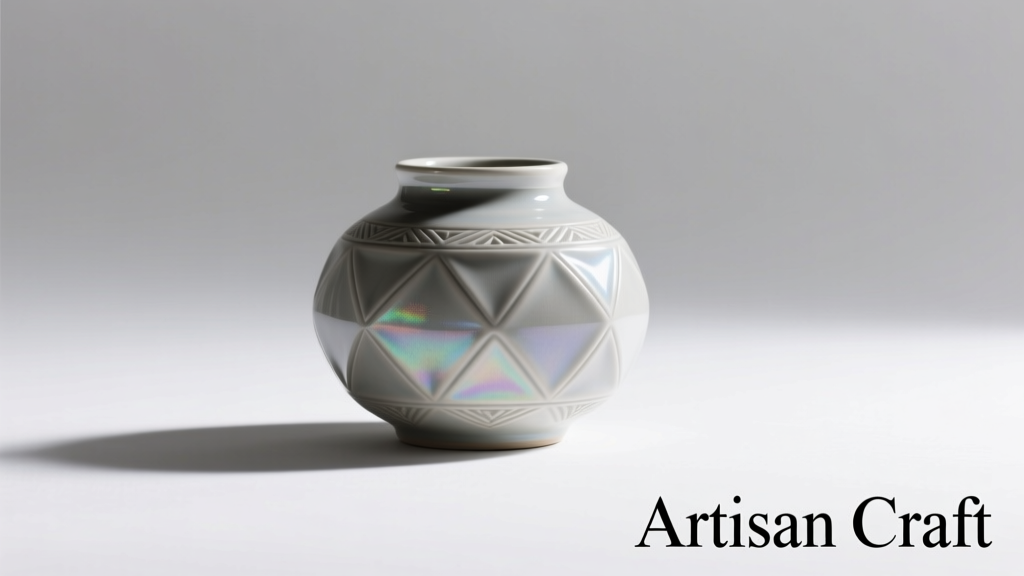
Materials Used for Crossings Handcrafts
Crossings handcrafts are intricate artistic expressions that blend tradition, functionality, and aesthetic beauty. These crafts rely on carefully selected materials, each contributing unique qualities to the final piece. The choice of material influences not only the visual appeal but also the durability, tactile experience, and cultural significance of the artwork. Below is a detailed exploration of the primary materials used in crossings handcrafts, including their characteristics, applications, and benefits.
Wood
Valued for its natural beauty and versatility, wood is a cornerstone of crossings handcrafts. Species like oak, maple, and mahogany are preferred for their strength, fine grain, and ease of carving. Artisans use techniques such as shaping, sanding, and staining to highlight the wood’s organic patterns and textures.
Advantages
- Warm, natural aesthetic enhances interiors
- Highly workable for intricate detailing
- Sustainable and biodegradable
- Rich cultural and historical significance
Limitations
- Can warp or crack with humidity changes
- Requires regular maintenance
- Vulnerable to pests like termites
Best for: Sculptural pieces, religious artifacts, decorative panels, and functional home items
Metals
Metals such as brass, silver, and copper add elegance, durability, and timeless appeal to crossings handcrafts. Brass is prized for its golden luster and corrosion resistance, often used in ornamental accents. Silver offers brilliance and precision for fine detailing, while copper develops a distinctive patina over time, enhancing vintage-style designs.
Advantages
- Exceptional strength and longevity
- Ideal for detailed engraving and welding
- Develops a unique patina (especially copper)
- Luxurious appearance enhances value
Limitations
- Higher cost, especially for silver
- Can tarnish without proper care
- Heavier than other materials
Best for: Jewelry, religious symbols, ceremonial items, and decorative inlays
Leather
Genuine leather brings both tactile richness and functional durability to crossings handcrafts. Its ability to age gracefully with use makes it ideal for accessories like belts, wallets, and book covers. Artisans employ tooling, embossing, and hand-stitching to create intricate designs that improve with time.
Advantages
- Soft yet highly durable
- Develops a unique patina over time
- Supports sustainable craftsmanship
- Excellent for ergonomic designs
Limitations
- Sensitive to moisture and sunlight
- Requires conditioning to prevent drying
- Higher-end leather can be costly
Best for: Handbags, religious accessories, journals, and wearable art
Glass
Glass is celebrated for its transparency, color versatility, and transformative potential in handcrafted art. Artisans use techniques like glassblowing, fusing, and beadwork to create stunning decorative elements. Stained glass is particularly popular in religious and architectural crossings, adding vibrant color and light-play to sacred spaces.
Advantages
- Allows for vibrant colors and light effects
- Can be recycled and repurposed
- Enables intricate, one-of-a-kind designs
- Ideal for both modern and traditional styles
Limitations
- Fragile and prone to breakage
- Requires specialized tools and skills
- Heavy in larger pieces
Best for: Stained glass windows, ornaments, beads, vases, and light fixtures
| Material | Durability | Aesthetic Appeal | Workability | Sustainability |
|---|---|---|---|---|
| Wood | High | Excellent | Excellent | High |
| Metals | Very High | Excellent | Good | Moderate |
| Leather | High | Very Good | Very Good | High |
| Glass | Moderate | Excellent | Moderate | High (with recycling) |
Expert Tip: For long-lasting handcrafted pieces, consider combining materials—such as wood with metal inlays or leather-wrapped glass elements—to enhance both visual interest and structural integrity. Always use eco-friendly finishes and sealants to preserve the natural qualities of each material.
Artistic Designs in Handcrafted Crossings: Symbolism, Culture, and Craftsmanship
Handcrafted crossings are more than religious or decorative objects—they are powerful expressions of faith, cultural identity, and artistic mastery. These meticulously created pieces blend spiritual meaning with aesthetic beauty, often reflecting centuries-old traditions while embracing modern design sensibilities. From sacred symbols to intricate patterns, each design element tells a story of devotion, heritage, and creativity.
Major Design Themes in Handcrafted Crossings
Religious Symbols
At the heart of many handcrafted crossings lie profound religious symbols that serve as enduring representations of faith and spiritual commitment. The cross, central to Christian tradition, is the most prevalent motif—crafted into necklaces, wall hangings, rosaries, and altar decorations. These pieces often feature nuanced details such as the Latin cross, Celtic cross, or Orthodox crucifix, each carrying distinct theological and historical significance.
Beyond Christian symbolism, artisans incorporate other sacred emblems to honor diverse spiritual traditions. The Star of David appears in Jewish-inspired pieces, symbolizing divine protection and identity, while the crescent moon and star are delicately integrated into Islamic art forms, representing guidance and enlightenment. These symbols are not merely decorative; they are thoughtfully embedded using culturally appropriate materials—such as olive wood, silver, or semi-precious stones—to deepen their spiritual resonance.
By combining symbolic meaning with skilled craftsmanship, religious-themed crossings become personal talismans of belief, serving both devotional and artistic purposes.
Geometric Patterns
Geometric designs are a hallmark of artistic sophistication in handcrafted crossings, drawing inspiration from mathematical precision and cultural heritage. These patterns—composed of repeating shapes like circles, triangles, and polygons—create visually harmonious compositions that balance symmetry and complexity.
In Islamic art, geometry is not only an aesthetic choice but a spiritual expression. Since depictions of living beings are traditionally avoided, artisans channel creativity into infinite tessellations and interlocking forms that symbolize the unending nature of God’s creation. This tradition is beautifully adapted into modern crossings through engraved metalwork, ceramic inlays, or woven textiles used in devotional items.
Artisans also apply geometric motifs to jewelry and home décor, where clean lines and balanced proportions lend a timeless elegance. Whether laser-cut into wooden crosses or etched onto silver pendants, these designs bridge the gap between ancient artistry and contemporary minimalism, appealing to those who appreciate both tradition and innovation.
Floral Motifs
Floral designs bring a sense of natural beauty, grace, and tranquility to handcrafted crossings. Inspired by the splendor of the natural world, these motifs often symbolize growth, renewal, and divine creation. Artisans skillfully paint, carve, or emboss flowers such as roses (representing love and sacrifice), lotuses (symbolizing purity and enlightenment), and wildflowers (embodying humility and resilience) into their creations.
In Christian contexts, floral patterns frequently surround the cross, suggesting resurrection and eternal life. In prayer books, illuminated manuscripts, or embroidered prayer mats, blossoming vines and floral borders frame sacred texts, enhancing their spiritual ambiance. Jewelry designers incorporate delicate floral engravings into pendants and rings, transforming wearable art into meaningful expressions of faith.
Beyond symbolism, floral motifs demonstrate the artisan’s attention to detail and mastery of technique—whether through hand-painting, metal repoussé, or textile embroidery. These designs connect the sacred with the organic, reminding wearers and viewers alike of the harmony between nature and spirituality.
Celtic Knots
Celtic knots are among the most iconic and enduring design elements in handcrafted crossings, renowned for their intricate, looping patterns with no beginning or end. Rooted in ancient Irish and Scottish traditions, these interwoven designs symbolize eternity, the continuity of life, and the interconnectedness of the physical and spiritual realms.
Commonly featured in Celtic crosses, these knots encircle the intersection of the vertical and horizontal arms, representing the eternal presence of God. The complexity of the knotwork reflects the depth of human experience—interlaced joys, sorrows, and spiritual journeys—while also showcasing the artisan’s precision and patience.
Celtic-inspired pieces are especially popular in jewelry, where pendants, bracelets, and rings carry both cultural pride and personal significance. Whether carved from wood, cast in bronze, or engraved in silver, these designs resonate with individuals seeking a tangible link to ancestral heritage and timeless spiritual values.
| Design Theme | Cultural/Religious Roots | Common Applications | Symbolic Meaning |
|---|---|---|---|
| Religious Symbols | Christianity, Judaism, Islam | Jewelry, wall art, altars, rosaries | Faith, devotion, divine protection |
| Geometric Patterns | Islamic, Islamicate, Modernist | Tiles, metalwork, textiles, engravings | Unity, infinity, divine order |
| Floral Motifs | Christian, Eastern, Universal | Jewelry, manuscripts, home décor | Beauty, renewal, divine creation |
| Celtic Knots | Celtic, Gaelic, European | Pendants, rings, stone carvings | Eternity, interconnectedness, heritage |
Why These Designs Matter
Important: When purchasing or creating handcrafted crossings, consider the cultural and religious significance behind each design. Respectful representation ensures that these sacred symbols continue to inspire reverence and understanding. Supporting skilled artisans also promotes sustainable craftsmanship and ethical production practices.
Commercial Value of Crossings Handcrafts
Crossings handcrafts possess significant commercial value rooted in their spiritual depth, cultural authenticity, and alignment with modern consumer values. As global markets increasingly favor meaningful, sustainable, and ethically made products, handcrafted crosses have emerged as more than religious symbols—they are powerful expressions of identity, heritage, and conscious consumption. Below is a comprehensive exploration of the key factors driving their market appeal and economic potential.
Spiritual Significance
Crosses are among the most enduring and universally recognized symbols in Christianity, representing faith, sacrifice, hope, and divine love. Handcrafted crossings elevate this symbolism by transforming simple religious icons into sacred objects imbued with personal and communal meaning.
- Used in personal devotion, church ceremonies, and rites of passage such as baptisms, confirmations, and weddings
- Appeal to pilgrims and tourists visiting holy sites, creating a robust market for devotional souvenirs
- Resonate across denominations—from Catholic and Orthodox traditions with ornate crucifixes to Protestant communities favoring minimalist designs
- Also find relevance in interfaith contexts where the cross symbolizes peace, compassion, and moral guidance
Market Insight: Spiritually meaningful items often command premium pricing due to emotional and symbolic value, especially during religious holidays like Easter and Christmas.
Personalization and Uniqueness
In an age of mass production, consumers increasingly seek items that reflect individuality and personal narrative. Handmade crossings offer a rare opportunity for customization, making them ideal for gifts, memorials, and milestone celebrations.
- Options for engraving names, dates, or inspirational verses enhance emotional connection
- Choice of materials—wood, metal, stone, or recycled elements—allows alignment with personal taste or regional aesthetics
- Each piece carries the artisan’s touch, ensuring no two are exactly alike, which adds collectible and heirloom value
- Popular for bespoke gifts such as communion crosses, wedding favors, or remembrance tokens
Consumer Trend: Over 68% of buyers prefer personalized products when purchasing gifts, according to recent retail studies—making customization a key selling point.
Cultural Representation
Crossings handcrafts are not only religious artifacts but also rich expressions of cultural identity. Artisans integrate traditional motifs, regional craftsmanship techniques, and indigenous materials, turning each piece into a story of heritage and pride.
- Examples include Celtic crosses from Ireland, Ethiopian Coptic crosses with intricate filigree, or Latin American retablos featuring hand-carved details
- These designs preserve ancestral knowledge and provide visibility to minority cultures in global markets
- Purchasing culturally authentic pieces allows consumers to engage in respectful cultural appreciation rather than appropriation
- Museums, cultural centers, and diaspora communities often commission or promote such crafts as part of heritage preservation
Global Impact: Cross-cultural trade in handcrafts fosters mutual understanding and supports UNESCO’s goals for safeguarding intangible cultural heritage.
Ethical Consumerism
Modern shoppers are more conscious of the social and environmental impact of their purchases. Handcrafted crossings align perfectly with the principles of ethical consumerism—supporting fair wages, sustainable sourcing, and community-based economies.
- Many artisans use reclaimed wood, recycled metals, or eco-friendly finishes, reducing environmental footprint
- Fair trade cooperatives ensure transparent supply chains and equitable compensation for craftspersons
- Buying directly from artisans or ethical brands helps combat exploitative labor practices common in factory-made religious goods
- Supports rural livelihoods and keeps traditional skills alive in the face of industrialization
Sustainability Advantage: Ethically made handcrafts are 3x more likely to be recommended by customers on review platforms, enhancing brand loyalty and word-of-mouth marketing.
Business Opportunity: Retailers and e-commerce platforms can maximize the commercial potential of handcrafted crossings by highlighting their story—where they’re made, who made them, and what cultural or spiritual traditions inspire them. Transparent storytelling builds trust and justifies higher price points, especially among millennials and Gen Z consumers who prioritize purpose-driven purchases.
| Market Segment | Primary Motivation | Preferred Craft Features | Price Sensitivity |
|---|---|---|---|
| Religious Practitioners | Spiritual devotion and ritual use | Sacred materials, traditional design | Low – willing to pay premium for authenticity |
| Gift Shoppers | Emotional significance and personalization | Engraving, elegant packaging, uniqueness | Medium – value quality over cost |
| Cultural Enthusiasts | Heritage appreciation and education | Ethnic patterns, artisan background, origin story | Low – prioritize authenticity and ethics |
| Eco-Conscious Buyers | Sustainability and social impact | Recycled materials, fair trade certification | Medium – balance values with affordability |
Strategies to Enhance Commercial Value
- Storytelling Marketing: Share artisan biographies, cultural context, and production processes through videos, labels, or QR codes
- Limited Editions: Release seasonal or region-specific designs to create exclusivity and urgency
- Collaborations: Partner with churches, missions, or cultural festivals to reach niche audiences
- Eco-Packaging: Use biodegradable or reusable packaging to reinforce sustainability claims
- Customer Engagement: Offer customization tools online or host craft workshops to deepen brand connection
How to Choose Crossings Handcrafts: A Complete Buyer’s Guide
Selecting the perfect handcrafted cross is more than a simple purchase—it's an investment in artistry, faith, and heritage. Whether you're seeking a meaningful gift, a devotional object, or a unique decorative piece, understanding what to look for ensures you choose a product that resonates with quality and purpose. This comprehensive guide walks you through the key factors to consider when selecting Crossings handcrafts, helping you make an informed, thoughtful decision.
Important Note: Handcrafted crosses are not just religious symbols—they are expressions of cultural tradition, personal devotion, and artisan skill. Taking time to evaluate materials, craftsmanship, and ethical sourcing enhances both the value and significance of your selection.
Key Factors to Consider When Choosing Handcrafted Crosses
- Quality of Materials
The foundation of any enduring handcrafted cross lies in the materials used. Premium wood such as olive, walnut, or reclaimed timber offers rich grain and long-term durability. For metal crosses, look for solid brass, copper, or wrought iron rather than plated or hollow alternatives. Stone crosses—often made from marble, alabaster, or soapstone—provide a timeless, weighty presence that reflects reverence and permanence.
High-quality materials not only enhance longevity but also contribute to the sensory experience—offering a satisfying weight, smooth texture, and natural beauty that mass-produced items often lack.
- Craftsmanship and Artisan Skill
Superior craftsmanship is evident in clean welds, precise joinery, consistent finishes, and attention to detail. Hand-forged metal crosses should show intentional hammer marks or subtle textures that highlight the artisan’s touch. Wooden crosses should have seamless joints, smooth sanding, and protective finishes like beeswax or food-safe oil.
Take time to research the artisan or workshop behind the piece. Many handcrafters document their process, tools, and training—information that adds depth and authenticity to your purchase. Pieces made using traditional techniques often carry greater cultural and spiritual significance.
- Design and Style
Crossings handcrafts come in a wide range of styles—from rustic, earthy designs with natural edges and imperfections to sleek, modern interpretations with minimalist lines. Consider the context in which the cross will be displayed:
- Rustic/Traditional: Ideal for homes, chapels, or gifts with a heritage feel.
- Contemporary: Perfect for modern interiors or personal jewelry with clean geometry.
- Regional Styles: Celtic, Byzantine, or Latin crosses each carry symbolic meaning and visual distinction.
Choose a design that aligns with your aesthetic preferences, spiritual tradition, or the intended recipient’s taste.
- Size and Proportions
Size matters both functionally and visually. A wall-mounted cross should be proportionate to the space—large enough to be seen clearly but not overwhelming. As a general rule:
- Wall Crosses: 12–24 inches for most rooms; larger for sanctuaries or focal walls.
- Tabletop Crosses: 6–10 inches for shelves, altars, or desks.
- Jewelry Crosses: 1–2 inches for pendants; consider chain length and weight.
Always verify dimensions before purchasing, especially when buying online. When in doubt, request a photo of the item in context or ask the seller for size comparisons.
- Ethical and Sustainable Sourcing
Support artisans and cooperatives that uphold fair labor practices and sustainable sourcing. Look for certifications or statements about fair trade, community support, or eco-friendly production methods. Purchasing from ethical makers not only ensures humane working conditions but also helps preserve traditional crafts and empower local economies.
For example, crosses made from reclaimed wood or recycled metal reduce environmental impact while adding unique character. Artisans who reinvest in their communities often produce pieces with deeper meaning and care.
- Price and Value
Handcrafted crosses typically cost more than factory-made alternatives—and for good reason. The price reflects hours of skilled labor, high-quality materials, and artistic originality. While budget is a valid consideration, focus on long-term value: a well-made cross can become a family heirloom, passed down for generations.
Set a realistic budget, but be willing to invest more for exceptional craftsmanship. Compare prices across artisans, but avoid undervaluing handmade work. Remember: low prices may indicate shortcuts in materials or labor practices.
| Selection Factor | What to Look For | Red Flags | Questions to Ask Seller |
|---|---|---|---|
| Materials | Real wood, solid metal, natural stone | Plastic, particle board, thin plating | “What material is this made from? Is it sustainably sourced?” |
| Craftsmanship | Smooth finishes, secure joints, no rough edges | Uneven welds, glue stains, splinters | “Is this handmade? Can you share the making process?” |
| Design | Intentional style, cultural authenticity | Generic, mass-market appearance | “What inspired this design? Does it have symbolic meaning?” |
| Size | Clear dimensions, proportional to use | Vague descriptions like “medium” or “large” | “Can you show it next to a ruler or common object?” |
| Ethics | Artisan-owned, fair trade, small workshop | No transparency, anonymous sellers | “Where is this made? Who made it?” |
| Price | Justified by materials and labor | Unusually low for claimed quality | “How long does it take to make one of these?” |
Expert Tip: When purchasing a handcrafted cross as a gift, consider including a note about the artisan and the story behind the piece. This personal touch enhances the emotional and spiritual value, making it more than just an object—it becomes a meaningful keepsake.
Final Recommendations
- Always buy from reputable sellers or directly from artisans when possible.
- Request high-resolution photos from multiple angles to assess quality.
- Check return policies, especially when buying online.
- Look for pieces with a certificate of authenticity or maker’s mark.
- Support small businesses and craft collectives to help sustain traditional art forms.
Choosing a Crossings handcraft is a deeply personal decision that blends faith, art, and intention. By focusing on quality, craftsmanship, and ethical values, you ensure your selection is not only beautiful but also meaningful and enduring. Whether displayed in a home, worn as jewelry, or given as a gift, a well-chosen handcrafted cross can inspire reflection, comfort, and connection for years to come.
Frequently Asked Questions About Crossings Handcrafts
Q. What are Crossings Handcrafts?A: Crossings Handcrafts are artisanal creations that feature crosses or draw inspiration from cross motifs. These handcrafted items are made with meticulous attention to detail and reflect a deep sense of tradition, faith, and artistic expression. Commonly used in religious settings for devotional purposes, they also serve as meaningful decorative pieces in homes, churches, and cultural spaces.
These crafts often carry symbolic significance, representing themes such as faith, sacrifice, protection, and heritage. Whether carved, forged, stitched, or molded, each piece is unique and showcases the skill and dedication of the craftsperson behind it.
Q. What are some benefits of Crossings Handcrafts?A: Crossings Handcrafts offer a wide range of personal, spiritual, and environmental benefits, making them more than just decorative objects. Key advantages include:
- Religious Significance: Serve as tools for worship, prayer, and personal devotion—ideal for altars, rosaries, or daily reminders of faith.
- Cultural Representation: Preserve and celebrate traditional designs and regional artistry, connecting individuals to their heritage and community identity.
- Eco-Friendly Production: Typically crafted using sustainable materials and low-impact techniques, reducing environmental footprint compared to mass-produced alternatives.
- Customizability: Many artisans offer personalized options—such as engraved names, special finishes, or custom sizes—making them perfect gifts for baptisms, confirmations, weddings, or memorials.
- Aesthetic Appeal: With intricate detailing and timeless design, these handcrafts enhance interior décor, fashion accessories, or sacred spaces with elegance and meaning.
- Support for Artisans: Purchasing handcrafted items supports independent artists and small-scale producers, helping sustain traditional craftsmanship and fair labor practices.
A: The choice of material plays a crucial role in both the appearance and longevity of Crossings Handcrafts. Artisans select materials based on durability, texture, symbolism, and workability. Most common include:
| Material | Common Uses | Characteristics |
|---|---|---|
| Wood | Crosses, wall hangings, nativity scenes | Warm, natural look; often hand-carved; sustainable when sourced responsibly. |
| Metal | Jewelry, outdoor crosses, altar pieces | Durable and weather-resistant; available in brass, silver, iron, or copper; can be polished or aged for aesthetic effect. |
| Leather | Keychains, bracelets, Bible covers | Soft yet strong; develops a rich patina over time; ideal for wearable or functional crafts. |
| Glass | Stained glass windows, ornaments, suncatchers | Vibrant colors and light-refractive qualities; often fused or leaded by hand for detailed imagery. |
| Clay & Ceramics | Sculptural crosses, tiles, keepsakes | Hand-molded and glazed; offers earthy textures and artistic versatility. |
Many crafts combine multiple materials—for example, a wooden cross with metal inlays or a leather-wrapped pendant—to create layered visual interest and symbolic depth.
Q. How do one care for and maintain Crossings Handcrafts?A: Proper care ensures that your Crossings Handcrafts remain beautiful and intact for years. Maintenance depends on the material, but general best practices include:
- Wooden Items: Dust regularly with a soft cloth. Occasionally treat with natural wood oil (like linseed or tung oil) to prevent drying and cracking. Avoid damp environments to prevent warping.
- Metal Pieces: Clean gently with a dry or slightly damp cloth. Polish with a non-abrasive metal cleaner if tarnishing occurs. Apply a thin layer of protective wax for long-term shine and corrosion resistance, especially for outdoor use.
- Leather Goods: Condition every few months with leather cream or conditioner to maintain suppleness. Wipe spills immediately and avoid prolonged exposure to moisture or heat.
- Glass & Ceramics: Handle with care. Clean with mild soap and water using a soft sponge. Avoid sudden temperature changes to prevent cracking.
- All Crafts: Store in a cool, dry place away from direct sunlight to prevent fading, discoloration, or material degradation. Keep out of high-humidity areas like bathrooms unless specifically designed for such conditions.
For valuable or heirloom pieces, consider displaying them under glass or in climate-controlled environments. Always follow any specific care instructions provided by the artisan or manufacturer to preserve authenticity and craftsmanship.