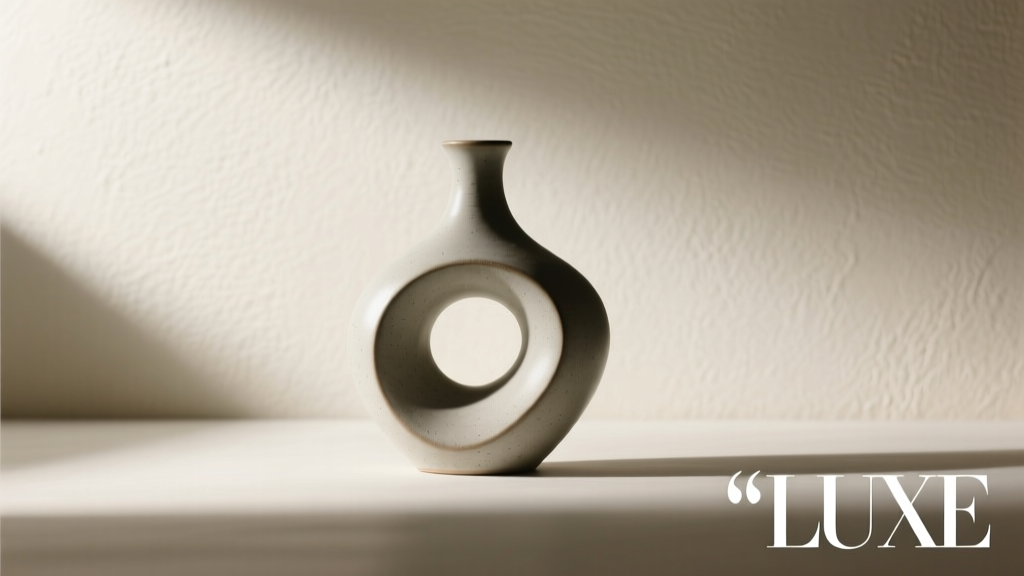
Types of Croissant Decor
Croissants are more than just a beloved French pastry—they’ve become a charming symbol of elegance, warmth, and culinary artistry. As such, croissant decor has emerged as a delightful way to infuse homes and businesses with a touch of Parisian charm. Whether whimsical or sophisticated, croissant-inspired design elements bring a sense of joy and cultural flair to any space. From literal shapes to thematic motifs, these decor styles celebrate the art of French baking in creative and stylish ways.
Croissant-Shaped Decor
These items are physically crafted in the iconic crescent shape of a traditional croissant, making them instantly recognizable and conversation-starting pieces.
Advantages
- Highly visual and unique focal point
- Perfect for adding whimsy or humor to a room
- Versatile in application—furniture, pillows, wall hooks, lamps
- Appeals to pastry lovers and Francophiles alike
Considerations
- Can appear kitschy if overused
- Limited to specific interior themes
- May be harder to find in high-end designs
Best for: Bakeries, cafes, breakfast nooks, children’s rooms, or playful accent pieces in modern homes
Croissant-Themed Decor
This category includes artistic and design elements inspired by croissants but not necessarily shaped like them—focusing on imagery, color palettes, and textures reminiscent of the golden, flaky pastry.
Advantages
- Subtle and elegant aesthetic
- Easy to integrate into existing decor
- Includes prints, textiles, wallpapers, and murals
- Evokes warmth and comfort through golden-brown tones and soft layering
Considerations
- Less immediately recognizable as "croissant" themed
- May require complementary elements to reinforce the theme
- Color choices must be balanced to avoid a too-warm or dated look
Best for: Living rooms, dining areas, bakeries, and French-inspired interiors seeking a refined touch
Kitchen & Dining Decor
Centered around food culture, this decor ties the love of croissants directly to functional and aesthetic elements in culinary spaces.
Advantages
- Highly functional—includes serving trays, mugs, aprons, and utensils
- Enhances the dining experience with thematic consistency
- Great for themed restaurants or brunch-focused homes
- Available in both rustic and luxury finishes
Considerations
- May limit versatility if too narrowly themed
- Durability varies with material quality
- Some items may be seasonal or novelty-based
Best for: Kitchens, breakfast bars, bakeries, brunch cafes, and dining rooms with a culinary focus
Croissant Holiday Decor
Specialty items designed for festive occasions, blending the joy of holidays with the charm of French pastries.
Advantages
- Adds a unique twist to holiday decorating
- Perfect for Christmas, New Year’s, or French-themed parties
- Includes ornaments, centerpieces, tableware, and advent calendars
- Creates a cozy, indulgent atmosphere
Considerations
- Limited seasonal use
- May be harder to source outside niche markets
- Storage required when not in use
Best for: Holiday tables, festive bakeries, French-themed events, and seasonal home styling
| Type | Style | Versatility | Best Use Case | Aesthetic Appeal |
|---|---|---|---|---|
| Croissant-Shaped | Literal & Playful | Moderate | Accent pieces, bakeries, kids' spaces | High (eye-catching) |
| Croissant-Themed | Artistic & Subtle | High | Living rooms, cafes, modern interiors | Sophisticated & warm |
| Kitchen & Dining | Functional & Thematic | High | Kitchens, brunch spots, dining areas | Inviting & practical |
| Holiday Decor | Festive & Seasonal | Low (seasonal) | Holiday tables, events, celebrations | Cheerful & nostalgic |
Design Tip: For a cohesive look, pair croissant-shaped accents with croissant-themed artwork or textiles in complementary golden, cream, and caramel tones. This creates a layered, immersive French-inspired aesthetic without appearing overly themed.
Design of Croissant Decor: Aesthetic Meets Functionality
Croissant decor has emerged as a delightful fusion of culinary charm and interior design, bringing the warmth and elegance of French patisseries into homes, cafes, and boutique spaces. As both a decorative and functional product, its design is influenced by a blend of artistic inspiration, material science, and practical usability. From plush pillows to kitchenware and wall art, croissant-themed decor captures the flaky, golden essence of the beloved pastry while serving diverse purposes in modern living spaces.
Key Design Elements of Croissant Decor
Materials
The choice of materials in croissant decor is deeply tied to the item’s function and environment. Soft furnishings like croissant-shaped pillows and blankets are typically crafted from high-quality, tactile fabrics such as cotton, linen, or velvet—chosen for their comfort, breathability, and ability to mimic the soft, layered texture of real croissants.
For wall art and prints, canvas and premium paper are preferred for their durability and print fidelity, allowing for intricate details that evoke the golden-brown crust and delicate lamination of a fresh pastry. In kitchen-centric decor—such as mugs, trays, or cutting boards—materials like ceramic, melamine, and food-safe wood are standard. These offer resilience against heat, moisture, and frequent cleaning, while maintaining an elegant, bakery-inspired aesthetic.
Colors
Color palettes in croissant decor are rooted in the natural hues of the pastry itself—warm golden browns, buttery yellows, and soft caramel tones dominate the spectrum. These shades evoke freshness, warmth, and indulgence, making them ideal for creating cozy, inviting atmospheres.
Designers often enhance these base tones with pastel accents—think blush pink, sage green, or sky blue—to align with French provincial or shabby-chic styles. These complementary colors add a touch of whimsy and sophistication, balancing the richness of the croissant theme. Accent hues may also be used to highlight specific design features, such as embroidered details or sculptural edges, adding visual interest and depth.
Patterns and Textures
Texture plays a pivotal role in making croissant decor feel authentic and immersive. Designers replicate the flaky, laminated layers of a real croissant through embossing, quilting, 3D printing, or handcrafted molding. On textiles, techniques like ruching, pleating, or layered stitching create a realistic dough-like appearance.
Printed patterns often feature subtle gradients and fine line work to simulate browning and layer separation. Some premium decor items even incorporate scent-infused materials—such as vanilla, butter, or baked pastry fragrances—enhancing the sensory experience and transforming a space into a virtual French boulangerie. This multisensory approach deepens emotional engagement and elevates the decor beyond mere visual appeal.
Sizes and Assortments
Croissant decor spans a wide range of sizes and configurations, catering to different spatial and functional needs. Miniature croissant ornaments or magnets serve as charming accent pieces, while oversized croissant floor pillows or lounge chairs make bold statement furniture.
Many products are designed as coordinated sets—such as a croissant-shaped throw pillow paired with a matching blanket, or a wall decal collection featuring various French pastries in graduated sizes. These assortments allow for cohesive theming across rooms, ideal for bakeries, cafes, or themed nurseries. Modular designs also enable customization, letting users build their own pastry-inspired vignettes.
Functionality and Practicality
Beyond aesthetics, many croissant decor items are designed with practical utility in mind. Pillows often feature removable, machine-washable covers for easy maintenance. Kitchenware is crafted from non-porous, food-safe materials that resist stains and bacteria, ensuring hygiene during use.
Innovative designs integrate functionality into the theme—such as croissant-shaped shelves, hooks, or towel racks that double as art and storage. Some wall decals include magnetic or adhesive backings for temporary decoration, perfect for renters or seasonal displays. This blend of form and function ensures that croissant decor is not only beautiful but also livable and adaptable to everyday needs.
Target Applications and Themes
Croissant decor is highly versatile, fitting into a range of interior themes—from rustic French country kitchens to modern minimalist apartments with a playful twist. It's especially popular in commercial spaces like cafés, bakeries, and boutique hotels aiming to reinforce a gourmet brand identity.
In residential settings, it often appears in breakfast nooks, kitchens, or children’s rooms, where its cheerful, whimsical nature adds charm. Seasonal collections may tie into holidays like Mother’s Day or Paris-themed events, while luxury versions use metallic finishes or hand-painted details for high-end appeal.
| Design Element | Common Applications | Material & Style Tips |
|---|---|---|
| Soft Furnishings | Pillows, blankets, seat cushions | Use cotton-velvet blends for richness; add zipper closures for washability |
| Wall Art & Decals | Gallery walls, accent walls, rentals | Opt for canvas or removable vinyl; include scent-infused options for immersion |
| Kitchenware | Mugs, trays, utensil holders | Choose ceramic or melamine; ensure food-safe certification |
| Furniture & Storage | Shelves, hooks, ottomans | Use wood or resin for durability; maintain proportional scaling |
Design Trends and Considerations
Important: When selecting croissant decor, consider the balance between visual appeal and practical use. Overly delicate items may not withstand daily use, while poorly made replicas can appear tacky. Always assess material quality, safety certifications (especially for kitchen items), and ease of maintenance. Well-designed croissant decor should delight the eye, engage the senses, and seamlessly integrate into your space—just like a perfectly baked pastry.
Scenarios of Croissant Decor
Croissant decor has emerged as a charming and versatile design trend that evokes the warmth, elegance, and culinary richness of French culture. By incorporating croissant-themed elements into various environments, businesses and homeowners can create immersive atmospheres that resonate with sophistication, comfort, and a touch of whimsy. Whether subtle or bold, croissant-inspired design strengthens brand identity, enhances customer experience, and brings a Parisian flair to everyday spaces.
Baking and Pastry Shops
For bakeries and patisseries, croissant decor is more than just aesthetic—it's a strategic branding tool. Since croissants are emblematic of French baking excellence, integrating them into the shop’s visual identity reinforces authenticity and quality. This can be achieved through croissant-shaped signage, display cases with golden-hued accents mimicking flaky pastry layers, or even furniture with curved edges reminiscent of a freshly baked croissant.
- Wall murals featuring hand-painted croissants or Parisian boulangerie scenes enhance thematic immersion
- Countertops with marbled finishes paired with croissant-patterned tiles create a gourmet sensory experience
- Menu boards styled like vintage French chalkboards with croissant icons improve visual appeal
Pro tip: Use warm lighting to highlight golden-brown tones in decor, mimicking the glow of an oven-fresh croissant.
Homes & Interior Spaces
Homeowners seeking a cozy, European-inspired ambiance can incorporate croissant decor in creative and subtle ways. It’s ideal for kitchens, breakfast nooks, or reading corners where comfort and culinary joy intersect. The soft curves and warm hues of croissants lend themselves well to textiles, wall art, and accent pieces that add personality without overwhelming the space.
- Croissant-shaped throw pillows or cushion covers bring playfulness to living rooms or window seats
- Kitchen wallpaper with repeating croissant motifs or French bakery illustrations sets a lighthearted tone
- Croissant-printed tea towels, aprons, or mugs serve as functional yet stylish accents
Design insight: Pair croissant decor with neutral tones like cream, beige, and soft gray to maintain elegance and balance.
Cafes and Bistros
Cafes aiming to evoke a true Parisian café experience often lean into croissant decor to strengthen their thematic identity. From breakfast service to afternoon espresso, the presence of croissant-inspired design elements helps customers mentally transport to a sidewalk bistro in Montmartre. This sensory branding deepens emotional engagement and encourages longer stays and repeat visits.
- Chairs with curved backs shaped like crescent rolls offer both comfort and visual storytelling
- Floor or ceiling decals with floating croissants create a whimsical overhead detail
- Menu items named after Parisian landmarks (e.g., “Champs-Élysées Croissant Combo”) reinforce the theme
Customer experience: Themed decor increases Instagrammable moments, boosting organic social media exposure.
Events and Celebrations
French-themed parties, bridal showers, or cultural festivals benefit greatly from croissant decor, transforming ordinary venues into charming Parisian escapes. These elements add a layer of narrative and delight, making events feel curated and memorable.
- Centerpieces featuring miniature croissant sculptures or real pastries in decorative baskets elevate table settings
- Backdrops with oversized croissant cutouts or Eiffel Tower illustrations with pastry accents serve as photo ops
- Invitations and menus printed with croissant borders or icons maintain theme consistency
Event pro tip: Offer croissant tasting bars with flavored butters and jams to engage multiple senses.
Retail and Marketing Spaces
Brands in the food, lifestyle, or travel sectors can leverage croissant decor to create immersive pop-up experiences, flagship stores, or promotional displays. When aligned with a campaign or product launch, this theme communicates joy, indulgence, and cultural sophistication.
- Pop-up boutiques shaped like giant croissants attract foot traffic and media attention
How to Choose the Perfect Croissant Decor for Your Space
Selecting the right croissant-themed decor is more than just a whimsical choice—it's about creating a space that reflects your personality, love for French culture, and appreciation for culinary charm. Since decor often stays in place for years, it’s essential to choose pieces that not only delight the eye but also complement your lifestyle and interior design. Whether you're decorating a kitchen, café, or living area, this guide will help you make thoughtful, stylish, and functional choices that bring the warm, buttery essence of a fresh croissant into your home.
Pro Tip: Croissant decor works best when integrated thoughtfully into a broader theme—like French provincial, rustic farmhouse, or modern bistro—rather than appearing as an isolated novelty item.
Key Factors to Consider When Choosing Croissant Decor
- Personal Preference & Emotional Connection
At the heart of any decor choice is personal meaning. If you're drawn to croissants because of a fondness for French pastries, Parisian cafés, or memorable travel experiences, let that passion guide your selections. Opt for decor that resonates with your aesthetic—whether it's realistic croissant sculptures, whimsical prints, or minimalist line art.
For fans of French culture, consider incorporating elements reminiscent of a traditional boulangerie: warm golden hues, chalkboard signs with French script, or vintage-style packaging. This creates an immersive experience that goes beyond mere decoration.
- Quality of Materials & Craftsmanship
High-quality materials ensure your decor remains beautiful and intact over time. Look for items made from durable, non-toxic, and food-safe materials—especially if they’ll be displayed near food or in high-traffic areas.
- Kitchen or dining areas: Choose ceramic, enamel, or food-grade resin croissant models that are easy to clean and resistant to heat and moisture.
- Textiles (pillows, aprons, table linens): Prioritize soft, high-thread-count cotton or linen blends that are both comfortable and machine-washable.
- Wall art or sculptures: Opt for wood, metal, or high-density polyurethane for longevity and visual appeal.
Avoid cheap plastics or poorly painted finishes that may chip or fade quickly.
- Style and Aesthetic Harmony
Your croissant decor should enhance—not clash with—your existing interior style. Thoughtful integration ensures a cohesive and polished look.
- Modern or minimalist spaces: Choose sleek, abstract croissant art or monochrome prints with clean lines.
- Rustic or shabby-chic interiors: Embrace vintage croissant tins, hand-painted signs, or distressed wooden displays.
- Farmhouse or cottage kitchens: Use plush croissant-shaped cushions, ceramic bread baskets, or framed illustrations of French bakeries.
Color coordination is key—match golden-brown croissant tones with warm neutrals, creams, or soft pastels. Avoid overly bright or neon accents unless they align with a playful, kitschy theme.
- Functionality & Practical Use
The best decor serves a purpose beyond beauty. Consider whether your croissant-themed item can be both decorative and functional.
- A croissant-shaped door hook can hold aprons or towels in the kitchen.
- A ceramic croissant soap dispenser adds charm and utility to a bathroom or sink area.
- Decorative storage boxes shaped like croissants can hold tea bags, spices, or baking tools.
Always assess structural integrity—functional decor should be stable, safe, and easy to maintain. For food-adjacent items, ensure materials are non-porous and hygienic to prevent bacterial buildup.
- Size, Scale, and Proportion
The size of your croissant decor should be appropriate for the space it occupies. Oversized pieces can overwhelm a small kitchen, while tiny accents may get lost in a large room.
- Small spaces: Use subtle touches like croissant-shaped magnets, coasters, or mini wall art.
- Large walls or countertops: Consider a statement piece—a large canvas print, a sculptural centerpiece, or a decorative shelf with multiple themed items.
- Shelving or mantels: Group smaller items in odd numbers (3 or 5) for visual balance and impact.
Measure your space before purchasing, and visualize how the decor will fit with surrounding furniture and accessories.
- Theme and Occasion Alignment
Croissant decor can be tailored to specific events or seasonal themes, making it versatile and festive.
- French-themed dinner parties: Use croissant centerpieces, napkin rings, or menu holders with French typography.
- Valentine’s Day or romantic brunches: Pair croissant decor with roses and soft lighting for a Parisian café vibe.
- Pastry-themed birthdays or baking classes: Incorporate playful elements like croissant piñatas, aprons, or cupcake toppers.
For permanent installations, choose timeless designs. For seasonal or event-based use, opt for interchangeable or easily stored pieces.
| Decor Type | Ideal Setting | Recommended Materials | Functionality Tips |
|---|---|---|---|
| Ceramic Croissant Sculptures | Kitchen shelves, dining tables | Glazed ceramic, stoneware | Use as centerpieces or paperweight holders |
| Croissant-Themed Wall Art | Kitchen, café nook, entryway | Canvas, wood, metal prints | Pair with matching frames for gallery walls |
| Textile Decor (Pillows, Aprons) | Breakfast nook, bakery, lounge | Cotton, linen, polyester blends | Machine-washable for easy care |
| Functional Items (Hooks, Dispensers) | Bathroom, kitchen, pantry | Stainless steel, resin, enamel | Ensure secure mounting and leak-proof seals |
| Seasonal or Event Decor | Parties, holidays, pop-up events | Paper, fabric, lightweight plastic | Store in dry containers for reuse |
Design Hack: Create a "boulangerie corner" by combining croissant decor with other French bakery elements—like a baguette tray, espresso cups, and a chalkboard menu. This transforms a simple accent into a themed experience.
Final Tips for Long-Term Satisfaction
- Start small—test the look with a single piece before committing to a full theme.
- Rotate seasonal decor to keep the space feeling fresh and dynamic.
- Support artisan creators for unique, handcrafted croissant decor with authentic charm.
- Photograph your setup to evaluate balance and visual flow before finalizing placement.
- Ensure all electrical or wall-mounted items meet safety standards, especially in kitchens.
Choosing croissant decor is a delightful way to infuse warmth, humor, and cultural flair into your home. By balancing personal taste with practical considerations, you can create a space that feels both inviting and intentional. Whether it's a subtle nod to your favorite breakfast pastry or a full-fledged French bakery aesthetic, the right croissant decor will rise to the occasion—every time.
Frequently Asked Questions About Croissant-Themed Decor
Q1: Are croissant decor items suitable for outdoor use?Most croissant-themed decor items are designed primarily for indoor environments, where they can enhance the warmth and charm of living spaces, kitchens, or cafes. However, certain outdoor-friendly variations do exist—particularly in the form of weather-resistant throw pillows, garden flags, or patio accessories inspired by the croissant shape and golden-brown hue.
- Indoor Focus: Many croissant decor pieces are made from delicate materials like ceramic, fabric, or paper, which can degrade when exposed to moisture, sunlight, or extreme temperatures.
- Outdoor Options: Look for items labeled as UV-resistant, waterproof, or made from durable synthetics if planning to use them outside.
- Seasonal Use: Consider rotating croissant-themed outdoor pillows or signs during dry, mild seasons to preserve their appearance and longevity.
Always check product specifications before placing any croissant-inspired item outdoors to ensure it can withstand environmental conditions.
Q2: Can croissant decor be used in a minimalist interior design?Yes, croissant decor can be thoughtfully integrated into minimalist interiors without disrupting the clean, uncluttered aesthetic. The key lies in intentional selection and subtle styling.
- Strategic Placement: Use a single, well-crafted croissant-shaped object—such as a neutral-toned cushion, abstract wall art, or a sculptural ceramic piece—to serve as a soft focal point.
- Design Simplicity: Choose items with smooth lines, muted colors (like beige, cream, or warm taupe), and minimal detailing to align with minimalist principles.
- Material Harmony: Opt for natural materials like linen, wood, or clay that complement minimalist textures while adding organic warmth.
When curated with restraint, croissant decor can add a touch of whimsy and comfort to minimalist spaces without overwhelming them—perfect for those who appreciate both simplicity and subtle charm.
Q3: What is the best way to store croissant decor when not in use?To maintain the quality and appearance of croissant-themed decor during off-seasons or long-term storage, proper conditions are essential.
- Dry & Cool Environment: Store items in a climate-controlled area to prevent mold, mildew, or warping, especially for fabric or paper-based pieces.
- Light Protection: Keep decor away from direct sunlight to avoid fading of colors and deterioration of materials over time.
- Airtight Containers: Use sealed plastic bins with desiccants to protect against dust, pests, and humidity.
- Stuffing for Shape: For plush or soft items (like croissant-shaped pillows), lightly stuff them to help retain their form during storage.
Labeling containers and organizing by theme or room can also make seasonal redecorating easier and more enjoyable.
Q4: Are there eco-friendly materials used for croissant decor?Yes, an increasing number of croissant-themed decor items are being crafted from sustainable and environmentally responsible materials, reflecting a growing demand for green home goods.
- Organic Fabrics: Items made from GOTS-certified organic cotton, hemp, or bamboo offer soft, biodegradable alternatives to synthetic textiles.
- Recycled Materials: Some decor pieces utilize recycled paper, reclaimed wood, or upcycled fabrics, reducing waste and environmental impact.
- Non-Toxic Dyes: Eco-conscious brands often use plant-based or low-VOC dyes to color croissant-shaped decor safely and sustainably.
- Handmade & Local: Artisan-made decor supports small businesses and reduces carbon footprints associated with mass production and global shipping.
When shopping, look for certifications like FSC (wood), OEKO-TEX (textiles), or B Corp status to ensure genuine sustainability claims.
Q5: Can croissant decor be a part of modern interior design?Absolutely—croissant decor can seamlessly blend into modern interior design when approached with a contemporary sensibility.
| Design Element | Traditional Approach | Modern Interpretation |
|---|---|---|
| Shape | Realistic, curved croissant form | Abstracted, geometric, or minimalist silhouette |
| Texture | Soft fabric or plush finish | Sleek ceramic, matte metal, or concrete |
| Color Palette | Warm golden browns and creams | Monochrome tones, black accents, or bold contrasts |
| Functionality | Ornamental only | Functional art—e.g., croissant-shaped shelf or lamp |
Modern croissant decor often emphasizes form, function, and artistic expression rather than literal representation. For example, a golden-hued wall sculpture with layered curves or a sleek croissant-inspired bench can elevate a contemporary space with personality and sophistication.
By choosing pieces with clean lines and high-quality materials, croissant decor becomes more than just a novelty—it transforms into a stylish, conversation-starting element of modern living.









