Duffle bags are versatile, spacious, and ideal for travel or gym use, but their traditional design often lacks comfort when carried over long distances. Carrying one by hand can strain the wrist, and slinging it over the shoulder without proper support leads to neck and back discomfort. Fortunately, transforming your duffle bag into a functional, comfortable shoulder bag is easier than you think. With a few smart modifications and accessories, you can upgrade its usability while preserving its durability and style.
Why Convert a Duffle Bag Into a Shoulder Bag?
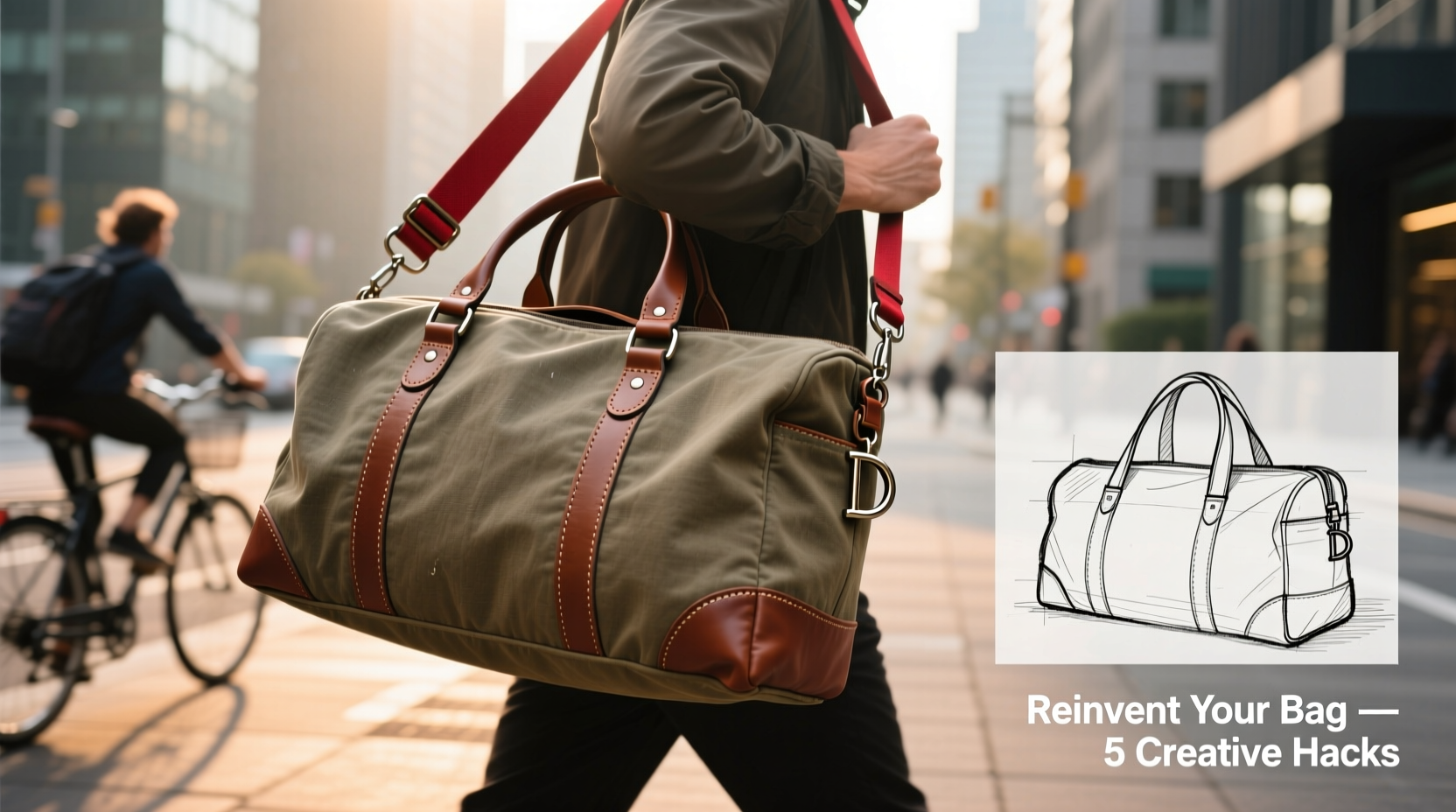
The appeal of a duffle lies in its capacity and simple structure, but its lack of ergonomic carrying options limits daily usability. Converting it into a shoulder-carrying companion improves balance, frees up your hands, and reduces physical strain. This transformation is especially useful for commuters, weekend travelers, or fitness enthusiasts who carry heavy loads regularly.
Unlike investing in a new bag, modifying your existing duffle is cost-effective and sustainable. It also allows customization—tailoring the fit, strap length, padding, and even aesthetics to your personal needs.
Step-by-Step Guide: How to Modify Your Duffle Bag
Transforming your duffle doesn’t require advanced sewing skills or expensive tools. Follow this step-by-step process to achieve a professional-looking result.
- Evaluate your duffle’s structure: Check for reinforced handles, loops, or attachment points. Look for stitching density near the top edges—this indicates where additional stress can be supported.
- Choose your conversion method: Decide between adding removable straps, sewing on permanent ones, or using hybrid clip-on solutions.
- Select the right strap material: Opt for wide, padded nylon or webbing with adjustable sliders. Aim for 1.5 to 2 inches in width to distribute weight evenly.
- Attach the straps securely: Use metal D-rings, heavy-duty stitching, or reinforced carabiners depending on your method.
- Test and adjust: Load the bag with typical contents and walk with it. Adjust strap length so the bag rests comfortably at hip level.
Creative Modification Ideas
Not all transformations require sewing. Here are several inventive approaches based on skill level and desired outcome.
1. Clip-On Adjustable Shoulder Straps
Purchase universal luggage straps with quick-release clips. Attach them to the duffle’s existing handles or side rings. These are ideal for temporary conversions and easy removal when needed.
2. Sewn-In Padded Crossbody Strap
For a permanent upgrade, sew a contoured, padded strap directly onto the bag’s upper seam. Use double stitching and reinforce anchor points with fabric patches underneath. This creates a sleek, integrated look suitable for urban commuting.
3. Dual-Carry Hybrid Design
Add two separate strap systems: one short handle for hand carry and a longer, detachable shoulder strap. This maintains versatility while enhancing comfort when needed.
4. Convertible Backpack-Shoulder System
Install two long straps that can be tucked away when not in use. When extended, they function as backpack straps; when looped together, they form a single shoulder carry option. Ideal for travelers needing multiple carry styles.
5. Magnetic Release Shoulder Harness
Use magnetic buckles on custom straps for quick transitions. One end attaches via durable snap hooks to the duffle’s corners, allowing fast switching between hand carry and shoulder mode.
“Ergonomic redesigns don’t have to compromise original design. A well-executed modification enhances both form and function.” — Lena Torres, Product Designer at Urban Gear Studio
Do’s and Don’ts: Best Practices for Duffle Modifications
| Action | Do | Don't |
|---|---|---|
| Strap Attachment | Use metal D-rings or bartack stitching | Rely solely on glue or weak fabric loops |
| Material Choice | Select abrasion-resistant webbing with padding | Use thin, non-padded cotton straps |
| Weight Distribution | Keep strap width ≥ 1.5 inches | Use narrow straps that dig into shoulders |
| Adjustability | Include slider buckles for length control | Fix straps at one rigid length |
| Testing | Load test with actual usage weight | Assume strength without real-world trials |
Real-Life Example: From Gym Haul to Commute Companion
Mark, a graphic designer from Portland, used his canvas duffle primarily for gym sessions. He often carried shoes, towels, a laptop, and lunch—weighing nearly 15 pounds. After weeks of shoulder pain, he decided to modify it. Using online tutorials, he attached padded 2-inch nylon straps with steel D-rings to each side of the bag. He stitched them with a heavy-duty zigzag pattern and added anti-slip silicone pads where the straps met his shoulder. The result? A durable, comfortable shoulder bag that now serves as his work commuter pack. “It took less than an hour and cost under $12,” Mark says. “Now I use it five days a week.”
Checklist: Before You Begin Your Transformation
- ☐ Inspect your duffle for wear, weak seams, or damaged handles
- ☐ Measure your shoulder-to-hip distance to determine ideal strap length
- ☐ Choose between removable vs. permanent strap options
- ☐ Purchase high-tensile webbing (minimum 500 lb test strength)
- ☐ Gather tools: needle, thread, scissors, measuring tape, clips, or sewing machine
- ☐ Reinforce attachment points with extra stitching or rivets if necessary
- ☐ Test load capacity after installation
Frequently Asked Questions
Can I convert any duffle bag into a shoulder bag?
Most duffles can be modified, provided they have sturdy construction at the top edges or existing loops/rings. Lightweight or flimsy materials may not support added stress from shoulder straps unless reinforced internally.
What’s the best type of strap for heavy loads?
Wide (1.5–2 inch), padded straps made from ballistic nylon or polyester webbing offer the best support. Memory foam padding enhances comfort during prolonged use. Avoid elastic or stretchy materials—they reduce stability and increase fatigue.
Will adding straps ruin my duffle’s appearance?
Not if done thoughtfully. Matching thread colors, clean stitching, and minimalist hardware preserve aesthetics. Some users even enhance style by choosing contrast-colored straps or branded buckles for a personalized touch.
Tip: If you're unsure about sewing, visit a local tailor or leatherworker. Many offer affordable strap-installation services.Making the Change Sustainable
Beyond comfort, modifying your duffle aligns with sustainable fashion principles. Instead of discarding a functional bag due to poor ergonomics, you extend its life and utility. According to a 2023 report by the Circular Fashion Partnership, extending a bag’s lifespan by just one year reduces its environmental footprint by up to 30%. Simple upgrades like strap additions contribute meaningfully to waste reduction in the fashion industry.
Consider sourcing recycled-webbing straps or repurposing old backpack parts. Not only does this lower costs, but it also supports eco-conscious habits.
Conclusion: Carry Smarter, Not Harder
Your duffle bag doesn’t need to stay limited by its original design. With thoughtful adjustments, it can evolve into a reliable, comfortable shoulder carrier suited for everyday demands. Whether you opt for a quick clip-on solution or invest time in a custom-sewn upgrade, the benefits—reduced strain, improved mobility, and personalized functionality—are immediate and lasting.
🚀 Ready to upgrade your carry? Grab your duffle, assess its potential, and start transforming it today. Share your before-and-after story or tag your favorite strap brand—let’s inspire smarter, more comfortable journeys together!








