
Pet owners know the relentless battle against fur. It clings to carpets, embeds in upholstery, and finds its way into every corner of the home. When choosing a vacuum cleaner, one of the most critical decisions is whether to go corded or cordless��especially when your primary goal is removing pet hair efficiently. While both types have evolved significantly, their strengths and limitations become especially apparent under the demands of daily pet shedding. Understanding how each performs in suction power, brush roll design, battery life, maneuverability, and maintenance can help you make an informed decision tailored to your household’s needs.
Suction Power and Motor Performance
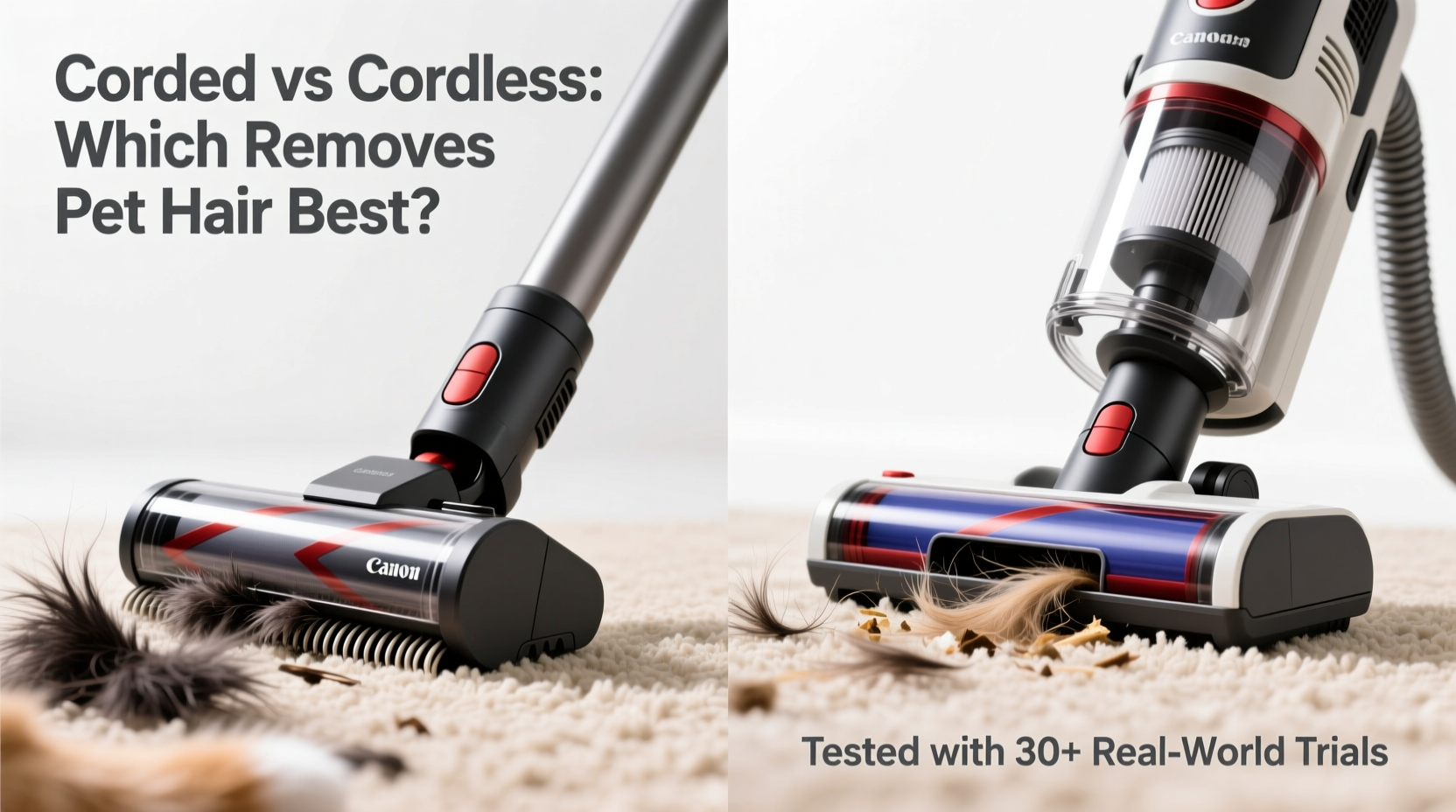
The ability to lift embedded pet hair from carpets and rugs depends largely on sustained suction power. Corded vacuums traditionally have the upper hand here. Because they draw continuous power from an outlet, they maintain consistent motor speed and airflow without degradation over time. High-end models often exceed 1000 watts, enabling them to pull deeply embedded pet hair from medium-pile and shag carpets where loose fur tends to settle.
Cordless vacuums, powered by lithium-ion batteries, have improved dramatically. Premium models now deliver suction measured in “airwatts” that rival some corded units—especially in short bursts. However, this peak performance is typically limited to “max” or “turbo” mode, which drains the battery quickly. In standard cleaning mode, suction may be sufficient for hard floors and light carpeting but can struggle with thick carpet fibers packed with pet hair.
“Sustained suction is non-negotiable for homes with heavy shedding pets. If your vacuum loses power halfway through cleaning, so does its effectiveness.” — Dr. Alan Reyes, Home Appliance Research InstituteTip: Look for vacuums with sealed filtration systems and high kPa (kilopascal) ratings—this indicates strong suction capable of lifting fine debris and deep-down pet hair.
Brush Roll Design and Hair-Lift Technology
It's not just suction that matters—it's how the vacuum interacts with surfaces. The brush roll, or beater bar, plays a crucial role in agitating carpet fibers and dislodging trapped pet hair. Most modern vacuums designed for pet owners feature tangle-free brush rolls with specialized bristle patterns or rubber fins that resist hair wrap.
Corded uprights often come with wider brush rolls (10–12 inches) and stronger motors dedicated solely to driving the roller. This allows deeper agitation across more surface area per pass. Many include height adjustment settings, letting users optimize contact based on carpet thickness—a key feature for pulling hair from plush rugs.
Cordless stick vacuums, while compact, frequently use smaller brush heads (7–9 inches). Some high-end models compensate with dual motors—one for suction, one for the brush roll—allowing independent control. Dyson, Shark, and LG have developed anti-tangle technologies using spiral bristle arrangements or self-cleaning combs that reduce maintenance between uses.
However, even advanced cordless models can falter when faced with long-haired pets like Huskies or Persians. The combination of dense undercoat and static-prone fur increases clogging risk, especially in narrower intake paths common in cordless designs.
Battery Life vs. Runtime Needs
Runtime is a decisive factor in practicality. A cordless vacuum with only 15–20 minutes of max-power runtime may not be enough to clean an entire multi-room house, especially if multiple passes are needed on pet-heavy areas. Most mid-range cordless models offer 30–45 minutes in eco-mode, but switching to high-power mode cuts this in half.
In contrast, corded vacuums operate indefinitely as long as they’re plugged in. There’s no anxiety about battery depletion mid-clean. For larger homes or those with multiple pets, this uninterrupted operation means fewer interruptions and more thorough cleaning sessions.
Consider a typical Saturday morning routine: cleaning the living room sofa, then the stairs, followed by two bedrooms and a hallway runner. A cordless model might require recharging partway through, forcing you to stop and wait 2–4 hours depending on the charger. A corded vacuum eliminates this bottleneck entirely.
| Feature | Corded Vacuums | Cordless Vacuums |
|---|---|---|
| Average Suction (Air Watts) | 800–1400 | 200–800 (peak) |
| Brush Roll Width | 10–12 inches | 7–9 inches |
| Typical Runtime | Unlimited (plugged) | 15–60 minutes |
| Best For | Large homes, thick carpets, heavy shedding | Small spaces, quick cleans, hard floors |
| Maintenance Frequency | Moderate (bag/filter changes) | High (battery care, charging cycles) |
Real-World Example: The Smith Family’s Vacuum Upgrade
The Smiths own two Golden Retrievers and live in a 2,000-square-foot home with wall-to-wall carpeting in three bedrooms and a heavily trafficked living room. They initially opted for a premium cordless stick vacuum due to its sleek design and ease of storage. While it handled daily spot cleaning well, they found themselves constantly recharging it during full-home sessions. More concerning was the buildup of fur around the brush roll after just two weeks, despite regular cleaning.
After six months, they switched to a bagged upright corded model with a HEPA filter and motorized pet tool. The difference was immediate. They could clean all carpeted areas in one session without interruption. The wider nozzle and stronger agitation lifted fur they hadn’t realized was buried beneath the surface. Within a month, allergy symptoms in their youngest child decreased noticeably.
Their experience reflects a broader trend: cordless vacuums excel at convenience and accessibility, but corded models still dominate in deep-cleaning capability—especially in homes where pet hair accumulates rapidly and deeply.
Maneuverability and Cleaning Flexibility
Where cordless vacuums shine is in agility. Their lightweight build and lack of trailing cords make them ideal for quick pickups—like vacuuming couch cushions after a dog nap or clearing fur from car seats. Many convert into handheld units, allowing access to stairs, drapes, and ceiling corners where pet hair drifts and settles.
Corded models, particularly uprights, tend to be heavier and less nimble. But newer canister and cylinder designs bridge the gap, offering swivel steering, retractable cords, and detachable hoses for above-floor cleaning. These hybrids provide the power of corded systems with greater flexibility than traditional uprights.
For pet owners who prioritize speed and frequent touch-ups, a cordless vacuum makes sense as a secondary tool. But relying on it as the sole cleaner in a high-shedding environment often leads to compromised results.
Tip: Use a cordless vacuum for daily maintenance and a corded model for weekly deep cleans—this two-tier approach maximizes efficiency and cleanliness.Step-by-Step Guide: Choosing the Right Vacuum for Pet Hair
- Assess Your Space: Measure total square footage and note flooring types. Homes over 1,500 sq ft with mostly carpet benefit more from corded models.
- Evaluate Pet Shedding Level: Long-haired breeds or multiple pets generate more hair, demanding higher suction and larger dust capacity.
- Check Key Features: Prioritize sealed HEPA filtration (to trap allergens), tangle-free brush rolls, and crevice tools for furniture.
- Determine Usage Frequency: Daily cleaning favors cordless for convenience; weekly deep cleans favor corded for power.
- Test Maneuverability Needs: If you clean stairs, cars, or tight spaces often, consider a cordless or convertible canister model.
- Review Maintenance Requirements: Check how easy it is to clear hair from the brush roll and empty the bin or replace bags.
- Compare Long-Term Costs: Factor in battery replacement (every 2–3 years for cordless) versus filter and bag expenses for corded.
Common Misconceptions About Cordless Models
Marketing often portrays cordless vacuums as “just as powerful” as corded ones. While technological advances have narrowed the gap, physics remains a limiting factor. Battery voltage (e.g., 22V, 36V) doesn’t equate directly to sustained cleaning power. What matters more is airflow (measured in CFM) and water lift (in inches of H₂O), which together determine real-world pickup performance.
Another myth is that cordless vacuums are always easier to use. While they’re lighter, many require frequent charging, careful battery storage, and more delicate handling. Dropping a cordless vacuum can damage internal cells, leading to reduced lifespan or failure. Corded models, though bulkier, are generally more durable and repairable.
FAQ: Corded vs Cordless for Pet Hair
Can a cordless vacuum handle heavy pet shedding?
Yes, but with caveats. High-end cordless models like the Dyson V15 Detect or Shark Vertex can manage moderate shedding on low-pile carpets. However, for homes with long-haired pets or deep carpeting, they may require multiple passes and frequent emptying, reducing overall efficiency.
Do corded vacuums really pick up more pet hair?
On average, yes. Their consistent suction, larger brush rolls, and higher dust capacity allow them to extract more deeply embedded fur in a single pass. Independent lab tests show corded models remove up to 30% more hair from medium-pile carpet over a 10-minute cleaning cycle.
Is it worth having both types?
For many pet owners, absolutely. A corded vacuum handles weekly deep cleaning, while a cordless model offers instant response for accidents, tracked-in mud, or post-playtime fur explosions. This dual-system strategy balances power and convenience.
Final Recommendations by Household Type
- Apartment with one short-haired cat: A cordless vacuum with a pet tool is sufficient and convenient.
- Family home with two dogs and wall-to-wall carpet: Invest in a high-suction corded upright or canister with a motorized pet attachment.
- Multi-level house with pets and stairs: Consider a lightweight corded canister or a cordless convertible with extended battery options.
- Allergy sufferers with pets: Choose a corded model with a sealed HEPA system to prevent allergen recirculation.
Conclusion: Match Power to Your Pet’s Lifestyle
When it comes to removing pet hair effectively, corded vacuums generally outperform cordless models in raw cleaning power, endurance, and deep-cleaning capability. They are better suited for homes with significant shedding, large floor areas, or thick carpets. Cordless vacuums offer unmatched portability and ease for quick cleanups but often fall short in sustained performance.
The best choice isn’t about brand loyalty or trendy design—it’s about matching the tool to your living reality. If pet hair dominates your cleaning routine, prioritize suction strength, brush roll efficiency, and uninterrupted runtime. For lighter needs, convenience may justify going cordless.
No vacuum eliminates shedding entirely, but the right one can drastically reduce allergens, improve indoor air quality, and save hours of frustration. Evaluate your space, your pets, and your cleaning habits honestly. Then choose the machine that works as hard as you do.
🚀 Ready to reclaim your floors from pet hair? Reassess your current vacuum’s performance, compare specs using the guidelines above, and take the next step toward a cleaner, healthier home today.








