Summer brings sunshine, longer days, and outdoor adventures—but for cats, high temperatures can pose real health risks. While felines are naturally equipped to regulate their body temperature, extreme heat can lead to overheating, dehydration, and stress. Some owners turn to cat clothing as a way to protect their pets from sun exposure or insect bites, but not all garments are suitable for warm weather. The key lies in balancing comfort, safety, and style when dressing your cat for summer.
The idea of putting clothes on cats often raises eyebrows, yet for certain breeds—like hairless Sphynxes or light-coated Persians—lightweight summer apparel can offer UV protection and prevent skin irritation. However, any clothing must prioritize breathability, fit, and freedom of movement. This guide explores how to dress your cat appropriately in summer while ensuring they stay cool, calm, and content.
Understanding Your Cat’s Natural Cooling System
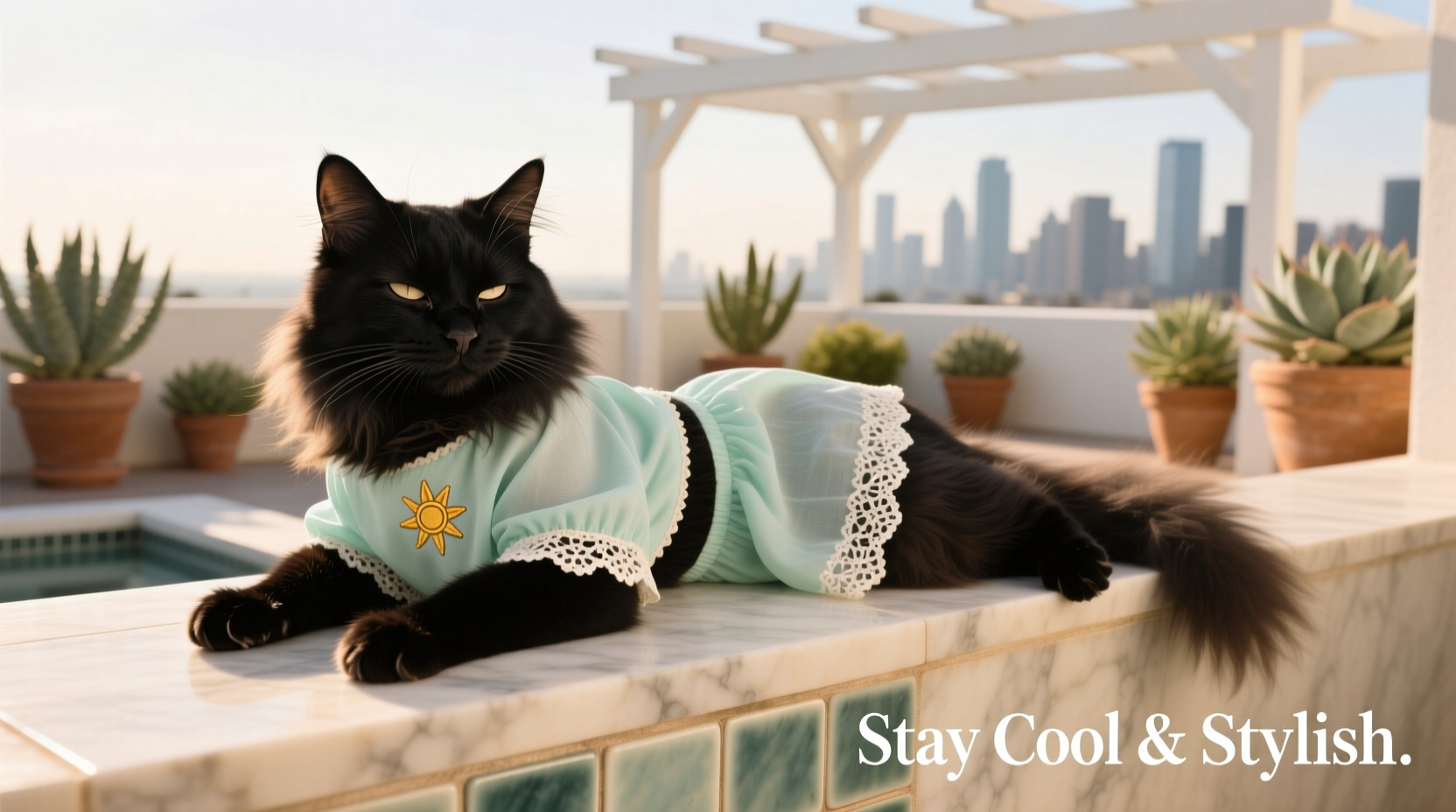
Cats primarily regulate body temperature through panting (rarely), sweating via paw pads, and grooming, where saliva evaporation helps cool the skin. Unlike humans, they don’t have widespread sweat glands, making them more vulnerable to heat stress in hot environments. Signs of overheating include excessive grooming, lethargy, rapid breathing, drooling, and warm ears.
When ambient temperatures rise above 85°F (29°C), especially in humid conditions, even indoor cats can struggle. Air conditioning helps, but sudden changes in environment—like travel or time outdoors—can disrupt their thermal balance. Clothing adds an extra layer that may interfere with natural cooling unless carefully selected.
“Cats rely on minimal barriers between their skin and the environment to dissipate heat. Any clothing should be seen as supplemental protection, never insulation.” — Dr. Lena Torres, Feline Veterinarian & Animal Behavior Specialist
Choosing the Right Summer Cat Clothes: Style Meets Function
Not all cat outfits are created equal. In summer, fashion must take a backseat to function. The ideal summer garment is lightweight, breathable, and designed specifically for thermoregulation. Look for materials like organic cotton, bamboo fiber, or moisture-wicking mesh that allow airflow and reduce moisture buildup.
Fitted designs are preferable to loose, dangling fabrics that could snag or restrict movement. Avoid dark colors, which absorb heat; opt instead for light neutrals or pastels that reflect sunlight. Some brands now produce UV-protective cat tees with UPF 30+ ratings—ideal for white or thin-coated cats prone to sunburn.
Tip: Always supervise your cat during the first few wears of any new clothing to monitor for signs of distress or overheating.Do’s and Don’ts of Summer Cat Apparel
| Do | Don't |
|---|---|
| Choose garments made from breathable, natural fibers | Use synthetic, non-porous fabrics like polyester |
| Select pieces with easy-adjust straps or elastic openings | Force tight collars or restrictive necklines |
| Limited wear (15–30 minutes max in heat) | Leave clothes on overnight or unsupervised |
| Wash frequently to prevent odor and bacterial growth | Reuse unwashed items that trap sweat and allergens |
| Check for chafing or restricted mobility | Ignore signs of discomfort like excessive scratching |
Step-by-Step: Introducing Summer Clothes Safely
Introducing clothing to a cat requires patience and positive reinforcement. Most cats dislike sudden changes in sensation, so gradual acclimation is essential.
- Start with touch: Let your cat sniff and explore the garment before wearing it. Rub it gently on their back to simulate contact.
- First fitting: Place the item loosely over their shoulders for 30 seconds. Reward with treats if they remain calm.
- Short sessions: Increase wear time by 1–2 minutes daily, always monitoring behavior.
- Observe reactions: If your cat paws at the fabric, hides, or grooms excessively, remove the clothing immediately.
- Limit duration: Even in summer, clothing should not be worn for more than 20–30 minutes at a time, especially in warm rooms.
If your cat shows consistent resistance, respect their preference. Comfort should always outweigh aesthetics.
Hydration and Environment: The Real Keys to Summer Comfort
No amount of stylish clothing compensates for poor environmental management. Keeping your cat cool starts with their surroundings. Maintain indoor temperatures between 70–78°F (21–26°C) using fans or air conditioning. Provide multiple shaded resting spots away from direct sunlight.
Encourage hydration with fresh water bowls placed in quiet areas. Many cats prefer flowing water—consider a ceramic pet fountain to stimulate drinking. Add ice cubes to water during peak heat, but avoid freezing the liquid entirely.
For outdoor access, limit time during midday hours (10 a.m.–4 p.m.) when UV rays are strongest. Enclosed catio spaces with shade cloth provide safe enrichment without exposure to predators or traffic.
Tip: Dampen a corner of your cat’s favorite blanket with cool (not cold) water—many cats seek out these micro-cool zones naturally.Mini Case Study: Luna, the Indoor-Outdoor Sphynx
Luna, a three-year-old Sphynx living in Arizona, spends supervised time in a screened patio garden. Her owner, Maria, noticed redness on her ears and nose after just 20 minutes outside in July. Concerned about sun damage, Maria researched protective options and settled on a lightweight, UPF-rated cotton onesie in ivory.
She introduced the garment gradually, pairing each try-on with freeze-dried chicken treats. Within a week, Luna tolerated 15-minute outdoor sessions in the early morning. Maria never leaves the clothing on indoors and ensures Luna has access to a cooled tile floor and misting spray. Over two summers, Luna has avoided sunburn and remained active without signs of overheating.
This case illustrates how targeted clothing, combined with environmental control, can enhance safety without compromising well-being.
Essential Summer Care Checklist
- ✔️ Assess your cat’s coat type and sun sensitivity
- ✔️ Choose breathable, light-colored clothing if needed
- ✔️ Limit clothing wear to short, supervised intervals
- ✔️ Maintain indoor temperatures below 78°F
- ✔️ Offer multiple sources of fresh, cool water
- ✔️ Provide shaded retreats and cooling surfaces
- ✔️ Watch for signs of heat stress: panting, listlessness, warm skin
- ✔️ Never use human sunscreen or insect repellent on cats
Frequently Asked Questions
Can I leave my cat in clothes overnight during summer?
No. Cats need unrestricted movement and skin ventilation, especially at night when they groom and stretch. Clothing left on too long can cause skin irritation, overheating, or entanglement. Always remove garments after short-term use.
Are cooling vests safe for cats?
Some cooling vests use gel inserts or evaporative fabrics, but many are designed for dogs and may not fit cats properly. Improper fit can restrict breathing or cause anxiety. If used, follow manufacturer guidelines strictly and supervise continuously. A cooler environment is safer than relying on wearable tech.
My cat hates clothes—should I still dress them in summer?
No. Forcing clothing on a resistant cat increases stress, which elevates body temperature and defeats the purpose. Instead, focus on providing shade, hydration, and UV-safe indoor spaces. Clothing should never be mandatory—it’s an optional tool for specific needs.
Final Thoughts: Prioritize Comfort Over Couture
Staying stylish in summer shouldn’t come at the cost of your cat’s well-being. While trendy cat clothes can be fun for photos or special occasions, they must never compromise comfort or safety. The most effective way to keep your cat cool is through thoughtful environmental management—not fabric choices.
If you choose to use clothing, do so sparingly, wisely, and only when there’s a clear benefit—such as medical protection or sun sensitivity. Always put your cat’s natural behaviors and physiological needs first. A relaxed, hydrated, and content feline is far more fashionable than any outfit could make them.
💬 Have experience dressing your cat for summer? Share your tips or lessons learned in the comments—your insight could help fellow cat lovers make safer, smarter choices!