The Christmas tree is the centerpiece of holiday decor, but its base deserves just as much attention. A well-chosen tree skirt not only hides the stand but also ties the entire look together—bridging the tree’s theme with the rest of your room. With options ranging from homespun burlap to opulent velvet, selecting the right style isn’t just about aesthetics; it’s about reflecting your home’s character and your personal taste.
Today’s tree skirts go beyond tradition. Whether you live in a modern loft, a cozy farmhouse, or a luxurious penthouse, there’s a skirt that enhances your space without competing with it. The key lies in understanding fabric, color, pattern, and proportion in context. Let’s explore the most popular Christmas tree skirt styles and how they align with different interior design philosophies.
Rustic Charm: Burlap and Linen Skirts
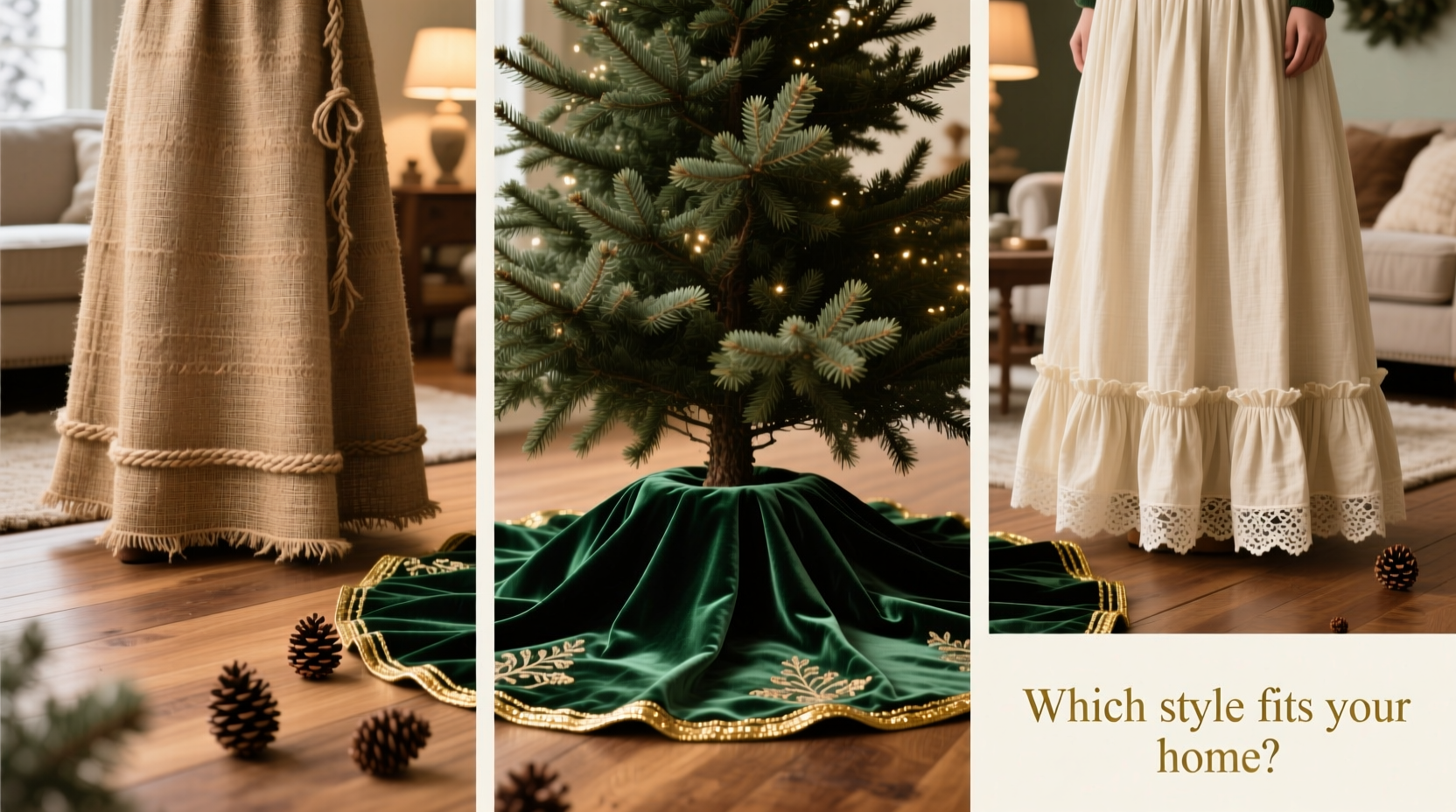
Burlap and natural linen tree skirts are staples of the rustic, farmhouse, and cottage-style home. Their appeal lies in their simplicity and authenticity. These materials bring texture and warmth, evoking memories of handmade ornaments and family gatherings around wood stoves.
A burlap skirt often features frayed edges, twine accents, or embroidered details like snowflakes, reindeer, or “Noel” in earthy thread. It pairs beautifully with trees decorated in pinecones, dried citrus slices, and neutral-toned baubles. Linen versions offer a slightly more refined edge—still casual, but with a softer drape and cleaner finish.
These fabrics work especially well in homes where sustainability and minimalism are priorities. They’re typically machine-washable or spot-clean friendly, making them practical for families with pets or young children.
Tip: To soften a new burlap skirt, wash it once in cold water with a cup of white vinegar to reduce stiffness and potential shedding.Coastal and Scandinavian Influence: Knit and Crochet Skirts
Knit and crochet tree skirts have surged in popularity, particularly among lovers of Scandinavian hygge and coastal cottage aesthetics. Made from thick cotton yarn or wool blends, these skirts mimic the coziness of a hand-knit sweater. Common patterns include cable knits, Nordic stars, snowflakes, and geometric motifs in ivory, gray, or muted pastels.
The tactile nature of knit skirts adds dimension under a tree, especially when paired with matte-finish ornaments and warm white lights. Because they're often handmade or artisan-produced, no two are exactly alike—a feature that appeals to those who value individuality in decor.
They do require more care than flatweave fabrics. Hand washing or gentle machine cycles are recommended, and they should be laid flat to dry to prevent stretching. For pet owners, consider a tightly woven version to resist snagging.
“Textural contrast elevates holiday decor. A knit skirt under a glossy tree creates visual balance that feels inviting, not overwhelming.” — Lena Peterson, Interior Stylist & Holiday Design Consultant
Classic Elegance: Velvet and Satin Skirts
Velvet and satin tree skirts represent the pinnacle of traditional holiday luxury. Deep jewel tones like emerald green, burgundy, navy, and black are common, though ivory and gold also make bold statements. These skirts catch the light from tree bulbs, creating a shimmering effect that radiates warmth and sophistication.
Vintage-inspired designs may include tassels, ruching, or metallic embroidery. Some high-end versions even feature double layers—one in velvet, another in contrasting satin—for a dramatic reveal when viewed from below.
Velvet is ideal for formal living rooms, dining areas, or homes with traditional architecture. It complements glass ornaments, mercury glass accents, and candlelit centerpieces. However, it can show pet hair and dust more readily, so regular vacuuming with a brush attachment is advisable.
Satin skirts, while lustrous, are more delicate. They suit low-traffic spaces or homes without pets. If spills occur, immediate blotting with a clean cloth is essential—never rub.
Modern Minimalism: Felt and Geometric Designs
For contemporary homes with clean lines and monochromatic palettes, felt and geometric tree skirts offer understated elegance. Felt skirts come in solid colors—often black, white, gray, or rust—and sometimes feature cut-out patterns like stars, triangles, or abstract silhouettes.
Their flat, non-draping structure suits minimalist trees adorned with a single ornament type or spaced intentionally for negative space. These skirts pair well with mid-century modern furniture, concrete floors, and gallery walls.
Felt is naturally stain-resistant and easy to maintain. Most can be wiped down with a damp cloth. While not as plush as other fabrics, their durability makes them excellent for households with active lifestyles.
Geometric skirts, particularly those with angular hems or layered tiers, are conversation starters. They reflect a design-forward mindset, appealing to urban dwellers and younger homeowners who want to break from tradition without losing holiday spirit.
Luxury Meets Whimsy: Embellished and Designer Skirts
Some tree skirts transcend function and become art pieces. These include skirts with beadwork, sequins, faux fur trims, or custom embroidery. Brands like Pottery Barn, Anthropologie, and Etsy artisans produce limited-run designs that command attention.
Faux fur skirts, often in white or silver, evoke a winter wonderland theme. They work exceptionally well in bedrooms, nurseries, or glam-themed trees with mirrored ornaments and silver garlands.
Embellished skirts require careful storage. They should be rolled or loosely folded with tissue paper between layers to prevent crushing delicate details. Due to their intricate construction, most are spot-clean only.
While undeniably luxurious, these skirts risk appearing kitschy if overmatched. The rule of thumb: let the skirt be the statement. Keep the rest of the tree simple—monochrome ornaments, uniform spacing, and soft lighting enhance rather than compete.
Choosing the Right Skirt for Your Home: A Practical Guide
Selecting a tree skirt isn’t just about matching colors—it’s about harmony. Consider these factors before purchasing:
- Room Function: High-traffic areas need durable, easy-to-clean fabrics.
- Tree Size: Larger trees (7+ feet) need wider skirts (60–72 inches in diameter) to avoid exposed floor.
- Color Palette: Choose a skirt that echoes at least one dominant color in your tree or room.
- Style Consistency: A modern tree with geometric ornaments clashes with a heavily embroidered Victorian skirt.
- Pet and Child Safety: Avoid loose threads, small embellishments, or toxic dyes if toddlers or pets are present.
Comparing Tree Skirt Materials: Pros, Cons, and Best Uses
| Material | Pros | Cons | Best For |
|---|---|---|---|
| Burlap/Linen | Natural texture, eco-friendly, affordable, easy to store | Can shed fibers, less durable over time, shows stains easily | Farmhouse, cottage, rustic, minimalist homes |
| Knit/Crochet | Cozy, handmade feel, great for texture layering | Requires gentle cleaning, can stretch or snag | Scandinavian, coastal, hygge-inspired interiors |
| Velvet/Satin | Luxurious sheen, rich color depth, elegant drape | Shows dust/pet hair, prone to crushing, harder to clean | Traditional, formal, vintage, or luxe décors |
| Felt | Durable, stain-resistant, modern look, lightweight | Lacks softness, can feel flat visually | Contemporary, minimalist, urban lofts |
| Embellished/Faux Fur | High visual impact, unique designs, festive flair | Expensive, difficult to store, spot-clean only | Themed trees, photo-worthy spaces, special occasions |
Real-Life Example: Matching a Skirt to a Changing Home
Sarah, a designer in Portland, updated her tree skirt three times over five years—each change reflecting a shift in her lifestyle and home aesthetic.
In year one, she used a burlap skirt with a jute rope border in her rented cottage. The tree was adorned with handmade clay ornaments and cinnamon sticks. The skirt grounded the scene in warmth and simplicity.
By year three, she moved into a downtown condo with floor-to-ceiling windows and polished concrete floors. She switched to a black felt skirt with a laser-cut starburst pattern. Paired with a slim silver tree and clear orbs, it created a sleek, gallery-like display.
In year five, after having a child, she opted for a reversible knit skirt—cream on one side, forest green on the other. Durable, soft, and machine-washable, it balanced style with practicality. The change wasn’t just about looks; it reflected her evolving priorities.
Sarah’s journey illustrates that a tree skirt isn’t a one-time purchase. It can—and should—evolve with your life.
Step-by-Step: How to Style Your Tree Skirt Like a Pro
- Clear the area: Remove furniture or rugs near the tree base to allow full access.
- Position the tree stand: Center it precisely over the skirt’s midpoint. Many skirts have an opening with ties or Velcro—align carefully.
- Drape evenly: Adjust the fabric so folds radiate outward uniformly. Avoid bunching on one side.
- Layer thoughtfully: Place larger presents toward the back, smaller ones in front. Use boxes in coordinating colors to extend the skirt’s palette.
- Add finishing touches: Tuck in faux pine sprigs, battery-powered micro lights, or decorative tags for extra charm.
- Final check: View from multiple angles, including seated and doorway perspectives, to ensure balance.
FAQ: Common Questions About Christmas Tree Skirts
Can I make my own tree skirt?
Absolutely. DIY skirts are popular among crafters. Felt and flannel are beginner-friendly fabrics. Simple round templates can be drawn using a plate or compass method. Sew or glue layers together, then add trim or appliqués for personality.
How do I clean a stained tree skirt?
First, identify the fabric. For burlap or cotton, spot-treat with mild soap and cold water. For velvet, use a fabric-safe foam cleaner and a soft brush. Always test on a hidden area first. Never saturate embellished sections.
Are there eco-friendly tree skirt options?
Yes. Look for organic cotton, hemp, or upcycled textiles. Some brands offer biodegradable felt or skirts made from recycled plastic bottles. DIY projects using old quilts or sweaters also reduce waste and add sentimental value.
Checklist: Choosing and Using Your Ideal Tree Skirt
- ☐ Measure your tree’s base and choose a skirt 12–18 inches larger in diameter
- ☐ Match the skirt’s style to your room’s overall decor (e.g., rustic, modern, luxe)
- ☐ Consider household factors: pets, kids, traffic patterns
- ☐ Check care instructions—can it be machine washed? Does it need special storage?
- ☐ Coordinate colors with your tree ornaments and room accents
- ☐ Plan for presentation: will gifts complement or cover the skirt?
- ☐ Store properly after use: clean, fold/roll gently, keep in breathable container
Conclusion: Make Your Base as Memorable as the Top
The top of your tree may catch the eye first, but the base sets the tone. A thoughtfully chosen Christmas tree skirt completes the narrative—whether it’s one of heritage, modernity, comfort, or glamour. From the humble burlap to the lavish velvet, each style tells a story about how you live and celebrate.
This season, don’t treat the skirt as an afterthought. Let it be intentional. Choose one that resonates with your space today, knowing it can change tomorrow. After all, the most beautiful decor isn’t perfect—it’s personal.
💬 Which tree skirt style reflects your home this year? Share your favorite in the comments and inspire others to find their perfect match.








