Choosing a gift for someone studying psychology can be both rewarding and challenging. These students are often curious, introspective, and driven by a deep interest in human behavior, cognition, and emotion. A well-chosen gift can not only bring joy but also support their studies, spark new ideas, or simply offer a moment of calm amid demanding coursework. Whether they're an undergrad immersed in research methods or a grad student analyzing behavioral patterns, the right present bridges personal interest with academic passion.
The best gifts for psychology majors go beyond novelty mugs or generic journals. They reflect an understanding of what truly engages these learners: intellectual stimulation, emotional insight, and tools that enhance focus and mental clarity. From classic textbooks to modern neuroscience gadgets, this guide explores meaningful, practical, and inspiring options that resonate with the psychological mindset.
Books That Deepen Understanding and Inspire Thought
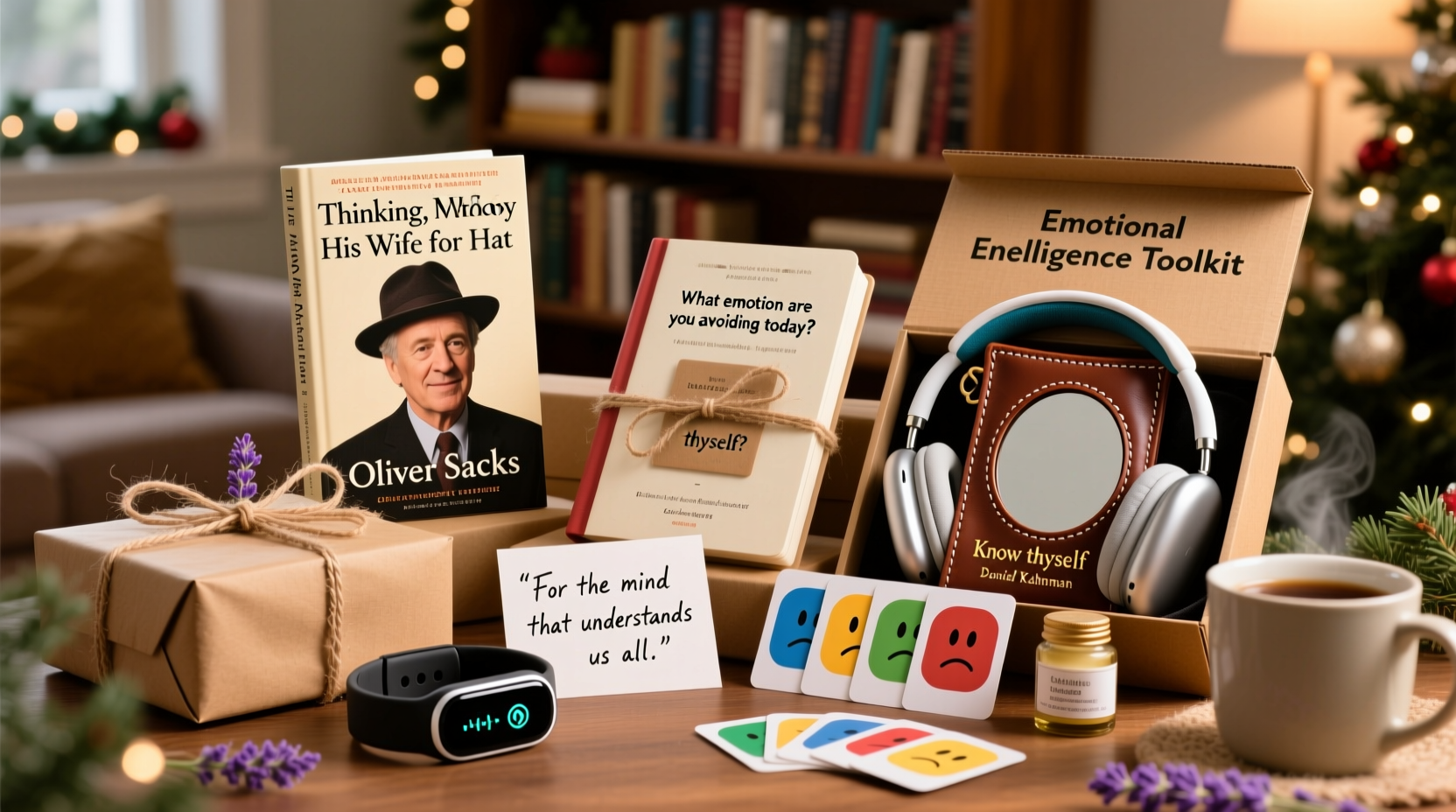
No gift speaks more directly to a psychology major than a book that challenges assumptions, introduces new frameworks, or tells compelling stories about the mind. The right read can become a trusted companion through late-night study sessions or clinical rotations.
Consider works that blend scientific rigor with narrative appeal. Oliver Sacks’ *The Man Who Mistook His Wife for a Hat* remains a cornerstone for its compassionate exploration of neurological disorders through real patient stories. It’s accessible yet profound—a perfect balance for students who appreciate both science and humanity.
For those interested in cognitive biases and decision-making, Daniel Kahneman’s *Thinking, Fast and Slow* is essential. It unpacks decades of research into intuitive versus deliberate thinking, offering insights applicable not just in psychology but in everyday life. Similarly, Robert Cialdini’s *Influence: The Psychology of Persuasion* provides actionable knowledge on social dynamics—ideal for future therapists, marketers, or educators.
Tip: Pair any book with a set of reflective questions or a guided journal prompt to encourage deeper engagement.If your recipient leans toward clinical psychology, Irvin D. Yalom’s *Love’s Executioner* offers a rare glimpse into actual therapy sessions, blending existential themes with therapeutic technique. For developmental psychology enthusiasts, Alison Gopnik’s *The Philosophical Baby* reframes infancy as a period of intense cognitive discovery—perfect for those fascinated by early learning.
“Reading transforms theory into lived experience. The best psychology books don’t just inform—they invite self-reflection.” — Dr. Lena Torres, Professor of Cognitive Psychology at Boston University
Smart Gadgets That Support Focus and Mental Wellness
Psychology students often juggle heavy reading loads, data analysis, and emotionally taxing material. Tools that promote concentration, reduce stress, or improve sleep hygiene can be invaluable during exam season or clinical placements.
A high-quality noise-canceling headset like the Sony WH-1000XM5 or Apple AirPods Pro helps block distractions in shared spaces while supporting mindfulness practices. Paired with apps like Headspace or Calm, these devices create a sanctuary for focused study or post-class decompression.
Consider a smart desk lamp with adjustable color temperature, such as the BenQ ScreenBar Halo. Its auto-dimming feature reduces eye strain during long reading sessions, while warm lighting in the evening supports circadian rhythm regulation—an important concept in biological psychology.
- Fitness trackers (e.g., Fitbit Charge 6 or Garmin Venu) monitor heart rate variability (HRV), a physiological marker increasingly studied in stress and emotion regulation.
- Sleep monitors like the Withings Sleep Analyzer provide detailed reports on sleep cycles, useful for students exploring psychophysiology.
- Digital notepads such as the reMarkable 2 or iPad with Apple Pencil streamline note-taking and allow annotation of research papers without printing.
For those diving into neuroscience or biopsychology, a basic EEG headset like the Muse S offers real-time brainwave feedback during meditation. While not clinical-grade, it introduces concepts of neurofeedback in an engaging, hands-on way—great for sparking interest in applied neuropsychology.
Do’s and Don’ts When Choosing Tech Gifts
| Do | Don't |
|---|---|
| Choose devices that integrate with existing workflows (e.g., cloud sync, app compatibility) | Assume they need the most expensive model—sometimes simpler tools work better |
| Prioritize battery life and portability for students on the go | Overlook accessibility features (voice control, screen readers, etc.) |
| Include a short guide on how the gadget relates to psychological concepts | Give overly complex tech without setup support |
Thoughtful, Personalized Picks Beyond the Obvious
Sometimes the most memorable gifts aren’t textbooks or gadgets—but items that acknowledge the emotional labor of studying the mind. Psychology majors frequently engage with difficult topics: trauma, mental illness, ethical dilemmas. A gift that honors this depth shows genuine understanding.
Personalized items like a custom star map of the night sky on the day they declared their major, or a hand-lettered quote from Carl Jung or Karen Horney, add sentimental value. Engraved pens with motivational phrases (“Listen deeply,” “Observe without judgment”) make excellent desk accessories.
Mindfulness kits—including a soy candle, herbal tea sampler, and linen eye mask—offer tangible ways to practice self-care, a crucial skill for aspiring clinicians. Pair it with a small card reminding them: “You can’t pour from an empty cup.”
Tip: Add a handwritten note reflecting on a conversation you had about human behavior—it reinforces connection and shows attentiveness.Art prints featuring vintage brain diagrams, Freudian psychoanalytic models, or colorful representations of neurotransmitters combine aesthetics with academic relevance. Etsy hosts many independent artists creating psychology-themed illustrations that double as decor and conversation starters.
Mini Case Study: A Gift That Sparked a Research Idea
Sophia, a third-year psychology student at the University of Michigan, received a journal titled *The Reflective Practitioner* as a holiday gift from her advisor. Unlike standard notebooks, this one included weekly prompts: “What surprised you in session today?” and “How did your own mood influence your observations?”
Within weeks, she began noticing patterns in her fieldwork notes—particularly how her energy levels affected client engagement. This observation evolved into an independent study project examining therapist fatigue and empathy accuracy, which she later presented at a regional conference.
“That journal didn’t just hold my thoughts,” she said. “It shaped how I thought. It turned routine reflection into a research opportunity.”
Step-by-Step Guide to Choosing the Perfect Gift
Selecting a meaningful gift doesn’t require guesswork. Follow this process to ensure your choice aligns with the recipient’s interests and stage of study.
- Assess Their Subfield Interest: Are they drawn to clinical, cognitive, developmental, social, or neuropsychology? A social psych student might love *Quiet* by Susan Cain on introversion, while a neuroscience-focused learner may prefer *Behave* by Robert Sapolsky.
- Consider Practical Needs: Do they commute? Need portable gear? Struggle with focus? Match the gift to daily challenges.
- Evaluate Emotional Tone: Is the person overwhelmed? Choose calming, restorative gifts. If they’re energized and curious, lean into intellectually stimulating options.
- Add a Layer of Meaning: Include a note explaining why you chose the item. Example: “I remembered our talk about memory distortion—this book dives into that perfectly.”
- Wrap with Intention: Use recycled paper with a psychology-themed sticker or a ribbon in their school colors. Presentation amplifies impact.
“The most powerful gifts are those that say, ‘I see you—not just your major, but your mind.’” — Dr. Marcus Reed, Counseling Psychologist and Author
FAQ
Are pop psychology books appropriate gifts?
Some pop psychology titles offer engaging entry points, but choose carefully. Avoid oversimplified or pseudoscientific claims. Stick to authors with academic credentials or strong research backing, like Angela Duckworth (*Grit*) or Matthew Walker (*Why We Sleep*).
Is it okay to give humor-based psychology gifts?
Yes—if the recipient has a sense of humor about the field. T-shirts saying “I analyze people for free” or mugs with “Talk Therapy Mode: Activated” can be fun, but avoid jokes that trivialize mental illness. Know your audience.
What if I don’t know much about psychology?
Focus on universal needs: comfort, focus, organization. A premium notebook, quality headphones, or a cozy blanket with a thoughtful note still lands well. You don’t need a degree to give a meaningful gift.
Checklist: Last-Minute Gift Selection
- ✅ Identify the recipient’s specialization or favorite course
- ✅ Review recent conversations for hints about interests
- ✅ Decide between educational, practical, or emotional value
- ✅ Confirm compatibility (e.g., device OS, book format preference)
- ✅ Write a personalized message connecting the gift to their journey
- ✅ Schedule delivery or wrap neatly with care
Conclusion: Give with Insight
Gifting for a psychology major isn’t about impressing with complexity—it’s about showing that you understand their world. Whether it’s a groundbreaking book, a tool that aids concentration, or a quiet gesture of emotional support, the best presents mirror the very principles they study: empathy, attention, and intentionality.
In a field where listening matters more than speaking, where nuance shapes understanding, your thoughtfulness can speak volumes. As the holidays approach, let your gift be more than an object—an invitation to reflect, recharge, and continue exploring the intricate landscape of the human mind.
💬 Found the perfect gift idea? Share your favorite psychology-related present in the comments and help others find meaningful inspiration!








