Among the world’s most beloved spices, cinnamon holds a revered place in kitchens across cultures. Yet not all cinnamon is created equal. While many consumers reach for the common cassia variety without realizing it, true gourmets and health-conscious cooks know that Ceylon cinnamon—often called “true cinnamon”—offers superior flavor, safety, and versatility. Grown primarily in Sri Lanka, this delicate spice delivers a nuanced sweetness with citrusy undertones, making it ideal for both baking and savory applications. Understanding how to identify, store, and use Ceylon cinnamon can elevate your cooking while minimizing exposure to coumarin, a compound found in higher concentrations in cassia cinnamon. This guide explores the science, sensory profile, and culinary artistry behind Ceylon cinnamon, offering practical advice on storage, substitution, pairing, and long-term preservation.
Definition & Overview
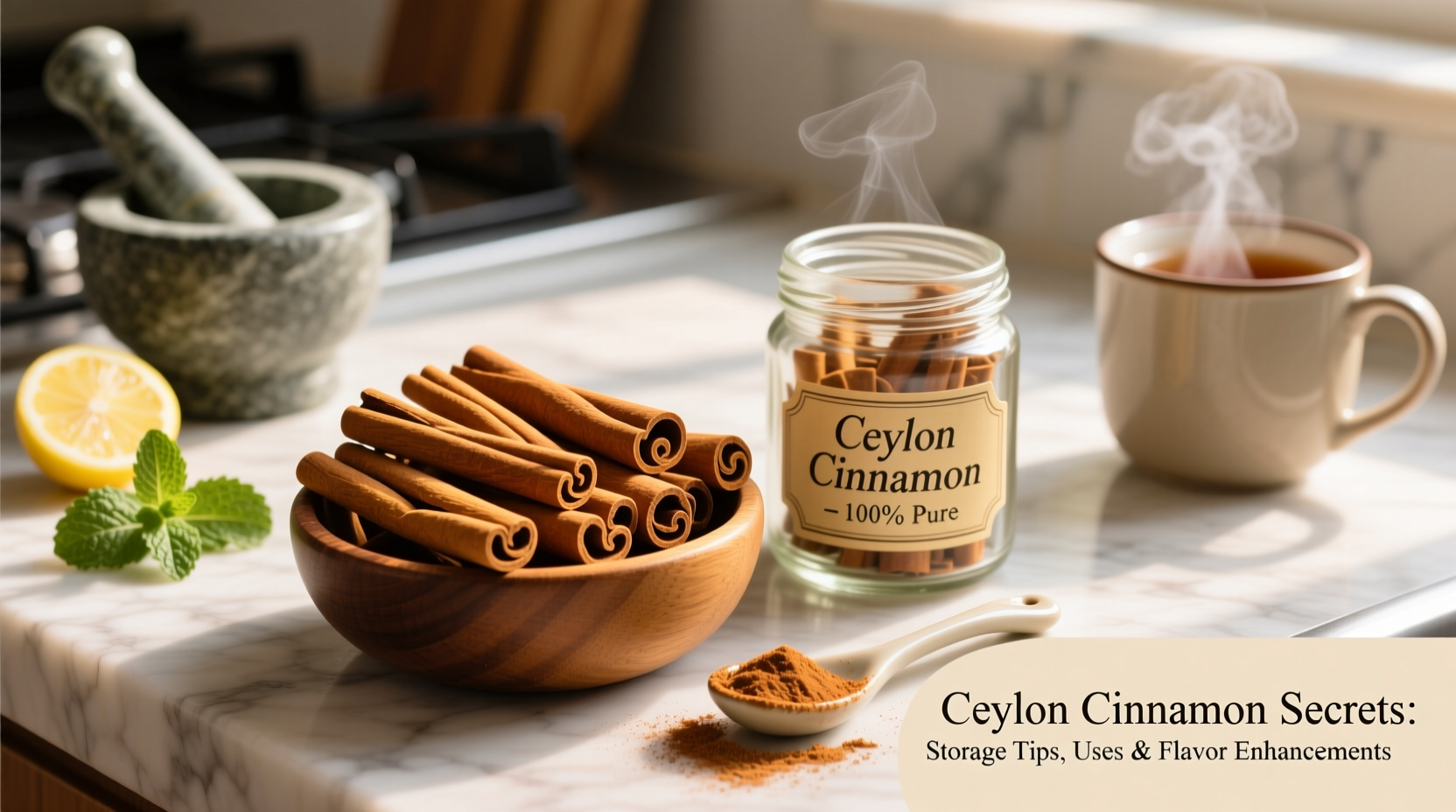
Ceylon cinnamon (Cinnamomum verum) is an evergreen tree native to Sri Lanka, formerly known as Ceylon—hence the name. The spice is derived from the inner bark of the tree, which is carefully harvested, rolled into thin quills, and dried. Unlike its more widely available cousin, cassia cinnamon (Cinnamomum cassia), Ceylon cinnamon forms multiple layered tubes that resemble parchment scrolls, giving it a lighter color and more fragile texture.
This distinction isn't merely aesthetic. Ceylon cinnamon contains significantly lower levels of coumarin—a naturally occurring compound that can be harmful to the liver in large doses—making it safer for regular consumption. It also boasts a more refined flavor profile: subtly sweet, mildly spicy, and slightly citrusy, with floral notes that unfold gradually when heated. These qualities make it especially prized in fine patisserie, herbal infusions, and traditional medicinal preparations.
Key Characteristics of Ceylon Cinnamon
| Attribute | Description |
|---|---|
| Botanical Name | Cinnamomum verum |
| Origin | Sri Lanka (primary), with smaller cultivation in India, Madagascar, and Seychelles |
| Flavor Profile | Delicate, sweet, warm, with hints of citrus and honey; less pungent than cassia |
| Aroma | Soft, floral, slightly woody with a fresh top note |
| Appearance (Stick Form) | Multiple thin layers forming a hollow quill; light tan to pale brown; brittle texture |
| Appearance (Ground) | Fine powder, lighter in color than cassia—more beige than reddish-brown |
| Coumarin Content | Very low (typically under 0.017% by weight) |
| Shelf Life (Properly Stored) | 2–3 years for ground, up to 4 years for whole sticks |
| Culinary Function | Flavor enhancer, aromatic base, natural preservative, digestive aid |
Variants & Types
Ceylon cinnamon is available in several physical forms, each suited to different culinary purposes:
- Whole Sticks (Quills): Ideal for infusing liquids such as syrups, poaching liquids, rice dishes, and mulled wine. They retain their potency longer and are preferred for long-term storage.
- Ground Powder: Convenient for baking, spice blends, smoothies, and rubs. More volatile in flavor due to increased surface area.
- Essential Oil: Highly concentrated extract used in aromatherapy and occasionally in minute quantities in confectionery. Not recommended for general cooking.
- Chips or Broken Pieces: Small fragments of bark used in decoctions, chai brewing, or slow-cooked stews where full infusion is desired but stick removal may be inconvenient.
When purchasing, look for labels specifying “Ceylon cinnamon” or “Cinnamomum verum.” Avoid vague terms like “cinnamon” alone, which often indicate cassia. Premium grades include Alba (finest grade, thinnest bark), Continental, Mexican, and Hamburg, differentiated by thickness, origin, and layer count.
TIP: To verify authenticity, break a stick. True Ceylon cinnamon will snap cleanly into multiple concentric layers, while cassia tends to fracture jaggedly as a single thick piece.
Comparison with Similar Ingredients
The confusion between Ceylon and cassia cinnamon is widespread—even among professional chefs. Understanding the differences ensures better flavor control and dietary safety.
| Feature | Ceylon Cinnamon | Cassia Cinnamon |
|---|---|---|
| Bark Structure | Multiple thin rolls, loosely packed | Single thick roll, dense |
| Color | Pale tan to light brown | Dark reddish-brown |
| Taste | Mild, sweet, complex | Strong, sharp, slightly bitter |
| Coumarin Level | Low (safe for daily use) | High (limit intake, especially for children and those with liver conditions) |
| Price | Higher due to labor-intensive harvesting | Lower, mass-produced |
| Common Use Regions | Europe, Latin America, specialty markets | United States, Asia, commercial food production |
“In French pastry, we always use Ceylon cinnamon. Its subtlety allows other ingredients—like vanilla or almond—to shine. Cassia overpowers.” — Julien Bompard, Executive Pastry Chef, Le Cordon Bleu Paris
Practical Usage: How to Use Ceylon Cinnamon in Cooking
Ceylon cinnamon’s gentle warmth makes it exceptionally versatile. Because it doesn’t dominate a dish, it integrates seamlessly into both sweet and savory preparations, enhancing depth without heat.
Sweet Applications
In baking, Ceylon cinnamon excels where balance matters. Replace cassia one-to-one in recipes for:
- Apple pie and fruit crisps: Allows fruit flavors to remain bright; prevents the metallic aftertaste sometimes associated with cassia.
- Churros and doughnuts: Mix ground Ceylon with sugar for coating—its sweeter profile reduces the need for added sugar.
- French toast custard: Infuse milk with a broken stick before adding eggs for a refined aroma.
- Hot chocolate and golden milk: Combine with cardamom and nutmeg for a warming, aromatic drink.
Savory Dishes
Ceylon cinnamon plays a crucial role in global savory cuisines:
- Rice Pilafs (Middle Eastern & Indian): Add one small stick to basmati rice during boiling. Remove before serving. Pairs beautifully with saffron, cloves, and star anise.
- Tagines (North African): A staple in Moroccan spice blends like ras el hanout. Complements lamb, apricots, and preserved lemons.
- Bean & Lentil Stews: Enhances earthiness without overwhelming legumes. Works well with cumin and coriander.
- Braised Meats: Include in marinades or braising liquids for beef short ribs or duck confit for subtle warmth.
Pairing Suggestions & Ratios
To maximize flavor synergy, consider these pairings:
- Dairy: Vanilla, nutmeg, ginger, orange zest
- Fruit: Apples, pears, peaches, bananas, cherries
- Nuts: Almonds, walnuts, pecans
- Spices: Cardamom, clove, allspice, star anise
- Liquids: Honey, maple syrup, dark rum, red wine
Usage Ratio Guide:
- Per cup of dry ingredient (flour, rice): ¼ to ½ tsp ground Ceylon cinnamon
- Per quart of liquid (soups, stews, beverages): 1 small stick or ½ tsp ground
- For spice blends (e.g., pumpkin spice): Use 1 part Ceylon cinnamon to ½ part nutmeg, ¼ part allspice, ¼ part ginger
- Infused oils or syrups: Simmer 1 stick per 1 cup liquid for 10–15 minutes, then strain
PRO TECHNIQUE: Toast whole Ceylon sticks lightly in a dry pan before grinding to intensify aroma. Cool completely before crushing with a mortar and pestle or spice grinder for maximum freshness.
Storage Tips for Maximum Shelf Life
Proper storage is essential to preserve Ceylon cinnamon’s volatile oils and prevent moisture absorption or oxidation.
- Use Airtight Containers: Store in glass jars with tight-fitting lids. Amber-colored bottles help block UV light if storing near windows.
- Keep Cool and Dry: Ideal temperature: 60–70°F (15–21°C). Avoid proximity to stoves, dishwashers, or refrigerators that emit heat.
- Minimize Air Exposure: Transfer bulk purchases into smaller containers to reduce headspace and oxygen contact.
- Do Not Refrigerate Ground Cinnamon: Condensation leads to clumping and mold. Whole sticks may be stored in freezer for ultra-long preservation (up to 5 years).
- Label with Purchase Date: Track freshness. Ground loses potency after 24 months; sticks last up to 48 months.
To test freshness, crush a small amount between fingers and inhale. Fresh Ceylon cinnamon should release a sweet, floral scent. If odorless or musty, discard.
Substitutions & When to Avoid Them
While substitutions are possible, they come with trade-offs:
- Cassia Cinnamon → Ceylon: Yes, use equal amounts. Expect milder flavor; you may increase by 25% if desired intensity isn’t achieved.
- Ceylon → Cassia: Possible in robust dishes (e.g., gingerbread), but avoid in delicate desserts or daily supplements due to high coumarin.
- Apple Pie Spice: Contains cinnamon but also nutmeg, allspice, and sometimes ginger. Substitute only if complementary flavors align.
- Pumpkin Pie Spice: Can replace Ceylon in fall baking, but adjust other spices accordingly.
There is no true substitute for the elegance of Ceylon cinnamon in refined applications. For medicinal teas or children’s recipes, never substitute cassia without adjusting dosage.
Practical Tips & FAQs
Is Ceylon cinnamon worth the higher price?
Yes, particularly for regular use. Its lower coumarin content makes it safer for daily consumption, and its superior flavor justifies the cost in gourmet cooking. A little goes further due to its aromatic efficiency.
Can I grow my own Ceylon cinnamon tree?
Outside tropical zones (USDA Zones 9–11), it's challenging. However, dwarf varieties can be grown indoors in pots with high humidity and indirect sunlight. Harvesting bark requires at least two years of growth and careful technique.
How much Ceylon cinnamon is safe per day?
Up to 1 teaspoon (2–3 grams) of ground Ceylon cinnamon daily is considered safe for adults. This equates to roughly 30–60 mg of coumarin, well below the European Food Safety Authority’s tolerable limit of 0.1 mg/kg body weight per day.
Does Ceylon cinnamon have health benefits?
Studies suggest potential benefits including blood sugar regulation, anti-inflammatory effects, and antioxidant activity. However, most research uses concentrated extracts. Culinary use supports wellness but should not replace medical treatment.
Why does my recipe call for \"cinnamon\" without specifying type?
Historically, cassia dominated Western markets due to availability and shelf strength. As awareness grows, more modern cookbooks specify Ceylon for accuracy. Always check context: American apple pie recipes often assume cassia; French or Mexican recipes likely intend Ceylon.
Can I use Ceylon cinnamon in coffee?
Absolutely. Add a pinch of ground Ceylon to coffee grounds before brewing, or stir a small amount directly into brewed coffee with honey or milk. It enhances sweetness perception without sugar.
Summary & Key Takeaways
Ceylon cinnamon stands apart as the refined choice for discerning cooks and health-aware consumers. With its delicate sweetness, layered structure, and minimal coumarin content, it offers a safer, more elegant alternative to common cassia cinnamon. Whether used in a Moroccan tagine, a French custard tart, or a morning smoothie, its nuanced flavor elevates dishes without overpowering them.
Key points to remember:
- Always check labels: Look for “Ceylon” or “Cinnamomum verum” to ensure authenticity.
- Store whole sticks in airtight containers away from heat and light to preserve potency.
- Use in both sweet and savory dishes—from baked goods to rice pilafs and stews.
- Toast whole quills lightly before grinding to enhance aroma.
- Limit daily intake of cassia due to high coumarin; Ceylon is preferable for regular use.
- Pair with complementary spices like cardamom, nutmeg, and clove for balanced blends.
Take Action Today: Replace your current cinnamon jar with authentic Ceylon cinnamon. Start with a simple application—infuse a stick into your next batch of oatmeal or hot tea—and experience the difference in aroma and finish. Your palate—and your body—will thank you.