When it comes to equipping your kitchen with the right tools, few decisions carry as much weight as choosing the right cookware. Non-stick pans have long been a favorite for their convenience, but concerns about chemicals like PFOA and PFAS have driven many home cooks toward ceramic alternatives. But is ceramic cookware truly safer than traditional non-stick? And what trade-offs exist in performance, longevity, and health implications?
This article dives deep into the science, safety standards, and real-world use of both ceramic and conventional non-stick cookware. By understanding how each is made, what they're coated with, and how they behave under heat, you can make an informed decision that aligns with your health goals and cooking habits.
Understanding Non-Stick Cookware: What’s Really in That Coating?
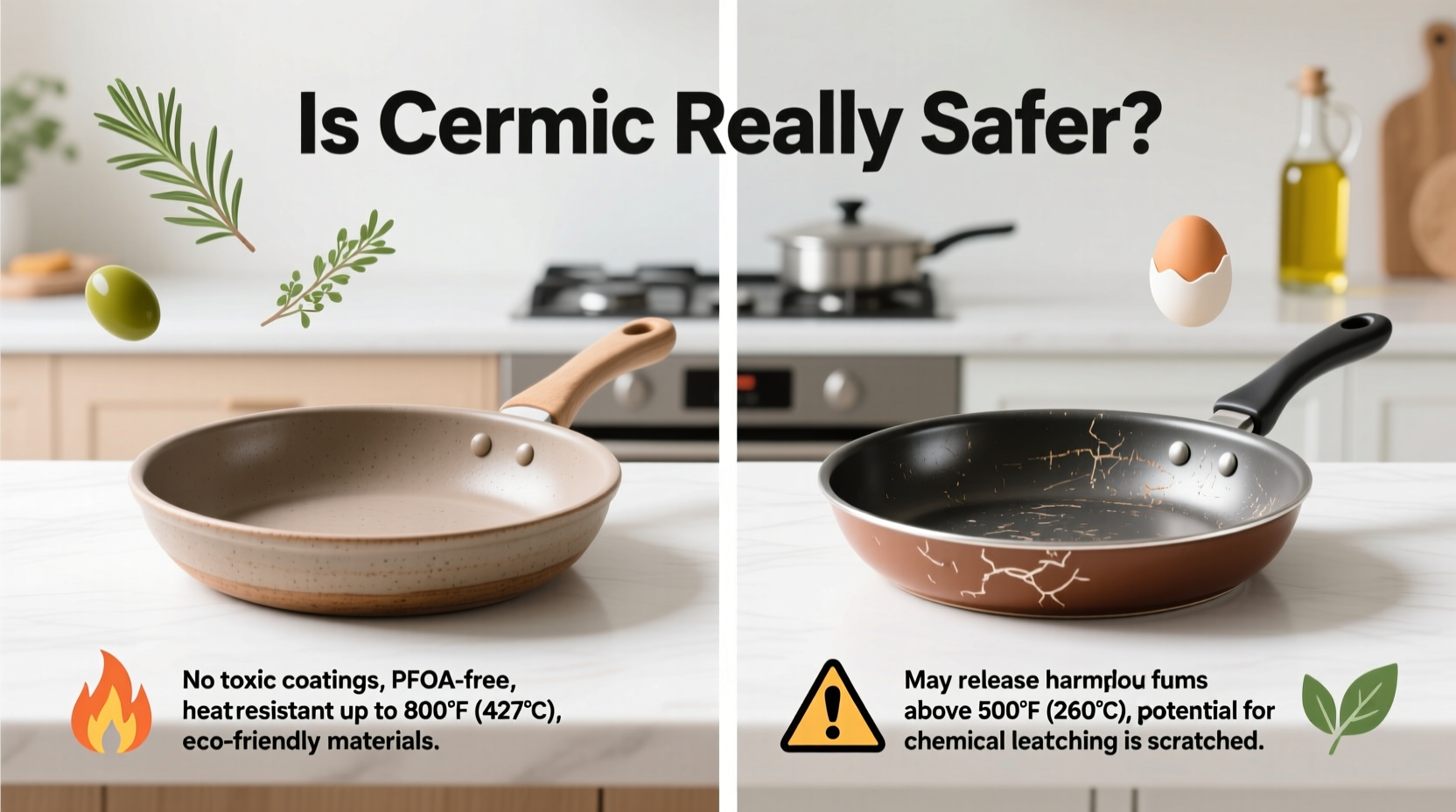
Traditional non-stick cookware typically features a coating made from polytetrafluoroethylene (PTFE), better known by the brand name Teflon. This synthetic polymer provides an exceptionally slick surface that prevents food from sticking and makes cleanup effortless. For decades, Teflon was manufactured using perfluorooctanoic acid (PFOA), a chemical linked to thyroid disease, infertility, and certain cancers.
Since 2013, major U.S. and European manufacturers have phased out PFOA due to regulatory pressure and public concern. Today, most PTFE-based non-stick pans are labeled “PFOA-free.” However, the absence of PFOA doesn’t mean these coatings are entirely risk-free. When heated above 500°F (260°C), PTFE begins to degrade and can release toxic fumes. These fumes have been shown to cause flu-like symptoms in humans—known as “polymer fume fever”—and can be lethal to birds, which have highly sensitive respiratory systems.
“While modern non-stick pans no longer contain PFOA, high-temperature use remains a concern. The key is avoiding overheating and replacing damaged pans promptly.” — Dr. Lena Patel, Environmental Health Scientist, Harvard T.H. Chan School of Public Health
In addition, micro-scratches from metal utensils or abrasive cleaning can compromise the coating, allowing small particles to flake into food. Although ingesting small amounts of PTFE is generally considered low-risk by the FDA, the long-term effects of chronic exposure remain unclear.
Ceramic Cookware: A Natural Alternative or Just Marketing Hype?
Ceramic cookware has surged in popularity as a “healthier” alternative to traditional non-stick. Unlike PTFE, ceramic coatings are typically made from inorganic minerals—primarily silicon and oxygen—applied via a sol-gel process and baked onto aluminum or stainless steel bases. Because they don’t rely on fluoropolymers, ceramic pans are often marketed as free from PFOA, PFAS, lead, and cadmium.
The appeal lies not just in chemistry but in perception: ceramic sounds natural, earth-friendly, and inherently safe. Many brands emphasize eco-conscious production and oven-safe designs, appealing to health-focused consumers. However, “ceramic” in this context doesn’t mean the pan is made entirely of fired clay like a casserole dish. Instead, it refers to a thin, glass-like coating applied over a metal core.
One major advantage of ceramic is its ability to withstand higher temperatures without releasing harmful fumes. Most ceramic-coated pans can safely handle up to 450–500°F, with some rated for even higher heat. Additionally, ceramic surfaces are naturally non-porous and resistant to staining, making them easier to clean without harsh scrubbing.
Tip: Always preheat ceramic cookware on low to medium heat to prevent thermal shock and extend coating life.Direct Comparison: Ceramic vs Non-Stick – Safety, Performance, Longevity
To determine whether ceramic is actually safer, we need to compare both types across multiple dimensions: chemical safety, heat resistance, durability, and environmental impact.
| Feature | Ceramic Cookware | Traditional Non-Stick (PTFE) |
|---|---|---|
| Chemical Composition | Sol-gel silica-based coating; typically free of PFOA, PFAS, BPA, lead | PTFE-based; PFOA-free since 2013, but may contain other PFAS |
| Heat Resistance | Up to 450–500°F (some up to 850°F) | Degrades above 500°F; releases toxic fumes at 600°F+ |
| Durability | Less durable; coating wears faster with metal utensils or dishwasher use | More scratch-resistant than ceramic but still vulnerable to damage |
| Non-Stick Performance | Good when new; declines after 6–12 months with regular use | Excellent initially; lasts 2–3 years with proper care |
| Environmental Impact | Lower carbon footprint during production; biodegradable components | PFAS persistence in environment; difficult to recycle |
| Health Concerns | Minimal fume risk; inert when intact | Fume risk at high heat; particle ingestion if chipped |
From a safety standpoint, ceramic holds a clear edge in terms of off-gassing. It does not emit toxic fumes even at high temperatures, making it a better choice for households with birds or those who frequently sear foods. However, its shorter lifespan means more frequent replacement, which raises sustainability concerns.
Performance-wise, ceramic excels in even heating and quick release when first used. But unlike PTFE, which maintains its slickness over time, ceramic coatings tend to degrade faster—especially when exposed to high heat, metal tools, or dishwashers. After several months, users often report increased sticking and discoloration.
Real-World Scenario: A Home Cook’s Experience
Sarah M., a meal-prep enthusiast from Portland, switched to ceramic cookware two years ago after reading about PFAS in non-stick pans. She started with a premium ceramic set, excited by the promise of toxin-free cooking.
“At first, I loved it,” she said. “The pans were lightweight, cleaned easily, and I felt good knowing I wasn’t breathing in fumes when I cooked scrambled eggs on medium heat.”
But within nine months, the non-stick performance declined. “I accidentally used a metal spatula once, and it left a tiny scratch. After that, eggs started sticking. By month 12, I was using more oil just to compensate.”
She eventually returned to a high-quality PFOA-free PTFE pan, using only wooden utensils and never heating it above medium. “I realized that how I use the pan matters more than the label. As long as I’m careful, I feel safe with it.”
Sarah’s experience highlights a critical point: user behavior significantly influences both safety and longevity. Even the safest cookware becomes risky if misused.
How to Use Both Types Safely: A Step-by-Step Guide
No cookware is completely risk-free. The key is minimizing hazards through proper use and maintenance. Follow this timeline to ensure safe, long-lasting performance from any non-stick surface.
- Before First Use: Wash the pan with warm, soapy water—even if labeled “ready to use.” This removes manufacturing residues.
- Select the Right Utensils: Use only wood, silicone, or nylon tools. Metal can scratch both ceramic and PTFE coatings.
- Control Heat Settings: Never preheat an empty pan on high. Use low to medium heat for non-stick cooking. Searing meat? Consider switching to cast iron or stainless steel.
- Avoid Thermal Shock: Don’t plunge a hot pan into cold water. Let it cool before washing to prevent warping or cracking (especially important for ceramic).
- Cleaning Method: Hand-wash with a soft sponge. Dishwasher detergents are alkaline and can erode coatings over time.
- Storage: Stack pans with protective liners (like cloth or paper towels) to prevent scratches.
- Replace When Damaged: If the coating is peeling, cracked, or deeply scratched, retire the pan. Continued use increases ingestion risk and reduces performance.
Are All Ceramic Pans Created Equal? Reading Labels Matters
Not all ceramic cookware is equally safe. Some lower-cost brands use coatings that contain undisclosed binders or heavy metals to reduce production costs. To ensure authenticity and safety, look for:
- Certifications like “NSF Certified” or compliance with FDA food-contact standards.
- Explicit statements that the product is free from PFAS, lead, and cadmium.
- Made in countries with strict environmental regulations (e.g., Germany, USA, Sweden).
Brands like GreenPan, Xtrema, and Scanpan offer transparent ingredient lists and third-party testing data. In contrast, generic or unbranded options sold online may lack rigorous quality control.
Frequently Asked Questions
Is ceramic cookware completely free of chemicals?
While ceramic coatings are made from natural minerals, they still involve chemical processing (sol-gel technology). However, the final product is inert and does not leach harmful substances under normal cooking conditions. Look for brands that disclose full material safety data.
Can I use ceramic cookware on induction stoves?
Yes, but only if the base is magnetic. Many ceramic-coated pans have an aluminum core, which won’t work on induction. Check the product specifications for “induction-compatible” labeling. Some brands now offer ceramic-coated stainless steel or ferromagnetic bases for induction use.
Why does my ceramic pan start sticking after a few months?
This is common and usually due to coating degradation from high heat, improper utensils, or buildup of food residue in micro-scratches. Avoid overheating and clean gently. Once the coating wears down, restoration isn’t possible—replacement is the only option.
Final Checklist: Choosing Safer Cookware
Use this checklist to evaluate any non-stick or ceramic pan before purchase:
- ✅ Free from PFOA, PFAS, lead, and cadmium
- ✅ Manufactured without toxic solvents
- ✅ Heat-safe rating clearly listed (preferably up to 500°F or higher)
- ✅ Made with a sturdy base (aluminum or stainless steel) for even heating
- ✅ Third-party certified (e.g., NSF, Greenguard, or California Prop 65 compliant)
- ✅ Positive long-term user reviews regarding durability
- ✅ Care instructions provided and easy to follow
Conclusion: Safety Depends on More Than Just Material
The question “Is ceramic actually safer for cooking?” doesn’t have a one-size-fits-all answer. From a chemical emissions perspective, ceramic wins—especially when high heat is involved. It doesn’t release toxic fumes and avoids the controversial PFAS family altogether. However, its shorter lifespan and sensitivity to misuse mean that safety also depends on how carefully you treat your cookware.
Modern PFOA-free non-stick pans, when used responsibly, pose minimal health risks. The real danger lies in overheating or continuing to use damaged pans. Ultimately, both types can be part of a safe kitchen—if you understand their limits.
Rather than chasing marketing claims like “toxin-free” or “all-natural,” focus on verified certifications, proper usage, and timely replacement. Your health depends not just on the pan you buy, but on how you use it every day.
🚀 Ready to upgrade your kitchen safely? Audit your current cookware today—check for scratches, verify heat limits, and replace anything compromised. Share your switch to safer cookware in the comments and help others make informed choices!