Types of Central Asian Houseware
Central Asian houseware, a cherished segment of the Home and Garden category, reflects centuries of cultural heritage, craftsmanship, and functional artistry. These handcrafted items blend aesthetic beauty with practical utility, making them ideal for everyday use and special occasions alike. From traditional dining to tea ceremonies and home décor, Central Asian houseware enhances both form and function in modern and heritage-inspired interiors.
Dishes and Bowls
Versatile and elegantly designed, Central Asian dishes and bowls come in a variety of sizes, shapes, and artistic motifs. Crafted for both everyday meals and festive gatherings, they are perfect for serving main courses, side dishes, desserts, and appetizers.
Advantages
- Ideal for formal and casual dining
- Available in traditional and modern designs
- Functional for multiple meal types
- Often hand-painted with cultural patterns
Considerations
- Handmade pieces may require gentle care
- Some ceramic versions are not microwave-safe
Best for: Dinner service, family meals, cultural events, and decorative tabletop displays
Teapots and Tea Sets
Tea culture is central to Central Asian hospitality, and teapots and sets are crafted with both tradition and elegance in mind. Made from ceramics, stainless steel, wood, or enamel, these sets often include a teapot, cups, saucers, and a serving tray, creating a complete experience for tea lovers.
Advantages
- Reflect rich tea-drinking traditions
- Glossy ceramic finishes enhance visual appeal
- Durable materials ensure long-term use
- Perfect for entertaining guests
Considerations
- Wooden components may need periodic oiling
- Larger sets require dedicated storage space
Best for: Tea ceremonies, social gatherings, gift-giving, and enhancing kitchen aesthetics
Mugs and Glassware
From sturdy mugs to elegant flutes and tumblers, Central Asian drinkware combines utility with artistic flair. Whether for hot beverages like tea and coffee or cold drinks like juice and wine, these items are designed to elevate the drinking experience.
Advantages
- Variety of styles for hot and cold drinks
- Ergonomic designs with and without handles
- Vibrant colors and patterns enhance table settings
- Suitable for daily use and special occasions
Considerations
- Hand-painted glassware may require hand washing
- Thin glass types can be fragile
Best for: Morning coffee, evening tea, cocktail hours, and family dinners
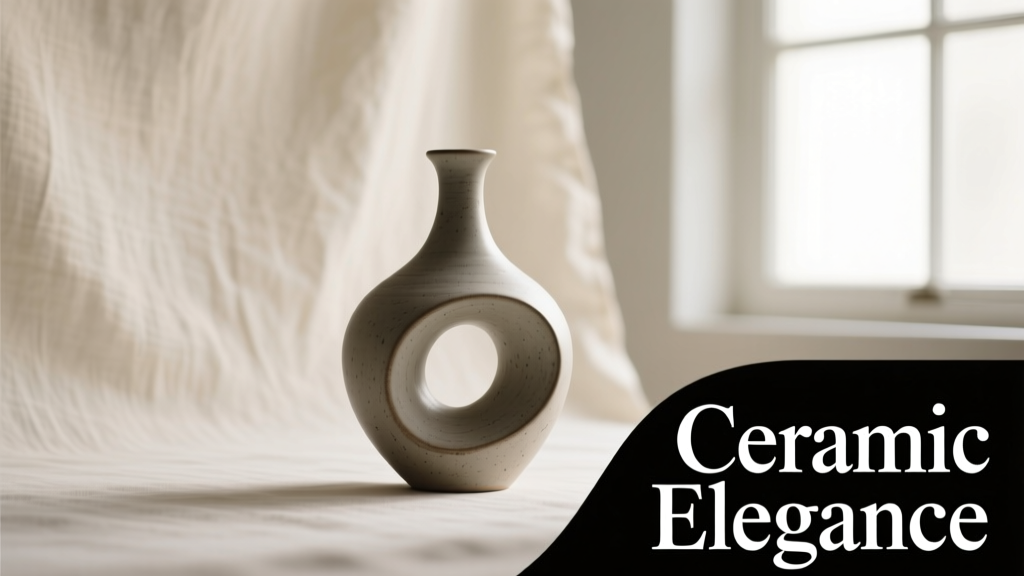
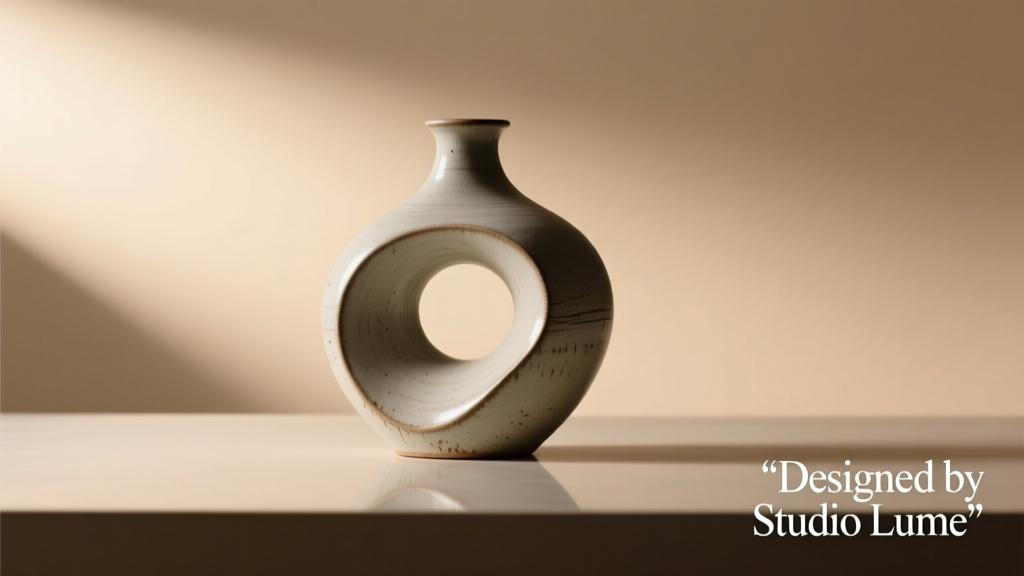
Vases and Pots
Central Asian vases and pots are more than just plant holders—they are artistic centerpieces. Designed to showcase fresh or dried flowers, they also serve as standalone décor elements that add elegance and cultural charm to any room.
Advantages
- Beautifully crafted with intricate details
- Suitable for indoor and outdoor use
- Functional as planters or decorative objects
- Often made from durable ceramics or metals
Considerations
- Larger vases may be heavy when filled
- Porous materials may require sealing
Best for: Floral arrangements, home décor, entryway accents, and garden patios
Cutlery Sets
Central Asian cutlery sets include finely crafted knives, forks, and spoons that blend practicality with cultural design. These utensils are ideal for both everyday meals and formal dining, offering a stylish way to enjoy food while honoring tradition.
Advantages
- Elegant designs with cultural engravings
- Durable materials like stainless steel or silver-plated metal
- Comfortable grip and balanced weight
- Enhances the visual appeal of the dining table
Considerations
- Premium sets can be expensive
- Intricate designs may be harder to clean
Best for: Formal dinners, cultural celebrations, and as heirloom-quality kitchenware
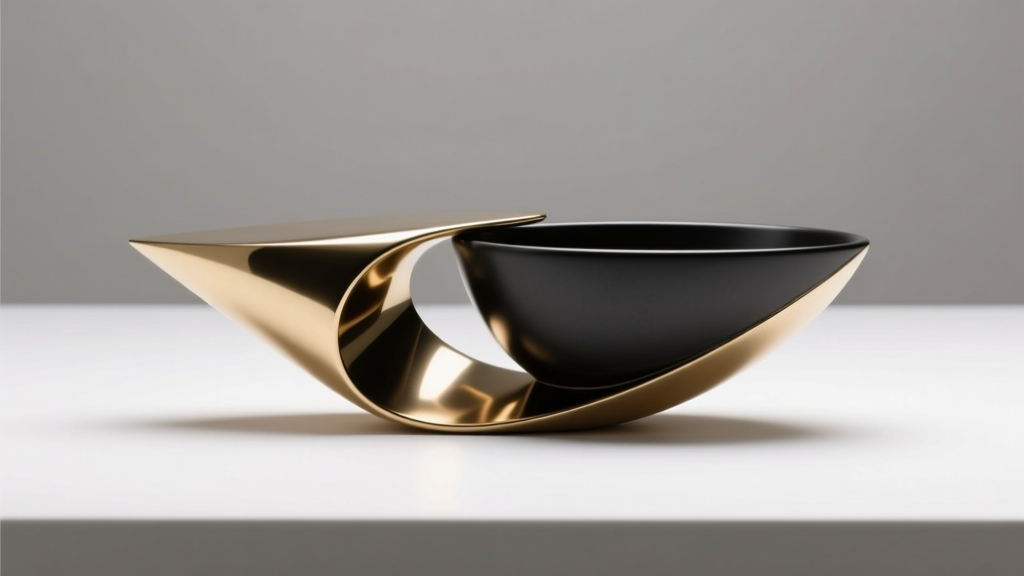
Decorative Bowls
More than just functional items, decorative bowls from Central Asia serve as versatile home accents. With whimsical or ornate designs, they can hold fruit, potpourri, keys, coins, or simply stand as art pieces on shelves or coffee tables.
Advantages
- Dual-purpose: decorative and functional
- Great for organizing small household items
- Adds color and texture to interior spaces
- Available in a wide range of sizes and styles
Considerations
- Not all are food-safe; check material labels
- May collect dust due to open design
Best for: Living room décor, entryway organization, fruit displays, and gifting
| Type | Primary Use | Material Variety | Design Style | Ideal For |
|---|---|---|---|---|
| Dishes and Bowls | Serving meals and sides | Ceramic, porcelain, metal | Traditional & modern | Dinner service, family meals |
| Teapots and Sets | Tea preparation and serving | Ceramic, steel, wood | Ornate, cultural | Tea ceremonies, guests |
| Mugs and Glassware | Hot and cold beverages | Stoneware, glass, metal | Vibrant, artistic | Daily use, entertaining |
| Vases and Pots | Floral display & décor | Ceramic, metal, clay | Intricate, sculptural | Home accents, gardens |
| Cutlery Sets | Meal consumption | Stainless steel, silver | Engraved, elegant | Formal dining, gifting |
| Decorative Bowls | Storage & décor | Wood, ceramic, metal | Whimsical, ornamental | Organization, interior styling |
Expert Tip: When purchasing Central Asian houseware, look for authentic handmade pieces with cultural motifs—they not only support artisan communities but also bring unique character and storytelling to your home.
Design of Central Asian Houseware: Tradition, Craftsmanship & Modern Fusion
Central Asian houseware design is a vibrant expression of the region’s rich cultural tapestry, blending centuries-old traditions with practical functionality and artistic elegance. Influenced by the diverse ethnic groups, trade routes like the Silk Road, and natural resources, these household items are not only utilitarian but also serve as cultural artifacts. The design philosophy emphasizes beauty, durability, and adaptability, making Central Asian houseware a timeless choice for both traditional and contemporary interiors.
Key Design Elements of Central Asian Houseware
Materials: Nature, Durability & Aesthetic Harmony
The materials used in Central Asian houseware reflect a deep connection to nature and regional craftsmanship. Artisans utilize locally available and time-tested resources to create pieces that are both functional and visually striking.
- Wood: Often sourced from walnut, poplar, or apricot trees, wood is hand-carved into furniture, trays, bowls, and utensils. Its warm grain and natural finish bring organic elegance to homes.
- Ceramics: Hand-thrown and glazed pottery produces durable yet artistic plates, bowls, and teapots. These items often feature intricate hand-painted designs and are fired using traditional kilns.
- Glass: Blown and colored glassware—such as ornate drinking vessels and vases—are crafted with precision. Many pieces showcase iridescent finishes or embedded patterns, reflecting Persian and Islamic influences.
- Metals: Bronze, copper, steel, and wrought iron are shaped into lanterns, trays, and kitchen tools. These metals are often hammered, engraved, or inlaid with silver or gold to enhance their visual appeal and longevity.
The careful selection of materials ensures that each item is not only beautiful but also resilient to daily use, embodying the region’s respect for sustainability and craftsmanship.
Patterns and Motifs: Symbols of Identity and Heritage
Central Asian houseware is instantly recognizable by its elaborate patterns and symbolic motifs, which carry deep cultural and spiritual meanings.
- Geometric Designs: Inspired by Islamic art, repeating geometric patterns symbolize infinity and the divine order of the universe. These are commonly seen on tiles, textiles, and ceramic glazes.
- Floral and Botanical Motifs: Stylized flowers, vines, and pomegranates represent fertility, abundance, and life. These are frequently painted or embroidered onto tableware and storage containers.
- Animal and Tribal Symbols: Some designs incorporate stylized birds, rams, or ancient tribal emblems, reflecting nomadic heritage and spiritual beliefs.
- Color Symbolism: Bold hues like cobalt blue, crimson red, emerald green, and saffron yellow dominate the palette. Blue wards off the evil eye, red signifies joy and vitality, and green represents nature and prosperity.
These patterns are not merely decorative—they are a visual language that communicates identity, history, and regional pride across generations.
Functionality and Versatility: Beauty Meets Practicality
Central Asian houseware is designed with everyday life in mind. Each piece serves multiple purposes, seamlessly transitioning from utility to decoration.
- Dual-Purpose Tableware: Ceramic plates and metal trays may be used for daily meals but are also brought out for special occasions, doubling as display pieces.
- Multi-Functional Vessels: Large bowls and jars store grains or spices but also serve as centerpieces when filled with dried flowers or fruits.
- Adaptable Furniture: Low wooden tables or chests can be used for dining, storage, or seating, reflecting the flexible living spaces common in traditional homes.
- Portability: Many items are lightweight and stackable, ideal for nomadic lifestyles or compact urban apartments today.
This versatility makes Central Asian houseware highly practical in both rural and modern domestic environments, emphasizing efficiency without sacrificing beauty.
Craftsmanship and Techniques: The Art of the Artisan
The hallmark of Central Asian houseware is its handcrafted quality. Generations of artisans have preserved traditional techniques that require immense skill, patience, and attention to detail.
- Pottery and Glazing: Artisans use foot-powered wheels and natural pigments to create unique, one-of-a-kind pieces. Each firing process yields subtle variations, enhancing the item’s authenticity.
- Weaving and Embroidery: While more common in textiles, these skills influence houseware design through woven placemats, embroidered cloth covers, and patterned fabric liners.
- Metalworking: Techniques like repoussé (hammered relief), engraving, and filigree are used to decorate metal trays, lanterns, and teapots, adding texture and depth.
- Wood Carving: Intricate floral and geometric patterns are hand-chiseled into wooden surfaces, often finished with natural oils to highlight the grain.
These labor-intensive methods ensure that every piece is unique, carrying the personal touch of the maker and preserving cultural heritage in a world of mass production.
Mix of Modern and Traditional Elements
While deeply rooted in tradition, Central Asian houseware has evolved to meet contemporary tastes and lifestyles. Designers today are blending old-world charm with modern functionality.
- Contemporary Shapes: Traditional motifs are applied to sleek, minimalist forms suitable for modern kitchens and living spaces.
- Improved Durability: Modern glazes, sealants, and reinforced materials increase the longevity of handcrafted items without compromising aesthetics.
- Eco-Friendly Practices: Artisans are increasingly using sustainable sourcing and non-toxic dyes, aligning with global environmental values.
- Global Appeal: Central Asian designs are being adapted for international markets, featuring smaller sizes, stackable configurations, and neutral color accents for broader compatibility.
This fusion ensures that Central Asian houseware remains relevant, appreciated not only within the region but also by design enthusiasts worldwide who value authenticity, artistry, and soulful living.
Cultural Significance and Global Influence
Central Asian houseware is more than just functional decor—it is a cultural narrative. From the Silk Road bazaars to modern design exhibitions, these items tell stories of migration, trade, faith, and family.
They are often passed down as heirlooms, used in weddings, and gifted during festivals, reinforcing social bonds and cultural continuity. Internationally, designers draw inspiration from Central Asian patterns and techniques, integrating them into fashion, interior design, and product development.
By preserving traditional methods while embracing innovation, Central Asian artisans ensure their craft remains a living, evolving art form that honors the past and inspires the future.
| Design Element | Cultural Roots | Modern Application |
|---|---|---|
| Hand-Carved Wood | Nomadic and rural craftsmanship | Artisanal furniture and kitchenware in eco-conscious homes |
| Geometric Ceramics | Islamic and Persian art traditions | Statement tableware and wall decor in contemporary interiors |
| Engraved Metalware | Traditional blacksmithing and jewelry techniques | Luxury home accents and hospitality design |
| Vibrant Color Schemes | Spiritual symbolism and regional identity | Trend-driven home styling and fashion collaborations |
Note: When purchasing or collecting Central Asian houseware, seek authentic, ethically made pieces from certified artisans or cooperatives. Avoid mass-produced imitations that dilute cultural value. Supporting genuine craftsmanship helps sustain traditional communities and preserves this rich artistic legacy for future generations.
Scenarios of Central Asia Houseware
Central Asian houseware blends functionality, artistry, and cultural heritage, making it a versatile choice for a wide range of everyday and special uses. From practical dining essentials to meaningful cultural artifacts, these handcrafted items enrich homes and lives across multiple contexts. Below are the key scenarios where Central Asian houseware shines, demonstrating its adaptability and enduring appeal.
Everyday Use
Central Asian houseware is designed for daily life, offering durable and practical solutions for meals, beverages, and kitchen routines. Crafted to withstand frequent use, these items include cutlery, plates, bowls, mugs, and glasses—essential for preparing, serving, and enjoying food in homes across the region.
- Made from resilient materials like fired clay, stoneware, and hand-forged metals to endure daily wear
- Ergonomic shapes and balanced weights enhance comfort during meals
- Vibrant glazes and traditional patterns add visual warmth to everyday dining experiences
- Designed to complement both traditional and modern kitchen aesthetics
Practical benefit: Combines long-lasting durability with aesthetic appeal, turning routine meals into moments of cultural connection.
Special Occasions & Celebrations
During festivals, weddings, and family gatherings, Central Asian ceramics and glassware take center stage. Elegant plates, ornate serving bowls, and decorative teapots are used to present food with pride and hospitality, reflecting the region’s deep-rooted traditions of generosity and celebration.
- Hand-painted ceramics with intricate floral or geometric motifs elevate festive tables
- Large serving platters and communal dishes encourage shared dining experiences
- Traditional samovars and engraved glass holders are staples at holiday feasts
- Many pieces are heirloom-quality, passed down through generations
Cultural insight: These items are not just functional—they symbolize honor, abundance, and the joy of togetherness.
Home Decoration
Beyond utility, Central Asian houseware serves as striking decorative elements. Vases, ornamental bowls, and glazed pots are displayed in living rooms, entryways, and dining areas to enhance interior design with cultural authenticity and artisanal charm.
- A beautifully painted vase can hold fresh or dried flowers, adding color and fragrance
- Decorative fruit bowls double as art pieces, often placed on coffee tables or shelves
- Wall-mounted ceramic plates or hand-carved wooden cabinets showcase regional craftsmanship
- Earthy tones and natural finishes blend seamlessly with bohemian, rustic, or minimalist interiors
Design tip: Use a curated collection of houseware to create a focal point that reflects personal style and cultural appreciation.
Gift Giving
Central Asian houseware makes thoughtful, meaningful gifts for weddings, birthdays, housewarmings, and holidays. Whether it’s a handcrafted teapot, a set of engraved glasses, or a decorative bowl, these items carry both practical value and symbolic significance.
- Popular choices include hand-painted porcelain sets, hammered metal trays, and silk-screened mugs
- Often gifted to newlyweds as symbols of prosperity and domestic harmony
- Perfect for international friends or collectors interested in global art and culture
- Many pieces come in gift-ready packaging with cultural notes or origin stories
Emotional value: A gift of Central Asian houseware conveys respect, warmth, and a connection to timeless traditions.
Cultural Appreciation & Education
More than just household items, Central Asian houseware offers a window into the region’s rich artistic and historical legacy. The materials, techniques, and designs reflect centuries of craftsmanship, trade, and cultural exchange along the Silk Road.
- Patterns often draw from Persian, Turkic, and Islamic art traditions, featuring arabesques, calligraphy, and nature-inspired motifs
- Glazing techniques like mina’i or lusterware showcase advanced ceramic knowledge from medieval times
- Colors such as cobalt blue, terracotta red, and turquoise hold symbolic meanings tied to nature and spirituality
- Used in museums, cultural centers, and educational programs to teach about Central Asian heritage
Global relevance: These pieces foster cross-cultural understanding and preserve artisanal knowledge in a modern world.
Sustainable & Ethical Living
In an era of mass production, Central Asian houseware stands out for its sustainable, handcrafted nature. Made using traditional methods and natural materials, these items support eco-conscious lifestyles and ethical consumerism.
- Produced by local artisans using low-impact kilns and renewable resources
- Free from synthetic coatings and harmful chemicals, making them safe for food use
- Durable construction reduces the need for frequent replacements
- Purchasing supports rural economies and helps preserve endangered crafts
Sustainability note: Choosing handcrafted houseware reduces environmental footprint while promoting cultural preservation.
Expert Insight: When selecting Central Asian houseware, consider both function and story. A piece that serves a daily purpose while carrying cultural significance creates deeper emotional value. For gifting or decorating, opt for items with authentic regional designs—such as Uzbek ishkor pottery or Kazakh felted textiles—to ensure genuine representation and lasting impact.
| Use Case | Recommended Items | Key Benefits | Cultural Significance |
|---|---|---|---|
| Everyday Dining | Plates, bowls, mugs, cutlery sets | Durable, ergonomic, easy to clean | Symbols of hospitality and family unity |
| Festive Gatherings | Serving platters, teapots, engraved glasses | Visually impressive, ideal for sharing | Represent celebration and abundance |
| Interior Design | Vases, decorative bowls, wall plates | Artistic, color-rich, conversation starters | Reflect regional aesthetics and craftsmanship |
| Gifts & Keepsakes | Hand-painted sets, engraved trays, silk-wrapped boxes | Memorable, meaningful, long-lasting | Carry blessings and cultural identity |
| Educational Use | Traditional pottery, historical replicas | Authentic, informative, tactile | Preserve heritage and artisan skills |
Additional Considerations
- Material Care: Hand-wash ceramic and metal pieces to preserve finishes; avoid harsh detergents
- Authenticity: Look for artisan signatures, regional markings, or certificates of origin
- Versatility: Many items transition seamlessly from kitchen to living space
- Climate Adaptability: Fired ceramics resist temperature changes, ideal for varied environments
- Storytelling Value: Each piece carries a narrative of place, people, and tradition
Specification & Maintenance of Central Asia Houseware
Central Asian houseware reflects a rich cultural heritage, blending traditional craftsmanship with functional design. These items—ranging from hand-painted ceramics to intricately forged metalware—are not only practical for daily use but also serve as artistic expressions of regional identity. To preserve their beauty and extend their lifespan, it's essential to understand the material composition, proper cleaning methods, ideal storage conditions, and routine maintenance practices. This comprehensive guide provides detailed insights into caring for your Central Asian houseware, ensuring it remains in excellent condition for generations.
Important Note: Always check manufacturer labels or consult artisans when in doubt about care instructions. Handmade or antique pieces may require specialized handling to prevent irreversible damage.
Material Specifications: Understanding What You Own
Central Asian houseware is crafted from a diverse range of high-quality materials, each contributing unique aesthetic and functional properties. Knowing the material type is the first step toward appropriate care.
- Ceramics: Widely used for plates, bowls, teapots, and decorative tiles. These can be glazed (glossy) or unglazed (matte), and often feature hand-painted motifs using natural pigments. Some ceramic pieces are oven-safe, while others are strictly decorative.
- Glassware: Includes delicate fluted glasses, engraved tumblers, and ornamental vases. Typically made from borosilicate or soda-lime glass, these items are prized for their clarity and resilience. Many are mouth-blown, making them slightly irregular in shape—a hallmark of artisanal quality.
- Metal Items: Stainless steel, bronze, brass, and wrought iron are commonly used for cutlery, serving trays, kettles, and wall hangings. These metals offer durability and corrosion resistance, especially when properly maintained. Bronze and brass may develop a natural patina over time, which some collectors value.
Proper Cleaning Techniques by Material Type
Effective cleaning preserves both the appearance and structural integrity of houseware. Improper methods—such as using harsh chemicals or abrasive pads—can lead to scratches, fading, or breakage.
- Ceramic Care:
- Hand wash with mild dish soap and lukewarm water, especially for painted or antique pieces.
- Check manufacturer guidelines before placing in the dishwasher; some glazed ceramics are dishwasher-safe.
- Avoid sudden temperature changes (e.g., placing a cold ceramic dish directly into a hot oven) to prevent thermal shock and cracking.
- Glassware Maintenance:
- Wash gently by hand using a soft sponge to avoid chipping edges or damaging engravings.
- Soak stained glasses in warm water with a drop of vinegar to remove mineral deposits.
- Never stack glasses inside one another without protective padding to prevent scratches.
- Metal Cleaning:
- Stainless steel items can be washed with soapy water and dried immediately to prevent water spots.
- Bronze and brass pieces should be polished periodically with a non-abrasive metal polish to maintain luster.
- Wrought iron must be kept dry and occasionally treated with food-safe mineral oil to prevent rust, especially in humid environments.
Optimal Storage Conditions for Longevity
How you store your houseware significantly impacts its condition over time. Proper organization prevents physical damage and environmental degradation.
- For Ceramics and Glass: Store in enclosed cabinets with soft shelving or felt lining. Use cabinet doors to protect against dust and accidental bumps. Stack plates vertically or with felt dividers to avoid scratching surfaces.
- For Metalware: Keep in a dry, low-humidity area. Store cutlery in lined drawers or roll-up cloth organizers to prevent tarnishing and scratching. Avoid plastic-wrapped storage for long periods, as trapped moisture can promote corrosion.
- General Tips:
- Label storage zones for different materials to streamline access and reduce mishandling.
- Use silicone or fabric cushions between nested items like bowls or pots.
- Rotate usage of decorative pieces to minimize prolonged exposure to sunlight, which can fade painted designs.
Maintenance Tips for Preserving Quality and Appearance
Regular maintenance ensures that your Central Asian houseware remains functional, safe, and visually appealing.
- Polishing Metals: Apply a small amount of appropriate polish (e.g., brass cleaner or stainless steel wipe) every 3–6 months, depending on usage. Buff gently with a microfiber cloth to restore shine without removing patina on vintage pieces.
- Preventing Cracks: Avoid exposing ceramics and glass to extreme temperature fluctuations. Do not transfer items directly from freezer to oven or vice versa.
- Inspecting for Wear: Regularly examine cutlery for bent tines, pots for warping, and handles for loosening. Replace heavily worn items to maintain safety and performance.
- Restoration vs. Replacement: Minor scratches or tarnish can often be repaired, but deeply cracked ceramics or corroded metal should be retired from use to avoid injury or contamination.
| Material Type | Cleaning Method | Storage Recommendation | Maintenance Frequency |
|---|---|---|---|
| Ceramics | Hand wash with mild soap; avoid abrasive scrubbers | Vertical stacking with dividers in closed cabinets | After each use; inspect monthly |
| Glassware | Hand wash with soft sponge; soak for stains | Store upright with spacing or padded racks | After each use; check for chips weekly |
| Stainless Steel | Dishwasher safe or hand wash; dry immediately | Dry drawer with liner or hanging rack | As needed; polish every 6 months |
| Bronze/Brass | Hand wash only; use metal polish periodically | Airtight container with anti-tarnish paper | Polish every 3–4 months |
| Wrought Iron | Wipe clean; never soak; oil occasionally | Dry area with oil-treated cloth wrap | Oil every 2–3 months in humid climates |
Expert Tip: For hand-painted ceramics, avoid prolonged exposure to direct sunlight to prevent fading. Display them in shaded areas or rotate their position regularly to ensure even light exposure.
Additional Care Recommendations
- Keep a maintenance log to track cleaning, polishing, and inspection dates, especially for valuable or heirloom pieces.
- Use coasters and trivets when serving food or drinks to protect surfaces from heat and moisture rings.
- Consider professional restoration for antique or culturally significant items rather than attempting DIY repairs.
- When traveling or relocating, pack houseware in padded boxes with bubble wrap or tissue paper to prevent breakage.
- Support local artisans by purchasing authentic Central Asian houseware, which often comes with care instructions and cultural context.
Maintaining Central Asian houseware is more than a practical task—it’s a way of honoring tradition and craftsmanship. With proper care, these beautiful items can continue to enrich your home with cultural significance and timeless elegance. Whether used daily or displayed as art, their preservation ensures they remain functional, safe, and cherished for years to come.
Frequently Asked Questions About Central Asian Houseware
Q1. What are the most common materials used in Central Asian houseware?Central Asian houseware is traditionally crafted from a variety of natural and durable materials, each selected for both aesthetic beauty and functional strength. The most commonly used materials include:
- Ceramics: Hand-painted with intricate patterns, these pieces often feature cobalt blue, turquoise, and earthy tones. They are used for plates, bowls, and decorative tiles, reflecting centuries-old pottery techniques from regions like Uzbekistan and Tajikistan.
- Glass: Blown or molded into elegant forms, Central Asian glassware is known for its refined silhouettes and sometimes iridescent finishes. Items such as tea glasses (pialas) are both functional and artistic, often used in traditional tea ceremonies.
- Metals: Bronze, copper, silver, and wrought iron are widely used for trays, teapots, and ornamental bowls. These metals are prized for their longevity and ability to be engraved with symbolic motifs.
- Wood: Carved walnut, beech, and poplar are used to create serving platters, spice boxes, and furniture. Woodwork is often embellished with inlays or painted details, showcasing regional craftsmanship.
These materials not only highlight the region’s rich artisanal traditions but also reflect the environmental resources and cultural values of Central Asia.
Q2. Are Central Asian houseware products durable and long-lasting?Yes, many Central Asian houseware items are designed to be exceptionally durable, combining traditional craftsmanship with high-quality materials to ensure longevity. For example:
- Metalware: Bronze and wrought iron pieces are forged using time-tested techniques, making them resistant to wear and ideal for daily use. These items often last for generations when properly maintained.
- Ceramics: Fired at high temperatures, these pieces are sturdy and chip-resistant. Glazing not only enhances their visual appeal but also adds a protective layer against moisture and stains.
- Glassware: Though delicate in appearance, traditional glass items are often hand-blown with thicker walls than mass-produced alternatives, increasing their resilience.
- Wooden Items: Treated with natural oils or lacquers, wooden houseware resists cracking and warping, especially in the region’s varied climate.
The durability of these products makes them not only practical for everyday use but also valuable as heirloom pieces passed down through families.
Q3. How should Central Asian houseware be cleaned and maintained?Proper care is essential to preserve the beauty and integrity of Central Asian houseware. Maintenance varies depending on the material:
- Ceramics and Glass: Hand washing with mild soap and lukewarm water is recommended. Avoid abrasive scrubbers and sudden temperature changes to prevent cracking or chipping. Dry thoroughly before storage.
- Metal Items: Clean with a soft cloth and mild detergent. For copper or bronze, use a natural polish like lemon and salt or a commercial metal cleaner to prevent tarnishing. Avoid soaking for extended periods.
- Wooden Pieces: Wipe with a damp cloth and dry immediately. Occasionally treat with food-safe mineral oil to maintain luster and prevent drying. Store away from direct sunlight and humidity.
- General Tips: Store items in padded cabinets or wrapped in soft cloth to avoid scratches. Keep in a dry, cool environment to protect against mold, warping, or corrosion.
With mindful handling and regular upkeep, these handcrafted pieces can retain their elegance and functionality for decades.
Q4. Can Central Asian houseware be used for everyday dining and serving?Absolutely—many Central Asian houseware items are not only beautiful but also highly practical for daily use. Designed with both form and function in mind, they seamlessly integrate into modern lifestyles:
- Dining Sets: Ceramic plates, glass pialas, and metal trays are commonly used in homes across Central Asia for everyday meals, from breakfast to festive dinners.
- Serving Ware: Large engraved trays (called "sini") are perfect for presenting fruits, nuts, or pastries, while teapots and samovars are central to tea culture and daily hospitality.
- Beverage Use: Traditional glasses and mugs are ideal for tea, kumis (fermented mare’s milk), or other regional drinks, combining ergonomic design with cultural significance.
- Modern Compatibility: Their timeless designs complement both traditional and contemporary table settings, adding a touch of elegance and cultural richness to routine dining experiences.
These pieces are built to withstand regular use while enhancing the aesthetic of your home, making them perfect for both casual meals and special gatherings.
Q5. How does the design of Central Asian houseware reflect the region’s cultural heritage?The design of Central Asian houseware is deeply rooted in the region’s diverse cultural history, serving as a visual narrative of its traditions, beliefs, and artistic evolution. Key design elements include:
| Design Feature | Symbolism | Cultural Origin |
|---|---|---|
| Geometric Patterns | Represent infinity, unity, and protection; often used in Islamic art to avoid figurative representation. | Widespread across Uzbekistan, Turkmenistan, and Kazakhstan. |
| Floral Motifs (e.g., pomegranate, tulip) | Symbols of fertility, prosperity, and renewal; reflect the region’s connection to nature and agriculture. | Influenced by Persian and Mughal art, prominent in Tajik and Uzbek ceramics. |
| Calligraphic Inscriptions | Often feature poetic verses or blessings in Arabic script, adding spiritual and literary depth. | Found on metal trays and religious items in Islamic-influenced areas. |
| Animal and Mythical Figures | Depict legends, folklore, and nomadic heritage; seen in wood carvings and textiles. | Common in Kyrgyz and Kazakh artisan work. |
Each piece of houseware acts as a canvas for cultural expression, preserving ancestral techniques and storytelling through craftsmanship. Whether displayed or used, these items celebrate the enduring legacy of Central Asian artistry and identity.