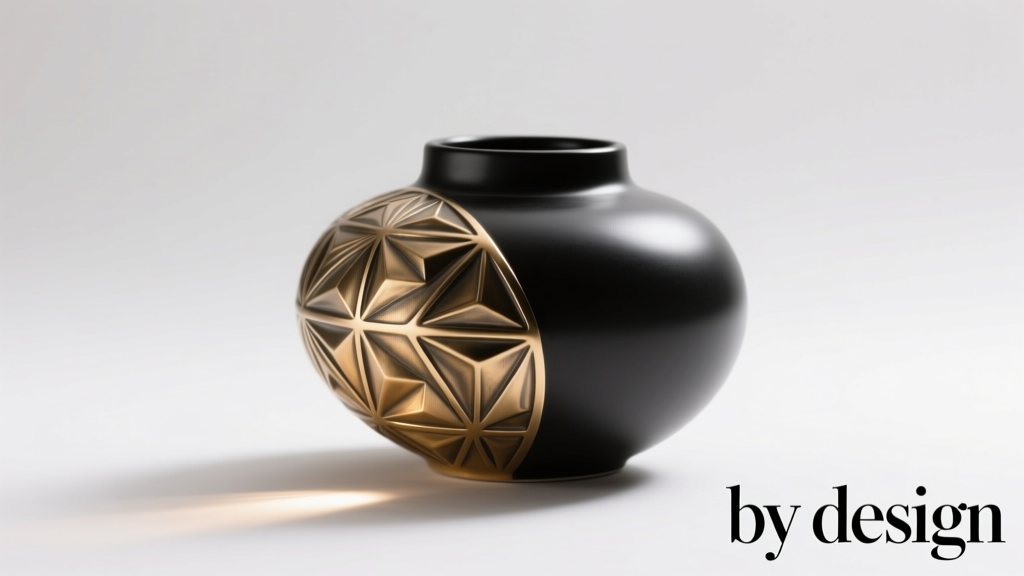
Types of Big Lots Pots: A Complete Guide
Big Lots offers a wide variety of pots designed for different household needs, from gardening and cooking to storage and home organization. Whether you're enhancing your indoor decor, preparing meals, or decluttering your space, there's a functional and stylish pot to match your lifestyle. Understanding the different types helps you make informed choices that balance aesthetics, durability, and practicality.
Plant Pots
Ideal for both indoor and outdoor greenery, these pots combine functionality with visual appeal to support healthy plant growth.
Benefits
- Available in multiple materials: clay, ceramic, plastic, and fiberglass
- Designed with drainage holes for root health and moisture control
- Self-watering options reduce maintenance and prevent over/under-watering
- Wide range of styles and colors to complement home decor
Considerations
- Clay and ceramic may crack in freezing temperatures
- Lightweight plastic may tip over in strong winds
- Larger pots require sturdy surfaces or plant stands
Best for: Houseplants, patios, balconies, gardens, and seasonal floral displays
Cooking Pots
High-performance cookware designed for everyday meals and gourmet cooking, available in versatile styles and materials.
Benefits
- Made from durable materials: stainless steel, cast iron, and non-stick coatings
- Even heat distribution with conductive bases for consistent cooking
- Includes specialty pots: soup kettles, pasta cookers with straining lids, and slow cookers
- Ergonomic handles for safe handling and comfort
Considerations
- Cast iron requires seasoning and special care
- Non-stick coatings can degrade with metal utensils or high heat
- Heavier pots may be difficult for some users to manage
Best for: Home chefs, family meal prep, soups, stews, pasta, and batch cooking
Storage & Organization Pots
Decorative and functional containers that help organize your home while enhancing interior design.
Benefits
- Made from durable materials: woven baskets, metal, ceramic, and reinforced plastic
- Available in various sizes, shapes, and finishes to match room aesthetics
- Perfect for organizing toys, linens, office supplies, and accessories
- Helps create a tidy, clutter-free living environment
Considerations
- Open-top designs may collect dust
- Woven materials may not be suitable for damp areas like bathrooms
- Larger storage pots can take up floor space
Best for: Living rooms, nurseries, bathrooms, entryways, and home offices
Multipurpose & Decorative Pots
Versatile designs that blur the line between function and art, serving both practical and aesthetic roles.
Benefits
- Dual-use options: planters that double as storage or décor accents
- Modern, rustic, and minimalist styles to suit any interior theme
- Lightweight yet durable for easy repositioning
- Can be used seasonally or rotated for fresh looks
Considerations
- May lack drainage if used for live plants
- Primarily decorative—may not be as durable for heavy-duty storage
- Higher-end designs may come at a premium price
Best for: Entryway accents, centerpiece displays, seasonal décor, and hybrid plant-storage use
| Type | Primary Use | Common Materials | Durability | Style Flexibility |
|---|---|---|---|---|
| Plant Pots | Gardening & Greenery | Clay, Ceramic, Plastic, Fiberglass | Medium to High | High |
| Cooking Pots | Food Preparation | Stainless Steel, Cast Iron, Non-Stick | High | Medium |
| Storage Pots | Home Organization | Woven Fiber, Metal, Ceramic, Plastic | Medium to High | High |
| Multipurpose Pots | Decor & Utility | Mixed (Ceramic, Metal, Composite) | Medium | Very High |
Expert Tip: When selecting plant pots, always check for proper drainage or consider using a liner pot to prevent water damage. For cooking pots, hand-washing non-stick and cast iron pieces can significantly extend their lifespan.
Designs and Uses of Large-Scale Pots: From Gardening to Storage
Pots come in a wide variety of designs, materials, and functionalities, each tailored to meet specific needs—whether for plant cultivation, food preparation, or household organization. Understanding the unique features of different pot types helps in selecting the right one for your purpose, enhancing both utility and aesthetic appeal.
Types of Pots and Their Key Characteristics
Terracotta Pots
Made from natural, unglazed clay, terracotta pots are celebrated for their breathability and timeless rustic charm. Their porous structure allows air and moisture to pass through the walls, promoting healthy root development by preventing waterlogging—a major cause of root rot.
The classic reddish-brown hue adds an earthy, traditional aesthetic to gardens and patios. Because terracotta dries out quickly, it's ideal for drought-tolerant plants like succulents, cacti, and herbs that thrive in well-drained soil. However, this same porosity means they may require more frequent watering in hot climates and are more prone to cracking in freezing temperatures due to water expansion.
Ceramic Pots
Ceramic pots are crafted from clay and typically finished with a glazed surface, offering a smooth, colorful, and decorative appearance. The glaze seals the pores, reducing moisture loss and making them excellent for plants that prefer consistently moist soil, such as ferns, peace lilies, and tropical houseplants.
Available in countless styles, patterns, and finishes—from glossy to matte—ceramic pots serve as functional art pieces that elevate interior and exterior spaces. While heavier and more fragile than plastic alternatives, their durability and visual appeal make them a popular choice for indoor gardening and modern landscaping.
Non-Stick Cookware Pots
Non-stick pots are engineered with a specialized coating (commonly PTFE or ceramic-based) that prevents food from adhering to the surface during cooking. This feature makes them exceptionally user-friendly, especially for delicate foods like eggs, pancakes, fish, and sauces that are prone to sticking or burning.
Most non-stick pots are made from aluminum for lightweight heat conduction or stainless steel with a non-stick interior for added durability. They require minimal oil, promoting healthier cooking, and are effortless to clean. However, the coating can degrade over time if scratched by metal utensils or exposed to high heat, so proper care is essential to extend their lifespan.
Decorative Storage Pots
Designed for organization and interior styling, decorative storage pots come in diverse materials such as ceramic, metal, woven fibers, and wood. These containers are used to store and categorize household items like linens, toys, kitchen tools, shoes, and craft supplies, helping maintain clutter-free living spaces.
Often sold in coordinated sets with varying sizes, they allow for modular organization while adding visual harmony to shelves, closets, or countertops. Their aesthetic versatility—ranging from minimalist modern to bohemian or farmhouse styles—makes them functional decor elements that blend practicality with design.
| Pot Type | Best For | Key Benefits | Considerations |
|---|---|---|---|
| Terracotta | Succulents, cacti, herbs | Excellent aeration, natural look, prevents overwatering | Dries quickly, fragile in cold weather, stains easily |
| Ceramic (Glazed) | Indoor plants, tropical species | Retains moisture, highly decorative, wide style variety | Heavier, more expensive, can chip or crack |
| Non-Stick Cookware | Eggs, fish, low-fat cooking | Easy cooking and cleaning, promotes healthy meals | Coating wears over time, avoid metal utensils and high heat |
| Decorative Storage | Home organization, interior decor | Stylish, space-saving, available in sets | Not suitable for outdoor use (depending on material), limited load capacity |
Choosing the Right Pot: Practical Tips
Important: Using the wrong type of pot can lead to poor plant health, inefficient cooking, or disorganized spaces. Always consider the environment, usage frequency, and maintenance requirements before selecting a pot. Investing in high-quality, purpose-specific pots enhances both performance and longevity across all applications.
How to Choose the Right Pots for Big Lots: A Complete Guide
Selecting the perfect pots for big lots—whether for gardening, storage, or cooking—requires careful consideration of material, size, functionality, and long-term usability. The right choice ensures durability, enhances aesthetics, and meets the practical needs of your space or lifestyle. This guide breaks down the essential factors to help you make informed decisions when purchasing large quantities of pots for various applications.
Material Matters: Matching Pot Type to Purpose
The material of a pot significantly impacts its performance, longevity, and appearance. Different materials suit different environments and uses.
- Clay & Terracotta: Naturally porous, these materials allow airflow to plant roots and are ideal for outdoor gardens and succulents. However, they can be fragile and prone to cracking in freezing temperatures.
- Glazed Ceramic: Offers a decorative finish with moisture retention benefits. Perfect for indoor plants and spaces where aesthetics matter, such as living rooms or patios.
- Plastic & Resin: Lightweight, affordable, and durable—ideal for large-scale landscaping or temporary setups. UV-resistant versions prevent fading in direct sunlight.
- Metal (Stainless Steel, Aluminum, Cast Iron): Excellent for cooking and indoor storage. Stainless steel resists corrosion, while cast iron provides even heat distribution—perfect for slow cooking and stews.
- Non-Stick Coated Pots: Great for everyday cooking, especially for delicate foods. Easy to clean but require gentle handling to avoid scratching.
Pro tip: For outdoor use in cold climates, avoid unglazed clay and thin metals that may degrade over time.
Size & Capacity: Getting the Dimensions Right
Choosing the correct size ensures optimal function—whether you're growing plants, storing dry goods, or preparing meals for a crowd.
- For Plants: Select a pot that is 1–2 inches larger in diameter than the plant’s root ball. Oversized pots can retain too much moisture, leading to root rot, while undersized ones restrict growth.
- For Cooking: A 4–6 quart pot suits most family meals. For large gatherings or commercial use, consider 8–12 quart stockpots. Deep pots are better for soups and boiling; wide, shallow ones work well for sautéing and simmering.
- For Storage: Use large, airtight containers for pantry staples like rice, beans, or flour. Stackable designs save space and maintain organization.
- Scale Considerations: When buying in bulk, standardize sizes to simplify storage and replacement.
Key insight: Always consider both current and future needs—plants grow, families expand, and recipes evolve.
Drainage & Aeration: Critical for Plant Health
Proper airflow and water management are vital for healthy plant growth and long-term pot usability.
- Look for pots with pre-drilled drainage holes at the base to prevent waterlogging and root diseases.
- Double-pot systems (with an outer decorative pot and inner liner) allow for better moisture control and easy plant rotation.
- Elevated pot feet or stands improve airflow underneath and prevent water accumulation on surfaces.
- For indoor use, consider pots with built-in saucers to catch excess water and protect floors.
- Storage and cooking pots do not require drainage, but lids are essential for preserving freshness and reducing evaporation.
Expert note: If a decorative pot lacks holes, use it as a sleeve and keep the plant in a smaller, functional grower’s pot.
Usage & Versatility: Maximizing Functionality
Understanding how and where a pot will be used helps determine the best style, shape, and features.
- Indoor vs. Outdoor: Outdoor pots should withstand weather extremes—choose frost-resistant ceramics, UV-stabilized plastics, or powder-coated metals.
- Mobility: Add casters or lightweight materials for easy relocation, especially for large planters on decks or patios.
- Cooking Flexibility: Multi-use cookware (oven-safe, induction-compatible, dishwasher-friendly) increases convenience and value.
- Decorative Use: Pots can double as home accents—think rustic planters in entryways or stylish storage jars in kitchens.
- Multi-Functional Designs: Some pots transition from garden to table (e.g., ceramic serving bowls), offering both utility and style.
Smart choice: Invest in modular or nesting pots for flexible storage and space-saving stacking.
Professional Recommendation: When purchasing pots in bulk, prioritize quality over quantity. Mid-tier branded products often offer the best balance of durability, design, and cost-efficiency. For example, a high-quality plastic planter may last longer than a cheap ceramic one, reducing long-term replacement costs. Always inspect sample units for structural integrity, finish quality, and consistent sizing before placing large orders.
| Pot Type | Best For | Material Recommendations | Lifespan (Est.) |
|---|---|---|---|
| Large Plant Pots | Outdoor landscaping, trees, shrubs | Fiberglass, stone resin, thick ceramic | 5–10 years |
| Indoor Decorative Pots | Houseplants, living spaces | Glazed ceramic, matte finishes, concrete | 3–7 years |
| Cooking Pots (Large) | Family meals, batch cooking | Stainless steel, enameled cast iron | 8–15+ years |
| Storage Pots | Pantry organization, dry goods | Food-grade plastic, glass, stainless steel | 5–10 years |
Additional Considerations for Bulk Purchasing
- Warranty & Return Policy: Reputable suppliers offer guarantees on workmanship and breakage—especially important for fragile materials like ceramic.
- Color & Finish Consistency: Ensure batch uniformity when buying large quantities to maintain visual harmony in gardens or kitchens.
- Eco-Friendly Options: Recycled plastic, biodegradable composites, and non-toxic glazes support sustainable practices.
- Lid Compatibility: For storage and cooking pots, verify that lids are included and fit securely to preserve freshness and safety.
- Supplier Reputation: Choose vendors with proven track records in durability testing and customer service for bulk orders.
Comprehensive Guide to Maintaining Large Pots: Plant, Cooking & Storage
Proper maintenance of large pots—whether used for gardening, cooking, or storage—is essential for ensuring their durability, functionality, and aesthetic appeal. Different materials require distinct care routines to prevent damage, extend lifespan, and maintain hygiene. This guide provides detailed, practical advice for maintaining terracotta, ceramic, plastic, non-stick, cast iron, metal, and woven pots commonly found in homes and commercial settings.
Safety & Longevity Tip: Always handle large pots with care due to their weight, especially when filled. Use gloves when cleaning or moving heavy pots to prevent strain or injury. Regular maintenance not only preserves appearance but also prevents structural degradation over time.
Material-Specific Maintenance Guidelines
- Terracotta and Glazed Ceramic Plant Pots
Terracotta is a porous clay material that naturally absorbs moisture from the soil, which can lead to faster drying of the soil and increased watering frequency—often every 2–3 days depending on climate. To prevent salt buildup and white mineral deposits on the exterior, clean the pot every 3–6 months using a mixture of water and mild dish soap with a soft sponge. For stubborn stains, a 1:1 solution of white vinegar and water can be used sparingly.
Glazed ceramic pots, in contrast, have a sealed, non-porous surface that retains moisture more effectively, reducing watering needs. These pots are ideal for indoor plants and decorative displays. Avoid placing them in direct freezing temperatures, as thermal shock can cause cracking. Wipe down both interior and exterior surfaces regularly to prevent mold or algae growth, especially in humid environments.
- Plastic Pots (Ideal for Outdoor and High-Traffic Areas)
Plastic pots are among the most low-maintenance options available. They are lightweight, shatter-resistant, and capable of withstanding extreme weather conditions, including UV exposure, rain, and temperature fluctuations. Despite their durability, plastic can accumulate dirt, algae, or mildew over time, especially in shaded or damp areas.
To maintain cleanliness and appearance, wash plastic pots at least once a month with warm, soapy water using a soft cloth or sponge. For deeper cleaning, a diluted bleach solution (1 part bleach to 10 parts water) can be used to disinfect the pot—rinse thoroughly afterward. Their affordability and resilience make plastic pots a popular choice for both residential and commercial landscaping projects.
- Non-Stick and Cast Iron Cooking Pots
Non-stick cookware requires gentle handling to preserve the coating. Never use metal utensils, abrasive scrubbers, or high-heat cooking methods, as these can degrade the surface and release harmful chemicals. Hand-wash with a soft sponge and mild detergent after each use. Avoid stacking non-stick pots without protective padding to prevent scratches.
Cast iron pots are incredibly durable but demand specific care to prevent rust and maintain their seasoning—a natural non-stick layer formed by polymerized oil. After cooking, clean with hot water and a stiff brush (avoid soap if seasoned properly), then dry immediately on the stove. Apply a thin layer of vegetable oil while warm to protect the surface. If rust appears, scrub with steel wool, rinse, dry, and re-season in the oven at 350°F (175°C) for one hour.
Note: If a large cooking pot used in bulk food preparation ("big lots") shows deep rust, warping, or coating failure, replacement is recommended to ensure food safety and consistent cooking performance.
- Storage Pots: Woven, Metal, and Ceramic
Woven storage pots (often made from seagrass, rattan, or bamboo) add natural texture to interiors but are susceptible to dust, moisture, and brittleness over time. Vacuum gently with a brush attachment monthly to remove debris. To enhance longevity, apply a fabric protector spray every 6–12 months to resist spills and humidity.
Metal storage containers should be wiped with a dry or slightly damp cloth to prevent moisture buildup that leads to corrosion. For painted or enameled metal, avoid abrasive cleaners. Ceramic storage pots, while elegant, are fragile—clean with a damp cloth and avoid sudden temperature changes. Ensure all storage pots are completely dry before storing items to prevent mold and odors.
| Pot Type | Cleaning Frequency | Key Maintenance Tips | Common Risks |
|---|---|---|---|
| Terracotta | Every 3–6 months | Soak in vinegar solution for mineral deposits; water plants more frequently | Cracking in freeze-thaw cycles; salt buildup |
| Glazed Ceramic | Monthly | Avoid freezing temps; wipe interior to prevent mold | Chipping; thermal shock |
| Plastic | Monthly (or as needed) | Use bleach solution for disinfecting; store indoors in winter | UV fading; algae buildup |
| Non-Stick Cookware | After every use | Hand-wash only; use silicone/wooden utensils | Coating degradation; toxic fumes at high heat |
| Cast Iron | After every use | Season regularly; never soak in water | Rusting; food sticking if unseasoned |
| Woven Storage | Monthly vacuuming | Use fabric protector; keep dry | Mold; brittleness; pest infestation |
Pro Tip: Rotate large pots seasonally—especially outdoor planters—to ensure even sun exposure and prevent root binding on one side. For cooking and storage pots, label and organize by size and use to streamline maintenance and prevent cross-contamination.
Additional Best Practices for Long-Term Pot Care
- Inspect pots quarterly for cracks, warping, or signs of wear, especially before seasonal changes
- Elevate plant pots with feet or stands to improve drainage and reduce moisture damage to surfaces
- Use liner pots inside decorative containers to simplify cleaning and protect finishes
- Store unused pots in a dry, covered area to prevent weather-related deterioration
- For commercial or high-volume kitchens using large pots in "big lots," implement a maintenance log to track cleaning, seasoning, and replacement schedules
Maintaining large pots properly not only enhances their functional life but also contributes to plant health, food safety, and interior aesthetics. By tailoring your care routine to the specific material and usage, you can avoid common pitfalls and enjoy reliable performance for years. When in doubt—especially with antique, heavily used, or safety-critical cookware—consult a professional or consider timely replacement to ensure optimal results.
Frequently Asked Questions About Pots: From Garden to Kitchen
Q1: Can Big Lots near me have flower pots?Yes, Big Lots stores typically carry a wide selection of flower pots and planters, making them a convenient one-stop destination for gardening and home organization needs. In addition to flower pots, you can often find:
- Garden Planters: Available in various materials like resin, ceramic, and metal, ideal for indoor and outdoor use.
- Cooking Pots and Pans: Non-stick sets, stainless steel cookware, and specialty pots for everyday cooking.
- Storage Containers: Stackable bins, decorative baskets, and modular storage pots for closets, garages, and pantries.
Availability may vary by location and season, so it’s recommended to check your local Big Lots online or call ahead to confirm stock. Seasonal displays often feature enhanced garden center sections with potting soil, plants, and accessories.
Q2: Are ceramic pots good for plants?Yes, ceramic pots are excellent choices for many types of plants, especially when properly glazed. Here's why they're beneficial:
- Moisture Retention: Glazed ceramic pots are non-porous, which helps retain soil moisture—ideal for tropical or humidity-loving plants like ferns and peace lilies.
- Aesthetic Appeal: Available in a wide range of colors, textures, and designs, they enhance home décor and complement interior styles.
- Stability: Heavier than plastic, ceramic pots provide better stability for top-heavy or tall plants.
- Ventilation Note: Unglazed terracotta (a type of ceramic) is porous and allows airflow, which benefits plants prone to root rot, but dries out faster. Choose based on your plant’s water needs.
For optimal results, ensure the pot has drainage holes or use a liner to prevent waterlogging and root damage.
Q3: Are non-stick pots worth it?Absolutely—non-stick pots are a worthwhile investment for both beginner and experienced cooks. Key advantages include:
- Easier Cooking: Ideal for delicate foods like eggs, fish, and pancakes that tend to stick to regular surfaces.
- Reduced Oil Usage: You can cook with less butter or oil, supporting healthier meal preparation.
- Simple Cleaning: Most non-stick surfaces allow for quick wipe-downs or easy hand washing—some are even dishwasher-safe.
- Durability Tips: Use wooden or silicone utensils to avoid scratching the coating, and avoid high heat to extend lifespan.
Modern ceramic and PTFE-free non-stick options also offer safer, eco-friendlier alternatives to traditional coatings, making them even more appealing for health-conscious households.
Q4: How do storage pots help in organizing space?Storage pots and containers are essential tools for decluttering and maximizing space efficiency in homes, kitchens, and offices. Their organizational benefits include:
- Versatile Sizing: From small jars for spices to large bins for linens, varied sizes allow customization for any area.
- Visual Neatness: Transparent or labeled containers hide clutter while keeping contents visible and accessible.
- Stackability: Many storage pots are designed to stack, saving vertical space in cabinets and shelves.
- Multi-Room Use: Use in the kitchen for dry goods, in the bathroom for toiletries, in the garage for tools, or in the nursery for baby items.
Opt for airtight, BPA-free containers if storing food, and consider uniform styles for a clean, cohesive look across your living spaces.
Q5: Is it important to care for the plastic pot?Yes, even though plastic pots are low-maintenance, proper care extends their life and appearance. Here’s how to care for them effectively:
- Regular Cleaning: Wash with mild soap and water to remove dirt, algae, and mineral buildup—especially important for outdoor planters.
- Prevent Discoloration: Prolonged sun exposure can cause fading or brittleness. Use UV-protected plastics or move pots to shaded areas when possible.
- Avoid Harsh Chemicals: Bleach or abrasive cleaners can degrade plastic over time; opt for natural cleaners like vinegar solutions.
- Check for Cracks: Inspect regularly, especially in colder climates where freezing moisture can expand and cause splits.
With simple maintenance, plastic pots remain lightweight, affordable, and functional for years—perfect for growing seedlings, herbs, or temporary plant housing.