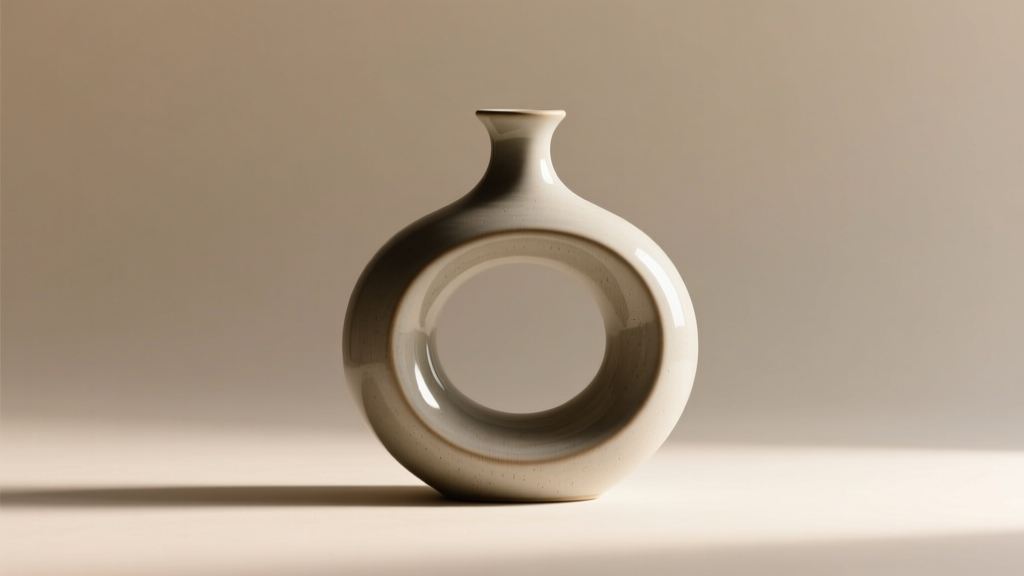
Types of Big Human Face Flower Pots
A big human face flower pot is a unique and increasingly popular decorative garden item that combines functionality with artistic expression. These planters serve a dual purpose: they act as containers for growing plants while also doubling as striking sculptural pieces that add personality and intrigue to indoor and outdoor spaces.
Originating from ancient traditions—such as the Greek practice of placing floral offerings in the heads of statues—modern human face pots have evolved into a diverse range of styles, materials, and designs. Whether used to enhance a garden, patio, or living room, these pots are more than just planters—they are conversation starters and artistic statements.
Classification by Material
The material of a human face flower pot significantly affects its durability, weight, weather resistance, and aesthetic appeal. Here’s a breakdown of the most common types:
Ceramic
Glazed or hand-painted ceramic pots offer a refined, artistic finish with excellent color retention.
Advantages
- Vibrant, customizable designs
- Smooth, elegant surface
- Good moisture resistance
- Ideal for indoor display
Limitations
- Heavy and fragile
- Poor frost resistance
- Limited outdoor use in cold climates
Best for: Indoor decor, artistic spaces, seasonal displays
Clay (Terracotta)
Natural, porous clay provides a rustic, earthy look and excellent breathability for plant roots.
Advantages
- Excellent aeration for plants
- Timeless, natural appearance
- Eco-friendly and biodegradable
- Affordable pricing
Limitations
- Prone to cracking in freezing temperatures
- Can dry out soil quickly
- Less detailed sculpting possible
Best for: Dry climates, succulents, rustic garden themes
Concrete
Dense and durable, concrete allows for highly detailed sculpting and long-term outdoor use.
Advantages
- Extremely durable and weather-resistant
- Supports intricate facial details
- Stable and wind-resistant
- Suitable for large-scale installations
Limitations
- Very heavy and hard to move
- Can be expensive
- May develop surface cracks over time
Best for: Outdoor gardens, permanent installations, architectural landscapes
Fiberglass
Lightweight composite material that mimics stone or concrete with greater flexibility.
Advantages
- Lightweight yet strong
- Resistant to cracking and weathering
- Allows for detailed, lifelike sculpting
- Easy to clean and maintain
Limitations
- Higher cost than clay or ceramic
- Can fade in prolonged sunlight
- Less natural texture than stone
Best for: Balconies, rooftops, modern decor, commercial spaces
Metal (Copper, Steel, Iron)
Stylish and industrial, metal pots offer a bold, contemporary aesthetic.
Advantages
- Modern, sleek appearance
- Durable and long-lasting
- Resistant to pests and rot
- Develops a unique patina over time
Limitations
- Potential for rust (unless treated)
- Poor insulation—can overheat roots
- Limited facial detail due to manufacturing constraints
Best for: Urban gardens, modern interiors, artistic installations
Classification by Design & Structure
Human face flower pots vary widely in artistic approach and structural design:
- Realistic Sculptures: Highly detailed faces with lifelike expressions, often inspired by historical figures, mythological beings, or specific ethnic features.
- Abstract Interpretations: Stylized or exaggerated features that suggest a human face without aiming for realism—ideal for modern or avant-garde spaces.
- Minimalist Designs: Simple impressions of eyes, nose, and mouth, focusing on clean lines and subtle character.
- Hand-Shaped Pots: Some designs incorporate hands cradling the pot or emerging from the sides, adding a dynamic, expressive element.
Classification by Plant Placement
The way plants are integrated into the design enhances the artistic effect:
- Top-Planted: Flowers grow from the top of the head, resembling a hat or floral crown.
- Mouth-Planted: Greenery emerges from the mouth, creating a whimsical or dramatic "speaking" effect—echoing ancient Greek and Roman traditions.
- Full-Face Coverage: Moss, ivy, or creeping plants grow across the entire face, giving the impression of a face overgrown with nature or wearing a "green wig."
Classification by Aesthetic & Function
| Type | Aesthetic Focus | Functional Use | Design Style | Ideal Setting |
|---|---|---|---|---|
| Realistic Human Face | High | Medium | Lifelike, detailed | Gardens, museums, themed spaces |
| Abstract Face | Very High | Low to Medium | Stylized, artistic | Modern interiors, galleries |
| Minimalist Face | Medium | High | Simple, clean | Urban homes, offices |
| Mythological/Themed | Very High | Low | Story-driven, symbolic | Themed gardens, cultural displays |
Design Tip: When selecting a human face flower pot, consider the environment—outdoor pots should be made from frost-resistant materials like fiberglass or concrete, while indoor pieces can prioritize artistic detail using ceramic or painted finishes.
Whether chosen for their artistic value, cultural symbolism, or gardening utility, big human face flower pots offer a creative way to blend nature and sculpture. Their growing popularity reflects a broader trend toward personalized, expressive outdoor and indoor spaces.
Designs of Big Human Face Flower Pots: A Comprehensive Guide
Big human face flower pots have evolved from simple garden ornaments into expressive art pieces that blend horticulture with cultural storytelling. These unique planters go beyond mere functionality, serving as focal points in gardens, homes, and public spaces. Their designs vary widely, reflecting diverse artistic visions, cultural identities, emotional expressions, and functional needs. Understanding the various design dimensions can help in selecting or creating the perfect human face planter for any setting.
Design Classification by Realism and Style
Realistic Human Face Pots
These planters are meticulously crafted to resemble actual human faces with high anatomical accuracy. Features such as detailed eyes, nose, lips, and skin textures are sculpted to mimic real-life appearances. Realistic designs are often used in memorial gardens, historical installations, or contemporary art landscapes where authenticity and emotional depth are desired.
Abstract Human Face Pots
Abstract versions simplify facial features into geometric shapes, exaggerated forms, or surreal interpretations. These designs prioritize artistic expression over realism and are popular in modern and minimalist settings. They invite viewers to interpret the emotions and identity behind the face, making them ideal for creative spaces and avant-garde decor.
Ethnic and Cultural Representation
One of the most fascinating aspects of human face flower pots is their ability to reflect global diversity. Designers create planters that represent a wide range of ethnic features, including but not limited to:
Many designs integrate cultural attire—such as African tribal masks, Native American headdresses, or Japanese kimonos—adding layers of meaning and historical context. This cultural richness makes them valuable in educational settings and multicultural environments.
Age-Based Facial Designs
Human face pots also vary by age representation, allowing for generational storytelling:
Children’s Faces
Playful and innocent, these designs often feature round cheeks, large eyes, and smiling expressions. Ideal for family gardens, schools, or children’s play areas, they evoke joy and nostalgia.
Youth and Adult Faces
Representing vitality and individuality, these planters often depict dynamic expressions and modern styles. They are popular in urban gardens and contemporary homes.
Elderly Faces
With deep wrinkles, wise eyes, and serene expressions, these pots symbolize wisdom and resilience. They are frequently used in meditation gardens, retirement homes, or as tributes to ancestors.
Emotional Expression in Design
The emotional tone of a face pot significantly influences its ambiance and suitability for different spaces:
Happy & Smiling Faces
These cheerful planters radiate positivity and warmth. Their upbeat expressions make them perfect for residential gardens, patios, and indoor living spaces, enhancing mood and creating a welcoming atmosphere.
Serious or Sad Faces
Conveying introspection or melancholy, these designs are more suited for art galleries, museums, or contemplative spaces. They provoke thought and emotional engagement, often used in installations exploring human conditions.
Functional vs. Decorative Designs
Another key distinction lies in the purpose of the planter:
| Type | Features | Best Use Cases |
|---|---|---|
| Functional Face Pots | Include drainage holes, proper soil depth, and durable materials for healthy plant growth. Designed for active gardening. | Backyards, balconies, urban farms, and home gardens. |
| Decorative Face Pots | May lack drainage or structural support for plants; focus is on visual impact. Often used with artificial plants or as standalone sculptures. | Indoor decor, art exhibitions, office lobbies, and event displays. |
| Artistic-Functional Hybrids | Blend aesthetics with usability—look sculptural but are fully functional for planting. | Designer gardens, luxury homes, and boutique hotels. |
Innovative and Whimsical Variations
Modern designers are pushing boundaries with imaginative concepts:
Material Influence on Design and Aesthetic
The choice of material not only affects durability but also shapes the artistic outcome:
Ceramic & Terracotta
Most common due to their moldability and classic appearance. Ceramic allows for fine detailing and glazing, while terracotta offers a rustic, earthy tone ideal for traditional or Mediterranean styles.
Fiberglass
Lightweight and weather-resistant, fiberglass enables large-scale, intricate designs without the weight of stone or concrete. Perfect for outdoor installations and commercial spaces.
Concrete
Durable and modern, concrete gives a bold, sculptural look. Often used in minimalist or industrial designs, it can be textured or polished for different finishes.
Metal
Used for accents or full metal face pots, often in copper, steel, or aluminum. Provides a sleek, modern aesthetic and can be combined with other materials for contrast.
Each material requires specific crafting techniques—such as hand-sculpting, molding, casting, or welding—which influence texture, finish, and overall artistic expression. The interplay between material and design determines not only visual appeal but also longevity and environmental suitability.
Note: When selecting a human face flower pot, consider both its artistic intent and practical requirements. A beautifully detailed ceramic face may crack in freezing climates, while a purely decorative concrete sculpture might not support live plants. Always assess the environment, maintenance needs, and intended use to ensure your planter thrives as both art and function.
How to Choose Big Human Face Flower Pots in Bulk
Selecting the right human face flower pots in bulk is more than just a decorative decision—it's a strategic business move that impacts customer satisfaction, product longevity, and brand reputation. Whether you're supplying garden centers, home décor retailers, or online marketplaces, understanding the key selection criteria ensures you offer high-quality, visually striking, and functional products that stand out in a competitive market.
Material Selection & Aesthetic Appeal
The material of a human face flower pot significantly influences its look, durability, weight, and price point. Different materials cater to various customer preferences and usage environments.
- Ceramic: Offers a smooth, glossy finish with vibrant color retention; ideal for indoor or sheltered outdoor use but can be fragile in extreme temperatures.
- Clay/Terracotta: Provides a natural, earthy appearance with excellent breathability for plants; however, it's porous and may crack in freezing conditions.
- Fiberglass: Lightweight and highly durable, resistant to cracking and weathering—perfect for large outdoor installations or rooftop gardens.
- Concrete: Heavy and robust, giving a bold, sculptural presence; excellent for permanent outdoor displays but requires strong handling and shipping considerations.
- Metal (e.g., corten steel, aluminum): Modern and industrial look; rust-resistant alloys are suitable for long-term outdoor use with proper sealing.
Pro tip: Offer a mix of materials to appeal to diverse customer segments—from rustic charm to contemporary design.
Handmade vs. Mass-Produced Craftsmanship
Handcrafted human face pots often carry a unique artistic value that mass-produced items lack. These artisanal pieces attract attention in retail settings and online platforms due to their individuality and storytelling potential.
- Handmade pots feature subtle variations in facial expressions, textures, and finishes—adding character and exclusivity.
- Artisan production supports small studios and sustainable practices, appealing to eco-conscious buyers.
- Mass-produced pots ensure consistency in size and design, making them ideal for large-scale landscaping projects or chain stores.
- Look for evidence of skilled craftsmanship—clean lines, balanced proportions, and detailed facial features like eyes, nose, and mouth.
Key insight: Position handmade collections as premium or limited editions to justify higher pricing and build brand prestige.
Color Trends and Customization Options
While wholesale orders may come with standard color assortments, staying ahead of design trends allows you to request custom hues or themed palettes that align with seasonal demand or regional preferences.
- Neutral tones (beige, gray, white) are timeless and blend well with modern and minimalist décor.
- Vibrant colors (cobalt blue, terracotta red, emerald green) make bold statements and are popular in bohemian or tropical-themed spaces.
- Metallic or antiqued finishes add elegance and work well in luxury or vintage-inspired environments.
- Ensure all paints and coatings are non-toxic, UV-resistant, and waterproof to prevent fading or peeling over time.
Market tip: Coordinate with interior design trends—e.g., earthy biophilic palettes or retro revival styles—to boost resale appeal.
Weather Resistance & Outdoor Durability
If the pots will be used outdoors, their ability to withstand environmental stressors is crucial for long-term performance and customer satisfaction.
- Pots should be made from weather-resistant materials that won’t degrade under prolonged sun exposure, rain, snow, or temperature fluctuations.
- Freeze-thaw resistance is essential in colder climates—avoid unglazed ceramics or porous materials without sealants.
- UV-stable finishes prevent color fading, especially important for brightly painted or glazed surfaces.
- Consider recommending protective covers or movable planters for extreme weather conditions.
Critical check: Ask suppliers for test reports or certifications confirming outdoor suitability and material stability.
Drainage & Plant Health Functionality
Aesthetics should never compromise functionality. Proper drainage is essential to prevent root rot and ensure healthy plant growth.
- Verify that each pot has at least one bottom drainage hole (preferably multiple for larger sizes).
- Some decorative pots come without holes—ensure availability of optional drilling services or recommend liner pots for indoor use.
- For wholesale buyers, consider offering kits with drainage plugs or saucers for versatility.
- Deep pots should have internal reservoirs or elevation feet to avoid water pooling.
Smart practice: Include basic planting guides with bulk orders to enhance customer experience and reduce return rates.
Size, Scale & Market Suitability
"Big" human face pots vary in scale—from tabletop accents (12–18 inches) to statement floor sculptures (3+ feet tall). Choosing the right size depends on your target market.
- Small to medium pots (12–24") suit urban apartments, patios, and gift markets.
- Large and oversized pots (24–48"+) are ideal for commercial landscapes, hotels, and public art installations.
- Consider weight and shipping logistics—fiberglass or resin composites offer large dimensions without excessive heaviness.
- Offer tiered sizing options to allow customers to mix and match for visual impact.
Logistics note: Confirm packaging standards and stacking capabilities to minimize damage during transit.
Professional Recommendation: When sourcing in bulk, prioritize suppliers who provide product samples, material specifications, and compliance documentation. Conduct a small trial order before committing to large volumes. Focus on vendors who balance artistic design with structural integrity and environmental resilience. This approach reduces risk and enhances customer trust in your product line.
| Material | Best Use Case | Weather Resistance | Weight Class | Lifespan (Outdoor) |
|---|---|---|---|---|
| Ceramic (glazed) | Indoor / Sheltered patios | Moderate | Medium | 2–4 years |
| Fiberglass | Outdoor gardens, rooftops | High | Light | 8+ years |
| Concrete | Landscaping, public art | Very High | Heavy | 10+ years |
| Clay/Terracotta | Indoor, seasonal display | Low (unless sealed) | Medium | 1–3 years |
| Metal (powder-coated) | Modern exteriors, commercial | High | Medium | 7–10 years |
Additional Considerations for Bulk Buyers
- Quality Certifications: Look for ISO standards, CE marking, or ASTM testing, especially for outdoor or commercial use.
- MOQ & Lead Times: Clarify minimum order quantities and production timelines to align with your inventory planning.
- Eco-Friendly Options: Recycled materials or biodegradable packaging can enhance brand image and appeal to sustainability-focused markets.
- Facial Expression Variety: Offer a range of emotions—serene, whimsical, dramatic—to suit different décor themes.
- Brandability: Some suppliers allow logo engraving or custom facial designs for private-label opportunities.
Scenarios for Big Human Face Flower Pots: Aesthetic & Functional Applications
Big human face flower pots are more than just planters—they are expressive art pieces that blend horticulture with sculpture to create dynamic visual interest. When thoughtfully placed and appropriately matched with plants and settings, these unique pots can enhance both indoor and outdoor environments, adding character, emotion, and conversation-worthy design elements. Their versatility allows them to serve functional gardening needs while simultaneously contributing to mood-setting and thematic storytelling in residential, commercial, and public spaces.
Design Insight: The human face motif in garden art taps into psychological familiarity, making spaces feel more personal and engaging. Faces naturally draw attention, making these pots excellent focal points in any environment.
Indoor & Outdoor Placement Ideas
Big human face flower pots are highly adaptable and can be integrated into a wide range of environments to elevate aesthetics and create memorable impressions.
- Indoor Spaces: Place face pots on shelves, in room corners, or near entryways to add life and personality to living rooms, foyers, or hallways. They work especially well in bohemian, eclectic, or artistic interiors.
- Office & Workspaces: Use serene or smiling face pots in offices, lobbies, or waiting areas to promote calmness and positivity. They can soften corporate environments and improve employee well-being.
- Patio & Balcony Decor: These pots bring whimsy or elegance to outdoor lounging areas. A laughing face with trailing ivy or a contemplative Buddha face with soft moss creates a distinctive ambiance.
- Gardens & Landscapes: Position face pots along walkways, near garden benches, or among flower beds to introduce a narrative element. They can evoke humor, mystery, or tranquility depending on the facial expression and surrounding greenery.
Emotional & Thematic Applications
The expressive nature of human face pots allows them to be selected based on the mood or message you wish to convey in a space.
- Celebratory & Festive Settings: Happy, smiling, or laughing face pots are ideal for parties, festivals, birthdays, or joyful home spaces. Pair them with bright annuals like marigolds or petunias to amplify cheerfulness.
- Meditative & Reflective Spaces: Sad, neutral, or serene faces—especially Buddha or monk-inspired designs—are perfect for meditation gardens, yoga studios, or counseling centers. They encourage introspection and emotional grounding.
- Theatrical or Art Installations: Use exaggerated or dramatic faces in avant-garde gardens, art exhibitions, or themed events (e.g., Halloween, Day of the Dead) to create striking visual statements.
Consider Sensitivity: While expressive, avoid placing mournful or intense face pots in areas meant for relaxation or child play unless part of a deliberate artistic theme. Context matters in emotional design.
Plant Pairing by Pot Type
Matching the right plant to the face pot enhances both the aesthetic harmony and functional success of the display.
| Face Pot Type | Recommended Plants | Design Rationale | Best Environment |
|---|---|---|---|
| Buddha or Serene Faces | Peace lilies, ferns, moss, bamboo | Soft, flowing greenery complements calm expressions and promotes tranquility | Indoor spaces, meditation gardens, wellness centers |
| Happy/Smiling Faces | Petunias, marigolds, begonias, trailing ivy | Bright flowers echo joy; cascading plants mimic laughter or energy | Patios, event spaces, children’s areas |
| Thematic or Cultural Faces | Seasonal blooms, succulents, ornamental grasses | Plants that reflect cultural or seasonal symbolism (e.g., chrysanthemums for autumn) | Festivals, cultural gardens, holiday displays |
| Dramatic/Abstract Faces | Succulents, air plants, cacti, sculptural foliage | Low-maintenance, architectural plants match bold forms | Modern interiors, art installations, dry climates |
Seasonal & Climate-Based Usage
Face pots can be rotated or decorated according to seasons, aligning with weather patterns and horticultural needs.
- Winter: Use face pots decorated with holiday motifs (snowflakes, evergreens) and fill with cold-tolerant plants like holly, winter jasmine, or ornamental cabbage.
- Spring: Refresh pots with cheerful expressions and plant tulips, pansies, or daffodils to celebrate renewal.
- Summer: Choose sun-loving face pots with vibrant expressions and fill with heat-resistant flowers like zinnias, lantana, or geraniums.
- Fall: Opt for earth-toned pots with wise or reflective faces, pairing them with mums, sedum, or ornamental kale.
Pro Tip: For seasonal transitions, consider using removable planters inside the face pots. This allows easy swapping of plants without damaging the pot or disturbing the design.
Functional Considerations
While aesthetics are central, ensure the pots are functional:
- Choose pots with proper drainage to prevent root rot.
- Use lightweight materials (resin, fiberglass) for balconies or high-traffic areas.
- Match pot size to plant root systems—larger faces should accommodate deeper soil for healthy growth.
- Consider UV-resistant finishes for outdoor use to prevent fading.
Big human face flower pots are a powerful fusion of art and nature. Whether used to spark joy, encourage reflection, or simply beautify a space, their impact goes beyond decoration. By aligning the pot’s expression, plant choice, and placement with the intended environment and season, you can create meaningful, living installations that captivate and inspire.
Frequently Asked Questions About Human Face Flower Pots
Q1: Is it possible for human face pots to survive outdoors?Yes, most human face flower pots are designed to endure outdoor environments, especially when made from durable, weather-resistant materials such as ceramic, terracotta, concrete, or composite resin. These materials offer good resistance to moisture, temperature fluctuations, and UV exposure.
- Ceramic & Glazed Pots: Often frost-resistant if properly fired and sealed—ideal for year-round outdoor use in mild climates.
- Terracotta: Naturally porous and breathable, which benefits plant roots, but can absorb water and crack in freezing temperatures if not sealed.
- Concrete: Extremely durable and long-lasting, though heavy and prone to chipping if dropped.
- Tips for Outdoor Use: Elevate pots slightly off the ground using pot feet to improve drainage and reduce moisture absorption. In regions with harsh winters, consider moving more vulnerable materials indoors during cold months.
Always check product specifications or labels to confirm whether a particular face pot is rated for outdoor use.
Q2: Do face pots have drainage holes?Many functional face flower pots are equipped with drainage holes to allow excess water to escape, making them suitable for healthy plant growth and preventing root rot. However, this varies significantly depending on the pot’s design and purpose:
- Planting Pots: Typically include one or more drainage holes at the bottom to support proper watering practices.
- Decorative Pots: Often lack drainage holes and are intended as outer cache pots. These can be used by placing a smaller, potted plant inside or by lining the pot with a waterproof container.
- DIY Option: Some gardeners drill their own holes in non-draining pots, but this should be done carefully—especially with ceramic or concrete—to avoid cracking.
For best results, ensure your plant has adequate drainage. If using a decorative face pot without holes, avoid overwatering and empty any standing water from saucers after watering.
Q3: What size of face pot should be used for planting a succulent?Succulents thrive in small to medium-sized pots that match the size of their root system. Since succulents store water in their leaves and have relatively compact roots, a small face pot (typically 3–6 inches in diameter) is ideal.
- Pot Size: Choose a pot only slightly larger than the plant’s root ball—about 1–2 inches of space around the roots allows room for growth without excess soil retaining too much moisture.
- Drainage Importance: Despite the original suggestion, a drainage hole is highly recommended—even essential—for succulents. Without proper drainage, water accumulates and leads to root rot, one of the most common causes of succulent death.
- Soil Type: Use a well-draining cactus or succulent mix, and consider adding perlite or pumice to improve aeration.
While small face pots add charm and personality to succulent displays, always prioritize plant health by ensuring proper drainage and avoiding overly large containers that hold moisture for too long.
Q4: Are human face pots made for all types of weather?Not all human face pots are suitable for every climate. Their weather resistance depends heavily on the material used in construction:
| Material | Weather Resistance | Winter Care Recommendations |
|---|---|---|
| Ceramic (Glazed) | High (if frost-proof) | Generally safe outdoors year-round in moderate climates. |
| Terracotta | Moderate | Prone to cracking in freeze-thaw cycles; store indoors during winter. |
| Concrete | High durability, but porous | Can crack when water inside freezes; bring indoors or cover in cold regions. |
| Metal (e.g., iron, steel) | Varies by coating | Rust-prone; protect from moisture and extreme cold to prevent corrosion. |
| Resin/Composite | Excellent—lightweight and freeze-thaw resistant | Suitable for all seasons and climates. |
To maximize longevity, select a pot material suited to your local climate and consider seasonal care—especially in areas with freezing temperatures.
Q5: Can human face pots be placed in direct sunlight?Yes, human face pots can generally be placed in direct sunlight, but the suitability depends on both the pot material and the type of plant being grown:
- Sun-Loving Plants: Succulents, cacti, and many herbs enjoy full sun and do well in face pots placed in bright, sunny locations.
- Material Considerations:
- Metal Pots: Can become extremely hot in direct sunlight, potentially damaging roots or scorching soil. It's best to place them in partial shade or use them as decorative outer pots.
- Dark-Colored Pots: Absorb more heat—monitor soil temperature and moisture levels more closely.
- Concrete & Ceramic: More heat-resistant, but still benefit from some afternoon shade in extremely hot climates.
- Plant Sensitivity: Shade-loving plants (like ferns or peace lilies) should not be placed in direct sun regardless of pot type.
For optimal results, match the pot’s placement to both the plant’s light needs and the pot’s material properties. When in doubt, morning sun with afternoon shade offers a balanced environment for most potted plants.









