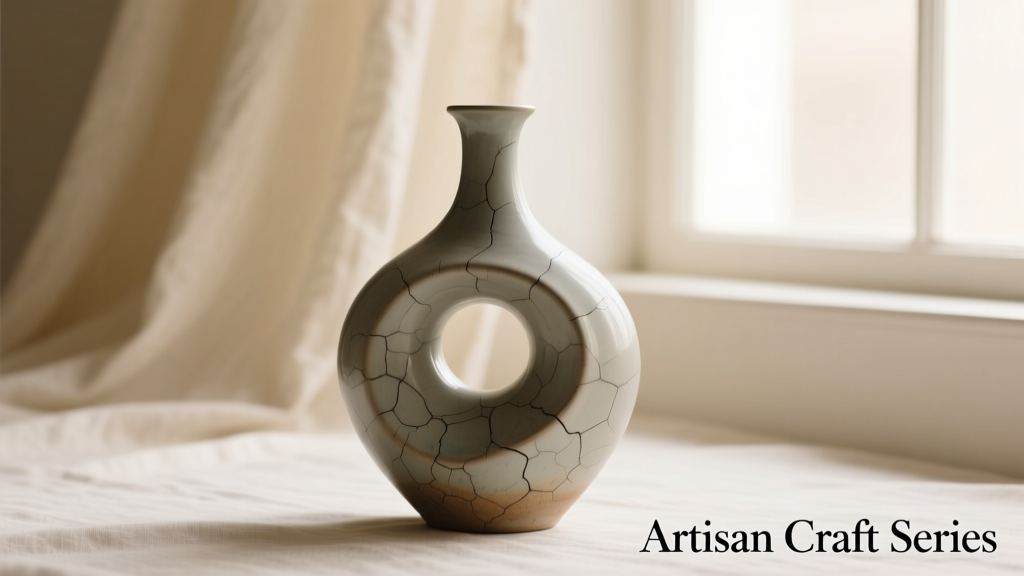
Types of Bestekes: A Comprehensive Guide to Serving Bowls
A besteke is a large, versatile serving bowl commonly used in professional kitchens, restaurants, and homes for presenting a wide variety of dishes. These bowls come in a range of sizes—from compact one-pint versions to oversized models holding over 15 quarts—making them ideal for everything from intimate family meals to large banquets. Designed with both function and aesthetics in mind, bestekes are crafted from durable materials such as stoneware, porcelain, earthenware, glass, and metal, each suited to specific culinary needs. Whether you're serving steaming stews, chilled salads, or fresh fruit displays, choosing the right type of besteke enhances both food presentation and dining experience.
D Inner Besteke
Designed for hearty, saucy dishes like stews, curries, and braised meats, the D Inner Besteke features a deep, narrow profile that minimizes splashing and retains heat effectively.
Advantages
- Excellent heat retention for warm dishes
- Reduced risk of spills due to high, curved walls
- Ideal for family-style dining and communal meals
- Available in elegant stoneware, porcelain, and glass finishes
Limitations
- Limited visibility of contents due to depth
- Less suitable for cold or room-temperature dishes
- Narrow opening can make serving with large utensils challenging
Best for: Thick stews, casseroles, chili, and slow-cooked meals served warm
S Outer Besteke
This innovative double-walled design features an inner bowl for heat retention and an outer bowl made from rapidly cooling materials, making it perfect for temperature-sensitive dishes.
Advantages
- Enables quick cooling of hot-prepared dishes
- Maintains ideal serving temperature for cold foods
- Versatile for both hot-to-cold transitions and chilled presentations
- Great for pasta salads, rice bowls, and layered dishes
Limitations
- Heavier than standard bowls due to dual construction
- Requires careful handling to avoid thermal shock
- More complex cleaning process due to layered design
Best for: Dishes served at room temperature or chilled, such as pasta salads, grain bowls, and marinated vegetables
Soup Besteke
Specifically engineered for liquid-based dishes, the Soup Besteke has tall, rounded walls that prevent spills and maintain soup temperature during service.
Advantages
- High walls reduce splashing and spilling
- Made from durable earthenware or porcelain for longevity
- Often sold with matching soup plates or ladles for cohesive presentation
- Retains heat well for hot soups and chowders
Limitations
- Not ideal for solid or semi-solid foods
- Deep shape may limit accessibility for some diners
- Requires careful stacking to avoid chipping
Best for: Broths, chowders, bisques, and other liquid-based dishes served hot
Fruit Besteke
With a wide, shallow profile, the Fruit Besteke is designed to showcase colorful fruits and desserts, making them visually appealing on any table.
Advantages
- Maximizes visual appeal for fresh produce and desserts
- Easy access for guests to serve themselves
- Available in elegant ceramic and glass finishes
- Perfect for centerpieces and formal dining settings
Limitations
- Poor heat retention—unsuitable for warm dishes
- Shallow design increases risk of tipping if overfilled
- May require frequent refilling due to open layout
Best for: Fresh fruit platters, fruit salads, berries, and decorative dessert displays
Cereal Bestekes
Compact and functional, Cereal Bestekes are ideal for breakfast service, offering a stable base and raised sides to prevent spills while eating cereals, yogurts, or desserts.
Advantages
- Stable, wide base prevents tipping during use
- Perfect size for individual breakfast portions
- Versatile enough for cereals, yogurt, oatmeal, and even puddings
- Available in multiple materials including earthenware, porcelain, stoneware, and metal
Limitations
- Too small for serving larger groups
- Not suitable for soups or stews due to size
- Metal versions may conduct heat too quickly
Best for: Breakfast items like cereal, yogurt, granola, and small desserts
| Type | Best For | Material Options | Temperature Suitability | Ideal Setting |
|---|---|---|---|---|
| D Inner Besteke | Stews, curries, braised dishes | Stoneware, porcelain, glass | Hot | Family dining, comfort meals |
| S Outer Besteke | Pasta salads, grain bowls, chilled dishes | Double-walled composites | Cold/Room temperature | Casual dining, buffets |
| Soup Besteke | Soups, broths, chowders | Earthenware, porcelain | Hot | Restaurants, formal dinners |
| Fruit Besteke | Fruit platters, desserts | Ceramic, glass | Ambient | Formal events, brunches |
| Cereal Besteke | Cereal, yogurt, breakfast items | Earthenware, porcelain, stoneware, metal | Hot or cold | Breakfast service, cafes |
Expert Tip: When selecting bestekes for commercial use, prioritize chip-resistant stoneware or reinforced porcelain for durability. For home entertaining, consider investing in a matching set of fruit and soup bestekes to create a cohesive and elegant table presentation.
The Art and Functionality of Besteke Design
The design of a besteke—a decorative bowl or centerpiece vessel—plays a pivotal role in enhancing the visual appeal of any space, whether it's a dining table, living room, or event setup. Its aesthetic impact is shaped by a combination of form, material, size, and finish, all of which must be thoughtfully selected to complement the occasion, personal taste, and the nature of the arrangement it holds.
Design Elements That Define a Besteke
Style and Aesthetic Approach
The choice of style in a besteke often reflects the user’s personality and the event’s theme. Minimalist designs, such as plain ceramic or monochrome bowls, offer a clean, modern look ideal for contemporary settings or understated elegance. These are perfect for highlighting simple floral arrangements or natural elements like stones or candles.
In contrast, ornate metal bestekes—crafted with intricate carvings, embossing, or filigree work—add a sense of opulence and tradition. These are particularly suited for formal gatherings, weddings, or cultural celebrations where visual richness is desired.
Material and Transparency
The material of the besteke significantly influences both its appearance and functionality. Glass bestekes are highly popular for their transparency, allowing the inner contents—such as layered sand, floating flowers, or submerged candles—to be fully visible and appreciated. This makes them excellent for creating depth and dimension in a centerpiece.
Ceramic, metal, and resin options provide more structural variety and color options, enabling greater customization. Each material also interacts differently with light and surrounding décor, so the choice should align with the ambient lighting and overall design scheme.
Size and Shape Considerations
The size and shape of a besteke must be proportionate to its intended display and environment. A large, rounded or domed bowl works beautifully as a focal point for bold, voluminous centerpieces—such as cascading floral arrangements or lush greenery—especially on wide tables or in spacious rooms.
On the other hand, narrow, elongated, or rectangular bestekes are better suited for linear arrangements, such as runner-style floral displays or minimalist succulent gardens. These shapes are ideal for long tables or modern dining setups where symmetry and flow are emphasized.
Finish and Surface Texture
The finish of a besteke affects both its visual tone and practical usability. Polished finishes—common in metal or glass bestekes—create a sleek, formal appearance and reflect light elegantly, making them ideal for upscale events. However, they may show fingerprints or scratches more easily.
Matte finishes offer a softer, more contemporary aesthetic and are less prone to showing wear. They also provide better grip and reduce slippage, which is beneficial when handling the bowl or placing it on smooth surfaces. For high-traffic or outdoor settings, matte or textured finishes are often more practical and durable.
Functional and Decorative Enhancements
Beyond the bowl itself, additional design features can elevate both the utility and beauty of a besteke. Handles, for example, not only make the bowl easier to carry but can also serve as artistic elements—especially when crafted in matching or contrasting styles.
Stands and elevated bases add height and dimension, drawing attention to the centerpiece and improving visibility across a table. Bases can be made of wood, metal, or acrylic, each contributing a different visual weight and style. Some bestekes even include multi-tiered platforms for layered arrangements, combining form and function seamlessly.
| Design Feature | Best For | Tips for Selection |
|---|---|---|
| Minimalist Ceramic | Modern interiors, casual events | Choose neutral tones to match various color schemes; ideal for single-stem or small arrangements |
| Ornate Metal | Weddings, cultural events, luxury settings | Look for handcrafted details; pair with rich fabrics and warm lighting |
| Transparent Glass | Displaying layered contents, aquatic themes | Use colored liners or LED lights to enhance visual depth |
| Elevated Base | Dining tables, exhibition displays | Ensure stability; match base material with room décor |
Note: When selecting a besteke, always consider the environment in which it will be used. Outdoor settings may require weather-resistant materials, while high-traffic areas benefit from durable, scratch-resistant finishes. Proper care and storage will extend the life of your besteke and preserve its beauty for future use.
Scenarios of Besteke: Where Style Meets Functionality
Purchasing besteke bowls in bulk offers significant advantages for B2B clients across multiple industries. These elegant and versatile serving pieces go beyond traditional tableware, serving as essential tools for presentation, decor, and customer experience. From fine dining to event design, besteke bowls enhance both utility and aesthetic appeal in professional environments.
Restaurants and Catering Services
Besteke bowls—both inner and outer variants—are integral to modern restaurant operations and catering setups. Their refined design elevates food presentation, making them ideal for serving soups, salads, pasta dishes, rice bowls, desserts, and appetizers with sophistication.
- Versatile serving solutions: Large-capacity bowls are perfect for buffet-style setups, family-style dining, or banquet plating. <
- Enhanced visual appeal: The sleek finish and elegant shape of besteke bowls complement gourmet plating techniques and modern table settings.
- Heat retention: High-quality materials help maintain food temperature during service, especially important in catering events.
- Branding opportunity: Custom-engraved or uniquely styled bowls can reinforce a restaurant’s brand identity.
Pro insight: Pairing bestekes with garnishes or layered ingredients maximizes visual impact on the plate.
Hotels and Banquet Halls
In upscale hospitality venues, besteke bowls are more than just dishware—they are key elements in creating luxurious dining experiences and elegant event spaces.
- Multi-functional use: Used for plated meals, self-service stations, or decorative centerpieces at weddings and conferences.
- Design flexibility: Available in various finishes (matte, glossy, metallic) and sizes to match event themes and tablescapes.
- Durability for high-volume use: Commercial-grade bestekes withstand repeated washing and heavy daily use in hotel kitchens.
- Table elegance: Their presence adds a touch of refinement to formal dining setups, enhancing guest perception of quality.
Design tip: Use nested bestekes as tiered displays for desserts or hors d'oeuvres at grand receptions.
Retail and Home Goods Stores
Besteke bowls have become must-have items in retail stores specializing in kitchenware, home décor, and lifestyle products. Their dual functionality as both practical dishware and stylish décor drives strong consumer interest.
- High-margin product: Sold individually or in curated sets (e.g., nesting bowls, artisan collections), they appeal to gift shoppers and home decorators.
- Versatile display options: Ideal for countertop, shelf, or window displays due to their eye-catching design.
- Cross-category appeal: Marketed in kitchen, dining, and décor sections, increasing visibility and sales potential.
- Consumer uses: Customers use them for meal prep, food storage, serving guests, or as decorative accents in living spaces.
Sales strategy: Bundle bestekes with matching trays or utensils to increase average transaction value.
Event and Party Rental Services
Rental companies specializing in event equipment consider bestekes a staple in their inventory due to their adaptability and aesthetic value across event types.
- Themed events: Perfect for rustic, modern, boho, or luxury themes—especially when paired with floral arrangements or themed linens.
- Serving versatility: Used for food stations, dessert bars, punch bowls, or even as floating candle displays.
- Reusable and durable: High-quality bestekes endure frequent cleaning and transportation without chipping or fading.
- Client satisfaction: Adds a premium feel to events, helping rental businesses stand out in a competitive market.
Trend alert: Gold-rimmed or handcrafted ceramic bestekes are in high demand for weddings and corporate galas.
Floral Shops and Interior Designers
For creative professionals, besteke bowls offer endless possibilities beyond the dining table. Their artistic form and structural integrity make them ideal for decorative and functional design applications.
- Floral arrangements: Serve as elegant vases for centerpieces, bouquets, or seasonal displays (e.g., holiday greens, spring tulips).
- Home accents: Used to hold candles, potpourri, decorative stones, or fresh fruit for stylish interior vignettes.
- Custom installations: Interior designers incorporate bestekes into wall art, entryway displays, or bathroom décor for a curated look.
- Material diversity: Options in ceramic, metal, glass, or composite materials allow for tailored design integration.
Creative idea: Combine bestekes of varying heights and textures to create dynamic visual layers in retail or event spaces.
Additional Commercial Applications
While the primary markets are well-established, innovative businesses continue to discover new uses for bestekes in branding, wellness, and experiential retail.
- Spas and wellness centers: Use bestekes for displaying bath salts, candles, or aromatherapy items.
- Cooking classes and culinary schools: Employ them for ingredient prep and demonstration plating.
- Photo studios: Utilize bestekes as props in food, lifestyle, and product photography.
- Corporate gifting: Branded bestekes serve as premium promotional items for clients and employees.
Emerging trend: Eco-friendly bestekes made from sustainable materials are gaining traction in green-certified businesses.
Professional Insight: When sourcing besteke bowls in bulk, prioritize suppliers offering consistent sizing, durable materials, and design variety. Consider ordering samples first to evaluate quality, weight, and finish under real-world conditions. For maximum ROI, choose pieces that can transition seamlessly between functional and decorative roles across departments or client projects.
| Industry | Primary Use | Recommended Material | Best Quantity Range (Bulk) |
|---|---|---|---|
| Restaurants & Catering | Food presentation and service | Ceramic or stoneware | 50–200+ units |
| Hotels & Banquets | Dining service and decor | Glazed ceramic or metal | 100–500+ units |
| Retail Stores | Sales and display | Artisan ceramic or composite | 25–150 units (by collection) |
| Event Rentals | Multipurpose event styling | Durable ceramic or resin | 200–1000+ units |
| Interior Design & Floristry | Decorative installations | Handcrafted ceramic or metal | 10–100 units (by project) |
Key Benefits of Bulk Purchasing Besteke Bowls
- Cost efficiency: Volume discounts reduce per-unit cost, improving profit margins or lowering operational expenses.
- Consistency: Uniform design and finish ensure cohesive branding and professional presentation.
- Inventory reliability: Stocking up prevents shortages during peak seasons or high-demand events.
- Customization options: Many suppliers offer bulk customization (logos, colors, finishes) for branded experiences.
- Sustainability: Reusable bestekes reduce reliance on disposable tableware, supporting eco-conscious business practices.
Material of Besteke: A Comprehensive Guide to Common Kitchenware Materials
Bestekes—commonly used for serving, storing, and presenting food—are crafted from a wide range of materials, each offering distinct aesthetic, functional, and durability characteristics. Choosing the right material depends on your lifestyle, dining preferences, and design goals. Below is a detailed overview of the most popular materials used in bestekes, including their benefits, limitations, and ideal use cases.
Pro Tip: When selecting bestekes, consider both form and function. While appearance matters for presentation, durability and ease of maintenance are equally important, especially for everyday use or large gatherings.
Stoneware
Stoneware is one of the most popular choices for everyday kitchenware due to its durability and versatility. Made from dense clay that is fired at high temperatures (typically between 1,200°C and 1,300°C), stoneware becomes non-porous and highly resistant to chipping and cracking. This makes it ideal for both cooking and serving.
Many stoneware pieces are glazed with a high-gloss or matte finish, enhancing their water resistance and making them easy to clean. Available in a vast array of colors, textures, and designs—including hand-painted patterns and embossed details—stoneware blends seamlessly into both casual and elegant table settings.
- Durability: Highly resistant to thermal shock and daily wear
- Versatility: Oven, microwave, and dishwasher safe (depending on glaze)
- Aesthetic: Rustic charm with modern design options
- Best For: Everyday meals, family dinners, and casual entertaining
Porcelain
As a refined member of the ceramic family, porcelain is crafted from fine white clay (kaolin) and fired at even higher temperatures than stoneware, resulting in a dense, strong, and often translucent material. Known for its smooth, glass-like surface, porcelain bestekes exude elegance and sophistication.
Porcelain is exceptionally durable, with high resistance to scratches, stains, and heat. Its glossy finish enhances visual appeal, making it a top choice for formal dining, holiday feasts, and special occasions. Despite its delicate appearance, porcelain is surprisingly resilient when handled with care.
- Appearance: Sleek, luminous, and refined
- Functionality: Resistant to thermal shock and ideal for oven-to-table use
- Maintenance: Non-porous and easy to clean; resists odor absorption
- Best For: Formal dinners, weddings, and upscale table settings
Metal
Metal bestekes are prized for their strength, modern appeal, and longevity. Common metals include stainless steel, aluminum, and pewter—each offering unique properties. Stainless steel is the most widely used due to its corrosion resistance, hygienic surface, and ability to withstand rigorous cleaning.
Metal bestekes are often polished to a high shine for a luxurious look or finished with a brushed or matte texture for a contemporary aesthetic. They are virtually unbreakable, making them perfect for outdoor events, picnics, and high-traffic environments like restaurants or cafeterias.
Additionally, metal conducts heat well, which can be beneficial for serving warm dishes or keeping food at desired temperatures.
- Durability: Resistant to breakage, dents, and extreme temperatures
- Hygiene: Non-porous and easy to sanitize
- Versatility: Suitable for indoor and outdoor use
- Best For: Buffets, catering, outdoor dining, and commercial kitchens
Glass
Glass bestekes offer a clean, transparent look that highlights the beauty of the food or decorative items they contain. From simple clear bowls to intricately cut, etched, or embossed designs, glass adds a touch of elegance and modernity to any table.
High-quality glassware is often tempered for added strength and thermal resistance, allowing it to be used in ovens, microwaves, and freezers. Its non-reactive surface ensures no flavor transfer, making it ideal for serving acidic or aromatic foods.
While glass bestekes are visually striking and easy to clean, their main drawback is fragility. They are more prone to chipping or shattering if dropped or exposed to sudden temperature changes.
- Visual Appeal: Transparent and reflective, enhances food presentation
- Functionality: Microwave, oven, and dishwasher safe (if tempered)
- Care Required: Handle with care to avoid breakage
- Best For: Desserts, salads, decorative displays, and modern tablescapes
Ceramic
Ceramic bestekes encompass a broad category that includes both stoneware and porcelain, but also earthenware and other handcrafted varieties. Ceramics are made from clay that is shaped and fired, then often glazed for durability and aesthetic enhancement.
What sets ceramic bestekes apart is their artistic versatility. They can be hand-painted, printed with intricate patterns, or feature embedded artwork, making each piece a unique statement. Ceramics are excellent for both functional use and decorative purposes, adding warmth and personality to your kitchen or dining room.
Most ceramic bestekes are heat-resistant and easy to clean, though lower-fired earthenware may be more porous and require gentle handling.
- Artistic Value: Wide range of colors, textures, and handmade designs
- Practicality: Oven-safe and dishwasher-friendly (depending on type)
- Eco-Friendly: Often made from natural materials and recyclable
- Best For: Everyday use, giftware, artisanal dining, and home décor
| Material | Durability | Heat Resistance | Best Use Case | Care Instructions |
|---|---|---|---|---|
| Stoneware | High | Excellent (oven-safe) | Everyday meals, family dining | Dishwasher safe; avoid thermal shock |
| Porcelain | Very High | Excellent (microwave & oven-safe) | Formal dining, special events | Dishwasher safe; handle with care |
| Metal | Exceptional | High (varies by metal) | Outdoor events, commercial use | Dishwasher safe; polish to maintain shine |
| Glass | Moderate (fragile if not tempered) | Good (if tempered) | Serving, display, modern décor | Hand wash recommended; avoid sudden temperature changes |
| Ceramic | Varies (high for stoneware/porcelain) | Good to Excellent | Versatile: daily use to decorative | Dishwasher safe; check manufacturer guidelines |
Design Insight: Mixing materials—such as pairing ceramic serving bowls with metal utensils or glass platters with porcelain accents—can create a dynamic and visually engaging tablescape. Just ensure the styles complement each other for a cohesive look.
Maintenance Tips by Material
- Stoneware & Ceramic: Avoid sudden temperature changes to prevent cracking. Use non-abrasive cleaners to preserve glaze.
- Porcelain: Stack carefully with felt protectors to avoid scratching. Check for metal trim if using in microwaves.
- Metal: Dry immediately after washing to prevent water spots. Use stainless steel polish for shine restoration.
- Glass: Hand wash delicate or etched pieces. Store vertically to prevent chipping.
Selecting the right bestekes material enhances both the functionality and beauty of your dining experience. Whether you prioritize durability, elegance, or artistic flair, understanding the characteristics of each material empowers you to make informed choices that align with your lifestyle and aesthetic preferences.
Remember, proper care extends the life of your bestekes, regardless of material. Always follow manufacturer recommendations for cleaning and storage to maintain their appearance and performance for years to come.
Frequently Asked Questions About Besteke Bowls
Q1: Can Besteke Bowls Be Used in the Microwave or Dishwasher?Besteke bowls are available in a variety of materials, each with different care requirements. Understanding the material is essential to ensure safe and long-lasting use:
- Metal Besteke Bowls: These are generally not microwave-safe due to the risk of sparking or damaging the microwave. However, they are typically dishwasher-safe and very easy to clean, making them ideal for everyday use.
- Stoneware and Earthenware: These ceramic-based materials are often microwave-safe and highly dishwasher-friendly, though it's important to check for metallic glazes or decorative finishes that may not be suitable for microwaves.
- Wood or Bamboo: These natural materials should be hand-washed only and kept out of both microwaves and dishwashers to prevent warping, cracking, or deterioration.
- Plastic or Melamine: While often dishwasher-safe on the top rack, many plastic besteke bowls are not microwave-safe unless specifically labeled as such.
Pro Tip: Always check the manufacturer’s label or product description before placing any besteke bowl in the microwave or dishwasher to avoid damage or safety hazards.
Q2: How To Select The Right Size Besteke Bowl?Choosing the appropriate size of a besteke bowl enhances both functionality and visual appeal. Consider the following factors when selecting the right size:
- Purpose of Use:
- Small bowls (4–6 inches): Perfect for individual servings, snacks, dips, condiments, or side dishes.
- Medium bowls (7–9 inches): Ideal for salads, cereals, or portioned meals.
- Large bowls (10+ inches): Best for serving family-style meals, pasta, fruit salads, or as centerpiece displays.
- Type of Content:
- Foods like rice or pasta expand when served; opt for deeper, larger bowls.
- For decorative use (e.g., flowers or fruits), ensure the bowl provides enough depth and stability.
- Proportions and Presentation: The bowl should be proportionate to the table setting or display area. Oversized bowls on small tables can look unbalanced, while tiny bowls may appear lost on large surfaces.
- Portion Control: In dining settings, appropriately sized bowls help manage portion sizes and enhance the overall dining experience.
When in doubt, having a variety of sizes allows for greater versatility across different occasions and uses.
Q3: Are Besteke Bowls Only for Serving Food?No, besteke bowls have evolved beyond their traditional role in food service and are now valued for their aesthetic and functional versatility throughout the home:
- Home Decor: Use them as elegant centerpieces on dining tables, coffee tables, or entryway consoles. Fill with decorative elements like candles, pinecones, seashells, or seasonal ornaments.
- Vases and Floral Displays: Their wide openings and stable bases make many besteke bowls excellent for holding fresh or dried flowers, greenery, or floating candles.
- Storage Solutions: Keep them in the kitchen for storing utensils, in the bathroom for cotton balls or soaps, or in the entryway for keys, coins, and sunglasses.
- Gifting and Styling: Artisan besteke bowls are often used in gift baskets or styled in lifestyle photography for their visual appeal.
With their blend of craftsmanship and design, besteke bowls serve as both practical tools and decorative accents, seamlessly integrating into modern living spaces.
Q4: What Makes Besteke Bowls Special?Besteke bowls stand out due to their unique combination of craftsmanship, design, and multifunctionality:
- Diverse Materials: Crafted from metal, ceramic, wood, glass, or composite materials, each offers distinct textures, weights, and visual characteristics.
- Artistic Designs: Many feature hand-painted patterns, embossed details, or artisan finishes that elevate them from simple dishware to collectible art pieces.
- Cultural Significance: In some regions, besteke bowls are part of traditional tableware or ceremonial use, adding heritage value.
- Versatility: They transition effortlessly from kitchen utility to home decor, making them a smart investment for style and function.
- Sustainability: High-quality, durable besteke bowls reduce reliance on disposable dishware, supporting eco-friendly living.
Whether used for everyday meals or as decorative elements, besteke bowls enhance the ambiance of any space while offering lasting utility and timeless appeal.









