Cats scratch. It’s not a behavior born of mischief or spite—it’s an instinct deeply woven into their biology. Scratching helps cats shed old claw sheaths, stretch their muscles, mark territory with scent glands in their paws, and relieve stress. Unfortunately, when this natural urge meets your favorite sofa, the result can be frayed fabric, exposed foam, and mounting frustration. The good news is that you don’t have to choose between a shredded couch and a happy cat. With the right strategies, you can redirect your feline’s scratching habits humanely—preserving both your furniture and your pet’s physical and emotional well-being.
Understanding Why Cats Scratch Furniture
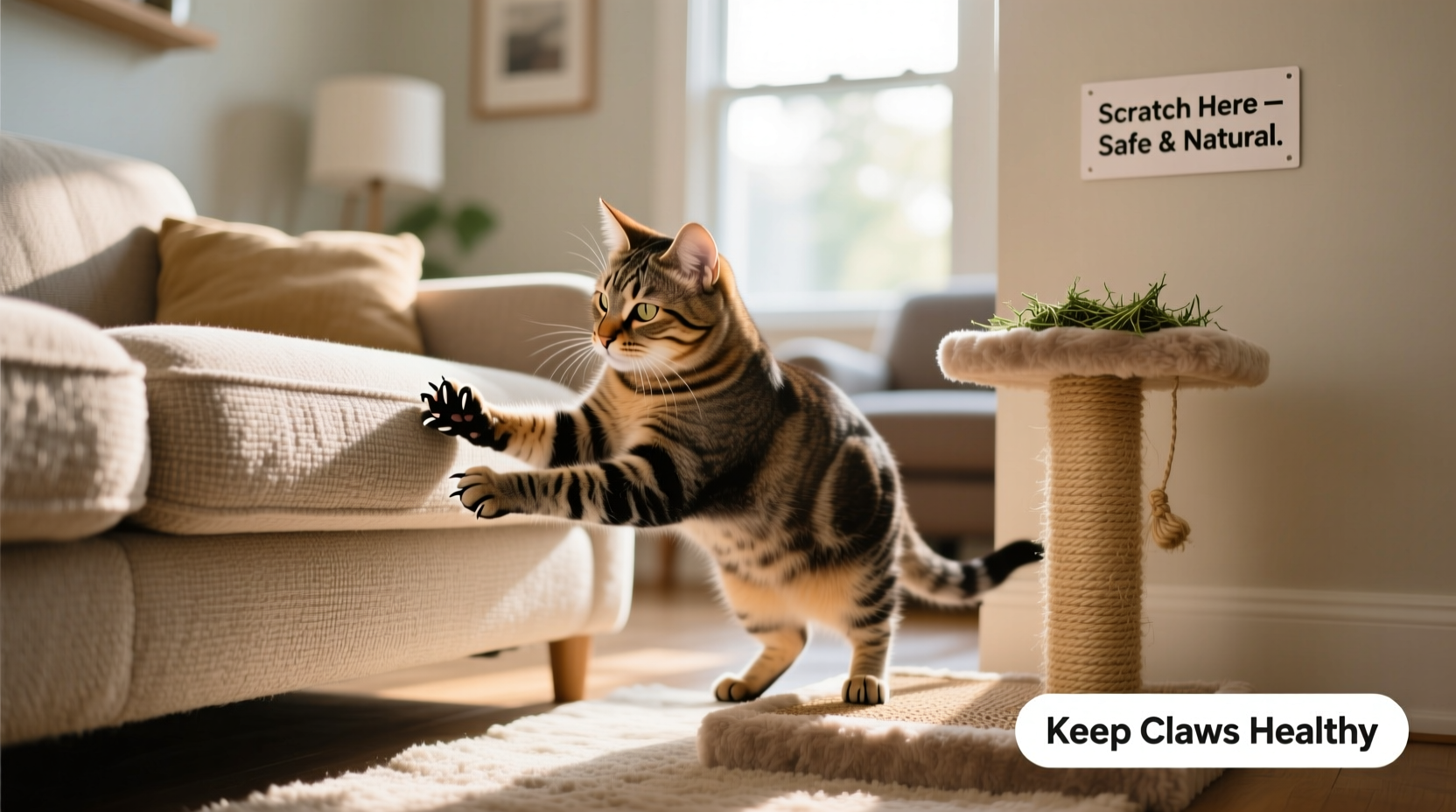
To effectively address destructive scratching, it's essential to understand what drives the behavior. Cats aren't trying to ruin your home; they're responding to innate needs. These include:
- Claw maintenance: Scratching removes dead outer layers of the claws, keeping them sharp and healthy.
- Muscle stretching: The motion engages shoulder, back, and leg muscles after long periods of rest.
- Scent marking: Cats have scent glands between their paw pads. Scratching deposits pheromones, signaling safety and ownership.
- Emotional regulation: Scratching can be a response to anxiety, excitement, or territorial instincts.
When a cat chooses your couch as its preferred scratching post, it’s often because the surface offers the right texture (like sisal-like weaves or vertical orientation) and is located in a high-traffic or resting area—places where your cat feels most secure.
Tip: Never punish your cat for scratching. This increases stress and may worsen the behavior without addressing the root cause.Provide Appealing Alternatives: The Right Scratching Posts
The cornerstone of any successful anti-scratching strategy is offering better options. A cat won’t abandon the couch unless something more attractive replaces it. Not all scratching posts are created equal—many commercially available models fail because they’re unstable, too short, or made from unappealing materials.
Consider these features when selecting a replacement:
- Height: The post should allow your cat to stretch fully while scratching—ideally at least 30 inches tall.
- Stability: Wobbly posts discourage use. Look for heavy bases or models that anchor to walls.
- Texture: Most cats prefer vertical sisal rope, corrugated cardboard, or natural wood. Avoid plush carpet-covered posts—they encourage unwanted floor scratching.
- Location: Place the new post directly beside or in front of the damaged couch—at least initially.
“Cats develop preferences early. If you offer a stable, tall sisal post near their favorite napping spot, they’ll often switch naturally.” — Dr. Lena Patel, Feline Behavior Consultant
It may take trial and error to find your cat’s preferred type. Some cats favor horizontal scratchers, especially if they enjoy side-to-side motions. Others prefer angled boards mounted on walls. Rotate options if one isn’t immediately accepted.
Step-by-Step Guide: Redirecting Couch Scratching
Changing your cat’s behavior requires consistency and patience. Follow this five-step timeline to guide the transition smoothly:
- Week 1: Observe and Position
Identify exactly where and when your cat scratches. Place a high-quality scratching post within six inches of the targeted couch area. - Week 2: Encourage Use with Positive Reinforcement
Sprinkle catnip on the post or use silver vine. Reward your cat with treats or praise when they approach or use it. - Week 3: Make the Couch Less Appealing
Apply double-sided tape, aluminum foil, or textured plastic covers to the scratched areas. These surfaces feel unpleasant under paw but don’t harm claws. - Week 4: Gradually Move the Post (If Needed)
Once your cat uses the post consistently, slowly shift it a few inches per day toward a permanent location—such as near a window or entryway. - Ongoing: Maintain and Replace
Inspect the post monthly. Replace worn sisal or cardboard inserts to keep it inviting. Continue occasional rewards to reinforce the habit.
Do’s and Don’ts: What Works (and What Doesn’t)
Many well-intentioned owners resort to methods that either fail or harm the cat-owner bond. The table below outlines proven practices versus ineffective or harmful ones.
| Do’s | Don’ts |
|---|---|
| Use pheromone sprays like Feliway to reduce stress-related scratching | Trim claws too short—avoid cutting into the pink quick |
| Offer multiple scratchers in different textures and locations | Declaw your cat—this is a painful surgical procedure banned in many countries |
| Cover couch arms with washable scratch guards (e.g., Soft Paws fabric protectors) | Yell at or spray water as punishment—it damages trust and increases anxiety |
| Regularly trim claws to minimize damage when scratching does occur | Use citrus sprays excessively—some cats dislike them, but overuse can irritate skin and respiratory systems |
| Rotate scratchers seasonally to maintain novelty | Assume one solution fits all—each cat has unique preferences |
Real Example: How Mia Saved Her Sofa
Sarah, a cat owner in Portland, noticed her 3-year-old tabby, Mia, was shredding the arm of her sectional every evening. After researching humane alternatives, she placed a 32-inch sisal-wrapped post next to the couch. She rubbed it with catnip and used a feather toy to lure Mia into swatting and scratching it. Within three days, Mia began using the post regularly. Sarah then applied clear adhesive strips to the couch arms—Mia avoided them instantly. Over two weeks, she moved the post to a sunlit corner near a window perch. Six months later, the couch remains intact, and Mia has two additional scratchers in rotation—one cardboard, one angled wood—for variety.
Sarah’s success wasn’t instant, but her consistent approach respected Mia’s instincts while protecting her furniture.
Using Nail Caps: A Safe, Temporary Solution
Another effective method is applying soft vinyl nail caps, such as Soft Paws. These caps fit over your cat’s trimmed claws and prevent damage during scratching. They’re non-toxic, painless to apply, and last four to six weeks before falling off naturally as new claw sheaths grow.
To apply nail caps successfully:
- Trim your cat’s claws first to ensure proper fit.
- Use a small amount of non-toxic glue included in the kit.
- Slide the cap over the claw and hold for 15–30 seconds until set.
- Monitor for any signs of irritation or dislodging.
Nail caps don’t interfere with scratching behavior—they simply prevent damage. Many veterinarians recommend them for households with delicate furniture or elderly residents concerned about scratches.
Tip: Introduce nail caps gradually. Start with one or two claws to help your cat adjust to the sensation.Frequently Asked Questions
Will trimming my cat’s claws stop them from scratching?
No—trimming doesn’t eliminate the instinct to scratch, but it reduces the damage caused. Regular trims every 2–3 weeks are recommended for indoor cats. Always avoid the quick, which contains blood vessels and nerves.
Are there sprays that deter cats from scratching?
Yes, some deterrent sprays containing scents like citrus or lavender can discourage cats from certain areas. However, results vary. Test on a small area first to ensure it doesn’t stain fabric. For best results, combine sprays with positive reinforcement on alternative surfaces.
Can I train an older cat to stop scratching the couch?
Absolutely. While kittens are easier to shape behaviorally, adult and senior cats can learn new habits with patience. Focus on making desirable options more appealing than the couch. Older cats may scratch more due to arthritis or stiffness, so maintaining claw health and providing low-effort scratchers is especially important.
Checklist: Stop Couch Scratching Humanely
Follow this checklist to create a lasting solution:
- ✅ Identify your cat’s preferred scratching spots and times
- ✅ Purchase a sturdy, tall scratching post with sisal or cardboard texture
- ✅ Place the post directly beside the targeted furniture
- ✅ Use catnip, toys, or treats to encourage interaction
- ✅ Apply temporary deterrents (tape, foil, plastic covers) to the couch
- ✅ Trim your cat’s claws every 2–3 weeks
- ✅ Consider nail caps for immediate protection
- ✅ Be patient—behavior change takes 2–6 weeks
- ✅ Replace worn scratchers to maintain appeal
- ✅ Praise and reward desired behavior consistently
“Redirecting scratching isn’t about stopping a behavior—it’s about guiding it to the right place. When cats feel safe and understood, they rarely need to assert themselves destructively.” — Dr. James Holloway, Veterinary Ethologist
Conclusion: Harmony Between Cat and Couch Is Possible
Your cat’s scratching instinct isn’t a flaw to be corrected—it’s a natural behavior that deserves thoughtful management. By understanding the reasons behind the action and offering appealing, accessible alternatives, you can protect your furniture without compromising your cat’s health or happiness. The key lies in empathy, consistency, and proactive solutions. From strategic placement of scratching posts to humane tools like nail caps and pheromone diffusers, every step you take builds a more harmonious home.
💬 Have a tip that worked for your cat? Share your experience in the comments and help fellow cat lovers save their sofas—without sacrificing their feline’s well-being.