For sneaker collectors, displaying prized pairs is about more than just aesthetics—it’s a statement of passion, investment, and personal style. However, every time a sneaker is left exposed, it accumulates dust, which not only dulls its appearance but can degrade materials over time. Dust contains microscopic particles that attract moisture and promote mold, especially on suede or canvas uppers. The challenge lies in balancing visibility with preservation. Fortunately, several innovative and practical methods allow enthusiasts to showcase their collections while keeping dust at bay. From custom enclosures to climate-controlled shelving, the right approach protects both the look and long-term value of each pair.
Why Dust Is a Collector’s Enemy
Dust may seem harmless, but for footwear made with premium leathers, delicate textiles, or limited-edition finishes, it poses a real threat. Over time, fine particles settle into stitching, mesh panels, and soles, making cleaning difficult and potentially damaging. More importantly, dust retains humidity and pollutants from the air, creating an environment conducive to mildew, discoloration, and adhesive breakdown. For resale-focused collectors, even minor surface grime can reduce perceived condition and market value.
Displaying sneakers openly—on shelves or ledges—might look impressive initially, but within weeks, visible dust layers accumulate. A better strategy integrates visibility with protection, ensuring that each pair remains pristine without being locked away in boxes.
“Dust isn’t just dirt—it’s a catalyst for degradation. Protecting sneakers from airborne particulates is as important as controlling light and humidity.” — Marcus Tran, Footwear Conservation Specialist, Sneaker Archive Institute
Top 5 Display Methods That Block Dust Effectively
The key to dust-free display lies in physical barriers that still allow visual access. Below are five proven techniques used by serious collectors and museums alike.
1. Acrylic Display Cases
Acrylic cases are among the most popular choices for high-value sneakers. These transparent enclosures come in various sizes and styles—from flat-top boxes to dome-shaped covers—and provide full 360-degree visibility while sealing out dust. Look for models with gasket seals or tight-fitting lids to enhance protection.
High-end versions include UV-resistant coatings to prevent yellowing from sunlight and anti-static interiors that repel dust buildup. Some even integrate LED lighting for dramatic effect without heat exposure.
Tip: Clean the inside of acrylic cases monthly with a microfiber cloth and non-abrasive cleaner to avoid static-induced dust attraction.2. Floating Wall Shelves with Glass Enclosures
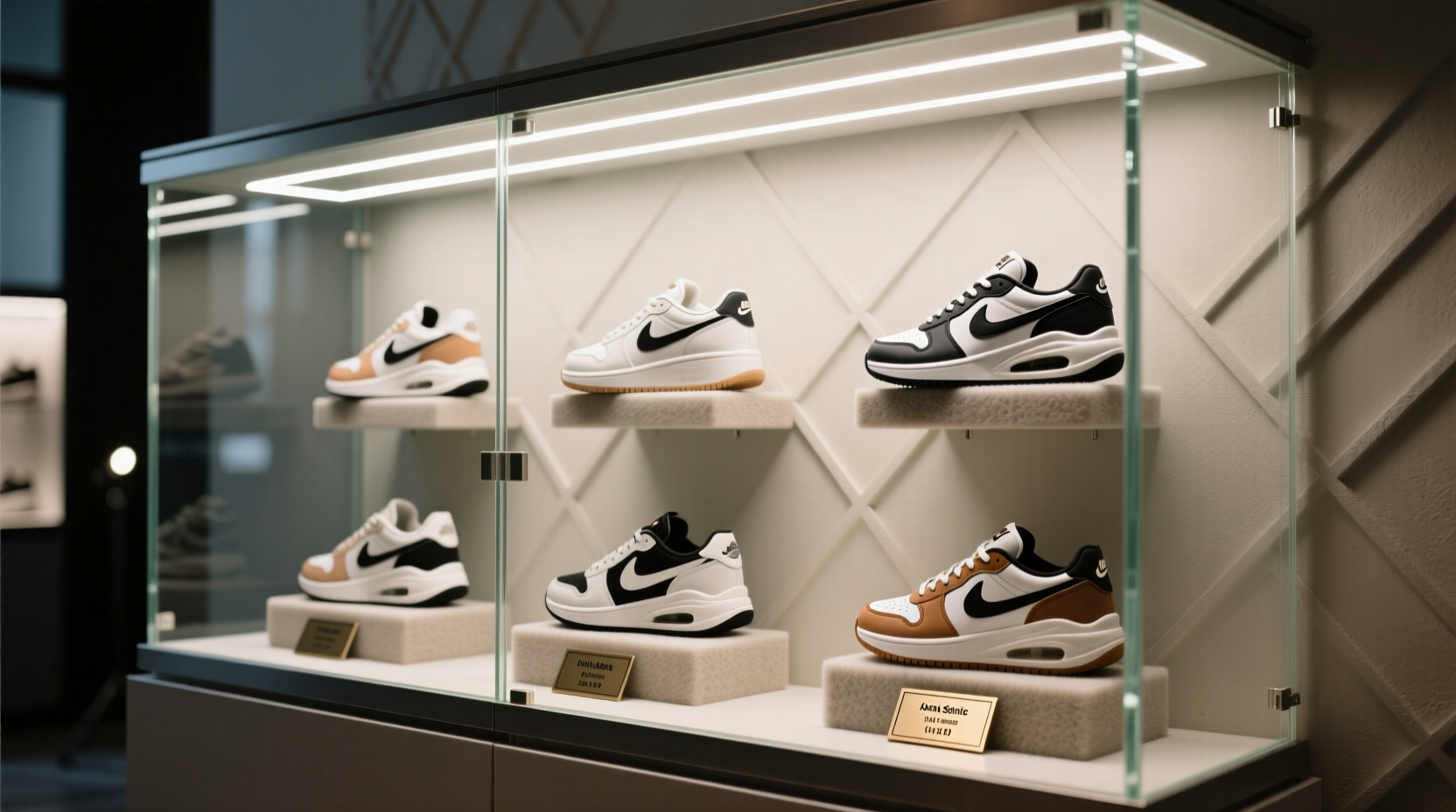
Wall-mounted display systems with sliding glass doors combine space efficiency with elegance. These units are ideal for small apartments or dedicated sneaker rooms where floor space is limited. Each shelf holds one or two pairs behind tempered glass, minimizing dust infiltration while maximizing visibility.
Choose models with magnetic closures or soft-close mechanisms to prevent accidental damage. For added protection, install silicone weather stripping along the edges to create a near-sealed environment.
3. Rotating Turntable Displays with Covers
Turntables add dynamic flair to any collection. When paired with a removable acrylic dome or cover, they offer both motion and protection. As the sneaker rotates slowly, viewers get a full view without needing to touch or remove the shoe.
These are particularly effective in corners or centerpieces of a room. Ensure the turntable motor is silent and low-vibration to prevent shifting or wear on the sole.
4. Custom-Built Display Cabinets
For larger collections, built-in cabinets with glass fronts and internal climate control represent the gold standard. These can be tailored to fit under stairs, in closets, or as room dividers. Features like HEPA-filtered airflow, dehumidifiers, and argon gas sealing (used in archival framing) keep dust and moisture out while preserving material integrity.
Some collectors incorporate push-button lighting, remote-controlled doors, or app-connected sensors to monitor conditions in real time.
5. Magnetic Levitation Displays
Levitating platforms suspend sneakers mid-air using magnetic fields, creating a futuristic aesthetic. While inherently open, many levitation units now come with accompanying dust shields—removable clear hoods that snap into place when not actively viewed.
Though primarily decorative, these displays work best in low-traffic areas with minimal air currents, reducing dust agitation.
Step-by-Step Guide to Setting Up a Dust-Safe Display
Creating a functional, dust-resistant display doesn’t require professional help. Follow this timeline to set up your own system in under a week.
- Week 1, Day 1–2: Assess Your Collection
Inventory your sneakers by size, rarity, and fragility. Identify which pairs you want to display permanently versus rotate seasonally. - Day 3: Choose Your Method
Select a display type based on space, budget, and desired visibility. Prioritize sealed options if you live in a dusty or humid environment. - Day 4: Measure & Order
Take precise measurements of your space and sneaker dimensions. Order cases, shelves, or custom units with delivery buffers. - Day 5–6: Prepare the Environment
Clean the intended area thoroughly. Wipe down surfaces, vacuum vents, and consider placing an air purifier nearby. - Day 7: Install & Arrange
Set up your display unit, test lighting and mechanics, then place cleaned sneakers inside. Label each pair discreetly if desired.
Do’s and Don’ts of Dust-Free Sneaker Display
| Do’s | Don’ts |
|---|---|
| Use microfiber gloves when handling displayed sneakers | Touch shoes with bare hands—oils transfer to materials |
| Place display units away from windows and HVAC vents | Install near sources of airflow that carry dust |
| Wipe down exterior glass or acrylic weekly | Use ammonia-based cleaners like Windex on acrylic |
| Rotate displayed pairs every 6–8 weeks | Leave the same pair on display indefinitely under lights |
| Store extra laces and accessories in sealed drawers below | Keep original boxes stacked around displays—adds clutter and dust traps |
Real Collector Case Study: From Cluttered Shelf to Museum-Worthy Setup
Jamal Reyes, a graphic designer and longtime sneaker enthusiast from Austin, Texas, once displayed his 40+ pair collection on open floating shelves. Within months, he noticed gray film accumulating on white leather models and faint musty odors from stored boxes. After researching preservation methods, he invested in a modular wall cabinet with sliding glass doors and integrated LED strips.
He now rotates six featured pairs monthly, storing others in breathable fabric containers with silica packs. “I was shocked how much cleaner the sneakers stayed,” Jamal said. “Even my Air Jordan 1 Breds from 2018 look brand new. Plus, guests love the gallery feel—it’s like walking into a mini museum.”
The change also improved his confidence when reselling. “Buyers trust that the condition is accurate because everything looks cared for,” he added.
Essential Accessories for Enhanced Protection
No display is complete without supporting tools that maintain cleanliness and stability. Consider integrating these items:
- Silica gel packs: Place inside cases to absorb moisture and inhibit mold.
- Mini air purifiers: Small HEPA units placed near displays reduce airborne particulates.
- UV-cut window film: If near natural light, apply to prevent yellowing of midsoles.
- Anti-static cloths: Use during cleaning to minimize dust reattachment.
- Remote hygrometers: Monitor humidity levels (ideal range: 45–55%) inside enclosed spaces.
FAQ: Common Questions About Dust-Free Sneaker Display
Can I use regular glass instead of acrylic?
Yes, but tempered glass is heavier and harder to seal tightly. Acrylic is lighter, shatter-resistant, and easier to customize. However, glass offers superior clarity and scratch resistance if maintained properly.
How often should I clean inside the display case?
Every 4–6 weeks for moderate environments; every 2–3 weeks in dry, dusty climates. Always unplug lighting and remove the sneaker first. Use a lint-free cloth dampened with distilled water for interior wiping.
Are open-back shelves ever acceptable?
Only if located in a controlled environment with low foot traffic and daily cleaning. Even then, they’re best suited for frequently worn pairs, not rare or valuable ones. For true collectors, sealed fronts are strongly recommended.
Checklist: Building Your Dust-Safe Display System
Use this checklist to ensure every detail is covered before finalizing your setup:
- ☐ Inventory all sneakers and select display candidates
- ☐ Measure available space and ceiling height
- ☐ Choose between acrylic cases, glass cabinets, or wall units
- ☐ Confirm product specs: seal quality, UV protection, weight capacity
- ☐ Purchase silica gel packs and microfiber cleaning supplies
- �� Schedule installation date and prepare the area
- ☐ Clean each sneaker thoroughly before placement
- ☐ Test lighting, rotation features, or electronics
- ☐ Set a monthly maintenance reminder
- ☐ Document the collection with photos for insurance purposes
“The difference between a casual collector and a serious one is how they treat preservation. It’s not just about owning rare kicks—it’s about honoring them.” — Lena Park, Curator, Urban Sole Exhibition
Final Thoughts: Elevate Your Collection with Smart Display
Displaying collectible sneakers shouldn’t mean compromising their condition. With thoughtful planning and the right tools, it’s entirely possible to showcase your passion while keeping dust, moisture, and environmental harm at bay. Whether you opt for sleek acrylic cases or build a full-scale display wall, the goal remains the same: honor each pair’s craftsmanship and history through careful stewardship.
Your sneakers are more than fashion—they’re cultural artifacts, design milestones, and personal milestones. Treat them accordingly. Start small, refine your system over time, and take pride in knowing your collection is seen, appreciated, and protected.
💬 Have a unique display setup or tip? Share your story in the comments and inspire fellow collectors to protect their prized pairs with creativity and care.