For many people, keeping houseplants alive feels like a constant battle between good intentions and real-life distractions. Between work, family, travel, and daily responsibilities, watering schedules often fall by the wayside. If you’ve ever returned from vacation to find a dried-up succulent or a yellowing peace lily, you’re not alone. The good news? Some plants are built to survive neglect—and even thrive in it. These resilient species don’t demand perfect light, consistent watering, or weekly fertilizing. Instead, they adapt, endure, and quietly improve your indoor environment with little more than occasional attention.
Selecting the right plant isn’t just about convenience—it’s about creating a sustainable green space that supports mental well-being without adding stress. This guide explores some of the most forgiving houseplants available, explains why they work so well for forgetful caretakers, and offers practical strategies to keep them healthy with minimal effort.
Why Low-Maintenance Plants Matter
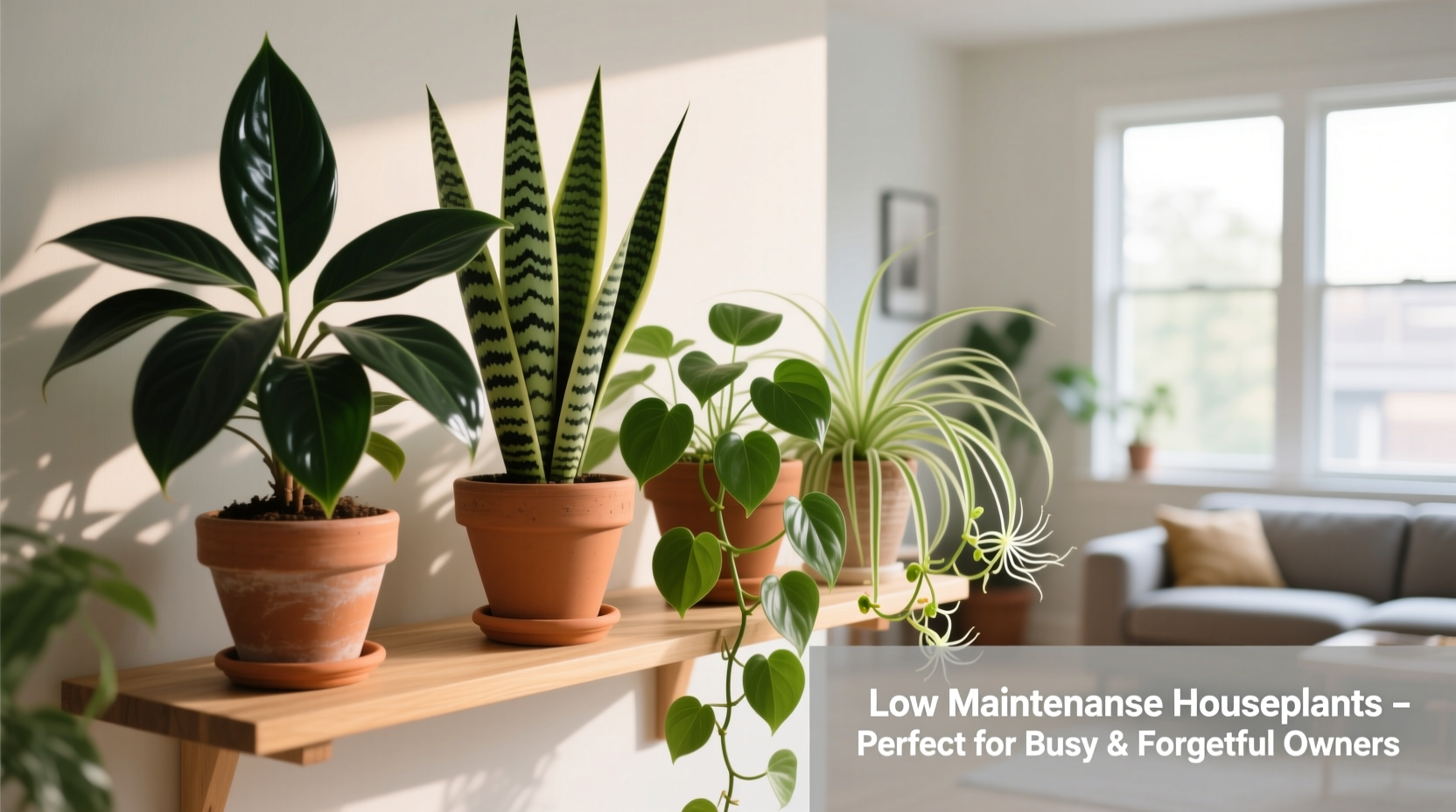
Houseplants do more than decorate a room. Studies show they can reduce stress, improve air quality, and boost concentration. But their benefits only last if they stay alive. For busy individuals or those new to plant care, high-maintenance species quickly become sources of guilt rather than joy.
Low-maintenance houseplants bridge this gap. They’re typically adapted to harsh conditions in their native environments—arid deserts, dense forest floors, or rocky crevices—making them naturally resilient. Their survival mechanisms include water-storing tissues, slow growth rates, and tolerance for low light. These traits make them ideal for owners who may forget to water for weeks or place them in less-than-ideal corners of the home.
“Plants like snake plants and ZZs have evolved to survive months without rain. That resilience translates perfectly to modern indoor living.” — Dr. Lena Torres, Botanist & Urban Horticulture Researcher
Top 7 Low-Maintenance Houseplants for Forgetful Owners
Choosing the right plant starts with understanding your lifestyle. The following seven species are proven performers in homes where attention is inconsistent but presence is valued.
1. Snake Plant (Sansevieria trifasciata)
A staple of offices and apartments alike, the snake plant tolerates dim light, irregular watering, and temperature fluctuations. Its upright, sword-like leaves come in various patterns and require almost no pruning. It also converts carbon dioxide into oxygen at night, making it an excellent bedroom companion.
Tip: Let the soil dry completely between waterings. Overwatering is the leading cause of death for snake plants.2. ZZ Plant (Zamioculcas zamiifolia)
The ZZ plant stores water in its rhizomes, allowing it to go weeks—even months—without irrigation. It thrives in low to moderate indirect light and rarely suffers from pests. Its glossy, dark green foliage adds a polished look to any room.
3. Pothos (Epipremnum aureum)
Pothos vines grow vigorously with minimal input. They tolerate low light and can survive underwatering, though they’ll show drooping leaves as a gentle reminder when thirsty. A simple trim keeps them bushy, and cuttings root easily in water—great for sharing or propagating.
4. Spider Plant (Chlorophytum comosum)
Recognizable by its arching leaves and baby “spiderettes,” this plant adapts well to various conditions. It prefers bright, indirect light but won’t die in shadier spots. Slightly sensitive to fluoride in tap water, it performs better with filtered or distilled water—but still survives otherwise.
5. Peace Lily (Spathiphyllum spp.)
Don’t let its elegant white blooms fool you—this plant is tougher than it looks. It signals thirst by dramatic drooping, then bounces back within hours of watering. It also excels at removing indoor air pollutants such as benzene and formaldehyde.
6. Cast Iron Plant (Aspidistra elatior)
True to its name, the cast iron plant endures low light, infrequent watering, dust, and temperature swings. It grows slowly and rarely needs repotting. Its broad, dark green leaves provide a lush, tropical feel without the fuss.
7. Jade Plant (Crassula ovata)
A classic succulent, the jade plant stores water in its thick leaves and stems. It loves bright light but forgives missed waterings. With time, it develops a woody trunk and can live for decades, becoming a living heirloom.
Care Comparison Table: Effort vs. Reward
| Plant Name | Water Needs | Light Requirements | Toxic to Pets? | Special Notes |
|---|---|---|---|---|
| Snake Plant | Every 2–6 weeks | Low to bright indirect | Yes | Nighttime oxygen production |
| ZZ Plant | Every 3–8 weeks | Low to moderate | Yes | Dormant during winter |
| Pothos | Every 1–2 weeks | Low to bright indirect | Yes | Fast-growing; easy to propagate |
| Spider Plant | Every 1–2 weeks | Bright indirect | No | Produces offsets; pet-safe |
| Peace Lily | Weekly (drops when dry) | Low to medium | Yes | Excellent air purifier |
| Cast Iron Plant | Every 2–3 weeks | Low light tolerant | No | Slow grower; nearly indestructible |
| Jade Plant | Every 2–4 weeks | Bright direct preferred | Yes | Long-lived; drought-adapted |
Step-by-Step Guide to Starting a Neglect-Tolerant Indoor Garden
Even the hardiest plants benefit from a smart setup. Follow these steps to maximize success with minimal ongoing effort.
- Assess Your Space: Identify areas with natural light. South-facing windows offer the most brightness; north-facing ones are dimmest. Choose plants accordingly—jade and pothos near sunny windows, ZZ and cast iron in darker corners.
- Select the Right Pot: Use containers with drainage holes. Terra cotta pots help wick away moisture, reducing the risk of root rot in forgetful watering scenarios.
- Use Well-Draining Soil: Cactus or succulent mix works well for snake, jade, and ZZ plants. Regular potting soil is fine for others, but avoid moisture-retentive additives unless needed.
- Water Deeply, Then Wait: When you do water, soak the soil thoroughly until water drains out the bottom. Then wait until the top 1–2 inches are dry before watering again. For succulents, wait even longer.
- Set Seasonal Reminders: Most low-maintenance plants need less water in winter. Mark one day per month on your calendar to check each plant. No need for action every time—just observation.
- Fertilize Sparingly: Apply a balanced liquid fertilizer once in spring and once in summer. These plants grow slowly and don’t need rich feeding.
- Rotate Occasionally: Turn pots a quarter turn monthly so all sides receive light, preventing lopsided growth.
Real Example: How Sarah Keeps Her Plants Alive Despite a Chaotic Schedule
Sarah, a freelance graphic designer and mother of two, used to kill every plant she brought home. After her third failed attempt with a fiddle-leaf fig, she decided to try something different. She started with a single snake plant in her home office—a room with limited natural light and frequent temperature changes due to HVAC use.
She placed it in a terra cotta pot with drainage and used cactus mix. For months, she forgot to water it entirely. To her surprise, it didn’t die. In fact, after six months, it had grown two new shoots. Encouraged, she added a ZZ plant to her bedroom and a spider plant in the kitchen.
Now, two years later, her collection includes five thriving plants. She checks them once a month during her laundry routine. “I don’t think of them as chores,” she says. “They’re like quiet roommates who ask for nothing and make the space feel calmer.”
Common Mistakes That Even Forgetful Owners Can Avoid
While these plants are tough, a few missteps can still lead to failure. Awareness goes a long way.
- Overwatering: The number one killer of indoor plants. Just because a plant survives drought doesn’t mean it likes wet roots. When in doubt, wait another week.
- Ignoring Drainage: Saucers trap water and promote rot. Empty them within 30 minutes of watering.
- Using Cold Water in Winter: Cold tap water can shock tropical-origin plants. Let it sit overnight to reach room temperature.
- Placing Succulents in Dark Corners: Jade and other succulents need bright light. They may survive in shade, but they’ll stretch, weaken, and lose color.
- Repotting Too Often: Many of these plants prefer being slightly root-bound. Only repot when roots emerge from drainage holes or growth stalls completely.
FAQ: Quick Answers for Busy Plant Owners
How often should I really water a low-maintenance plant?
It depends on the species and environment. As a general rule: snake and ZZ plants every 4–6 weeks; pothos and spider plants every 1–2 weeks; jade every 3–4 weeks in summer, less in winter. Always check soil dryness first.
Are there any truly pet-safe low-maintenance plants?
Yes. The spider plant and cast iron plant are non-toxic to cats and dogs. However, snake plant, ZZ, pothos, peace lily, and jade are toxic if ingested. Keep them out of reach of curious pets.
Can I grow these plants under artificial light?
Absolutely. Most, including pothos, ZZ, and snake plants, adapt well to fluorescent or LED lighting. Place them within 1–2 feet of the source for best results. Avoid leaving lights on 24/7—12 hours per day mimics natural cycles.
Checklist: Launch Your Forgetful-Friendly Plant Collection
Use this quick checklist to get started confidently:
- ☐ Assess light levels in key rooms
- ☐ Choose 1–3 beginner-friendly species from this list
- ☐ Buy pots with drainage holes
- ☐ Use appropriate soil (cactus mix for succulents, standard for others)
- ☐ Set a monthly phone reminder to inspect plants
- ☐ Keep a small watering can in a visible spot as a visual cue
- ☐ Start with one plant, succeed, then expand
Conclusion: Greenery Without Guilt
You don’t need a green thumb to enjoy the benefits of houseplants. You need the right plants. By choosing species built to withstand inconsistency, you create a living space that enhances your well-being without demanding perfection. These resilient companions thrive on benign neglect, turning forgotten corners into quiet oases of calm.
Start small. Pick one plant that fits your environment and habits. Learn its rhythm—not through rigid rules, but through observation and patience. Over time, you might find that caring for a plant becomes less of a chore and more of a grounding ritual. And if you forget? No problem. These plants were made for that.
💬 Which low-maintenance plant has survived your busiest season? Share your story in the comments and inspire others to grow greener, simpler lives.








