There’s something undeniably magical about the crackle of a needle dropping onto a vintage Christmas record. The warm, slightly imperfect tones of Bing Crosby or Nat King Cole drift through the room as you hang ornaments and string lights. But in an age of streaming playlists and smart speakers, is it still worthwhile to pull out those old vinyl albums from the attic? Beyond nostalgia, there are real considerations—sound quality, condition, sentimental value, and long-term preservation—that determine whether spinning vintage holiday records enhances your decorating experience or risks damaging irreplaceable pieces of family history.
This article explores the practical and emotional dimensions of playing vintage Christmas records during the holiday season. From assessing wear and tear to understanding audio fidelity, we’ll help you decide when it’s appropriate to play them—and how to do so responsibly.
The Emotional Allure of Vintage Holiday Sounds
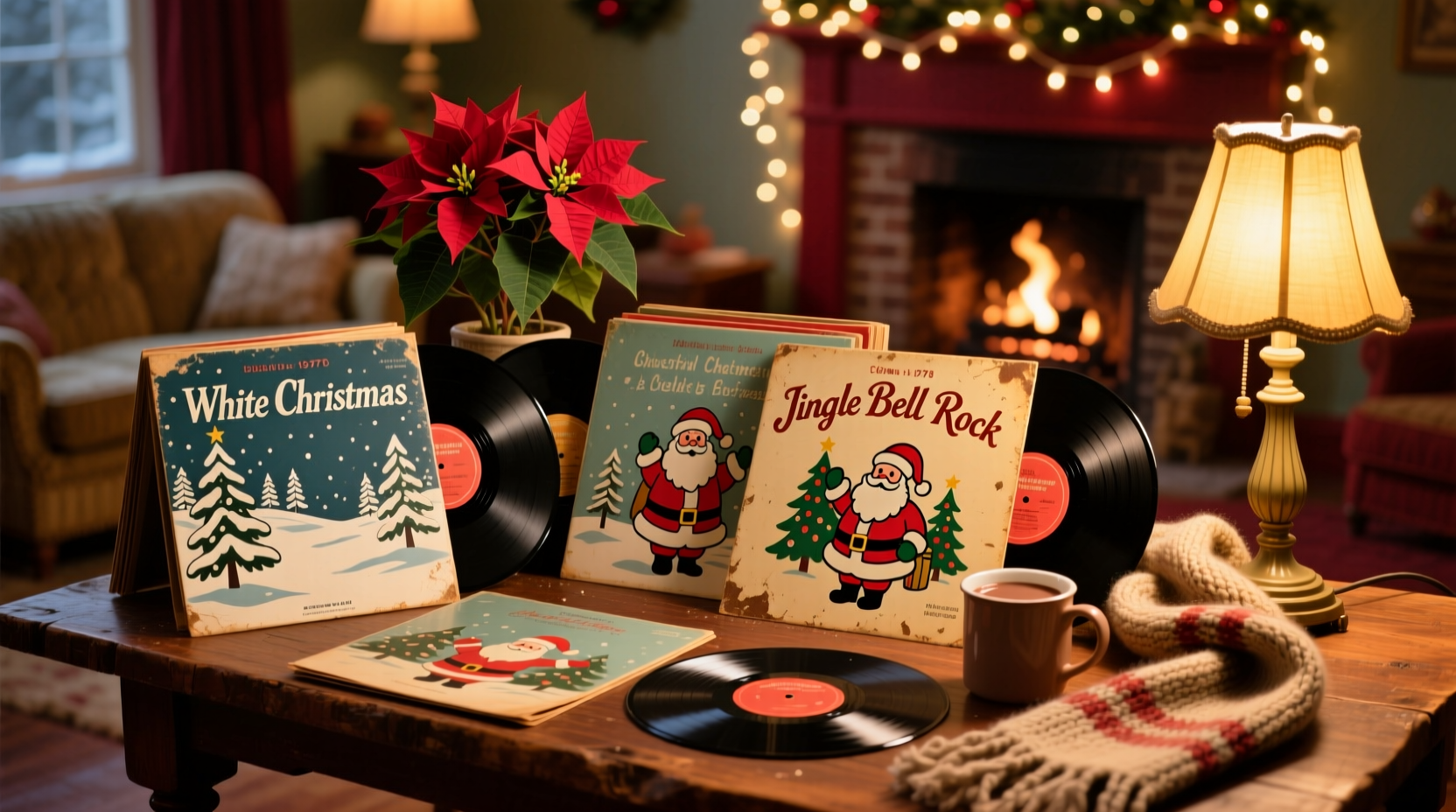
Vintage Christmas records carry more than music—they carry memory. For many families, these recordings are sonic heirlooms, tied to childhood Christmases, lost relatives, or decades-old traditions. Hearing the same album each year can be as much a ritual as trimming the tree or baking cookies.
Music psychologist Dr. Lydia Tran notes that “familiar holiday music activates deep emotional circuits associated with safety, belonging, and continuity.” When that music comes from a physical record passed down through generations, the emotional resonance intensifies. The slight warping, surface noise, and even skips become part of the charm—a reminder of time’s passage and shared experience.
“Nostalgia isn’t just sentiment—it’s psychological nourishment. Playing vintage records during the holidays grounds us in continuity during a fast-changing world.” — Dr. Lydia Tran, Cognitive Musicologist
Yet emotion alone shouldn’t dictate whether a fragile record should be played. Sentiment must be balanced with stewardship.
Assessing Condition: Is Your Record Playable?
Not all vintage records are created equal. A 78 RPM shellac disc from the 1940s faces different risks than a well-preserved LP from the 1960s. Before placing any vintage Christmas record on the turntable, conduct a careful inspection.
Visual Inspection Checklist
- Surface cracks or chips: Common in older shellac records; playback may cause further breakage.
- Deep scratches: Can lead to skips or permanent distortion.
- Warps: Even slight bending affects tracking and increases wear.
- Mold or residue: White powdery spots may indicate mold, which damages both record and stylus.
- Label integrity: Faded or peeling labels may signal exposure to moisture or heat.
If a record shows significant damage, especially if it's rare or one-of-a-kind, consider digitizing it before attempting playback. Many local audio shops offer transfer services, preserving the audio without risking further wear.
Sound Quality: Warmth vs. Wear
One argument in favor of playing vintage records is their unique sonic character. Analog warmth, subtle compression, and natural reverb give early recordings a richness that digital remasters sometimes lack. However, repeated playback degrades this quality over time—especially with older materials.
Shellac records (common before 1950) are particularly fragile. They were never designed for repeated use and typically last only 10–20 plays under ideal conditions. Vinyl LPs from the 1950s onward fare better but still degrade with improper handling or mismatched equipment.
Playback Risks by Era
| Era | Material | Expected Lifespan (Plays) | Playback Risk Level |
|---|---|---|---|
| 1930s–1940s | Shellac (78 RPM) | 10–20 | High |
| 1950s–1960s | Early Vinyl (Mono/LP) | 50–100 | Moderate |
| 1970s–1980s | Modern Vinyl (Stereo) | 100+ | Low to Moderate |
Using a modern turntable with a heavy tracking force or worn stylus on a vintage record accelerates groove damage. For pre-1960s records, experts recommend using a lightweight tonearm and a 78 RPM–compatible stylus with a larger tip radius to avoid cutting into grooves.
Practical Guide: How to Safely Play Vintage Christmas Records
If you decide to play a vintage record, follow these steps to minimize risk while maximizing enjoyment.
- Verify compatibility: Ensure your turntable supports the correct speed (e.g., 78 RPM, 33⅓, or 45).
- Clean gently: Use a carbon fiber brush or wet cleaning system to remove dust before playback.
- Check stylus condition: Replace worn needles—playing with a damaged stylus destroys grooves.
- Use light tracking force: Adjust tonearm weight according to manufacturer specs, especially for shellac.
- Limits plays per season: Restrict playback to 1–2 times annually for rare or fragile records.
- Store properly after use: Return record to inner sleeve and outer jacket, stored vertically in a cool, dry place.
Mini Case Study: The Johnson Family’s Holiday Tradition
The Johnsons of Minneapolis inherited a collection of 1940s Christmas records from Great-Aunt Mabel, including a rare original pressing of “Merry Christmas” by Bing Crosby. Each December, they gathered around the record player to listen—until two years ago, when the shellac disc cracked during playback.
Determined not to lose the tradition, they took the remaining copies to a local audio archive. Technicians transferred the audio to a lossless WAV file, which was then burned to a CD and uploaded to a private cloud folder. Now, during decoration time, the family listens to the digitized version through a Bluetooth speaker styled like a vintage radio—preserving the aesthetic and emotional experience without endangering the original.
They still display the album cover on the mantle, and children take turns “playing” the empty sleeve on a toy phonograph. The ritual continues, adapted for longevity.
Do’s and Don’ts of Vintage Record Care During the Holidays
| Do | Don't |
|---|---|
| Play records only in stable temperature and humidity | Play records near open flames or radiators |
| Wash hands before handling | Touch the playing surface with bare fingers |
| Use anti-static brushes before and after playback | Use paper sleeves—opt for polyethylene |
| Limit playback of pre-1950s records to special occasions | Use modern auto-return turntables with heavy tonearms |
| Digitize rare or sentimental albums | Leave records on the turntable between uses |
When to Digitize Instead of Play
Preservation often trumps performance. If a record holds irreplaceable sentimental or historical value, prioritize archiving over regular playback. High-quality transfers capture the nuances of the original performance and allow broader access—ideal for sharing with distant relatives or future generations.
Digitization doesn’t mean abandoning tradition. Many people integrate digital versions into their decor routine by connecting a vintage-style speaker to a phone or tablet. The music remains authentic; only the source changes.
For collectors, institutions like the Library of Congress recommend digitizing at a minimum of 24-bit/96kHz resolution to preserve dynamic range. Consumer-grade USB turntables now offer this capability, making home archiving accessible and affordable.
Frequently Asked Questions
Can I safely play a 70-year-old Christmas record once a year?
Yes—if the record is in good condition and played with proper equipment. Use a 78 RPM–compatible stylus, ensure the turntable is level, and limit playback to one full run per season. Prioritize cleaning and storage to extend its life.
Why do vintage records sound different from digital versions?
Analog recordings capture continuous sound waves, resulting in warmer, fuller tones. Early mastering techniques also emphasized midrange frequencies, giving voices a cozy, intimate presence. Digital remasters may brighten or compress the audio, altering the original character.
What should I do if my record skips or distorts?
Stop playback immediately. Skipping often indicates dirt, warping, or stylus issues. Clean the record, check alignment, and verify tracking force. If problems persist, the record may be too damaged for safe playback—consider digitizing what remains.
Conclusion: Honor the Past, Protect the Future
Playing vintage Christmas records during decoration time can deepen the holiday spirit—but it should be done thoughtfully. These recordings are more than entertainment; they’re cultural artifacts and family treasures. Respecting their fragility ensures they can be enjoyed for generations.
Balance emotion with responsibility. If a record is rare, damaged, or made of shellac, prioritize digitization. For sturdier vinyl, occasional playback with care can sustain a beloved tradition. And always remember: the goal isn’t just to hear the music, but to pass on its meaning.
💬 Have a vintage Christmas record that’s part of your holiday ritual? Share your story in the comments—how do you keep the music alive while protecting the past?








