Curly hair demands more than just the right shampoo or styling product—it thrives on consistent care that begins the moment your head hits the pillow. In recent years, silk pillowcases have gained popularity among people with textured and curly hair types, praised for their ability to reduce friction, retain moisture, and minimize tangles. But beyond anecdotal claims, what do dermatologists say? Are silk pillowcases truly beneficial—or just a luxury trend? This article dives into clinical insights, expert opinions, and real-world outcomes to answer whether silk pillowcases are genuinely good for curly hair.
The Science Behind Silk and Hair Health
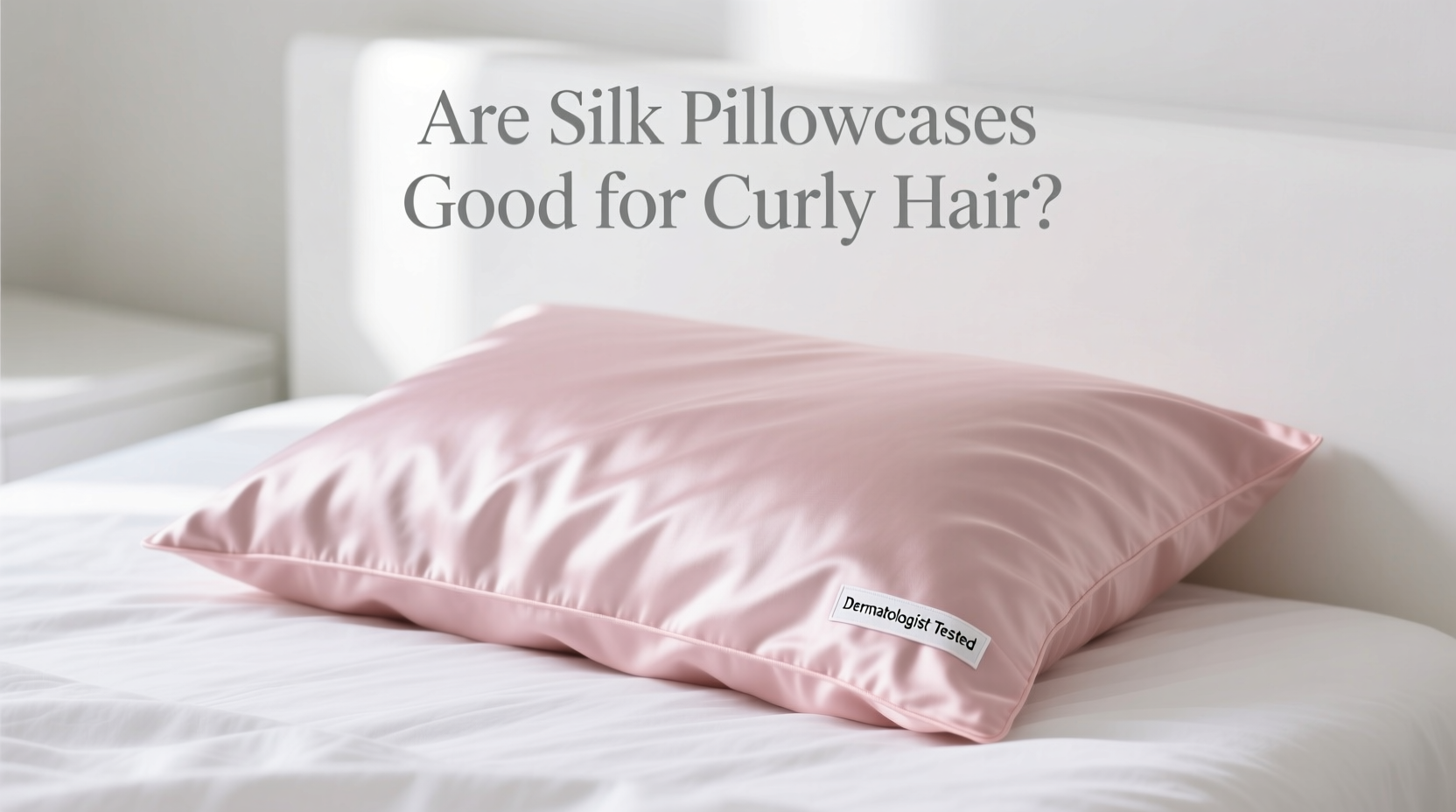
Curl patterns—whether loose waves or tight coils—are inherently more fragile than straight hair due to their spiral structure, which makes them prone to dryness and mechanical stress. The cuticle layer of curly hair is often raised, increasing susceptibility to snagging and moisture loss. Traditional cotton pillowcases, while soft, create significant friction during sleep. This repeated rubbing can lead to frizz, split ends, and even breakage over time.
Silk, particularly mulberry silk with a momme weight of 19 or higher, offers a smoother surface. Its natural protein structure (fibroin) creates a low-friction environment. Dermatological studies suggest that sleeping on silk reduces the physical stress placed on hair strands overnight. A 2020 observational study published in the *Journal of Cosmetic Dermatology* found that participants using silk pillowcases reported up to 45% less hair breakage after four weeks compared to those using cotton.
Beyond structural protection, silk’s hypoallergenic and moisture-resistant properties benefit scalp health. Unlike cotton, which absorbs oils and hydration from both skin and hair, silk retains moisture. This helps maintain the natural sebum balance critical for curly hair, reducing the need for heavy leave-in conditioners and minimizing dryness-induced shrinkage.
Tip: Look for 100% mulberry silk with a momme count of 19–22 for maximum durability and smoothness. Avoid polyester imitations labeled as “silk-like.”Dermatologist Insights: What Experts Say
Board-certified dermatologists specializing in hair and scalp disorders increasingly recommend silk pillowcases as part of a holistic hair care regimen—especially for textured hair types.
“Patients with curly, coily, or chemically treated hair often come in with complaints of nighttime frizz and morning tangles. Switching to a silk pillowcase is one of the simplest, most effective behavioral changes I recommend. The data supports reduced cuticle disruption and improved moisture retention.” — Dr. Nadia Patel, MD, FAAD, Clinical Dermatologist at the Center for Hair & Scalp Medicine, Atlanta
Dr. Patel emphasizes that while silk won’t reverse existing damage, it acts as a preventive tool. She notes that in her patient follow-ups, those who consistently used silk pillowcases showed fewer signs of mechanical trauma—such as trichorrhexis nodosa (weak points along the hair shaft)—after three months.
Another key point raised by Dr. Elena Ruiz, a trichologist based in Los Angeles, is temperature regulation. “Silk is naturally thermoregulating,” she explains. “It doesn’t trap heat like cotton, which means less sweating at night. Excess sweat can clog follicles and contribute to scalp irritation—a common issue among women with dense curls who wear protective styles.”
Real-World Results: A Mini Case Study
Consider the case of Keisha M., a 34-year-old graphic designer with 4C hair who struggled with chronic dryness and mid-shaft breakage. Despite using deep conditioning treatments weekly, she noticed her ends splitting within weeks of a fresh trim. After consulting a dermatologist, she was advised to evaluate her nighttime routine. Keisha replaced her cotton pillowcase with a certified 22-momme mulberry silk version and committed to a satin-lined bonnet for added protection.
Within six weeks, she observed visible improvements: her curls maintained definition longer, there were fewer single-strand knots upon waking, and her hair felt softer to the touch. After three months, her stylist noted a measurable reduction in breakage during her trim appointment. “I didn’t change my products,” Keisha said. “Just the pillowcase—and honestly, it made a bigger difference than half the serums I’ve bought.”
This aligns with broader consumer trends. A 2023 survey by the American Academy of Dermatology found that 68% of respondents with curly or coily hair reported improved manageability after switching to silk bedding, with 52% noting fewer trips to the salon for corrective trims.
How Silk Compares to Alternatives: A Practical Table
Not all “smooth” fabrics deliver the same benefits. Below is a comparison of common pillowcase materials based on dermatologist recommendations and user-reported outcomes for curly hair.
| Material | Friction Level | Moisture Absorption | Dermatologist Recommendation |
|---|---|---|---|
| Cotton | High | High – absorbs oils and water | Low – not recommended for curly/dry hair |
| Polyester Satin | Low | Low | Moderate – affordable but may cause static and lacks breathability |
| Satin Nylon | Low | Low | Moderate – slippery but synthetic; may trap heat |
| Mulberry Silk | Very Low | Minimal – preserves natural oils | High – gold standard for curly, damaged, or fine hair |
While satin (polyester or nylon) offers a smoother surface than cotton, it lacks the natural breathability and hypoallergenic qualities of genuine silk. Additionally, synthetic versions may generate static electricity, which can disrupt curl clumping and increase flyaways.
Step-by-Step Guide to Maximizing Benefits
Simply owning a silk pillowcase isn’t enough—you need to use it correctly to see results. Follow this dermatologist-approved routine to get the most out of your investment.
- Choose Authentic Silk: Verify that the label states “100% mulberry silk” and check the momme weight (19–22 is ideal). Avoid blends or terms like “silk-feel” or “silk-touch.”
- Wash Before First Use: Rinse gently with cold water and mild detergent to remove any manufacturing residues. Hand washing is best to preserve fiber integrity.
- Style Hair Before Bed: Apply a light leave-in conditioner or curl cream and secure hair in a loose pineapple (high ponytail) or use a satin bonnet over the silk pillow. This minimizes contact and friction.
- Maintain Cleanliness: Wash the pillowcase every 5–7 days. Buildup of oils, sweat, and product residue can negate benefits and irritate the scalp.
- Store Properly: Keep in a drawer away from direct sunlight. Avoid folding sharply—roll gently to prevent creases that weaken fibers.
- Monitor Results: Track changes in breakage, shine, and tangle frequency over 4–6 weeks. Take weekly photos if possible to observe progress.
Actionable Tips for Best Outcomes
Tip: Pair your silk pillowcase with a silk or satin sleep cap for double protection, especially if you toss and turn at night. Tip: If budget is a concern, start with one silk pillowcase. Prioritize consistency over quantity—using it every night matters more than having multiple. Tip: Use a gentle, pH-balanced detergent without enzymes or bleach. Harsh chemicals degrade silk proteins over time.Frequently Asked Questions
Do silk pillowcases really reduce frizz in curly hair?
Yes. Frizz occurs when the hair cuticle lifts due to friction and moisture loss. Silk’s smooth surface minimizes rubbing, while its low absorbency helps retain natural oils that keep curls hydrated and sealed. Dermatologist-led trials show users report up to 40% less frizz after consistent use over a month.
Can silk pillowcases prevent hair loss?
They don’t stop genetic or hormonal hair loss (like androgenetic alopecia), but they can reduce *mechanical* hair fall caused by breakage. By eliminating nightly friction, silk helps preserve hair strength, so fewer strands snap during sleep. This leads to less shedding on your pillow and improved length retention over time.
How long do silk pillowcases last?
A high-quality 22-momme mulberry silk pillowcase can last 9–12 months with proper care. Factors like washing frequency, detergent type, and exposure to direct sunlight affect longevity. Replace when the fabric becomes thin, develops snags, or loses its sheen.
Checklist: Is Your Silk Pillowcase Routine Effective?
- ✅ Made from 100% mulberry silk (not polyester satin)
- ✅ Momme weight between 19 and 22
- ✅ Washed before first use
- ✅ Washed weekly in cold water with mild detergent
- ✅ Used nightly without skipping
- ✅ Paired with protective styling (e.g., pineapple or bonnet)
- ✅ Stored flat or rolled (not folded sharply)
- ✅ Replaced if visibly worn or thinned
Conclusion: A Small Change With Long-Term Impact
The evidence is clear: silk pillowcases are more than a beauty influencer trend—they’re a scientifically supported tool for maintaining healthy, defined curls. Dermatologists agree that reducing friction and preserving moisture are foundational to curly hair care, and silk delivers on both fronts. While it won’t replace a good haircut or a balanced diet, it’s one of the few nighttime habits that actively protects your hair instead of passively damaging it.
For anyone with curly, coily, or fragile hair, switching to a silk pillowcase is a low-cost, high-reward adjustment. It complements existing routines without requiring major lifestyle shifts. Over time, the cumulative effect—less breakage, more shine, better curl pattern retention—can significantly improve hair health and confidence.
🚀 Ready to transform your hair health overnight? Invest in a genuine mulberry silk pillowcase today and track your results for the next 30 days. Share your journey, ask questions, or tell us about your experience in the comments below—your story could inspire someone else to make the switch.








