The holiday season is as much about the senses as it is about tradition. While twinkling lights and festive decor set the visual tone, scent plays a powerful role in evoking memories and enhancing atmosphere. Scented Christmas tree ornaments—decorative pieces infused with fragrances like pine, cinnamon, vanilla, or peppermint—are increasingly popular. But are they a worthwhile addition to your holiday display? For many, these ornaments offer more than just aesthetic appeal; they deliver an immersive sensory experience. However, like any trend, they come with trade-offs.
Whether you're decorating for family, hosting guests, or simply seeking a more nostalgic holiday ambiance, understanding the value of scented ornaments can help you make an informed decision. This article explores their benefits, limitations, and practical uses, supported by expert insight and real-world examples.
The Sensory Power of Scent in Holiday Traditions
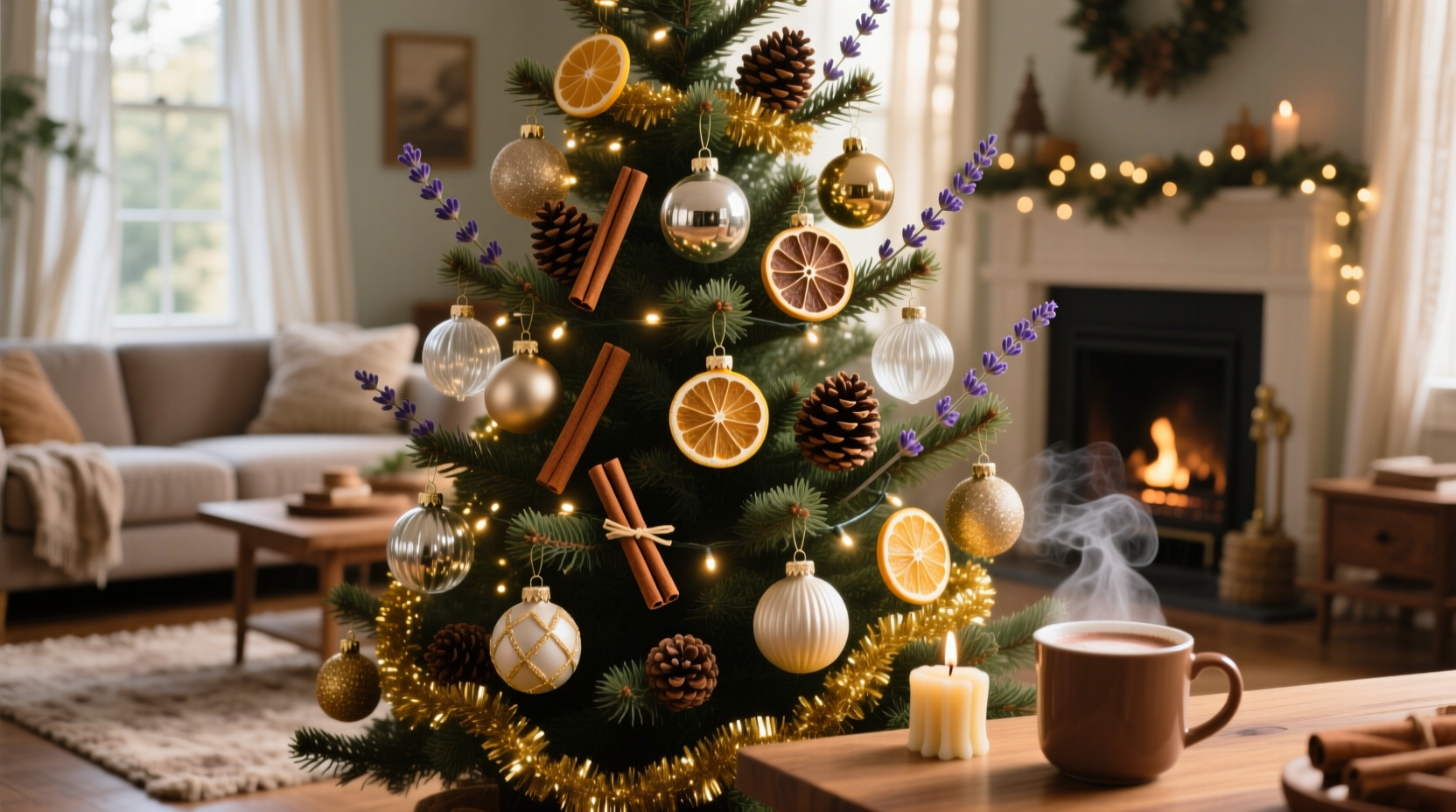
Scent has a direct link to memory and emotion. The olfactory bulb, responsible for processing smells, connects closely to the brain’s limbic system—the area tied to emotion and long-term memory. That’s why the aroma of fresh pine or gingerbread can instantly transport someone back to childhood Christmases.
Scented ornaments aim to harness this psychological effect. Unlike plug-in diffusers or candles, which release fragrance throughout a room, scented ornaments localize the experience to the tree itself. When someone leans in to admire a decoration or hangs a new ornament, they’re met with a subtle burst of seasonal aroma.
Common scents include:
- Pine or fir – mimics the smell of a freshly cut tree
- Cinnamon and clove – evokes mulled cider and baked goods
- Vanilla – adds warmth and sweetness
- Peppermint – offers a crisp, invigorating note
- Orange or citrus – brightens the air with a zesty freshness
These fragrances are typically embedded into materials like resin, wood, felt, or clay, often using essential oils or food-safe fragrance compounds. Some ornaments even allow users to reapply scent via small droppers or sprays, extending their life over multiple seasons.
“Scent is one of the most underutilized tools in holiday decor. A well-placed aromatic element can deepen emotional connection to the space.” — Dr. Lila Monroe, Environmental Psychologist
Pros and Cons of Scented Ornaments: A Balanced View
Like any decorative choice, scented ornaments have distinct advantages and drawbacks. Weighing them helps determine if they align with your holiday goals.
| Pros | Cons |
|---|---|
|
|
The key is intentionality. Scented ornaments work best when used selectively—not to overpower, but to complement. A single row of cinnamon-star ornaments or a cluster of vanilla-scented snowmen can anchor a theme without dominating the room.
Tip: Place scented ornaments near the outer branches where air circulation helps diffuse the fragrance gently.Real Example: A Family’s Tradition Reimagined
The Callahan family from Portland, Oregon, had always decorated their tree with vintage glass balls and handmade items. But after losing their matriarch, Margaret, who was known for her spiced apple cider and homemade ornaments, the holidays felt emotionally distant.
Last year, her daughter Sarah introduced a new tradition: five scented ornaments representing Margaret’s favorite holiday aromas—cinnamon sticks, orange peel, nutmeg, clove, and pine. Each was labeled with a small tag explaining its significance. When guests arrived, they were invited to smell each ornament and share a memory connected to that scent.
“It brought my mom back in a way photos couldn’t,” Sarah said. “The moment someone squeezed the cinnamon ball and said, ‘This smells like her kitchen,’ I knew we’d found something special.”
The ornaments weren’t the centerpiece, but they became the heart of the display. The family now plans to refill the scent annually, turning them into lasting keepsakes.
This example illustrates how scented ornaments can transcend decoration—they become vessels of memory and connection.
How to Choose and Use Scented Ornaments Wisely
Selecting the right scented ornaments requires more than just picking appealing fragrances. Consider placement, audience, and longevity to ensure they enhance rather than detract from your holiday experience.
Step-by-Step Guide to Effective Use
- Assess your space: In smaller rooms or apartments, strong scents can become overwhelming. Opt for lighter fragrances like pine or citrus.
- Know your audience: If children, pets, or guests with asthma or allergies will be present, avoid potent artificial fragrances. Look for natural essential oil-based options.
- Limit quantity: Start with 3–5 scented ornaments. You can always add more next year.
- Choose complementary themes: Match the scent to your tree’s design—peppermint for a candy-themed tree, sandalwood for a rustic Nordic look.
- Test the scent duration: Some ornaments fade within days. Check product reviews or opt for refillable models.
- Store properly off-season: Keep in a sealed container away from heat and light to preserve residual fragrance.
- Refresh when needed: Use a drop of essential oil on a cotton pad tucked inside the ornament (if safe and non-visible).
“The best holiday decor tells a story. Scented ornaments work when they’re part of that narrative, not just a gimmick.” — Naomi Pierce, Interior Stylist & Holiday Design Consultant
Checklist: Is Your Home Ready for Scented Ornaments?
Before purchasing, ask yourself the following:
- ✅ Do I want a more immersive, sensory-rich holiday display?
- ✅ Is my tree theme compatible with aromatic elements (e.g., baking, forest, spice)?
- ✅ Are there allergy sufferers, infants, or pets in the household?
- ✅ Am I willing to replace or refresh scents mid-season if needed?
- ✅ Will I store them properly to extend usability next year?
- ✅ Am I buying from a reputable source with clear ingredient disclosure?
If you answered “yes” to most of these, scented ornaments could be a meaningful addition.
Frequently Asked Questions
Do scented ornaments really last through the whole season?
Most mass-market scented ornaments begin to fade after 2–4 weeks. Higher-end versions, especially those made with natural materials like wood or clay and infused with essential oils, can retain scent longer—up to 6–8 weeks. Refillable designs offer the best longevity, allowing you to reapply fragrance as needed.
Are scented ornaments safe around pets?
Some are, but many are not. Essential oils like tea tree, citrus, and peppermint can be toxic to cats and dogs if ingested or even inhaled in high concentrations. Always check the ingredients and keep scented ornaments out of reach. Safer alternatives include ornaments scented with dried spices (like actual cinnamon sticks) encased in secure mesh.
Can I make my own scented ornaments?
Absolutely. DIY options are often safer, more personalized, and cost-effective. Common projects include:
- Felt ornaments sewn with dried lavender
- Cookie-cutter shapes made from salt dough infused with cinnamon and cloves
- Wood slices stained with diluted vanilla extract
- Pomanders (oranges studded with cloves)
These not only smell great but also double as handmade gifts.
Final Verdict: Are They Worth It?
Scented Christmas tree ornaments aren’t essential, but they can be deeply meaningful when used thoughtfully. They’re worth adding if your goal is to create a multi-sensory holiday experience that engages memory, emotion, and tradition. They shine in homes where storytelling matters more than perfection, and where the smell of cinnamon isn’t just a scent—it’s a feeling.
For those decorating with nostalgia, honoring lost loved ones, or simply wanting to elevate the coziness of their space, scented ornaments offer a simple yet powerful tool. They won’t replace heirloom glass balls or sentimental handmade decorations, but they can complement them beautifully.
The real value lies not in the ornament itself, but in the moments it creates—when a child giggles at a peppermint-scented snowman, or an elder closes their eyes and whispers, “That smells like home.”
💬 Have you tried scented ornaments? Share your experience, recipes, or tips in the comments below—let’s inspire a more fragrant holiday season together!








