
For college students living away from home for the first time, a mini fridge is often one of the first purchases made before moving into a dorm room. It promises convenience—cold drinks, leftover meals, midnight snacks—all within arm’s reach. But with rising electricity costs, sustainability concerns, and tight dorm budgets, many are asking: Are mini fridges truly worth it, or are they simply energy hogs that drain wallets and resources?
The answer isn’t black and white. A mini fridge can be a smart investment when used wisely, but it can also become an unnecessary burden if chosen poorly or operated inefficiently. This article examines the real-world value of mini fridges in dorm settings, factoring in cost, energy consumption, lifestyle benefits, and environmental impact.
Convenience vs. Cost: The Dorm Room Dilemma
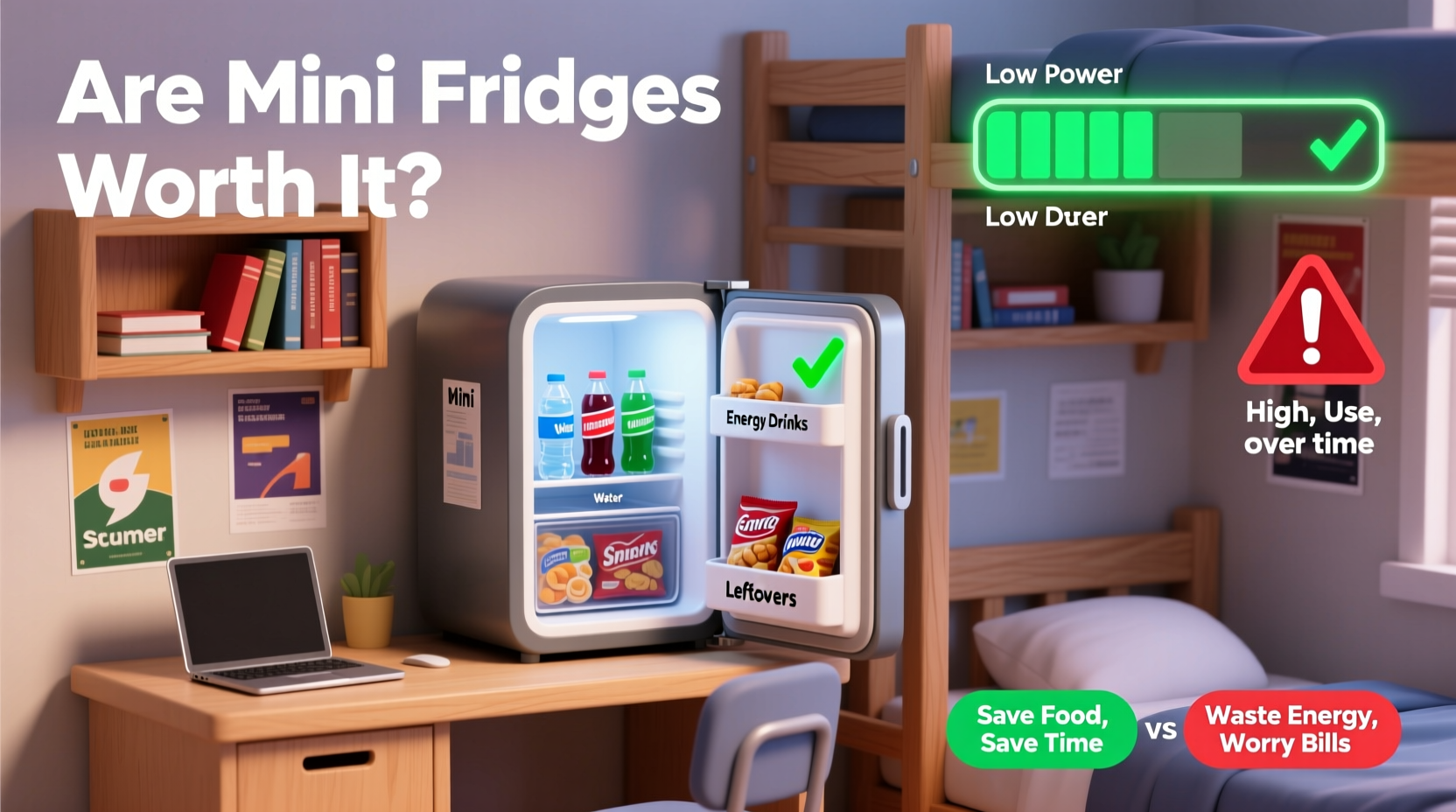
Dorm life comes with unique challenges. Shared kitchens are often far from individual rooms, may lack cleanliness, or be overcrowded during peak hours. A personal mini fridge eliminates the need to trek across campus just to grab a water bottle or store last night’s pizza.
Students who rely on meal prep, have dietary restrictions, or take medications requiring refrigeration benefit significantly from having cold storage on hand. For these individuals, a mini fridge isn’t a luxury—it’s a necessity.
However, convenience has a price. Mini fridges typically range from $80 to $150 for a standard 1.7 to 4.5 cubic foot model. Add in potential delivery fees, extended warranties, or accessories like locks and organizers, and the initial cost climbs quickly. Then there’s the ongoing expense: electricity.
According to the U.S. Department of Energy, the average dorm room mini fridge consumes between 55 and 100 kWh per year. At an average rate of $0.13 per kWh, that translates to roughly $7–$13 annually in electricity. While this may seem negligible, multiply it by thousands of students across a campus, and the collective energy demand becomes substantial.
Tip: Look for ENERGY STAR-certified models—they use 20% less energy than standard units and often qualify for university sustainability rebates.Energy Efficiency: Separating Myths from Facts
One common misconception is that all mini fridges are energy hogs. In reality, modern compact refrigerators vary widely in efficiency. Older models, especially those without proper insulation or outdated compressors, can consume up to twice as much power as newer, optimized versions.
The key lies in understanding energy ratings and usage patterns. An ENERGY STAR-certified mini fridge uses about 0.4 to 0.6 kWh per day, whereas non-certified models may use 0.8 to 1.2 kWh daily—especially if placed in warm or poorly ventilated areas like under a desk or next to a heater.
Placement matters. A mini fridge working harder to maintain internal temperature due to poor airflow or high ambient heat will draw more power. Additionally, frequent door openings, overfilling, or storing hot food directly inside forces the compressor to run longer, increasing energy use.
“Not all mini fridges are created equal. A well-maintained, properly sized unit in a cool dorm room can be more efficient than a full-sized fridge used sporadically.” — Dr. Linda Chen, Energy Efficiency Researcher at MIT Sustainable Systems Lab
Mini Fridge Comparison: Features, Costs, and Efficiency
| Model Type | Avg. Price | Annual Energy Use (kWh) | Estimated Yearly Cost | Best For |
|---|---|---|---|---|
| ENERGY STAR Single Door (3.2 cu ft) | $110 | 60 | $7.80 | General dorm use, long-term ownership |
| Non-Certified Compact (1.7 cu ft) | $85 | 90 | $11.70 | Short-term use, budget-conscious buyers |
| Dorm-Friendly Mini Fridge with Freezer (4.3 cu ft) | $140 | 100 | $13.00 | Students needing frozen items, larger storage |
| Peltier (Thermoelectric) Cooler | $60 | 30 | $3.90 | Cooling drinks only; quiet operation |
Note: Thermoelectric coolers are not true refrigerators. They cool 10–15°F below ambient temperature and work best in climate-controlled rooms. They’re ideal for beverages but unsuitable for perishable food storage.
Real Student Experience: A Mini Case Study
Jamal, a sophomore at the University of Michigan, purchased a basic 2-cubic-foot mini fridge during his freshman year. He kept it under his desk, rarely cleaned the coils, and opened it multiple times per hour—sometimes just to decide what to drink.
After receiving a shockingly high dorm utility bill (split among roommates), Jamal investigated. Using a plug-in energy monitor, he discovered his fridge was drawing 1.1 kWh per day—nearly double the advertised rate. The cramped space under his desk restricted airflow, forcing the compressor to run constantly.
The following semester, Jamal upgraded to an ENERGY STAR model, placed it near the window with space around all sides, and set a reminder to clean the back grille monthly. His energy consumption dropped to 0.5 kWh per day, cutting his contribution to the electric bill in half. More importantly, his food stayed colder and lasted longer.
This case illustrates a critical point: user behavior and placement have as much impact on efficiency as the appliance itself.
Smart Usage Checklist: Maximizing Value, Minimizing Waste
To ensure your mini fridge is worth the investment, follow this actionable checklist:
- Choose the right size: 3.0–4.5 cubic feet is ideal for most students. Larger units consume more energy; smaller ones lead to overstocking and inefficiency.
- Prioritize ENERGY STAR certification: These models meet strict efficiency guidelines and often come with better insulation and compressors.
- Allow proper ventilation: Leave at least 2–3 inches of space behind and above the unit for airflow.
- Avoid direct sunlight and heat sources: Keep away from radiators, windows, and lamps.
- Don’t overfill: Air needs to circulate inside. Overpacking reduces cooling efficiency.
- Clean regularly: Dust buildup on coils increases energy use by up to 30%.
- Let food cool before storing: Hot containers raise internal temperature, forcing the compressor to work harder.
- Limit door openings: Know what you want before opening the door. Each open session can let in enough warm air to require 5–10 minutes of re-cooling.
- Use a power strip: Plug your fridge into a surge-protected strip to prevent damage during voltage spikes.
- Unplug during breaks: If you’re leaving campus for more than a few days, empty and unplug the fridge to save energy and prevent mold.
Alternatives and Considerations
While mini fridges are popular, they aren’t the only option. Some students opt for:
- Shared floor fridges: Many dorms provide communal refrigerators on each floor. Though convenient, they can be unhygienic, overcrowded, or located far from rooms.
- Coolers with ice packs: Useful for short-term storage or travel, but impractical for daily use due to melting and maintenance.
- Insulated lunch bags with gel packs: Great for keeping meals cool between classes, but not a substitute for overnight storage.
- Renting a mini fridge: Some universities partner with rental companies that deliver, maintain, and retrieve units at term end. Rental fees average $50–$80 per semester but include insurance and replacements.
Rental programs reduce upfront costs and eliminate disposal hassles, making them appealing for short-term stays. However, they offer less control over model choice and may not include energy-efficient options.
Frequently Asked Questions
Do mini fridges significantly increase my dorm’s electricity bill?
Individually, a single efficient mini fridge adds only $7–$13 per year to electricity costs. However, when hundreds are running simultaneously in a residence hall, the cumulative load can strain infrastructure and contribute to higher institutional energy spending. Some campuses charge usage-based fees or limit wattage per room.
Can I bring any mini fridge to my dorm?
No. Most colleges restrict appliances based on wattage, size, or type. Common rules include banning freestanding freezers, limiting refrigerators to 4.5 cubic feet or under, and prohibiting units over 300 watts. Always check your housing policy before purchasing.
Are mini fridges safe in dorm rooms?
Yes, when used properly. Ensure the unit is UL-listed, placed on a flat surface, and plugged directly into a wall outlet (not an extension cord). Avoid blocking vents, and never store flammable materials nearby. Regular cleaning prevents mold and odors.
Final Verdict: Worth It or Not?
The truth is, a mini fridge can be both worthwhile and wasteful—depending on how it's selected and used. For students who meal prep, need medication storage, or simply value convenience, a well-chosen, energy-efficient model pays for itself in comfort and time saved.
But a poorly maintained, oversized, or inefficient unit left crammed in a corner serves no one—not the student, not the environment, and not the institution footing part of the energy bill.
The most responsible approach combines smart selection with mindful usage. Opt for an ENERGY STAR-rated model, place it correctly, maintain it regularly, and unplug it when not in use. When treated as a tool rather than a default dorm accessory, a mini fridge becomes a practical, sustainable part of student life.
🚀 Ready to make a smarter choice? Before buying or renting a mini fridge, compare energy labels, measure your space, and ask your housing office about restrictions. A little research now saves money—and energy—later.








