
In the quiet lanes of rural America, a familiar sight greets winter travelers: glowing deer silhouettes mounted on barns, porches, and fence posts. These illuminated cutouts, often lit from behind with warm white or amber bulbs, have adorned homes for decades. Once a novelty of the 1970s and 80s, they’ve since become seasonal staples—particularly around the holidays. But as design trends shift toward minimalism and modern aesthetics, questions arise: Have lighted deer silhouettes lost their charm? Are they relics of a bygone era, or do they still hold cultural and emotional value in today’s countryside?
The answer isn’t straightforward. While some view them as kitschy and outdated, others see them as nostalgic emblems of rural life, community identity, and holiday tradition. Their staying power reveals more than just aesthetic preference—it reflects deeper values around heritage, simplicity, and connection to place.
A Brief History of Lighted Deer Silhouettes
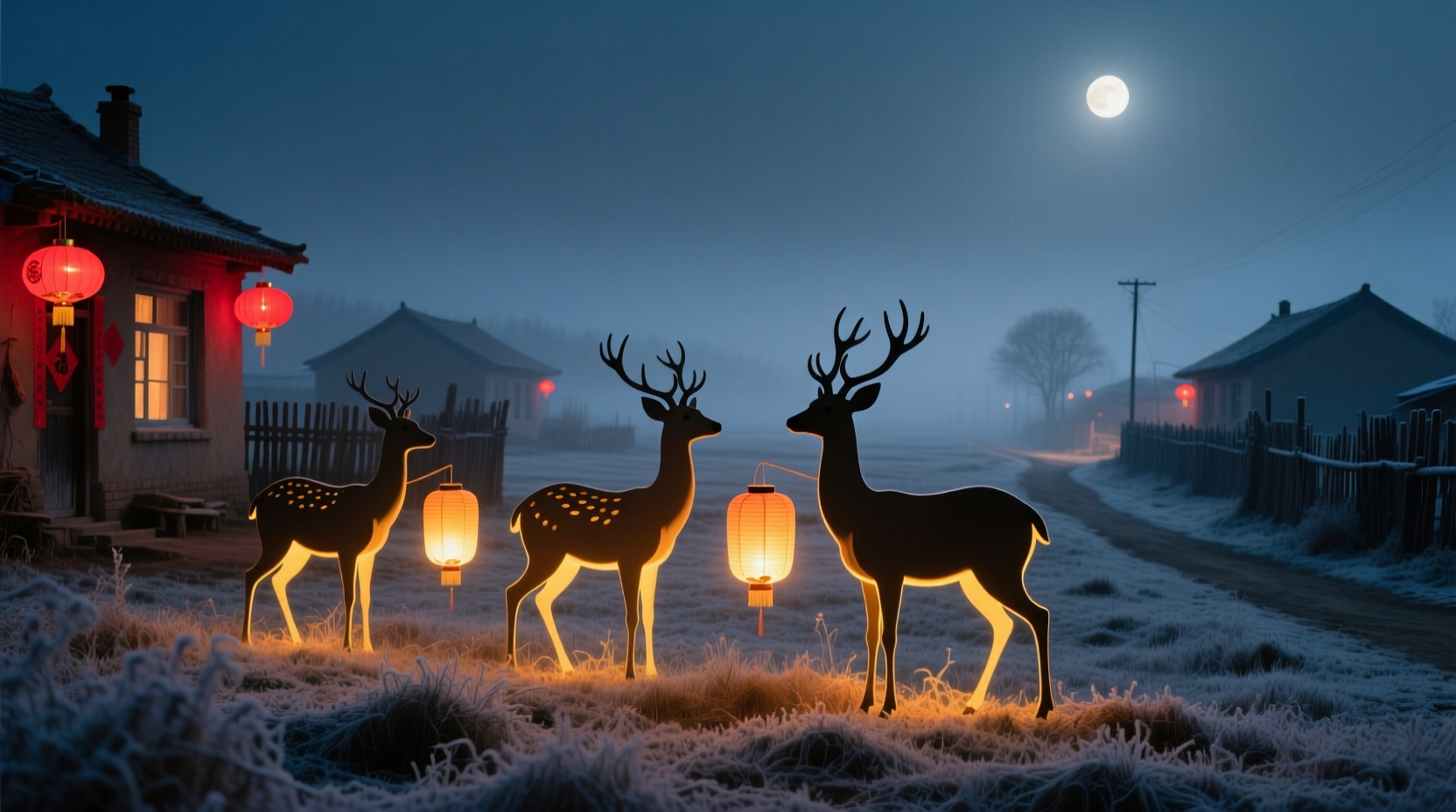
The origins of the lighted deer silhouette trace back to mid-20th century America, when outdoor holiday lighting began gaining popularity. Inspired by early electric Christmas displays, rural homeowners sought affordable ways to bring festive cheer to their properties. Metal or plywood cutouts of deer, often in leaping or grazing poses, were painted black and backlit with incandescent bulbs installed inside wooden frames.
By the 1970s, mass production made these decorations widely accessible through farm supply stores, catalogs, and hardware shops. Their flat profile and easy mounting appealed to farmers and ranchers who wanted visible yet low-maintenance decor. The deer form was no accident—symbolizing grace, wilderness, and the natural rhythms of rural living. Unlike Santa sleighs or reindeer teams, which leaned into fantasy, the silhouette felt grounded in local experience.
Over time, regional variations emerged. In Appalachia, larger, hand-cut versions became family heirlooms. In the Midwest, matching pairs flanked mailbox posts. Across the South, some incorporated motion sensors or color-changing LEDs. Despite evolving technology, the core design remained consistent: a dark outline against a soft glow, visible from the road after dusk.
Cultural Significance in Rural Communities
To dismiss lighted deer silhouettes as outdated is to overlook their role as cultural markers. In many small towns, these lights are more than decorations—they’re signals of belonging. When a new family installs one, neighbors take notice. When an elderly resident passes and their display goes dark, it’s quietly noted.
“It’s not about being trendy,” says Martha Ellison, a lifelong resident of rural Kentucky. “It’s about continuity. My father put up his first deer in 1978. I re-wired it myself last year. It’s not fancy, but it says we’re here, we care, and we remember.”
“We don’t decorate for Instagram. We decorate for the people who drive past every day—the mail carrier, the school bus driver, the neighbor checking cattle after supper.” — Dale Peterson, Montana Rancher
This sentiment echoes across farming communities where visibility equals vigilance. A lit silhouette suggests occupancy, safety, and pride of place. In areas where homes are spaced far apart, shared visual language strengthens informal bonds. During winter months, when isolation increases, these small lights serve as beacons of warmth and routine.
Evolving Design: From Bulbs to LEDs
One reason lighted deer silhouettes persist is adaptation. Early models used fragile incandescent bulbs prone to burnout and weather damage. Today’s versions often feature durable acrylic panels, energy-efficient LED strips, and weatherproof casings. Some include remote controls, timers, or solar charging.
Modern designs also offer stylistic upgrades:
- Sleeker profiles: Slimmer housings blend better with contemporary architecture.
- Custom finishes: Brushed metal, rustic wood frames, or powder-coated steel elevate appearance.
- Motion activation: Lights turn on only when approached, adding surprise and conserving energy.
- Multi-season use: Interchangeable inserts allow switching from deer to eagles, horses, or even farm equipment.
These improvements help bridge the gap between tradition and modern taste. A well-designed silhouette no longer looks like a relic—it can complement a farmhouse-chic porch or enhance a trailside cabin’s ambiance.
Tip: When upgrading an old deer silhouette, consider retrofitting it with flexible LED tape instead of replacing the entire unit. This preserves sentimental value while improving efficiency and brightness.Perception Divide: Outdated vs. Charming
The debate over whether these silhouettes are outdated hinges largely on context and perspective. Urban designers may see them as clichéd, while rural residents often view them as comforting constants.
To clarify this divide, consider the following comparison:
| Perception | Arguments For | Arguments Against |
|---|---|---|
| Outdated | Associated with older generations; design hasn’t changed dramatically; seen as kitsch by younger demographics. | Lacks innovation; visually repetitive; doesn’t align with modern minimalist trends. |
| Charming | Nostalgic; evokes childhood memories; symbolizes rural resilience; fosters community identity. | May appear unsophisticated to outsiders; limited appeal beyond certain regions. |
| Timeless | Simple design transcends trends; meaningful symbolism; adaptable to new tech. | Requires intentional placement and maintenance to avoid looking neglected. |
The truth lies in nuance. A poorly maintained, flickering silhouette with exposed wires will likely be seen as outdated. But a clean, well-lit version—especially one integrated thoughtfully into landscape lighting—can feel both nostalgic and intentional.
Mini Case Study: Reviving Tradition in Pine Ridge, Iowa
In 2021, the town of Pine Ridge (pop. 832) launched a “Silhouette Renewal Project” to preserve its rural character amid rising housing developments. Longtime residents worried that incoming families would replace traditional decor with generic inflatables or neon signs.
The initiative invited locals to submit vintage deer silhouettes for restoration. Volunteers cleaned frames, replaced wiring, and upgraded bulbs to LEDs. Each restored piece received a small plaque with its original installation year and owner’s name. The town then mapped a self-guided driving tour titled “Trails of Light.”
The result? A renewed sense of pride. Younger homeowners began installing their own versions, citing the project as inspiration. Local real estate agents reported that properties with silhouettes sold faster during winter months. More importantly, intergenerational conversations about family history and land stewardship increased.
“It wasn’t just about fixing old lights,” said project coordinator Linda Tran. “It was about reminding people why we live here—not for convenience, but for connection.”
How to Keep Your Lighted Deer Silhouette Looking Fresh
If you own a lighted deer silhouette—or are considering getting one—its longevity and appeal depend on care and presentation. Follow this step-by-step guide to ensure it remains a point of pride, not parody.
- Inspect Annually: Before winter, check for cracked panels, frayed wires, or corroded connections.
- Clean Gently: Wipe acrylic or glass fronts with a microfiber cloth and mild soap. Avoid abrasive cleaners.
- Upgrade Lighting: Replace old bulbs with warm-white LEDs (2700K–3000K) for a softer, more inviting glow.
- Secure Mounting: Ensure brackets are tight and stable. Use stainless steel screws in wooden posts to prevent rust.
- Integrate with Landscape: Position the silhouette so it complements existing trees, fences, or pathways. Avoid placing it directly above bright floodlights.
- Add Context: Pair with subtle string lights, hay bales, or native evergreens to create a cohesive scene without clutter.
Checklist: Is Your Deer Silhouette Still Working for You?
Use this checklist to evaluate whether your silhouette enhances your property or needs updating:
- ✅ Glows evenly without dark spots or flickering
- ✅ Frame is free of rust, warping, or peeling paint
- ✅ Mounted securely and level
- ✅ Visible and attractive from the road or sidewalk
- ✅ Complements other outdoor lighting, not competing with it
- ✅ Clean and well-maintained (no cobwebs, dirt, or debris)
- ✅ Uses energy-efficient lighting (LED preferred)
- ✅ Reflects personal or family tradition meaningfully
If most boxes are checked, your silhouette likely still holds charm. If not, consider restoration rather than removal.
Frequently Asked Questions
Are lighted deer silhouettes only for Christmas?
No, while most are displayed during the winter holidays, many rural homeowners keep them up year-round as symbols of wildlife appreciation and rural identity. Some even switch to different silhouettes (like horses or birds) seasonally.
Do younger generations still appreciate them?
Yes, but with conditions. Millennials and Gen Z residents in rural areas often embrace them when framed as heritage items or DIY projects. Personalization—such as hand-painting or smart lighting integration—increases appeal.
Can they increase property value?
Indirectly. While not a formal appraisal factor, well-maintained seasonal lighting can enhance curb appeal, especially in tight-knit rural communities where tradition matters. Buyers seeking authenticity may view them as a positive signal.
Conclusion: Tradition with Intention
Lighted deer silhouettes aren’t inherently outdated—but they can become so if left unattended or treated as mere clichés. Their enduring charm lies not in their design alone, but in the stories they carry, the hands that install them, and the roads they illuminate.
In an age of rapid change, these simple lights offer something increasingly rare: continuity. They remind us that charm isn’t always found in novelty. Sometimes, it glows softly in the background, familiar and steady, like a neighbor’s wave at twilight.
Whether you inherited one, built one, or are thinking of buying your first, treat it with care and purpose. Let it reflect not just a trend, but a legacy. Because in rural America, some traditions aren’t about keeping up with the times—they’re about holding onto what matters.
💬 What does a lighted deer silhouette mean to you? Share your story, photo, or memory in the comments—let’s celebrate the quiet lights that connect us.








