For millions of drivers in northern states, Canadian provinces, and high-altitude regions, winter commuting means enduring icy seats, stiff muscles, and a slow warm-up period before comfort sets in. While modern vehicles increasingly come with factory-installed heated seats, many older or budget-friendly models lack this feature. Enter the heated car seat cushion: an aftermarket solution promising warmth on demand. But are these portable heating pads truly worth the investment for cold climate commuters? The answer depends on usage patterns, vehicle type, personal health, and expectations.
This article examines the practical value of heated seat cushions through real-world performance, cost-benefit analysis, safety considerations, and user experiences—helping you determine whether one belongs in your winter gear lineup.
The Cold Commute Challenge
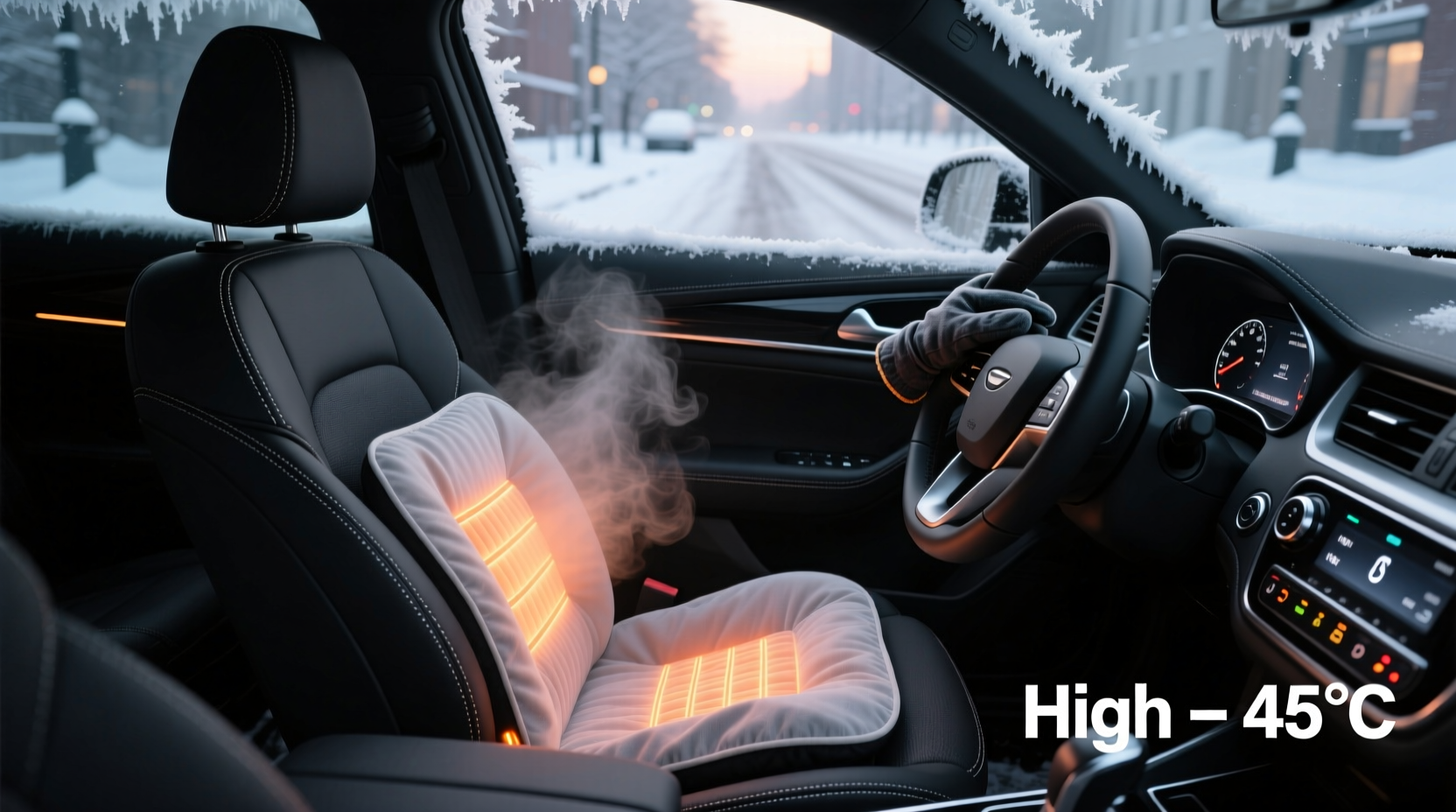
In regions where temperatures regularly dip below freezing, sitting on a leather or fabric car seat straight from a frigid garage can feel like taking a seat on a block of ice. The human body loses heat rapidly through conductive contact, and the lower back and glutes are especially vulnerable. Prolonged exposure to cold seating surfaces doesn’t just cause discomfort—it can contribute to muscle stiffness, reduced circulation, and even exacerbate chronic back pain.
Automakers recognized this decades ago, which is why luxury vehicles began including built-in heated seats. Today, even mid-tier models often offer them as standard or optional equipment. However, for drivers of older cars, fleet vehicles, or rentals, that comfort remains out of reach—unless they turn to third-party solutions like heated seat cushions.
Tip: Pre-warming your seat cushion while the engine warms up can significantly improve comfort within the first five minutes of driving.How Heated Seat Cushions Work
Most heated car seat cushions operate on 12 volts, drawing power directly from the vehicle’s cigarette lighter (now commonly called the 12V power outlet). Internally, they contain carbon fiber heating elements or resistive wires woven into a flexible pad. When activated, these elements generate gentle, even heat distributed across the seating surface.
Modern designs include multiple heat settings (typically low, medium, high), auto-shutoff timers (usually after 60–90 minutes), and overheat protection. Some advanced models integrate lumbar support or massage functions, though these tend to be bulkier and more expensive.
Installation is straightforward: place the cushion on the seat, plug it into the 12V socket, and switch it on. Most units come with non-slip backing or straps to prevent shifting during use. Because they’re removable, they can be transferred between vehicles—a major advantage for those who drive different cars throughout the week.
Benefits for Cold Climate Commuters
The primary appeal of heated seat cushions lies in their ability to deliver targeted warmth exactly where it’s needed most. Unlike cabin heaters, which take time to circulate warm air, seat cushions begin warming within seconds. This rapid response is crucial during short commutes when the car interior never fully heats up.
- Immediate Comfort: Eliminates the shock of sitting on a frozen seat.
- Improved Circulation: Gentle heat helps maintain blood flow, reducing numbness and stiffness.
- Pain Relief: Beneficial for individuals with arthritis, sciatica, or lower back issues aggravated by cold.
- Energy Efficiency: Uses less power than running the heater at full blast, preserving fuel economy in internal combustion engines and range in EVs.
- Versatility: Can be used in cars, trucks, RVs, office chairs, or even at outdoor events.
“Localized heat therapy is clinically effective for reducing muscle tension and improving joint mobility in cold environments.” — Dr. Lena Patel, Physical Therapist and Ergonomics Consultant
Real-World Use: A Midwestern Commuter’s Experience
Consider Sarah, a nurse from Duluth, Minnesota, who commutes 45 minutes each way during winter months. Her 2014 sedan has no heated seats, and she often leaves before sunrise when temperatures hover around -20°F (-29°C). For years, she relied on thick coats and steering wheel covers but still dreaded the first few miles of her drive.
Last winter, she purchased a dual-layer heated seat cushion with three heat settings and a 90-minute auto-off function. She placed it on her driver’s seat and plugged it in while starting the car. Within two minutes, she noticed a dramatic difference. “It’s not just about being warm,” she said. “My lower back doesn’t seize up anymore, and I arrive at work feeling more alert.”
Sarah now keeps the cushion in her trunk during colder months and uses it on flights and at football games. “It paid for itself in comfort after the first week,” she added.
Key Considerations Before Buying
While the benefits are clear, not all heated seat cushions are created equal. Choosing the right model requires attention to several factors that impact safety, durability, and long-term satisfaction.
| Feature | Why It Matters | Recommended |
|---|---|---|
| Overheat Protection | Prevents fire risk and fabric damage during prolonged use | Essential |
| Auto-Shutoff Timer | Conserves battery and prevents accidental drain | Highly Recommended |
| Adjustable Straps | Keeps cushion stable during turns or sudden stops | Important |
| Washable Cover | Allows cleaning without damaging internal wiring | Recommended |
| Low Power Mode | Extends usability and reduces strain on older vehicles | Useful |
Safety and Limitations
Despite their convenience, heated seat cushions are not without risks. Poorly made models may lack adequate insulation or temperature regulation, posing burn hazards—especially for elderly users or those with reduced sensitivity due to diabetes or neuropathy.
Additionally, continuous use without auto-shutoff can drain a vehicle’s battery, particularly if the engine is off. This is a critical concern for hybrid vehicles or cars with aging batteries. Always unplug the cushion when exiting the vehicle unless actively charging via ignition-on circuit.
Another limitation is coverage. Most cushions only heat the lower back and buttocks, leaving thighs and upper back exposed. For full-body warmth, they should complement—not replace—appropriate winter clothing and cabin heating.
Step-by-Step Guide: Maximizing Your Heated Seat Cushion
- Choose the Right Model: Prioritize safety certifications (UL, ETL), adjustable heat settings, and secure fastening.
- Test Before Relying: Use the cushion at home or while parked to verify even heating and stability.
- Position Correctly: Center it on the seat and secure with straps to prevent slipping.
- Plug In Early: Turn it on as soon as you start the car to maximize pre-drive warmth.
- Use Moderate Heat: Start on medium setting; high heat isn’t always necessary and may reduce lifespan.
- Unplug After Use: Prevent battery drain by disconnecting when the engine is off.
- Maintain Regularly: Wipe down the surface and check cords for wear every few weeks.
Cost vs. Value Analysis
Heated seat cushions typically range from $30 to $100, with premium models reaching $150. Compare this to dealer-installed heated seat kits, which can cost $300–$800 including labor. Even DIY retrofit kits require drilling, wiring, and potential warranty complications.
For frequent commuters in harsh climates, a $50 cushion that lasts three winters represents a minimal expense relative to daily comfort and well-being. Moreover, unlike permanent modifications, cushions are reversible and don’t affect resale value.
From an energy standpoint, a typical cushion draws 40–60 watts—less than a dome light. Over a 30-minute commute, that’s negligible compared to running the blower fan at high speed, which can draw over 200 watts.
Expert Recommendations and Alternatives
While heated cushions are effective, experts suggest combining them with other strategies for optimal cold-weather comfort.
“For drivers in extreme climates, layering solutions work best: thermal base layers, heated vests, and seat warmth together create a microclimate of comfort.” — Mark Tran, Automotive Wellness Researcher at the University of Alberta
Alternatives include:
- Heated Seat Covers: Full-seat versions that include backrest heating.
- Portable Heaters: Small 12V fans or radiant panels for footwell warmth.
- Thermal Seat Protectors: Reflective-lined pads that retain body heat without electricity.
- Remote Start Systems: Allow cabin pre-heating before entering the vehicle.
However, none offer the same combination of affordability, portability, and immediate effect as a quality heated seat cushion.
Frequently Asked Questions
Can heated seat cushions damage leather seats?
Generally, no—if used correctly. High-quality cushions regulate temperature to safe levels (typically under 113°F / 45°C), well below the threshold for leather cracking. Avoid cheap models without thermostats, and never leave them on high heat for hours. Using a thin cloth barrier adds extra protection.
Are they safe for people with medical conditions?
Most users benefit, but individuals with diabetes, poor circulation, or nerve damage should consult a physician first. Reduced sensation increases the risk of unnoticed overheating. Always use lower settings and limit session duration.
Do they work in electric vehicles?
Yes, and they can be especially useful. Since EVs prioritize battery efficiency, minimizing cabin heater use helps preserve driving range. A seat cushion provides direct warmth with minimal energy draw, making it a smart auxiliary tool in cold weather.
Final Checklist: Is a Heated Seat Cushion Right for You?
- ✅ Do you commute in sub-freezing temperatures for more than 15 minutes?
- ✅ Does your vehicle lack factory heated seats?
- ✅ Have you experienced discomfort, stiffness, or pain from cold seating?
- ✅ Are you looking for an affordable, non-permanent upgrade?
- ✅ Can you commit to safe usage practices (unplugging, checking cords)?
If you answered yes to most of these, a heated seat cushion is likely a worthwhile investment.
Conclusion: Warmth Worth the Plug-In
For cold climate commuters, the daily battle against winter discomfort is real. Heated car seat cushions may seem like a small accessory, but their impact on physical comfort, mental focus, and overall well-being is significant. They bridge the gap between outdated vehicles and modern convenience, offering a quick, efficient, and safe way to stay warm from the moment you sit down.
While not a replacement for comprehensive winter preparedness, a quality heated cushion delivers disproportionate returns for its cost and simplicity. When chosen wisely and used responsibly, it becomes more than a gadget—it becomes part of a healthier, more comfortable commute.
🚀 Ready to transform your winter drives? Research top-rated heated seat cushions today, prioritize safety features, and reclaim your morning commute—one warm seat at a time.








