As decorative lighting continues to evolve, flameless LED candles have become a popular alternative to traditional wax candles. Praised for their convenience, longevity, and lack of open flames, they are frequently used in homes, gardens, weddings, and seasonal displays. But when it comes to placing them inside delicate materials like paper lanterns or beneath trees—especially during outdoor events—the question of safety arises. Can these seemingly harmless lights pose a hidden risk? The answer depends on several factors, including design, placement, duration of use, and environmental conditions.
This article examines the real-world safety of using flameless LED candles in paper lanterns and under trees. We’ll explore how much heat they emit, what types are safest, and how to avoid potential hazards—all backed by technical insights, expert opinions, and practical guidelines.
Understanding Flameless LED Candles: How They Work
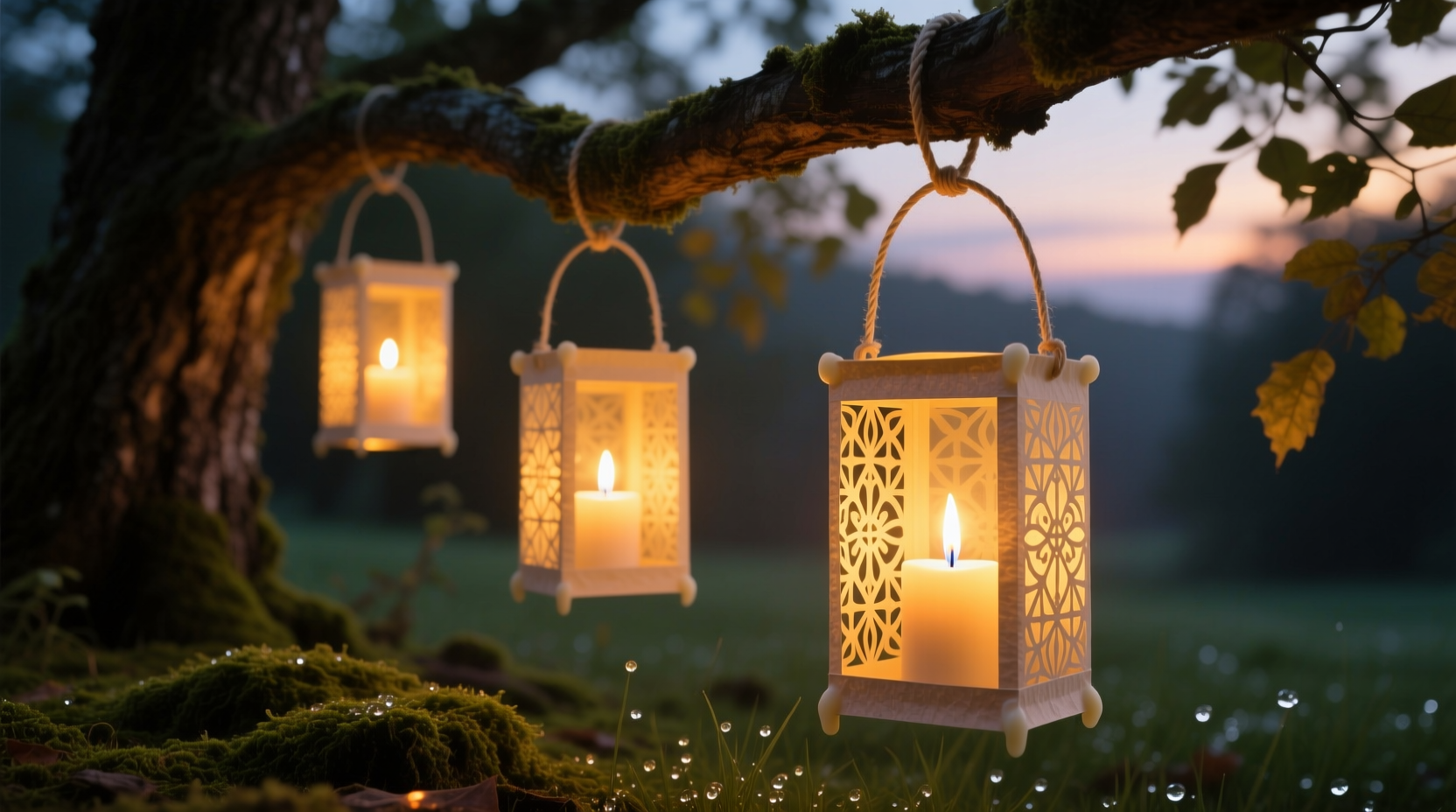
Flameless LED candles simulate the flicker of real candlelight using light-emitting diodes (LEDs) powered by batteries or rechargeable cells. Unlike traditional candles, they produce no smoke, soot, or carbon monoxide. Most models include a built-in timer, remote control, or motion sensor, making them ideal for automated ambiance.
The core components typically include:
- LED bulb – Emits light with minimal heat generation.
- Battery compartment – Usually holds AA, AAA, or button-cell batteries.
- Plastic or silicone housing – Designed to mimic wax and protect internal circuitry.
- Flicker mechanism – A programmed microchip that modulates brightness to imitate a flame.
Because they don’t rely on combustion, flameless candles eliminate the primary fire hazard associated with real flames. However, this doesn’t mean they’re entirely risk-free. Some models can still generate localized heat, particularly if left on for extended periods or if the battery malfunctions.
Tip: Always check manufacturer labels for heat warnings and recommended usage times—even if the candle is labeled \"flameless.\"Heat Output: Are LED Candles Truly Cool?
A common misconception is that all LED candles remain completely cool to the touch. While most do stay near ambient temperature, certain conditions can lead to warmth buildup:
- Prolonged operation – LEDs themselves are efficient, but continuous use over 8–12 hours may cause slight heating in the base or battery compartment.
- Poor ventilation – Enclosing an LED candle in tight spaces (like small paper lanterns) traps heat, increasing surface temperature.
- Low-quality construction – Cheaply made units may use inferior circuits or non-heat-resistant plastics that degrade faster and retain more heat.
- Battery issues – Leaking or overheating batteries (especially alkaline types) can create hot spots even if the LED remains cool.
In controlled tests conducted by consumer safety labs, high-quality flameless candles typically reach surface temperatures between 35°C and 45°C (95°F–113°F)—well below the auto-ignition point of paper (around 233°C or 451°F). However, sustained contact with thin, dry paper at elevated temperatures—even below ignition levels—can cause browning, charring, or increased flammability over time.
“Just because there’s no flame doesn’t mean there’s no fire risk. Heat accumulation in enclosed spaces can be deceptive.” — Dr. Alan Reyes, Electrical Safety Engineer, National Fire Protection Research Group
Safety in Paper Lanterns: What You Need to Know
Paper lanterns are widely used in celebrations, restaurants, and garden decor. Their lightweight, translucent material diffuses light beautifully—but also makes them vulnerable to heat and sparks. When considering flameless LED candles inside these lanterns, several key factors determine safety:
Material Thickness and Coating
Not all paper lanterns are created equal. Thicker rice paper or silk-coated lanterns handle low heat better than ultra-thin tissue-style versions. Some lanterns are treated with flame-retardant coatings, which significantly improve resistance to scorching.
Lantern Size vs. Candle Size
A cramped fit increases risk. If the LED candle touches the inner walls of the lantern, especially near the base where heat collects, it can transfer warmth directly to the paper. A minimum gap of 1–2 inches around the candle is advisable.
Ventilation Design
Lanterns with open tops or mesh vents allow heat to dissipate. Fully sealed designs trap warm air, creating a greenhouse effect that raises internal temperature over time.
| Risk Factor | Low Risk | High Risk |
|---|---|---|
| Lantern Material | Thick rice paper, flame-retardant coating | Thin tissue paper, untreated |
| Candle Fit | Loose, centered placement | Tight, touching sides |
| Usage Duration | Under 6 hours | Continuous, overnight |
| Ventilation | Open top or side vents | Fully enclosed |
| Candle Quality | Reputable brand, UL-certified | Unbranded, no safety marks |
Using LED Candles Under Trees: Outdoor Considerations
Placing flameless candles beneath trees—common in patio lighting, weddings, or holiday displays—introduces additional variables. While the open-air environment reduces heat buildup compared to enclosed lanterns, other hazards emerge.
Proximity to Dry Foliage
Even without a flame, a malfunctioning LED unit or leaking battery could spark or smolder. If placed near dry leaves, pine needles, or mulch, this presents a potential ignition source. This risk is higher in drought-prone areas or during autumn months.
Weather Exposure
Most standard LED candles are not waterproof. Rain or dew can seep into the battery compartment, causing corrosion, short circuits, or leakage. While rare, battery acid can weaken nearby organic materials and increase fire risk indirectly.
Animal and Wind Interference
Outdoor settings expose candles to curious pets, wildlife, or strong gusts. A knocked-over unit might land against tree bark or brush, creating friction points or trapping heat against flammable surfaces.
“We once investigated a backyard fire traced to a tipped LED candle resting against dried ivy. No flame, but a degraded battery sparked enough to ignite dry vegetation.” — Fire Marshal Linda Tran, Austin Fire Department
Step-by-Step Guide: Safe Placement of Flameless Candles
To enjoy the beauty of LED candles safely in sensitive environments, follow this verified procedure:
- Choose high-quality candles – Opt for brands with safety certifications (UL, CE, RoHS). Avoid dollar-store varieties with no labeling.
- Inspect before use – Check for cracked casings, loose batteries, or signs of prior leakage.
- Test in a safe area – Run the candle for 30–60 minutes while monitoring heat output and stability.
- Ensure proper spacing – In lanterns, center the candle; under trees, keep at least 12 inches from trunks, foliage, or ground cover.
- Limit runtime – Use timers or manually turn off after 6–8 hours. Never leave on overnight unless explicitly rated for continuous use.
- Monitor weather conditions – Bring candles indoors if rain, wind, or extreme heat is expected.
- Store properly after use – Remove batteries and keep in a dry, cool place to prevent degradation.
Checklist: Is Your Setup Safe?
Before lighting up your display, go through this quick safety checklist:
- ✅ LED candle is from a reputable brand with safety markings
- ✅ No visible damage to casing or battery compartment
- ✅ Lantern has adequate ventilation or is made of thick, treated paper
- ✅ Candle does not touch the sides or top of the lantern
- ✅ Unit was tested and remained cool after 30 minutes of operation
- ✅ Placed away from dry leaves, mulch, or tree bark
- ✅ Not exposed to rain or heavy dew
- ✅ Runtime limited to 6–8 hours or set on automatic shut-off
- ✅ Supervised during active use, especially outdoors
Real Example: A Wedding Decor Incident
In 2022, a wedding planner in Oregon used dozens of flameless LED candles inside paper lanterns suspended beneath oak trees for an evening reception. The setup looked stunning—soft golden light filtering through the branches. However, one lantern began emitting a faint burning smell by hour four.
Upon inspection, a guest noticed the base of the lantern had darkened. The LED candle inside, though still functioning, had been running continuously and was pressed slightly against the paper due to improper mounting. While no fire occurred, the incident prompted the venue to revise its policy: all future events now require third-party-reviewed lighting setups and mandatory 30-minute heat checks before guest arrival.
This case underscores that even “safe” technology demands responsible application. Aesthetic appeal must never override basic fire prevention principles.
FAQ
Can flameless candles catch fire?
While extremely rare, yes—under specific failure conditions. Overheating batteries, electrical shorts, or prolonged contact with combustible materials can lead to smoldering or ignition. Proper use greatly minimizes this risk.
Are LED candles safe for children and pets?
Generally, yes—especially compared to real candles. They don’t burn skin on contact and don’t emit toxic fumes. However, small parts and batteries pose choking hazards. Always place them out of reach and supervise closely.
Can I leave flameless candles on all night?
Only if the manufacturer explicitly states they are designed for continuous, unattended operation. Most consumer-grade models are not intended for 24/7 use. Always follow label instructions and use timers when possible.
Conclusion: Balancing Beauty and Safety
Flameless LED candles offer a remarkably safe alternative to traditional lighting—when used correctly. Inside paper lanterns or beneath trees, they can create magical atmospheres without the dangers of open flames. But safety isn't guaranteed by the absence of fire; it’s achieved through informed choices, quality products, and vigilant habits.
By selecting well-made candles, ensuring proper ventilation, avoiding contact with flammable materials, and limiting runtime, you can enjoy radiant decor with peace of mind. Remember: no decoration is worth compromising safety. Take a few extra minutes to test, inspect, and plan your setup—it could prevent a disaster.
🚀 Ready to decorate safely? Share this guide with event planners, homeowners, or anyone using decorative lighting. Let’s spread awareness—one smart choice at a time.