In the evolving world of interior design, personal expression has become as important as functionality. Wall decor, once an afterthought, now serves as a bold statement of identity, taste, and cultural alignment. As we move into 2025, two dominant forms of visual storytelling dominate living spaces: anime wall art and traditional movie posters. Both celebrate cinematic artistry, but they speak to different audiences, aesthetics, and emotional connections. The question isn’t just about preference—it’s about impact. Which form of decor commands attention, reflects contemporary culture more authentically, and resonates with future design trends?
This comparison goes beyond nostalgia or fandom. It's about how visual media influences personal space, how global pop culture is shifting, and what today’s consumers value in their home environments. From minimalist line art of Studio Ghibli characters to vintage-collage Marvel posters, both options offer rich narratives. But only one may truly \"speak louder\" in the homes of tomorrow.
The Rise of Anime Wall Art in Modern Interiors
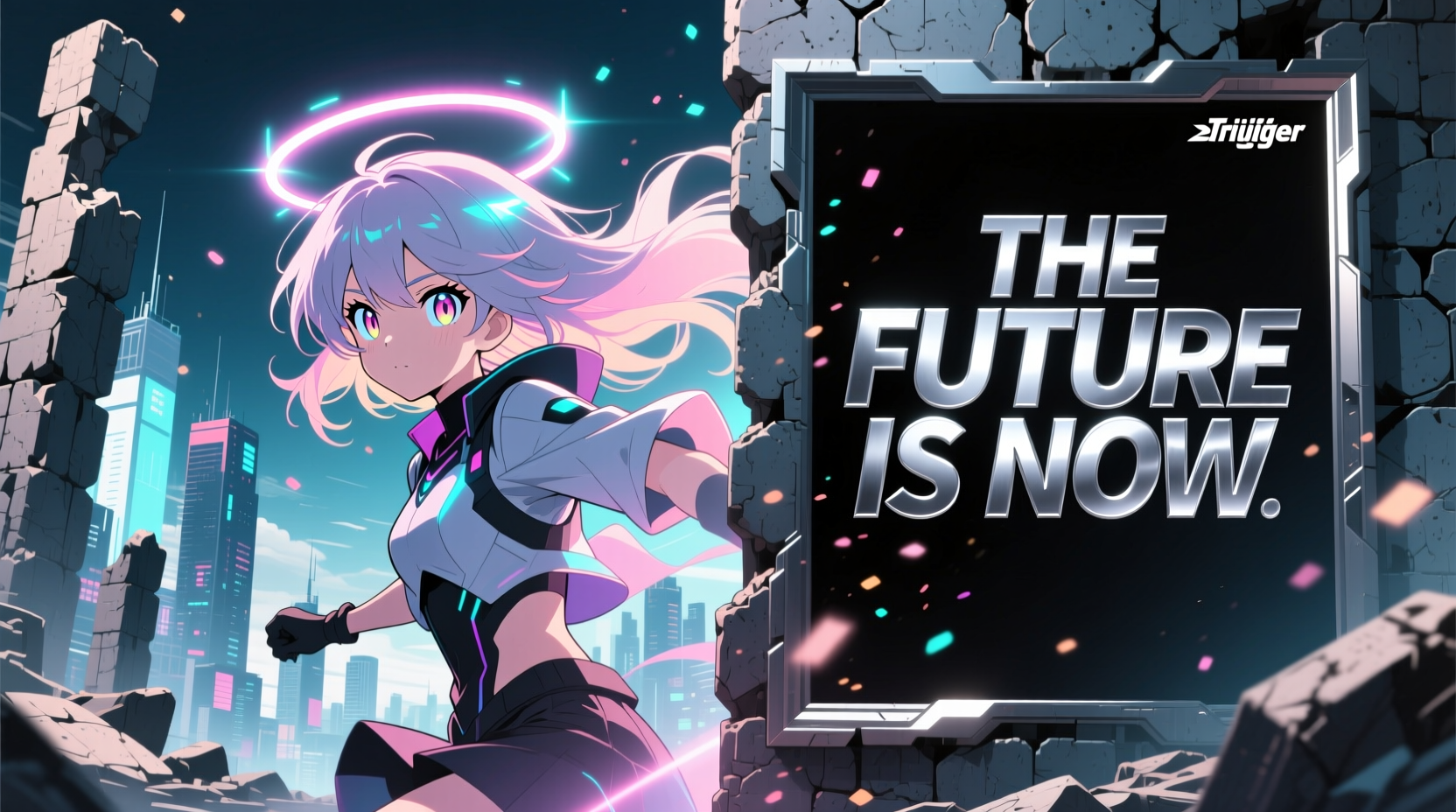
Anime has transitioned from niche entertainment to a globally celebrated art form. No longer confined to late-night cable TV or underground fan forums, anime now influences fashion, music, and—most visibly—interior design. In 2025, anime wall art is no longer just for teenagers’ bedrooms. It’s appearing in urban lofts, co-working lounges, and even boutique hotel lobbies.
What sets anime wall art apart is its stylistic diversity. From the hand-drawn elegance of Makoto Shinkai’s landscapes to the dynamic linework of *Demon Slayer* illustrations, anime art often leans into painterly techniques, vibrant color palettes, and surreal compositions. This artistic richness allows it to function not just as decoration, but as fine art.
Moreover, anime’s themes—identity, resilience, transformation—are deeply personal. A print of *Neon Genesis Evangelion* isn’t just a robot show; it’s a meditation on isolation and self-worth. A framed still from *Your Name* evokes longing and cosmic connection. These emotional layers give anime art staying power beyond aesthetic appeal.
Tip: When selecting anime wall art, choose pieces with balanced composition and muted tones if integrating into minimalist or Scandinavian interiors.Movie Posters: The Classic Choice with Enduring Appeal
Movie posters have long been the cornerstone of cinematic decor. Since the golden age of Hollywood, iconic imagery—from *Casablanca* to *Pulp Fiction*—has graced walls as symbols of cultural milestones. In 2025, this tradition continues, bolstered by high-quality reprints, gallery-style framing, and collector’s editions.
What gives movie posters their enduring strength is their narrative density. A single image encapsulates an entire film: mood, genre, character dynamics. The stark silhouette of Batman in *The Dark Knight*, the retro-futurism of *Blade Runner 1982*, or the whimsy of *Amélie*’s Parisian montage—all convey instant recognition and emotional resonance.
Additionally, movie posters are widely accessible. Major studios release official prints, and third-party artists create stylized variants (e.g., Mondo posters), making them easy to source and display. Their rectangular format also fits standard frames and gallery walls, offering practical advantages over custom-sized anime canvases.
Yet, despite their popularity, movie posters face challenges. Many designs prioritize marketing over artistry, resulting in cluttered layouts dominated by actor faces and franchise logos. This commercial feel can clash with modern tastes that favor clean lines and intentional minimalism.
Comparative Analysis: Key Differences in Impact and Style
To determine which decor \"speaks louder,\" we must evaluate several factors: cultural relevance, artistic merit, versatility, emotional depth, and longevity.
| Factor | Anime Wall Art | Movie Posters |
|---|---|---|
| Cultural Relevance (2025) | Surging globally; especially strong in Gen Z and millennial demographics. Tied to streaming growth on platforms like Crunchyroll and Netflix’s anime investments. | Stable but aging audience. Franchise-driven (Marvel, DC) dominates, though indie and classic films retain cult followings. |
| Artistic Originality | High—often created by original animators or licensed illustrators. Emphasis on unique brushwork, color theory, and symbolism. | Variable—studio-commissioned designs often prioritize branding over creativity. Exceptions exist in limited-edition prints. |
| Versatility in Decor | Moderate—works best in themed rooms, creative studios, or modern spaces with accent colors. Can be adapted via abstract interpretations. | High—fits seamlessly into man caves, offices, galleries, and eclectic living rooms due to standardized sizing and familiar formats. |
| Emotional Resonance | Deep—fans connect with character journeys and philosophical themes. Often tied to formative life experiences. | Moderate—nostalgia-driven. Strong for classics, but newer blockbusters may lack lasting emotional weight. |
| Longevity & Collectibility | Growing rapidly—limited-run giclée prints and artist collaborations increasing value. Rising auction interest in original cels. | Well-established—original vintage posters (e.g., *Psycho*, *Star Wars*) command high prices. Newer prints less valuable. |
“Anime art is no longer secondary to Western cinema visuals. In terms of emotional engagement and visual innovation, it’s leading the next wave of decorative storytelling.” — Lila Nguyen, Curator at Urban Frame Gallery, Tokyo
Real-World Application: A Case Study in Personal Space Design
Consider the case of Jordan Lee, a 28-year-old UX designer in Vancouver who recently renovated their downtown apartment. Faced with blank walls in the living room and bedroom, Jordan wanted decor that reflected both personality and professionalism.
Initially drawn to movie posters, Jordan considered a *The Godfather* print and a minimalist *Inception* design. However, after attending an anime exhibition at a local art museum, they shifted focus. They ultimately installed three large-format anime pieces: a watercolor-inspired *Spirited Away* hallway scene, a neon-lit cyberpunk cityscape from *Akira*, and a subtle black-and-white sketch of *Cowboy Bebop* characters under starlight.
The result? Guests consistently comment on the artwork. Colleagues assumed Jordan was an artist. More importantly, the pieces sparked conversations—not just about anime, but about travel, dreams, and urban loneliness. In contrast, movie posters would have elicited nods of recognition but fewer deep exchanges.
Jordan’s experience illustrates a broader trend: anime art doesn’t just decorate—it invites dialogue. It transforms passive viewing into active interpretation.
How to Choose What Speaks Louder for Your Space
Selecting between anime wall art and movie posters shouldn’t be arbitrary. It should align with your lifestyle, values, and design goals. Follow this step-by-step guide to make an intentional decision:
- Assess Your Emotional Connection: Which medium moves you more? Do you rewatch *Spirited Away* during tough times? Or does *The Shawshank Redemption* poster remind you of perseverance? Choose based on genuine attachment, not trends.
- Evaluate Your Interior Style: Modern, Japandi, or maximalist spaces suit anime art well. Traditional, industrial, or mid-century settings often pair better with classic film posters.
- Consider Long-Term Value: Are you investing in collectible art? Original anime cels or limited lithographs may appreciate. Vintage movie posters do too, but require authentication.
- Think About Conversation Potential: Will the piece invite questions? Anime art often intrigues non-fans due to its visual uniqueness, while movie posters may blend into background decor.
- Test Layout and Scale: Use digital mockups to visualize placement. Anime art often benefits from larger canvases to showcase detail, while posters work in grids or clusters.
Checklist: Pre-Purchase Evaluation for Wall Decor
- ✅ Is the artwork officially licensed or from a reputable artist?
- ✅ Does the color palette complement existing room tones?
- ✅ Is the frame or mounting method durable and UV-protected?
- ✅ Will it remain meaningful in 5–10 years?
- ✅ Does it reflect my identity, not just current trends?
- ✅ Have I checked reviews or provenance for limited editions?
Frequently Asked Questions
Can anime wall art fit in professional or formal spaces?
Yes—when selected intentionally. Abstract anime-inspired pieces, monochrome sketches, or landscape-focused prints (e.g., from *Weathering With You*) can enhance office lobbies or conference rooms without appearing juvenile. Avoid overly dramatic character close-ups in conservative environments.
Are movie posters losing relevance in 2025?
Not entirely—but their dominance is waning among younger demographics. While classic and arthouse film posters maintain prestige, blockbuster marketing materials often feel disposable. Their role is shifting from art to memorabilia.
Which option holds better resale value?
Both can, under the right conditions. Original vintage movie posters (pre-1990) are highly collectible. Meanwhile, first-edition anime art from renowned creators (e.g., Hayao Miyazaki’s studio originals) is gaining traction in auction markets. For most consumers, however, sentimental value outweighs financial return.
Conclusion: Let Your Walls Tell Your Story
In 2025, the debate between anime wall art and movie posters isn’t about superiority—it’s about resonance. Movie posters carry the weight of cinematic history, offering instant recognition and timeless cool. But anime wall art brings something equally powerful: emotional intimacy, artistic innovation, and a pulse on global youth culture.
If \"speaking louder\" means commanding attention, sparking conversation, and reflecting the future of visual storytelling, anime wall art has the edge. It transcends fandom to become a legitimate form of contemporary art. That said, movie posters remain a valid, versatile choice—especially when rooted in personal significance rather than trend-chasing.
The strongest decor isn’t the loudest in volume, but the one that echoes truest to who you are. Whether you hang a haunting *Grave of the Fireflies* scene or a vintage *Taxi Driver* poster, let your walls speak with authenticity.
🚀 Ready to redefine your space? Audit your current wall decor. Does it reflect your past, present, or future self? Choose one piece—anime or film—that truly speaks to you, and let it anchor a room worth remembering.








