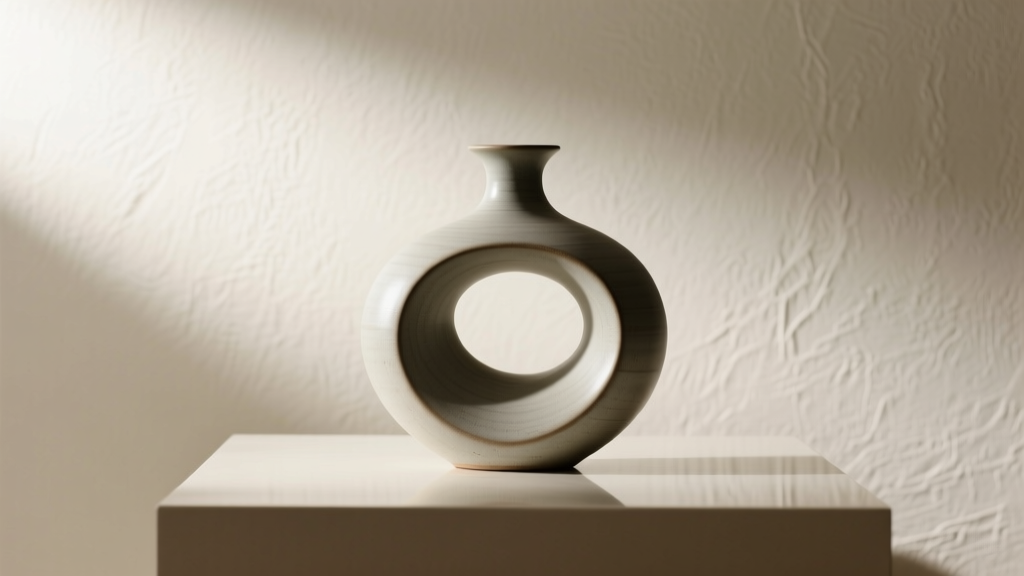
Types of 2020 Carving Wooden Frames
A 2020 carving wooden frame represents the fusion of traditional craftsmanship and modern design trends, offering a wide range of styles to suit various artistic expressions and interior aesthetics. These intricately carved frames are more than just functional borders—they serve as artistic extensions of the artwork they enclose. The choice of frame depends on the desired visual impact, the nature of the artwork, and the surrounding decor.
Whether you're framing a family photograph, a vintage painting, or a contemporary piece, understanding the different types of 2020 carving wooden frames can help you make a more informed and stylish decision.
Traditional Wooden Frames
Crafted from solid hardwoods like walnut, oak, or mahogany, these frames are prized for their timeless elegance and durability. Often hand-carved with intricate motifs such as scrolling vines, floral patterns, or classical geometric designs, they add a sense of sophistication and heritage to any space.
Advantages
- Premium durability and longevity
- Enhances classic and fine art pieces
- High resale and collectible value
- Rich, warm aesthetic complements traditional interiors
Limitations
- Higher cost due to craftsmanship
- Heavier, requiring secure wall mounting
- May clash with ultra-modern decor
Best for: Fine art galleries, heirloom photos, formal living spaces
Rectangular Wooden Frames
These are the most common and versatile style of 2020 carving wooden frames. Featuring clean rectangular profiles with subtle carved detailing along the edges—such as beveled corners or linear engravings—they provide a balanced blend of simplicity and elegance.
Advantages
- Universal compatibility with most artwork
- Easy to match with various decor styles
- Ideal for photo collages and multi-frame displays
- Available in a wide range of finishes and sizes
Limitations
- Less visually striking than ornate styles
- May appear generic if not well-chosen
- Limited customization in mass-produced versions
Best for: Family photos, office decor, modern and rustic interiors
Antique-Style Wooden Frames
Designed to evoke the charm of bygone eras, these frames replicate historical styles from Victorian, Baroque, or Renaissance periods. Features like gold leaf accents, distressed wood finishes, weathered patinas, and vintage-inspired carvings make them stand out in contemporary settings.
Advantages
- Adds character and historical depth to interiors
- Perfect for vintage-themed rooms or eclectic decor
- Gold or silver leafing enhances visual richness
- Highly collectible and decorative
Limitations
- Can overpower minimalist artwork
- Requires careful cleaning to preserve finish
- Premium pricing due to detailing and materials
Best for: Vintage art, retro interiors, statement wall displays
Sculptural Wooden Frames
These bold, three-dimensional frames go beyond traditional borders, featuring deep carvings, layered wood elements, and dynamic shapes. They are designed to be artworks in their own right, often used in contemporary or avant-garde settings.
Advantages
- Creates a dramatic focal point in any room
- Ideal for modern and abstract art
- Unique, handcrafted appeal with high artistic value
- Excellent for gallery walls and luxury spaces
Limitations
- Can distract from simpler artwork
- Bulkier and heavier, requiring professional installation
- Limited availability and higher customization costs
Best for: Contemporary art, luxury interiors, gallery exhibitions
Simple Wooden Frames
Embracing minimalism, these frames feature clean lines and subtle, understated carvings. They are designed to enhance the artwork without drawing attention to the frame itself. Often made from light-toned woods like birch or ash, they emphasize functionality and modern aesthetics.
Advantages
- Keeps focus on the artwork
- Perfect for modern, Scandinavian, or Japandi interiors
- Lightweight and easy to hang
- Affordable and widely available
Limitations
- Lacks visual impact in large spaces
- May appear too plain for ornate artwork
- Fewer decorative options compared to elaborate styles
Best for: Minimalist art, modern homes, digital prints, and neutral interiors
| Frame Type | Style Focus | Best For | Durability | Visual Impact |
|---|---|---|---|---|
| Traditional Wooden | Elegance & Craftsmanship | Classic art, formal spaces | High | Strong |
| Rectangular Wooden | Versatility & Simplicity | Photos, mixed decor | Medium-High | Moderate |
| Antique-Style | Retro Charm & Detailing | Vintage themes, statement walls | Medium | Very High |
| Sculptural Wooden | Artistic Boldness | Contemporary art, galleries | High | Exceptional |
| Simple Wooden | Minimalism & Functionality | Modern interiors, subtle displays | Medium | Low-Moderate |
Expert Tip: When selecting a 2020 carving wooden frame, consider the room's lighting and wall color. Dark, ornate frames pop in well-lit spaces, while simple or light-toned frames work best in neutral or softly lit environments to maintain balance.
Finishing and Colors of 2020 Carving Wooden Frames: A Complete Guide
Just like the variety in frame designs, the finishing and color options for 2020 carving wooden frames offer diverse aesthetic possibilities to suit any decor style and artwork type. The right finish not only enhances the visual appeal of the frame but also complements the artwork and interior space. Whether you're aiming for rustic charm, vintage elegance, or modern minimalism, understanding the unique characteristics of each finish helps you make an informed choice.
Popular Finishes and Their Design Applications
Natural Wood Finish
A natural finish preserves and highlights the inherent beauty of wood grain, offering a clean, organic, and timeless appearance. This finish is especially effective in rustic, farmhouse, or country-themed interiors where authenticity and warmth are key.
It’s an ideal choice for framing nature-inspired artwork such as landscapes, botanical prints, or wildlife photography. The subtle texture and warm undertones of natural wood bring a sense of calm and harmony to any room, making it a versatile and enduring favorite.
Antique Bronze Finish
The antique bronze finish delivers a time-worn, aged elegance that evokes a sense of history and sophistication. Often achieved through hand-antiquing techniques, this finish features subtle variations in tone and texture that mimic the patina of aged metal.
Perfect for vintage or classical interiors, it pairs beautifully with heirloom photographs, oil paintings, and traditional portraiture. The warm, earthy tones of bronze add depth and richness to the frame, drawing attention to the artwork while enhancing the overall ambiance of the space.
Matte Black Finish
A matte black finish offers a sleek, contemporary, and understated look that emphasizes the artwork rather than the frame. Its non-reflective surface minimizes glare, making it ideal for modern galleries, minimalist homes, and high-contrast photography.
This versatile finish works across a wide range of artistic styles—from abstract expressionism to black-and-white photography—providing a neutral yet bold backdrop that keeps the focus on the image. Its clean lines and sophisticated appearance make it a staple in modern interior design.
Silver Leaf Finish
Silver leaf finishes add a touch of refined luxury and subtle shimmer. Available in both glossy and distressed variations, this finish can adapt to both modern and vintage aesthetics.
Glossy silver leaf frames enhance contemporary art with a polished, reflective elegance, while distressed versions offer a vintage charm perfect for classical or romantic pieces. Compared to gold, silver is more neutral and versatile, adding luminosity without overwhelming the artwork—ideal for modern sculptures, metallic-themed art, or monochromatic compositions.
Painted Finishes
Painted finishes open up a world of color possibilities, allowing customization to match or contrast with home decor. From soft pastels to bold primaries, painted frames can be tailored to personal taste or interior design schemes.
Available in high-gloss, satin, or flat finishes, these frames add an extra layer of sophistication. High-gloss paints offer a vibrant, reflective surface that energizes a room, while satin finishes provide a smooth, elegant sheen without excessive shine. These are perfect for eclectic interiors, children's rooms, or themed spaces where color plays a central role in design.
Choosing the Right Finish: Key Considerations
When selecting a finish, consider the artwork’s subject, color palette, and style. A natural or antique finish enhances traditional and nature-based themes, while matte black and silver leaf suit modern and minimalist works.
Also, think about lighting and room decor—high-gloss or metallic finishes reflect ambient light and can brighten a space, whereas matte finishes absorb light for a more subdued effect. Ultimately, the best frame finish balances visual harmony with the artwork and complements the room’s overall atmosphere.
| Finish Type | Best For | Interior Style Match |
|---|---|---|
| Natural Wood | Landscape art, botanical prints, rustic photography | Rustic, farmhouse, cabin, nature-inspired interiors |
| Antique Bronze | Vintage photos, oil paintings, classical portraits | Traditional, vintage, Victorian, antique-themed spaces |
| Matte Black | Modern art, photography, abstract pieces | Contemporary, minimalist, urban lofts |
| Silver Leaf | Modern sculptures, metallic art, monochrome works | Luxury modern, Art Deco, eclectic interiors |
| Painted Finishes | Custom decor, themed rooms, colorful artwork | Eclectic, children’s rooms, designer spaces |
Finishing Tips for Long-Lasting Appeal
Important: Always consider the longevity and maintenance of the finish. Some painted or metallic finishes may require special care to prevent chipping or tarnishing. Choosing high-quality craftsmanship ensures the finish remains vibrant and durable for years, preserving both the frame and the artwork it showcases.
How To Choose a 2020 Carving Wooden Frame
Selecting the perfect carving wooden frame is more than just a matter of aesthetics—it's about enhancing artwork, reflecting personal style, and ensuring long-term durability. Whether you're sourcing for clients, galleries, or home decor enthusiasts, understanding the key selection criteria helps deliver exceptional value and visual harmony. Let’s explore the essential factors to consider when choosing a high-quality 2020 carving wooden frame.
Material of the Frame
The choice of material significantly impacts the frame’s durability, weight, and carving potential. In 2020, craftsmanship trends emphasize natural materials and sustainable sourcing, making this a top consideration.
- Solid Wood: Preferred for premium frames due to its strength, grain beauty, and superior ability to hold intricate carvings. Common types include walnut, oak, mahogany, and maple.
- Engineered Wood: Includes MDF (medium-density fiberboard) and plywood. More affordable and lightweight, ideal for mass-produced or budget-friendly options, but less suitable for deep relief carving.
- Sustainability: Look for FSC-certified wood or reclaimed timber, which appeal to eco-conscious buyers and reflect modern environmental values.
Expert Insight: Solid hardwood frames not only last longer but also age gracefully, developing a rich patina over time.
Size of the Frame
Proper sizing ensures the artwork is showcased effectively without overwhelming or underwhelming the space. The frame should act as a visual border that enhances, not distracts from, the piece.
- Ideal frames extend 1 to 2 inches beyond each edge of the artwork, creating a balanced mat-like effect.
- Large-scale artworks benefit from wider, more ornate frames that add grandeur and presence.
- Small pieces, such as miniatures or photographs, suit narrower or delicately carved frames to maintain proportion.
- Consider the aspect ratio—some frames are designed specifically for square, rectangular, or panoramic formats.
Pro Tip: Always measure the artwork precisely and confirm internal rabbet depth to ensure the piece fits securely.
Style and Design
Carved wooden frames come in a wide range of styles, each suited to different artistic genres and interior aesthetics. In 2020, there's a growing blend of traditional craftsmanship with contemporary minimalism.
- Classic/Traditional: Features floral motifs, acanthus leaves, or scrollwork—ideal for oil paintings, portraits, and vintage-style interiors.
- Ornamental/Baroque: Highly detailed with deep carvings and gilded finishes, perfect for statement pieces in luxury spaces.
- Contemporary: Clean lines with subtle carving accents; complements modern art and minimalist décor.
- Rustic/Farmhouse: Distressed textures and natural wood tones pair well with country-style or bohemian interiors.
Design Rule: Match the frame style to both the artwork and the room’s décor for cohesive visual storytelling.
Color and Finish
The finish plays a crucial role in defining the frame’s character and how it interacts with light and surrounding colors.
- Stained Finishes: Enhance natural wood grain and are available in warm (walnut, cherry) or cool (ash, gray wash) tones.
- Glossy Finishes: Reflect light, adding a modern, polished look—great for contemporary spaces.
- Matt or Satin Finishes: Reduce glare and offer a soft, elegant appearance, ideal for traditional or gallery settings.
- Distressed/Antiqued Finishes: Simulate age with chipped edges and worn textures, adding vintage charm.
- Gilded or Metallic Accents: Gold, silver, or copper leafing elevate ornate carvings, especially in formal or classical settings.
Trend Note: In 2020, muted earth tones and two-tone finishes (e.g., dark exterior with light interior lip) gained popularity for their versatility.
Quality of Craftsmanship
Premium carving frames distinguish themselves through meticulous handcrafting, structural integrity, and attention to detail. This is where true value lies.
- Examine joints: mitered corners should be tight and seamless, preferably reinforced with splines or dowels.
- Carving depth and precision: Hand-carved details show variation and depth, while machine-carved patterns may appear flat or repetitive.
- Surface smoothness: A well-sanded and finished surface feels refined and free of splinters or rough patches.
- Back panel quality: Should be sturdy (often wood or hardboard) and include proper hanging hardware.
Quality Check: Run your fingers along the carving—high-end frames have smooth transitions and consistent depth.
Functionality and Practicality
Beyond beauty, consider how the frame performs in real-world use—especially important for commercial or high-traffic environments.
- Weight: Heavy solid wood frames may require wall anchors or professional installation.
- Glazing Options: UV-protective glass or acrylic prevents fading, especially for valuable artwork.
- Mounting System: Look for secure backing, easy-open clips, or French cleat compatibility.
- Moisture Resistance: Avoid untreated wood in humid areas like bathrooms or kitchens.
- Customizability: Some suppliers offer made-to-order sizes, finishes, or carving patterns for unique projects.
Smart Feature: Frames with reversible liners or interchangeable mats offer greater styling flexibility.
Professional Recommendation: For most clients, recommend mid-range solid wood frames with hand-finished carvings and a versatile finish (like espresso or driftwood gray). These strike an ideal balance between elegance, durability, and affordability. For high-end art collectors, invest in museum-grade, hand-carved frames with archival materials and UV protection to preserve value.
| Customer Type | Recommended Frame Type | Material & Finish | Best For |
|---|---|---|---|
| Home Decor Enthusiast | Ornamental carved frame | Walnut with satin finish | Living room artwork, family portraits |
| Art Collector | Hand-carved museum frame | Hardwood with gilded accents | Oil paintings, limited editions |
| Budget-Conscious Buyer | Engineered wood with carved overlay | MDF with wood veneer and stain | Photos, prints, temporary displays |
| Modern Interior Designer | Contemporary carved frame | Maple with matte white wash | Abstract art, minimalist spaces |
Additional Considerations for 2020 Buyers
- Brand Reputation: Trusted brands often provide consistency in quality and better customer support.
- Warranty & Returns: Look for suppliers offering damage protection or satisfaction guarantees.
- Eco-Friendly Options: Recycled materials, non-toxic finishes, and low-VOC adhesives are increasingly valued.
- Cultural & Regional Styles: Consider frames inspired by Asian, European, or African carving traditions for unique character.
- Display Environment: Ensure the frame suits the lighting, humidity, and foot traffic of its intended location.
Benefits Of A 2020 Carving Wooden Frame
Carving wooden frames are more than just decorative accessories—they are functional works of art that enhance and preserve your most cherished photos, paintings, and prints. Crafted with precision and attention to detail, a 2020 carving wooden frame combines timeless craftsmanship with modern design sensibilities. These frames not only elevate the visual appeal of your artwork but also offer lasting protection and versatility across various interior styles. Whether you're framing a family portrait, a landscape photograph, or an original painting, a carved wooden frame adds depth, character, and authenticity to your display.
Did You Know? The year 2020 saw a resurgence in handcrafted wooden frames as people sought meaningful, nature-inspired home decor during periods of increased time spent indoors. Carved wooden frames became popular for their ability to blend warmth, artistry, and sustainability.
Top 5 Benefits of Carving Wooden Frames
- Superior Protection for Your Artwork
Carving wooden frames serve as a robust protective barrier for your artwork, shielding it from environmental hazards such as dust, moisture, and accidental impacts. Made from solid or engineered wood, these frames naturally regulate humidity due to wood’s hygroscopic properties, minimizing warping or deterioration of paper-based prints and canvases. Many 2020 models also feature sealed backing and UV-protective glass options, further enhancing preservation and preventing fading from sunlight exposure.
- Exceptional Aesthetic Enhancement
The intricate carvings along the edges of these frames add a layer of visual richness that elevates the entire presentation. Whether adorned with floral motifs, geometric patterns, or classic scrollwork, the craftsmanship turns the frame into a complementary piece of art. This artistic synergy draws attention to the central artwork, enhancing its colors, contrast, and emotional impact. In galleries or homes, a carved wooden frame instantly becomes a focal point, adding sophistication and elegance to any room.
- Versatility Across Interior Styles
One of the standout features of 2020 carving wooden frames is their adaptability. Available in a wide range of finishes—such as walnut, oak, cherry, whitewash, and ebony—they seamlessly integrate into diverse decor themes. From traditional and vintage to rustic farmhouse or minimalist contemporary spaces, these frames provide a unifying element that bridges art and environment. Their timeless appeal makes them ideal for homes, offices, boutiques, and exhibition spaces alike.
- Durability and Long-Term Value
Built to last, carving wooden frames are constructed from high-quality materials designed to withstand daily wear and environmental fluctuations. Unlike plastic or composite alternatives, solid wood frames resist cracking, chipping, and discoloration over time. With proper care, a well-maintained wooden frame can preserve artwork for decades, making it a sustainable and cost-effective choice. This durability also makes them suitable for high-traffic areas such as hallways, living rooms, and commercial lobbies.
- Personal Touch and Emotional Warmth
Wood brings a natural warmth and organic feel to any space, and carved wooden frames amplify this effect through their tactile textures and hand-finished details. They create a welcoming atmosphere, making rooms feel more intimate and lived-in. For photographers, artists, and gift-givers, these frames offer a personalization opportunity—transforming a simple print into a meaningful keepsake. Businesses that sell or display framed art often find that carved wooden frames increase perceived value and customer engagement due to their artisanal quality.
| Benefit | Key Features | Ideal For | Long-Term Advantages |
|---|---|---|---|
| Protection | Moisture resistance, dust sealing, UV glass compatibility | Framing heirlooms, photos, watercolors | Prolongs artwork lifespan, reduces restoration needs |
| Aesthetic Enhancement | Intricate carvings, premium finishes, dimensional depth | Gallery walls, focal point displays, gifts | Elevates perceived value, enhances visual storytelling |
| Versatility | Multiple wood tones, adaptable designs, size variety | Home, office, retail, or gallery use | Matches evolving decor trends, reusable for new art |
| Durability | Solid wood construction, reinforced corners, stable joints | High-traffic areas, family homes, commercial spaces | Resists wear, maintains structural integrity over time |
| Emotional Warmth | Natural grain, hand-carved details, tactile surface | Personal gifts, memory walls, hospitality interiors | Creates inviting ambiance, fosters emotional connection |
Pro Tip: When selecting a carving wooden frame, consider the color and style of your artwork as well as the room’s lighting. Darker wood tones like mahogany add drama and formality, while lighter finishes such as natural oak or whitewash create an airy, modern feel. Always measure your artwork accurately and allow for matting if desired to achieve a balanced, professional presentation.
Care and Maintenance Tips
- Dust frames regularly with a soft, dry microfiber cloth to maintain their luster
- Avoid placing carved wooden frames in direct sunlight or high-humidity areas to prevent warping or fading
- Use wood-safe cleaners sparingly—never apply liquid directly to the frame
- Inspect the hanging hardware periodically to ensure secure wall mounting
- Consider professional refinishing every 5–10 years to restore original beauty
In conclusion, a 2020 carving wooden frame is not just a border for your artwork—it's an investment in preservation, beauty, and emotional resonance. Whether used in a private home or a public space, these frames honor the art they surround while enriching the environment. By combining natural materials, skilled craftsmanship, and functional design, carved wooden frames continue to be a preferred choice for those who value quality, sustainability, and timeless elegance.
Frequently Asked Questions About Carving Wooden Frames
Q. What is the ideal width for a carving wooden frame?The ideal width of a carving wooden frame is not one-size-fits-all—it depends on the dimensions of the artwork or photograph being framed, the style of the room, and personal aesthetic preferences. However, there are several guiding principles to help achieve visual harmony:
- Proportionality: For larger artworks (e.g., over 24x36 inches), a wider frame (2–4 inches or more) adds presence and balances the visual weight of the piece.
- Smaller Artwork: Delicate or compact pieces (under 16x20 inches) are often best complemented by narrower frames (0.5–1.5 inches) to avoid overwhelming the image.
- Gallery Walls: When multiple pieces are displayed together, consistent frame widths create cohesion, while varied widths can add dynamic interest if intentionally styled.
- Room Scale: In spacious rooms with high ceilings, bolder frames can anchor the artwork and integrate better with the architecture.
Ultimately, the right frame enhances the artwork without drawing attention away from it. Mocking up the frame size digitally or using painter’s tape on the wall can help visualize the final look before committing.
Q. Can carving wooden frames be used in modern interiors?Absolutely—carving wooden frames can be a striking and sophisticated addition to modern interiors when selected with intention. While traditional ornate carvings may feel out of place in minimalist spaces, thoughtfully chosen designs can bridge classic craftsmanship with contemporary aesthetics:
- Minimalist Carvings: Look for frames with subtle geometric patterns, clean lines, or understated textures that echo modern design language.
- Monochromatic Finishes: Black, white, or natural wood tones in matte or satin finishes blend seamlessly into modern color palettes.
- Sculptural Appeal: A frame with gentle curves or three-dimensional carving can act as a standalone art piece, adding warmth and organic contrast to sleek furniture and metallic accents.
- Pairing with Art: Contemporary abstract paintings, black-and-white photography, or mixed media works often gain depth and character when framed in hand-carved wood.
By focusing on balance and cohesion, carving wooden frames can elevate modern decor with a touch of timeless elegance and artisanal charm.
Q. What kind of maintenance do carving wooden frames require?Carving wooden frames are durable and long-lasting when properly cared for. Their intricate details can collect dust, but maintenance is straightforward and helps preserve both appearance and structural integrity:
- Dusting: Use a soft, dry microfiber cloth or a feather duster weekly to remove surface dust. For detailed carvings, a soft-bristled brush (like a clean makeup or artist’s brush) can reach into crevices without scratching.
- Cleaning: Avoid water or harsh cleaners. If needed, lightly dampen a cloth with distilled water, wring thoroughly, and gently wipe the surface—immediately dry with a second cloth.
- Wood Conditioning: Every 6–12 months, apply a small amount of furniture wax or a wood-specific polish to nourish the wood and maintain its luster. Test on a small area first, especially on finished or painted frames.
- Environmental Care: Keep frames away from direct sunlight, radiators, or HVAC vents to prevent drying, fading, or warping.
Regular maintenance not only keeps the frame looking beautiful but also extends its lifespan, ensuring it remains a cherished part of your decor for years to come.
Q. Can carving wooden frames be used in humid areas?Yes, carving wooden frames can be used in humid environments such as bathrooms, kitchens, or coastal homes—but with important considerations to prevent damage:
| Factor | Risks in Humid Areas | Preventive Solutions |
|---|---|---|
| Wood Type | Untreated solid wood may swell, warp, or crack. | Choose frames made from engineered wood, sealed hardwoods (e.g., teak, mahogany), or moisture-resistant composites. |
| Finish Quality | Poor finishes allow moisture penetration. | Opt for frames with multiple layers of sealant, lacquer, or polyurethane coating. |
| Ventilation | Stagnant air promotes mold and mildew. | Ensure the room has adequate airflow or use a dehumidifier. |
| Placement | Proximity to showers or sinks increases exposure. | Hang frames away from direct moisture sources and avoid placing above appliances like dishwashers. |
With proper material selection and placement, carving wooden frames can add warmth and character to humid spaces without sacrificing longevity. Periodic inspection for signs of warping or mold is recommended for early intervention.