It starts with a fresh, clean face in the morning—smooth, balanced, and shine-free. By noon, perhaps after a light lunch or a commute through warm weather, you glance in the mirror and notice it: a growing sheen across your forehead, nose, and chin. Your face isn’t oily all day, just noticeably shiny by the afternoon. This pattern frustrates many people who don’t consider themselves particularly oily-skinned yet still battle unwanted shine when they least expect it.
The truth is, afternoon facial shine isn't random—it's the result of biological rhythms, environmental exposure, and daily habits that collectively ramp up sebum production over time. Understanding the underlying causes allows for targeted solutions. More than just blotting papers or mattifying primers, long-term control requires a holistic approach to skincare, lifestyle, and product selection.
The Science Behind Afternoon Shine
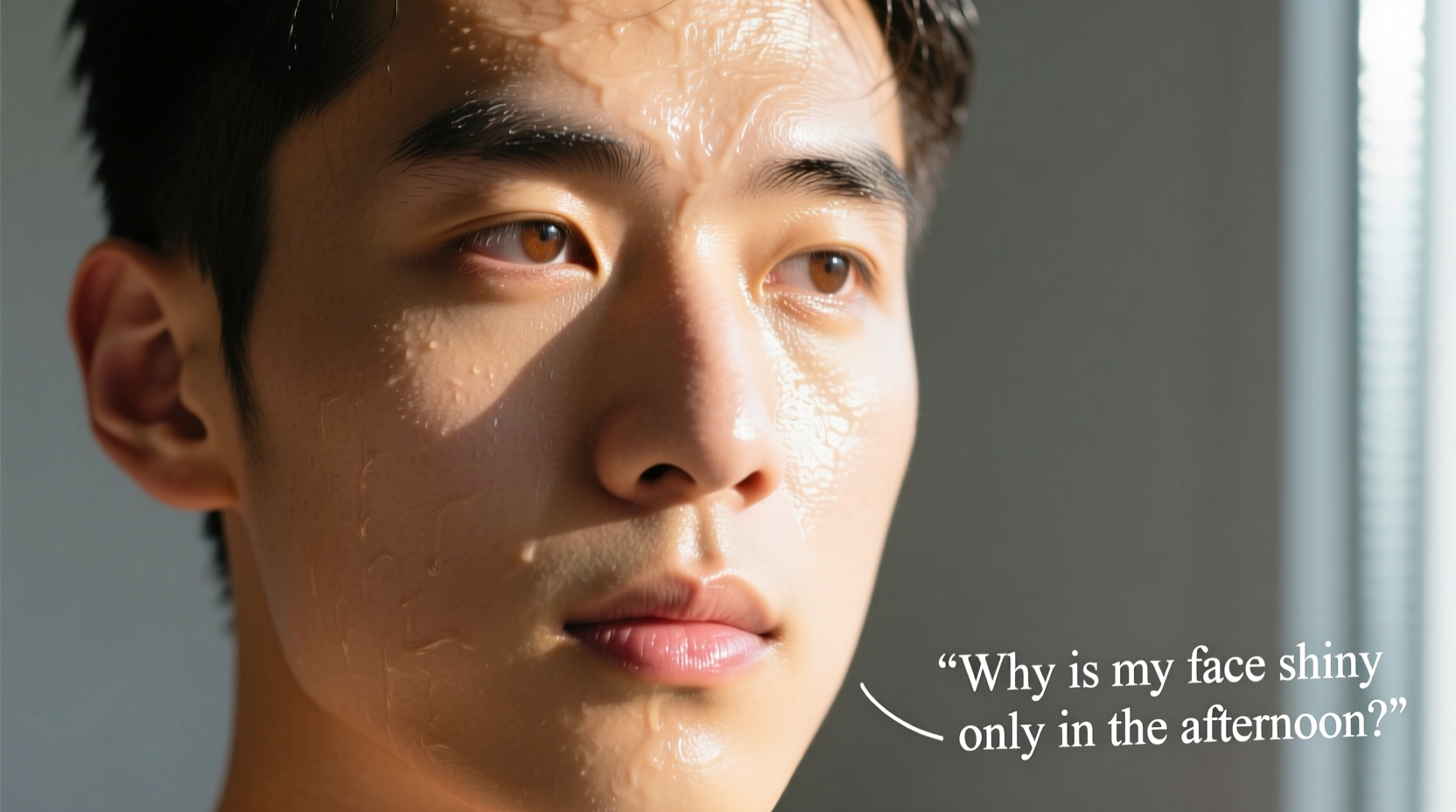
Sebum, the skin’s natural oil, plays a crucial role in maintaining hydration and protecting the skin barrier. Produced by sebaceous glands primarily located in the T-zone (forehead, nose, and chin), sebum output fluctuates throughout the day due to hormonal cycles, temperature changes, and external stimuli.
In the morning, sebum levels are typically at their lowest after hours of sleep and minimal activity. As the day progresses, several factors contribute to increased oil production:
- Circadian rhythm: Androgen hormones, which stimulate sebum production, peak in the late morning to early afternoon.
- Body temperature rise: Physical activity, caffeine, and even digestion increase blood flow and skin temperature, prompting glands to release more oil.
- Environmental triggers: Heat, humidity, and UV exposure accelerate sebum secretion.
- Touching the face: Frequent contact transfers bacteria and warmth, further stimulating oil glands.
This delayed onset explains why shine often doesn’t appear immediately after cleansing but builds gradually, becoming most visible between 1 p.m. and 4 p.m.—the classic “afternoon glow” that most would prefer to avoid.
Tip: Avoid touching your face during work hours—this simple habit reduces oil transfer and bacterial buildup.Common Mistakes That Worsen Midday Shine
Many people unknowingly exacerbate their shine problem by using products or routines that disrupt the skin’s natural balance. Here are some frequent missteps:
- Over-cleansing with harsh products: Stripping the skin of oil signals the sebaceous glands to produce even more sebum—a rebound effect known as reactive seborrhea.
- Skipping moisturizer: Believing that dry = matte, some skip hydration, causing the skin to compensate with excess oil.
- Using heavy or occlusive makeup: Foundations and primers that clog pores can trap sweat and oil, leading to midday greasiness.
- Improper blotting technique: Pressing blotting papers too hard can spread oil rather than absorb it evenly.
Correcting these habits is often the first step toward lasting control of afternoon shine.
Effective Strategies to Prevent and Control Afternoon Shine
Managing shine isn’t about eliminating oil entirely—it’s about regulating it. A well-balanced routine supports healthy sebum production while minimizing visible gloss. Below are proven methods to keep your complexion matte and fresh from morning to evening.
1. Optimize Your Morning Skincare Routine
Your AM regimen sets the tone for the day. Focus on lightweight, pH-balanced products that prep without over-drying.
- Cleanse gently: Use a foaming or gel cleanser with salicylic acid or niacinamide to remove overnight residue without stripping moisture.
- Tone wisely: Apply an alcohol-free toner with witch hazel or tea tree extract to refine pores and reduce surface oil.
- Hydrate with a matte finish moisturizer: Choose an oil-free, non-comedogenic formula containing hyaluronic acid or glycerin for hydration without heaviness.
- Apply sunscreen daily: Opt for a mattifying SPF 30+ with silica or zinc oxide, which help absorb excess oil throughout the day.
2. Choose Makeup That Works With Your Skin
Makeup should enhance, not hinder, oil control. Look for keywords like “matte,” “long-wear,” and “oil-free” when selecting foundation, concealer, and setting products.
| Product Type | Recommended Features | Avoid |
|---|---|---|
| Foundation | Matte finish, silicone-based, buildable coverage | Sheer, dewy, or cream-heavy formulas |
| Primer | Pore-blurring, silica-infused, mattifying | Silicone-heavy or hydrating-only types |
| Setting Powder | Translucent, oil-absorbing (e.g., clay, rice powder) | Shimmer or overly dense powders |
| Setting Spray | Mattifying, long-hold, alcohol-based (in moderation) | Dew-enhancing or fragrance-heavy sprays |
3. Midday Touch-Up Protocol
Rather than reapplying layers of product, follow a streamlined touch-up process:
- Blot excess oil gently with folded blotting paper, pressing—not rubbing—across the T-zone.
- Lightly dust translucent setting powder using a small puff or brush.
- Refresh with a mattifying setting spray held 8–10 inches from the face.
- If needed, apply a spot of oil-absorbing serum (containing kaolin or lycopodium powder).
Expert Insight: What Dermatologists Say About Oil Regulation
Dr. Lena Park, board-certified dermatologist and clinical instructor at Mount Sinai Hospital, emphasizes that timing and consistency matter more than aggressive treatment.
“Many patients come in wanting strong retinoids or acids because they see shine in the afternoon. But over-treatment damages the barrier and worsens oiliness. Instead, I recommend gentle regulation—consistent use of niacinamide, proper sun protection, and understanding your personal oil cycle.” — Dr. Lena Park, MD, FAAD
She notes that sebum production naturally increases post-lunch due to metabolic and hormonal shifts, making prevention—not eradication—the goal.
Real-Life Example: Sarah’s Afternoon Shine Fix
Sarah, a 32-year-old project manager, noticed her makeup breaking down daily by 2:30 p.m., despite using a “long-wear” foundation. She wasn’t acne-prone and had normal-to-combination skin, so the sudden shine puzzled her.
After tracking her routine, she identified key issues: she used a creamy moisturizer in the AM, skipped sunscreen on cloudy days, and frequently touched her face while reviewing documents. She also consumed two cups of coffee and a carb-heavy lunch daily—both linked to insulin spikes that can indirectly boost sebum.
With guidance from a skincare consultant, she made these adjustments:
- Switched to a water-based moisturizer with 5% niacinamide
- Applied mattifying sunscreen every morning
- Replaced her foundation with a matte, silicone-based alternative
- Reduced coffee intake and added protein to her lunch
- Began carrying blotting papers and a compact powder
Within two weeks, her afternoon shine decreased significantly. Her makeup stayed intact until evening, and her skin felt less congested. The change wasn’t drastic—it was strategic.
Comprehensive Checklist: How to Control Afternoon Facial Shine
Use this checklist daily to stay ahead of shine:
- ✅ Wash face with a gentle, low-pH cleanser each morning
- ✅ Apply an alcohol-free toner with pore-refining ingredients
- ✅ Moisturize with an oil-free, non-comedogenic formula
- ✅ Apply mattifying sunscreen (SPF 30 or higher)
- ✅ Use a silicone-based primer if wearing makeup
- ✅ Choose long-wear, matte-finish foundation
- ✅ Set makeup with translucent powder
- ✅ Carry blotting papers and a compact powder for touch-ups
- ✅ Avoid touching your face during the day
- ✅ Stay hydrated and limit high-glycemic foods at lunch
- ✅ Reapply sunscreen if outdoors, using a mattifying version
- ✅ End the day with a double cleanse to prevent clogged pores
Frequently Asked Questions
Why does my face get oily only in the afternoon if I’m not oily in the morning?
Sebum production increases throughout the day due to rising body temperature, hormonal fluctuations (especially androgens), and environmental exposure like heat and UV light. Even those with normal skin can experience this cumulative effect, especially after eating, drinking caffeine, or being in warm environments.
Can diet really affect facial oiliness?
Yes. High-glycemic foods (like white bread, sugary snacks, and soda) cause insulin spikes, which may stimulate androgen activity and sebum production. Dairy, particularly skim milk, has also been linked to increased oil and breakouts in some individuals. A balanced diet rich in whole grains, lean proteins, and antioxidants supports clearer, less shiny skin.
Are blotting papers bad for your skin?
No, when used correctly. Blotting papers are designed to absorb surface oil without disturbing makeup or irritating the skin. However, excessive use or aggressive rubbing can spread oil or introduce friction. Press gently and follow with a light dusting of powder if needed.
Conclusion: Take Control of Your Skin’s Rhythm
Afternoon facial shine isn’t a flaw—it’s a predictable response to your body’s internal clock and daily environment. By aligning your skincare with your skin’s natural behavior, you can reduce shine without over-drying or compromising your barrier. The solution lies not in fighting oil, but in managing it intelligently through balanced cleansing, smart product choices, and mindful habits.
You don’t need a complete overhaul. Small, consistent changes—like switching your moisturizer, applying sunscreen daily, or keeping blotting papers on hand—can make a dramatic difference. Start today, track your progress, and adjust based on what works for your unique skin.
🚀 Ready to conquer midday shine? Pick one tip from this article—maybe swapping your moisturizer or adding a mattifying primer—and commit to it for seven days. Share your results in the comments and inspire others to take control of their skin confidence.








