
Abby Lee Miller, best known as the fiery dance instructor from Lifetime’s reality series *Dance Moms*, has undergone a dramatic physical transformation in recent years. Once seen commanding the studio floor with relentless energy, she now relies on a wheelchair for mobility. Her shift from high-intensity choreography to limited movement has raised questions among fans: Why is Abby Lee Miller in a wheelchair? The answer lies not in a single incident, but in a cascade of serious health challenges that have shaped her life over the past decade.
Miller’s journey reflects the hidden toll of chronic illness—conditions that are often invisible until they become debilitating. Understanding her situation requires examining a complex mix of diagnoses, lifestyle factors, and medical complications that culminated in her current state.
The Onset of Health Decline
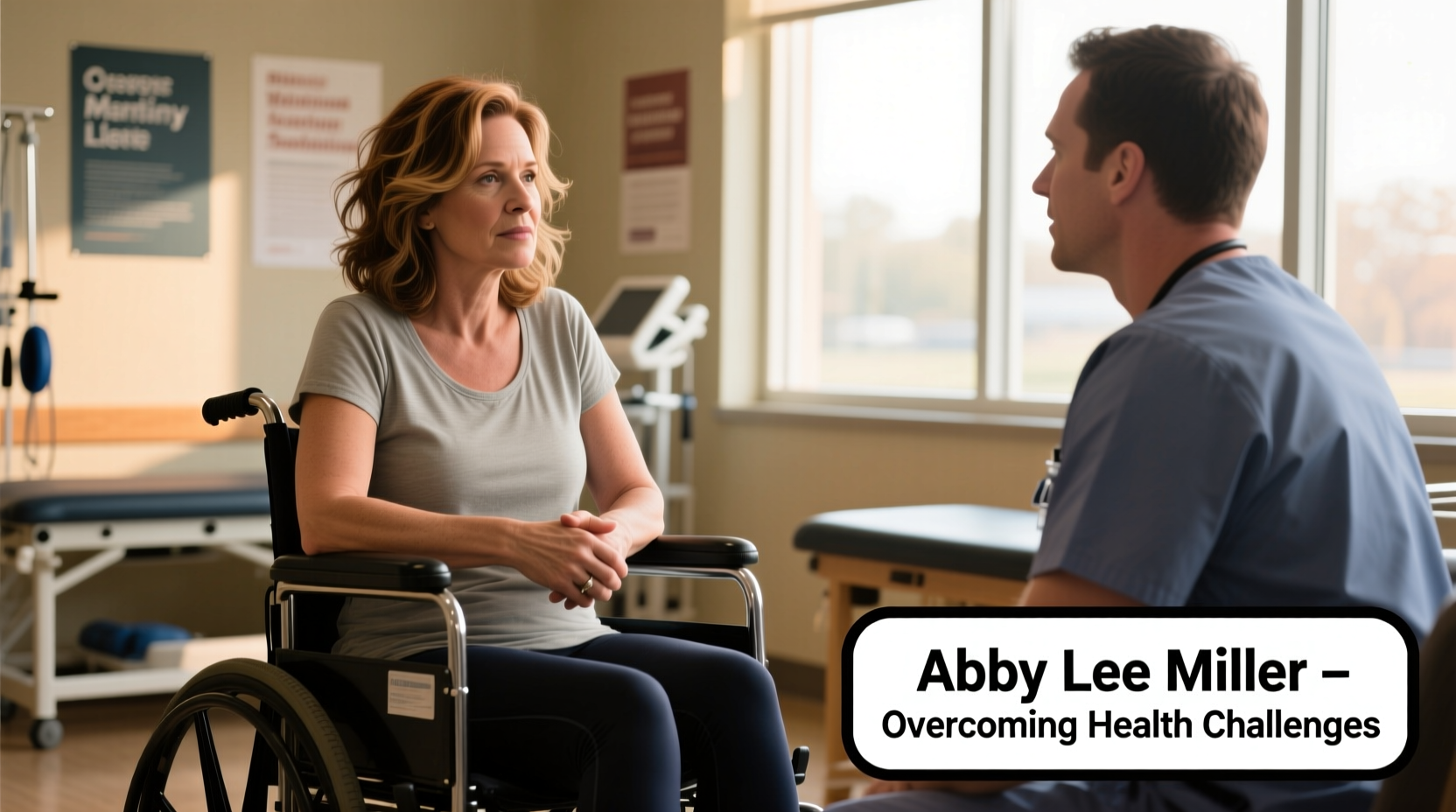
Abby Lee Miller’s health issues began surfacing prominently around 2015, during her legal troubles related to bankruptcy fraud. While incarcerated, reports emerged about her rapidly declining physical condition. At over 300 pounds at the time, Miller already faced significant obesity-related risks. However, it was during her prison stay that a rare bacterial infection called necrotizing fasciitis—often referred to as “flesh-eating disease”—was diagnosed.
This aggressive infection attacked the soft tissue surrounding her spine, leading to severe nerve damage. Though treated with antibiotics and surgery, the damage had lasting consequences. According to medical experts, necrotizing fasciitis can result in permanent motor impairment when it affects spinal regions, especially if treatment is delayed.
“Nerve damage from infections like necrotizing fasciitis can be irreversible. Even after the infection clears, patients may face lifelong mobility challenges.” — Dr. Lena Patel, Infectious Disease Specialist
Diagnosis of Charcot-Marie-Tooth Disease
In addition to the aftermath of infection, Miller revealed in interviews that she suffers from Charcot-Marie-Tooth disease (CMT), a hereditary neurological disorder that affects the peripheral nerves. CMT leads to muscle weakness, loss of sensation, and reduced coordination, primarily in the limbs. Symptoms typically worsen over time.
For Miller, this diagnosis explained long-standing difficulties with balance and foot drop—a condition where lifting the front part of the foot becomes difficult. Prior to using a wheelchair, she frequently used leg braces and orthotics. As the disease progressed, combined with prior nerve damage, walking became increasingly painful and unsafe.
Tip: Early diagnosis of neuromuscular disorders like CMT can help manage symptoms through physical therapy and assistive devices before severe disability occurs.Weight and Mobility: A Compounding Factor
While CMT and infection were central to her decline, Miller’s weight played a critical role in accelerating joint stress and reducing mobility. Excess body weight places additional strain on weakened muscles and compromised nerves, making movement harder and increasing fatigue.
After her release from prison, Miller underwent bariatric surgery and lost over 100 pounds. This weight loss significantly improved her overall health and comfort, though it did not reverse nerve damage. Still, it highlights how managing one aspect of health—such as weight—can positively influence quality of life even in the presence of irreversible conditions.
Key Health Challenges Faced by Abby Lee Miller
| Condition | Description | Impact on Mobility |
|---|---|---|
| Necrotizing Fasciitis | Rare bacterial infection destroying soft tissue near the spine | Caused permanent nerve damage affecting leg function |
| Charcot-Marie-Tooth Disease | Genetic disorder damaging peripheral nerves | Progressive muscle weakness, foot deformities, balance issues |
| Obesity (past) | Weight exceeding 300 lbs prior to surgery | Increased pressure on joints and weakened musculature |
| Spinal Surgery | Required due to infection and structural instability | Limited flexibility and core strength post-recovery |
A Real-Life Turning Point: Life After Diagnosis
In 2020, Miller made headlines again—not for drama, but for courage. She appeared on *Abby’s Virtual Dance Experience*, conducting classes from her wheelchair. What stood out wasn’t her absence from the floor, but her unwavering commitment to teaching. One student recalled: “She couldn’t demonstrate physically, but her corrections were sharper than ever. She taught us to feel the technique, not just copy the moves.”
This moment marked a pivotal shift—from performer to mentor. Her ability to adapt and continue influencing young dancers despite her limitations serves as a powerful example of resilience. It also underscores an important truth: disability does not equate to inability.
Managing Chronic Neurological Conditions: A Step-by-Step Approach
While Miller’s case is unique, her experience offers valuable insights for those managing similar conditions. Here’s a practical roadmap based on her journey and expert recommendations:
- Seek Early Diagnosis: If you experience unexplained numbness, weakness, or balance problems, consult a neurologist. Genetic testing can confirm conditions like CMT.
- Work with Specialists: Physical therapists, orthotists, and pain management doctors can create personalized plans to maintain function.
- Adopt Assistive Devices Early: Braces, walkers, or wheelchairs aren’t admissions of defeat—they’re tools for independence.
- Address Weight and Nutrition: Maintaining a healthy weight reduces strain on compromised muscles and joints.
- Stay Mentally Engaged: Pursue passions and hobbies. Cognitive engagement supports emotional well-being and motivation.
Common Misconceptions About Wheelchair Use
Many assume that someone in a wheelchair cannot walk at all. In reality, wheelchair use is often situational. Some individuals use wheelchairs for long distances or when fatigued, while walking short distances at home. Miller herself has been seen standing with support during public appearances.
The decision to use a wheelchair isn’t always binary—it’s about optimizing energy, safety, and independence. For people with progressive conditions, mobility aids are not signs of surrender, but strategies for sustainable living.
Do’s and Don’ts When Supporting Someone with Progressive Mobility Issues
| Do | Don’t |
|---|---|
| Ask how you can help without assuming limitations | Say things like “You don’t look sick” or “But you walked last week!” |
| Respect the use of mobility aids as necessary tools | Move or lean on someone’s wheelchair without permission |
| Focus on abilities, not disabilities | Speak to a companion instead of directly to the person |
| Encourage participation in activities with accommodations | Assume reduced cognitive ability due to physical limitation |
Frequently Asked Questions
Can Abby Lee Miller still walk?
Yes, under certain conditions and with assistance. She has been photographed standing and taking steps with support, but prolonged walking is no longer feasible due to nerve damage and muscle weakness. Her wheelchair allows her to remain active without risking falls or exhaustion.
Is Charcot-Marie-Tooth disease fatal?
No, CMT is not typically life-threatening. However, it is progressive and can lead to significant disability over time. Most people with CMT live full lifespans, though quality of life depends on symptom management and access to care.
Did prison worsen Abby Lee Miller’s health?
Evidence suggests it did. The onset of necrotizing fasciitis occurred during incarceration, and delays in diagnosis and treatment likely exacerbated the outcome. Limited access to specialized medical care in federal prison settings remains a documented concern for chronic illness management.
Conclusion: Redefining Strength Beyond Physicality
Abby Lee Miller’s story is not just about illness or disability—it’s about adaptation. From battling a life-threatening infection to confronting a genetic disorder, she has navigated layers of adversity with visibility and candor. Her use of a wheelchair is not a symbol of defeat, but of strategic resilience.
Her journey reminds us that health is multidimensional. It’s not merely the absence of disease, but the ability to function, contribute, and thrive within one’s limits. Whether you're managing a chronic condition or supporting someone who is, the lesson is clear: dignity, purpose, and strength persist far beyond physical form.
💬 Have thoughts on living with chronic conditions or adapting to new mobility needs? Share your experiences below—your story could inspire someone facing similar challenges.








