
A urinary catheter is a thin, flexible tube inserted into the bladder to drain urine. While the idea may seem invasive or uncomfortable, catheters play a vital role in both short-term and long-term medical care. They are used across hospitals, rehabilitation centers, and home care settings to manage urinary retention, monitor output, and support recovery after surgery. Understanding why a catheter is used, the different types available, and when it's truly necessary can help patients and caregivers make informed decisions and reduce anxiety around this common medical procedure.
Medical Purposes of Catheterization
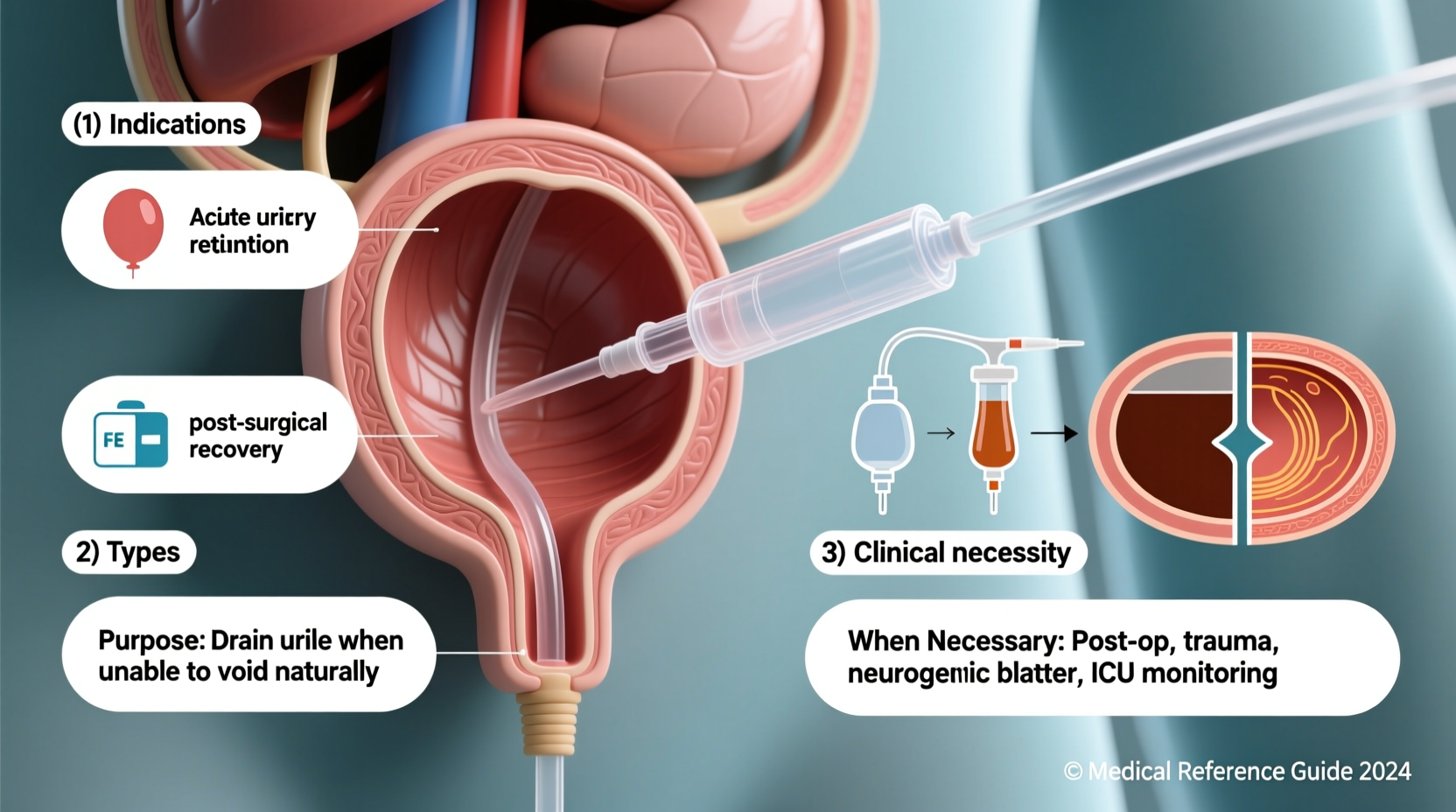
Catheters serve several essential functions in clinical practice. The primary goal is to ensure the safe and effective removal of urine from the bladder when natural voiding is impaired or needs monitoring. Key medical purposes include:
- Relieving urinary retention: When a person cannot empty their bladder due to obstruction, nerve damage, or post-surgical swelling, a catheter provides immediate relief.
- Monitoring urine output: In critical care settings, accurate measurement of urine volume is crucial for assessing kidney function and fluid balance, especially in patients with heart failure, sepsis, or trauma.
- Assisting during surgery: Many surgical procedures require a catheter to keep the bladder empty, reducing the risk of accidental injury and improving surgical access.
- Managing incontinence or immobility: For patients who are bedridden or have severe mobility issues, indwelling catheters can prevent skin breakdown from prolonged exposure to urine.
- Obtaining sterile urine samples: In cases where clean-catch samples are not feasible, a catheter ensures contamination-free collection for accurate diagnosis.
Types of Urinary Catheters
Not all catheters are the same. The type used depends on the patient’s condition, duration of need, and clinical setting. The three main types are:
| Type | Description | Duration of Use | Common Use Cases |
|---|---|---|---|
| Foley (Indwelling) Catheter | Inserted through the urethra and held in the bladder by a water-filled balloon; drains into a collection bag. | Days to months | Post-surgery, ICU monitoring, chronic urinary retention |
| Intermittent Catheter | Inserted temporarily to empty the bladder, then removed; used multiple times per day. | Minutes per use | Spinal cord injuries, neurogenic bladder, self-catheterization at home |
| Suprapubic Catheter | Inserted surgically through the abdomen directly into the bladder, bypassing the urethra. | Weeks to years | Long-term management, urethral injury, recurrent infections |
Each type has distinct advantages. Intermittent catheters reduce the risk of infection compared to long-term indwelling options, while suprapubic catheters are beneficial when urethral access is compromised.
When Is a Catheter Necessary?
The decision to use a catheter is never taken lightly. Healthcare providers weigh the benefits against potential complications such as infection, urethral trauma, or bladder spasms. A catheter becomes necessary under specific clinical circumstances:
- Postoperative Care: Major abdominal, pelvic, or urological surgeries often require catheterization to protect the bladder and maintain sterility during recovery.
- Acute Urinary Retention: Sudden inability to urinate—often due to an enlarged prostate, constipation, or medication side effects—requires immediate drainage.
- Neurological Conditions: Diseases like multiple sclerosis, spinal cord injury, or stroke can disrupt nerve signals between the brain and bladder, necessitating regular catheter use.
- Critical Illness: Patients in intensive care units are frequently catheterized to closely monitor renal function and fluid status.
- Palliative Care: In end-of-life care, catheters may be used to enhance comfort by preventing painful bladder distension.
“Catheters are a tool—not a default solution. Their use should be clinically justified, regularly reassessed, and discontinued as soon as safely possible.” — Dr. Lena Patel, Urology Consultant, Royal London Hospital
Mini Case Study: Managing Post-Surgical Recovery
John, a 68-year-old man, underwent a prostatectomy for early-stage cancer. During the operation, a Foley catheter was placed to allow the surgical site to heal without pressure from a full bladder. Over the next seven days, his urine output was monitored hourly, revealing stable kidney function. After discharge, he transitioned to intermittent self-catheterization for two weeks until normal voiding resumed. This phased approach minimized infection risk while ensuring complete bladder emptying during recovery.
This case illustrates how catheters support healing when used appropriately and withdrawn promptly once no longer needed.
Infection Prevention and Care Best Practices
Urinary tract infections (UTIs) are the most common complication of catheter use, particularly with long-term indwelling devices. Up to 25% of hospitalized patients receive a catheter, and nearly 75% of hospital-acquired UTIs are linked to their use. Preventive strategies are essential.
Tip: Keep the catheter bag below the level of the bladder at all times to prevent backflow and bacterial ascent.Daily Care Checklist for Catheter Users
- Wash hands before and after touching the catheter or drainage bag.
- Keep the insertion site clean and dry; clean with mild soap and water daily.
- Empty the drainage bag regularly—do not let it exceed two-thirds full.
- Ensure tubing is free of kinks or loops that could block urine flow.
- Drink adequate fluids (unless restricted) to maintain urine dilution and flush bacteria.
- Inspect urine for cloudiness, odor, or blood, which may indicate infection.
- Follow healthcare provider instructions for changing bags or catheters.
Frequently Asked Questions
Can you walk or travel with a catheter?
Yes, most patients can remain mobile with a catheter. Leg bags allow discreet drainage during the day, and larger night bags can be attached to beds. Secure the catheter properly to avoid tugging, and keep the bag below bladder level.
How long can a Foley catheter stay in place?
Typically, a Foley catheter can remain in place for up to 12 weeks, depending on the material and patient condition. However, it should be reviewed weekly, and removal should occur as soon as medically appropriate to reduce infection risk.
Is self-catheterization difficult to learn?
Most patients adapt quickly with proper training. Nurses often provide step-by-step instruction, and many find intermittent self-catheterization manageable within a few attempts. Pre-lubricated single-use catheters simplify the process.
Conclusion
Understanding why a catheter is used, the differences between types, and when it's truly necessary empowers patients and caregivers to engage in safer, more informed healthcare decisions. While catheters are invaluable in managing urinary dysfunction, their use must be intentional, time-limited, and accompanied by strict hygiene practices. Whether temporary after surgery or part of long-term care, proper management minimizes complications and supports better outcomes.
💬 Have questions about catheter care or personal experience to share? Join the conversation below and help others navigate this important aspect of medical treatment.








