
Every two seconds, someone in the United States needs blood. Whether due to a traumatic injury, surgery, cancer treatment, or chronic illness, donated blood plays a critical role in modern healthcare. Yet only about 3% of eligible Americans donate each year. Blood cannot be manufactured — it must come from generous donors. Understanding the importance of blood donation, its personal and societal benefits, and the practical steps involved empowers individuals to take life-saving action.
The Lifesaving Impact of Blood Donation
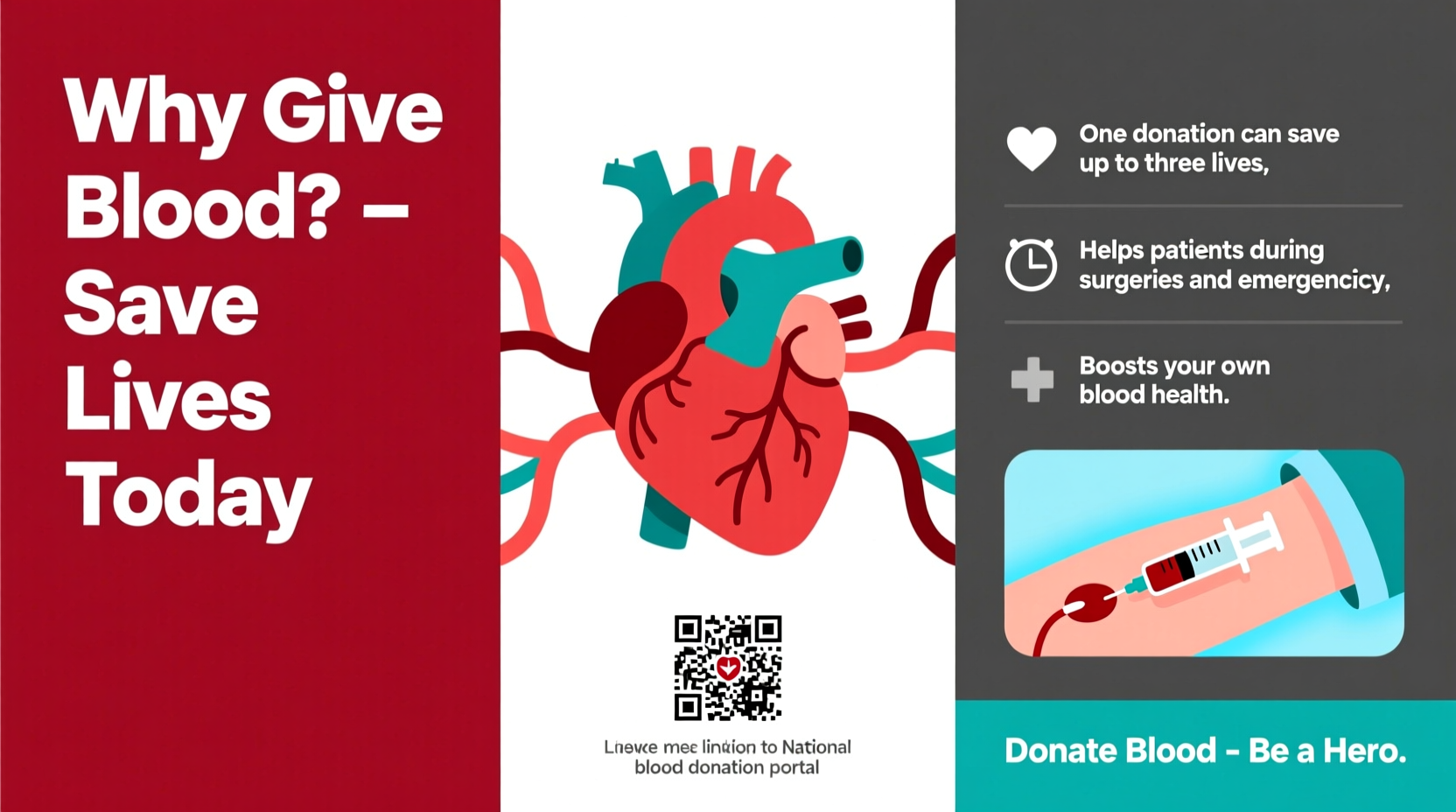
Blood donation is one of the most direct ways to help others. A single donation can save up to three lives, as whole blood is typically separated into red cells, plasma, and platelets — each used for different medical needs. Trauma patients often require red blood cells, cancer patients may need platelets during chemotherapy, and burn victims frequently rely on plasma.
Hospitals maintain constant demand for blood, but supply fluctuates. Seasonal shortages occur during holidays and summer months when regular donors travel or become ill. Natural disasters or mass casualty events can rapidly deplete local reserves. Maintaining a stable blood supply ensures that emergency rooms, operating theaters, and neonatal units are never without this essential resource.
“Volunteer blood donors are the backbone of our healthcare system. Without them, many routine and emergency procedures would simply not be possible.” — Dr. Linda Chen, Transfusion Medicine Specialist, American Red Cross
Personal Health Benefits of Donating Blood
While the primary motivation for donating should be altruism, donors also experience tangible health benefits. The screening process alone provides a mini-health check: your pulse, blood pressure, hemoglobin levels, and temperature are measured before every donation. Additionally, blood is tested for several infectious diseases, including HIV, hepatitis B and C, and syphilis. While these tests do not replace clinical diagnostics, they offer early warnings in rare cases of undiagnosed conditions.
Regular donation may also support cardiovascular health. Some studies suggest that frequent blood donation reduces iron stores, which in turn may lower oxidative stress and improve blood flow. Though more research is needed, populations with higher donation rates have shown slightly reduced risks of heart disease.
Tip: Schedule your donation during off-peak hours (weekday mornings) to reduce wait times and improve the experience.Who Can Donate? Eligibility Guidelines
Eligibility for blood donation depends on age, weight, health, and travel history. Most organizations follow similar standards, though specific rules may vary slightly by country or region. In the U.S., general guidelines include:
| Criteria | Eligibility Requirement |
|---|---|
| Age | 16–75+ (varies by state; 16-year-olds may need parental consent) |
| Weight | At least 110 lbs (50 kg) |
| Health Status | Feeling well, no fever or active infection |
| Medications | Most medications are acceptable; consult donor center if on anticoagulants |
| Travel | Deferral may apply for travel to regions with malaria or Zika virus |
| Tattoos/Piercings | Generally acceptable if done in licensed facility with sterile equipment |
Certain conditions may result in temporary or permanent deferral. For example, individuals with HIV, actively treated tuberculosis, or certain blood cancers are permanently ineligible. Those recovering from surgery or infection may donate after a waiting period. Honesty during the screening process is crucial to ensure recipient safety.
Step-by-Step Guide to Donating Blood
Donating blood is a straightforward process that takes about an hour from registration to post-donation refreshments. Here’s what to expect:
- Registration: Present ID and confirm your details at the donor center.
- Health Screening: Answer questions about medical history and travel, then have vital signs checked.
- Donation: A sterile needle is inserted into your arm. Whole blood donation takes 8–10 minutes.
- Rest & Refresh: Sit for 10–15 minutes and enjoy water, juice, and snacks.
- Recovery: Avoid heavy lifting for 24 hours and stay hydrated.
After donation, your body replaces plasma within 24–48 hours and red cells within four to six weeks. You can donate whole blood every 56 days, up to six times per year.
Mini Case Study: How One Donation Made a Difference
In 2022, Maria Rodriguez, a 34-year-old teacher from Austin, Texas, was diagnosed with aplastic anemia, a rare condition where the body stops producing enough new blood cells. She required weekly transfusions for nearly eight months while awaiting a bone marrow match. Over her treatment, she received 47 units of blood — each from a different donor.
“I’ll never meet the people who gave me those transfusions,” Maria said. “But I know their kindness kept me alive long enough to get my transplant. Now I advocate for donation every chance I get.” Her story highlights how consistent donations build a collective safety net for those facing unexpected medical crises.
Common Myths About Blood Donation
Misinformation discourages many from donating. Let’s clarify a few common myths:
- Myth: Donating blood is painful.
Reality: Most donors feel only a brief pinch from the needle. Discomfort is minimal. - Myth: People with tattoos can’t donate.
Reality: As long as the tattoo was applied in a regulated facility, donation is allowed. - Myth: Vegetarians or vegans can’t donate.
Reality: Diet does not disqualify donors as long as hemoglobin levels are sufficient. - Myth: Blood type O is not important.
Reality: O-negative is the universal donor type, critical in emergencies when there’s no time to test blood type.
Frequently Asked Questions
How long does it take to recover after donating blood?
Most people feel back to normal within 24–48 hours. Drinking extra fluids, eating iron-rich foods, and avoiding strenuous activity helps speed recovery.
Can I donate if I have high cholesterol?
Yes. High cholesterol does not affect eligibility. As long as you’re otherwise healthy and not on restricted medications, you can donate.
Are LGBTQ+ individuals eligible to donate?
Yes. The FDA updated blood donation guidelines in 2023 to use individual risk assessments instead of blanket deferrals based on sexual orientation. All donors are evaluated based on recent behaviors, not identity.
Tip: Eat a hearty meal low in fat and drink plenty of water before donating to prevent dizziness and ensure a smooth process.How to Get Involved Beyond Donating
If you're unable to donate due to medical reasons, you can still contribute. Volunteer at blood drives, organize a donation event at your workplace or school, or spread awareness on social media. Blood centers always need logistical support, from greeting donors to managing supplies.
Some organizations offer mobile donation units that visit communities, campuses, and corporate offices. Hosting a drive can engage dozens of new donors and strengthen community resilience.
Conclusion: Be Part of a Life-Saving Legacy
Giving blood is a simple act with profound consequences. It bridges gaps in healthcare, supports patients through their darkest moments, and strengthens public health infrastructure. With no substitutes for human blood, the responsibility falls on willing donors to keep the supply steady.
Whether it's your first time or your fiftieth donation, every contribution counts. Find a local blood center, check your eligibility, and schedule your appointment today. Your time, effort, and courage could mean the difference between life and death for someone in need.
💬 Ready to make a difference? Visit RedCross.org or call 1-800-RED-CROSS to find a blood drive near you and become a lifesaver today.








