
Nighttime stomach gurgling—medically referred to as borborygmi—is a familiar experience for many. These rumbling, growling, or bubbling sounds often come from the intestines as they move gas and fluid through the digestive tract. While occasional gurgling is normal, persistent or loud noises at night can be disruptive, uncomfortable, or even embarrassing. Understanding the root causes and knowing how to manage them can make a significant difference in both digestive comfort and sleep quality.
This article explores the science behind nighttime stomach noises, identifies common dietary and lifestyle triggers, and offers evidence-based strategies to reduce unwanted gurgling so you can rest more peacefully.
The Science Behind Stomach Gurgling
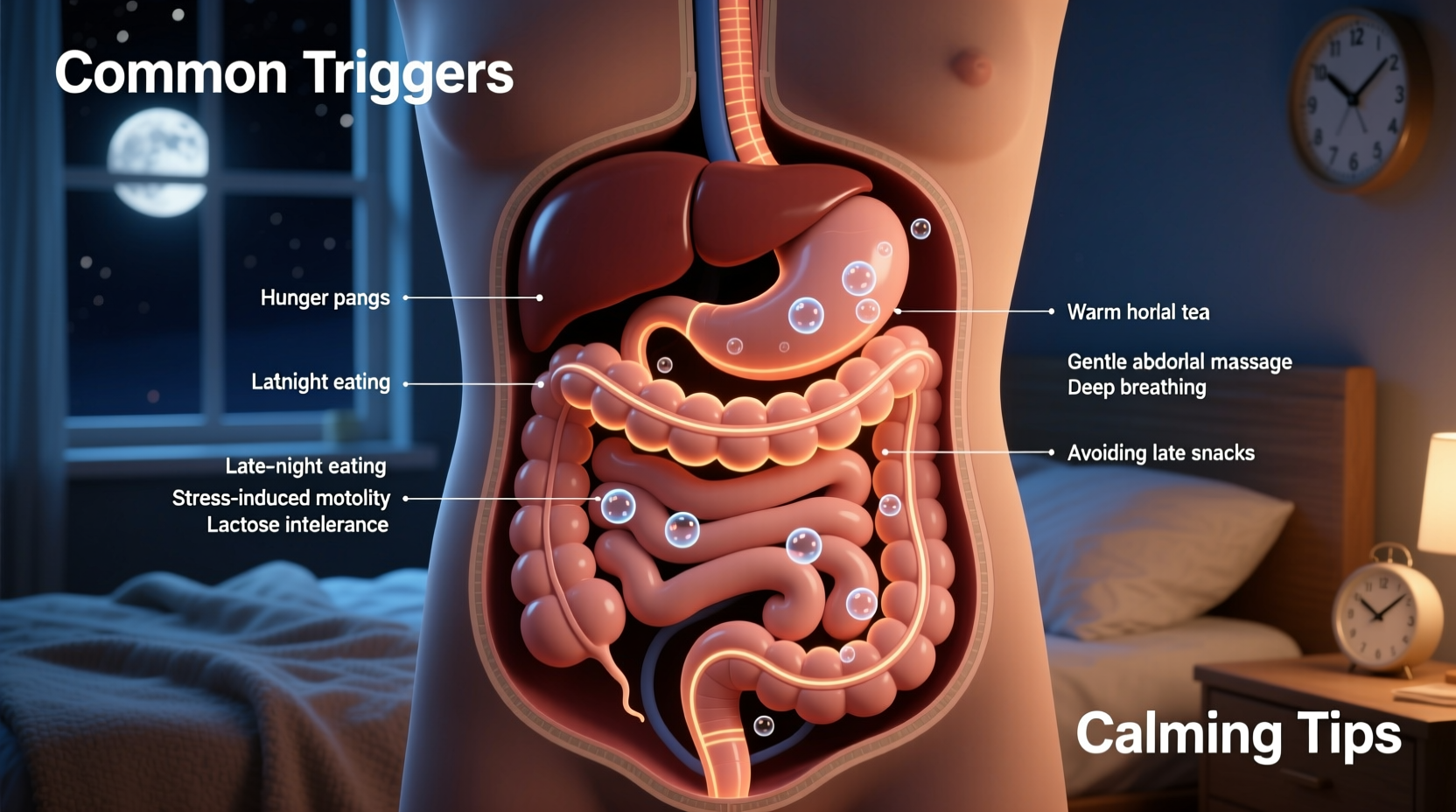
Digestive sounds occur when muscles in the gastrointestinal (GI) tract contract to push food, fluids, and gas through the system—a process known as peristalsis. These contractions are constant, but they become more noticeable when the stomach and intestines are relatively empty, such as between meals or during the night.
At night, ambient noise decreases, making internal bodily sounds more apparent. Additionally, lying down changes abdominal pressure and alters the path of gas and liquid, which may amplify gurgling sensations. The small intestine is especially active during fasting periods, including overnight, because it initiates a “clean-up” wave called the migrating motor complex (MMC). This natural process sweeps residual food particles and bacteria toward the large intestine, often producing audible rumblings.
“Borborygmi are a sign of a functioning gut. In most cases, they’re not dangerous—but if they’re paired with pain, bloating, or diarrhea, they may indicate an underlying issue.” — Dr. Lena Torres, Gastroenterology Specialist
Common Triggers of Nighttime Stomach Gurgling
While digestion naturally produces some noise, certain habits and conditions can intensify nighttime gurgling. Identifying these triggers is the first step toward relief.
1. Late-Night Eating
Consuming meals or snacks within two hours of bedtime forces your digestive system to work while you’re trying to sleep. This increases intestinal activity and gas production, leading to louder gurgling.
2. High-FODMAP Foods
Fermentable Oligo-, Di-, Mono-saccharides And Polyols (FODMAPs) are short-chain carbohydrates that are poorly absorbed in the small intestine. When they reach the colon, gut bacteria ferment them, producing gas and triggering noisy digestion. Common high-FODMAP foods include:
- Beans and lentils
- Onions and garlic
- Apples and pears
- Wheat and rye products
- Dairy containing lactose
3. Carbonated Beverages
Soda, sparkling water, and other fizzy drinks introduce excess carbon dioxide into the digestive tract. This trapped gas moves through the intestines, contributing to bloating and amplified gurgling sounds, especially when lying down.
4. Swallowing Air (Aerophagia)
Eating too quickly, chewing gum, drinking through straws, or talking while eating can cause you to swallow air. This air accumulates in the GI tract and must eventually pass, either as belches or flatus, often accompanied by gurgling.
5. Digestive Disorders
Chronic gurgling at night may be linked to medical conditions such as:
- Irritable Bowel Syndrome (IBS): Often causes cramping, bloating, and erratic bowel movements alongside increased intestinal noise.
- Lactose intolerance: Inability to digest lactose leads to fermentation, gas, and loud digestive sounds after consuming dairy.
- Small Intestinal Bacterial Overgrowth (SIBO): Excess bacteria in the small intestine ferment food prematurely, causing excessive gas and gurgling.
Do’s and Don’ts: Managing Nocturnal Digestive Noise
| Do’s | Don’ts |
|---|---|
| Eat dinner at least 2–3 hours before bed | Eat heavy or greasy meals late at night |
| Choose low-FODMAP, easily digestible foods in the evening | Drink carbonated beverages after 6 PM |
| Sip herbal teas like peppermint or ginger | Chew gum or use straws before sleep |
| Practice gentle movement after dinner (e.g., walking) | Exercise vigorously right after eating |
| Elevate your head slightly while sleeping | Lie flat immediately after eating |
Step-by-Step Guide to Calm Nighttime Digestion
If stomach gurgling regularly disrupts your sleep, follow this nightly routine to support quieter digestion:
- 6:00–7:00 PM – Eat an early, balanced dinner. Focus on lean protein (chicken, fish), cooked vegetables (carrots, zucchini), and a small portion of low-FODMAP starch (rice, quinoa). Avoid fried foods and heavy sauces.
- 7:00–7:30 PM – Take a 15-minute walk. Gentle physical activity stimulates digestion without overloading the system.
- 8:00 PM – Sip a digestive tea. Peppermint tea relaxes intestinal muscles, while ginger tea aids motility and reduces gas. Avoid chamomile if you’re prone to acid reflux.
- 9:00 PM – Stop all eating and drinking (except water). Give your digestive system time to process food before the MMC cycle begins.
- 10:00 PM – Practice relaxation techniques. Deep breathing or light stretching can reduce stress-induced digestive spasms.
- 10:30 PM – Sleep in a semi-elevated position. Use an extra pillow or an adjustable bed to prevent acid and gas from pooling in the upper abdomen.
Real-Life Example: Sarah’s Journey to Quieter Nights
Sarah, a 34-year-old graphic designer, struggled with loud stomach gurgling every night. She often worked late and ate dinner around 9 PM, typically consisting of pasta with garlic bread and a glass of sparkling water. Her symptoms included bloating, frequent gas, and disruptive intestinal noises that kept her awake—and sometimes startled her partner.
After consulting a dietitian, she adjusted her routine: she began eating dinner by 7 PM, switched to still water, eliminated onions and carbonated drinks, and started walking after meals. Within two weeks, her nighttime gurgling decreased significantly. A follow-up food diary revealed that garlic and soda were her main triggers. By making simple swaps—using garlic-infused oil instead of raw garlic and choosing herbal iced tea—Sarah now enjoys quiet, restful nights.
When to See a Doctor
While occasional gurgling is normal, persistent or painful symptoms warrant medical evaluation. Seek professional advice if you experience any of the following:
- Severe abdominal pain accompanying the noises
- Unexplained weight loss
- Diarrhea or constipation lasting more than a few days
- Blood in stool
- Symptoms that interfere with daily life or sleep
A healthcare provider may recommend tests such as a hydrogen breath test for lactose intolerance or SIBO, blood work to rule out celiac disease, or a referral to a gastroenterologist for further assessment.
Tip: If you suspect a food intolerance, don’t self-diagnose. Work with a registered dietitian to safely eliminate and reintroduce foods using an elimination diet protocol.Frequently Asked Questions
Is stomach gurgling a sign of hunger?
Yes, gurgling often occurs when the stomach is empty. The brain signals the GI tract to begin cleansing via the MMC, which creates rumbling sounds. However, gurgling can also happen during digestion, so it’s not always related to hunger.
Can stress cause my stomach to gurgle at night?
Absolutely. The gut-brain axis links emotional stress to digestive function. Anxiety or mental tension can accelerate or disrupt intestinal motility, leading to increased gas movement and noise. Practicing mindfulness or meditation before bed may help reduce stress-related gurgling.
Are there medications that can reduce digestive noises?
There are no specific drugs designed solely to silence stomach gurgling. However, simethicone (found in anti-gas medications) can help break up gas bubbles, and probiotics may improve gut flora balance. For diagnosed conditions like IBS, doctors may prescribe antispasmodics or low-dose antidepressants to regulate bowel activity.
Conclusion: Rest Easier with a Calmer Gut
Nocturnal stomach gurgling is more than just a quirky bodily function—it can affect sleep quality, confidence, and overall well-being. The good news is that for most people, simple lifestyle and dietary adjustments can dramatically reduce or even eliminate disruptive digestive sounds.
By understanding your body’s rhythms, avoiding common triggers, and adopting a gut-friendly evening routine, you can transform restless nights into peaceful ones. Digestive health is deeply personal, so listen to your body, track your responses, and make informed choices that support long-term comfort.
💬 Have a tip that helped quiet your stomach at night? Share your experience in the comments—your insight could help someone finally get the rest they deserve.








