
It’s quiet. You’re lying in bed, trying to fall asleep, when suddenly a loud rumble echoes from your abdomen. Your stomach is growling — not because you're hungry, but as if your digestive system decided to throw a party without inviting you. This phenomenon, known medically as borborygmi, is common and usually harmless. But when it happens frequently at night, especially accompanied by discomfort or other symptoms, it can raise legitimate concerns.
Understanding the mechanics behind nighttime stomach gurgling helps distinguish between normal digestion and potential underlying conditions. While most cases are benign and tied to diet or routine, persistent or painful gurgling may signal issues like irritable bowel syndrome (IBS), food intolerances, or gastrointestinal infections. This article breaks down the science, identifies risk factors, and outlines clear guidance on when to seek medical attention.
The Science Behind Stomach Gurgling
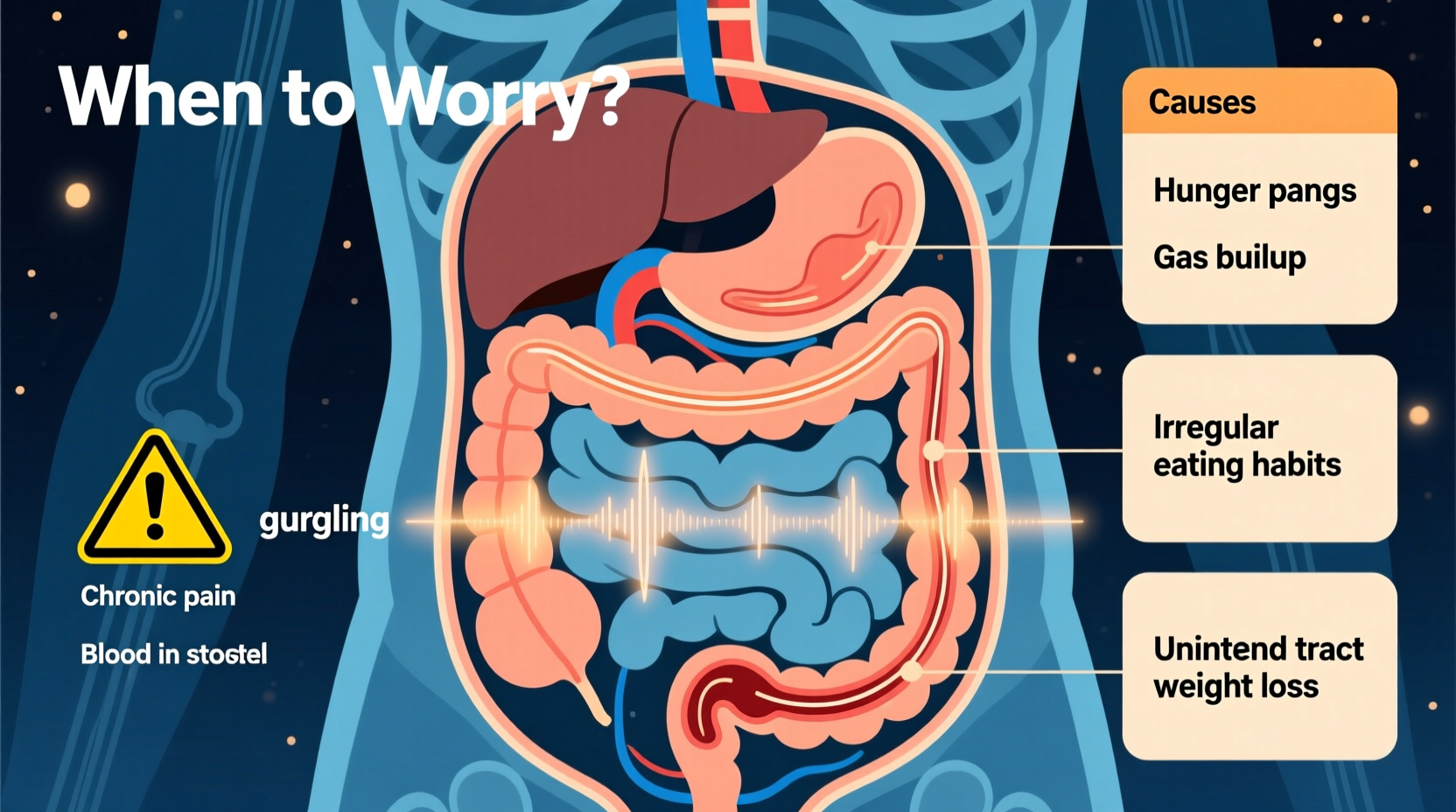
Borborygmi refers to the audible sounds produced by the movement of gas and fluid through the intestines. These noises occur as muscles in the intestinal walls contract in a process called peristalsis, pushing contents along the digestive tract. The sound becomes more noticeable when the stomach and intestines are relatively empty — such as at night — because there's less food to muffle the movement.
At night, several physiological changes amplify these sounds:
- Reduced external noise: In a quiet bedroom, internal bodily sounds become more apparent.
- Fasting state: After several hours without eating, the migrating motor complex (MMC) activates, clearing residual food and bacteria from the small intestine. This cleansing wave produces rhythmic contractions that can cause pronounced gurgling.
- Lying down position: Gravity no longer aids digestion, so gas and fluids shift in ways that may create louder noises.
Dr. Lena Torres, a gastroenterologist at Boston Digestive Health Institute, explains:
“The gut never stops working. Even at night, it continues processing, cleaning, and preparing for the next meal. Nocturnal borborygmi are often just evidence of a healthy, active digestive system doing its job.”
Common Causes of Nighttime Stomach Gurgling
Most nighttime stomach noises stem from natural digestive processes or lifestyle habits. Here are the most frequent contributors:
Dietary Triggers
Certain foods increase gas production or stimulate intestinal activity:
- Fatty or spicy meals consumed late in the evening
- High-fiber foods like beans, broccoli, and whole grains
- Carbonated beverages and artificial sweeteners (e.g., sorbitol, xylitol)
- Dairy products in individuals with lactose intolerance
Eating Too Close to Bedtime
Consuming food within two to three hours of sleep means digestion is still active when you lie down. This delays gastric emptying and increases the chance of hearing digestive sounds.
Stress and Anxiety
Emotional stress impacts gut motility via the gut-brain axis. Elevated cortisol levels can speed up or disrupt intestinal contractions, leading to louder or irregular gurgling.
Dehydration
Inadequate fluid intake thickens digestive secretions and slows transit, causing gas pockets to form and move unevenly — which amplifies noise.
Tip: Avoid large meals, caffeine, and carbonated drinks at least 3 hours before bedtime to reduce nighttime digestive activity.When Should You Be Concerned?
Occasional stomach gurgling at night is normal. However, certain patterns or accompanying symptoms warrant medical evaluation. The key is recognizing red flags that suggest something beyond routine digestion.
Symptoms That Signal a Problem
Seek medical advice if nighttime gurgling is associated with any of the following:
- Severe or persistent abdominal pain
- Nausea or vomiting
- Bloody, black, or tarry stools
- Unexplained weight loss
- Frequent diarrhea or constipation lasting more than two weeks
- Fever or chills
- Swelling or bloating that doesn’t resolve
These could indicate conditions such as:
- Irritable Bowel Syndrome (IBS): A functional disorder causing cramping, bloating, and altered bowel habits.
- Inflammatory Bowel Disease (IBD): Including Crohn’s disease or ulcerative colitis, which involve chronic gut inflammation.
- Gastroenteritis: Often caused by viral or bacterial infections, typically resolving within days but sometimes requiring treatment.
- Small Intestinal Bacterial Overgrowth (SIBO): An overgrowth of bacteria in the small intestine leading to excessive gas and motility issues.
- Obstruction: Partial blockages in the intestines due to adhesions, tumors, or hernias — a medical emergency if complete.
Timeline of Warning Signs
Use this step-by-step guide to assess whether your symptoms require prompt attention:
- Day 1–2: Occasional gurgling with mild bloating after dinner — likely dietary. Monitor food intake.
- Day 3–5: Increasing frequency at night with cramping or loose stools — consider eliminating dairy, gluten, or FODMAPs temporarily.
- Week 2+: Persistent gurgling with pain, fatigue, or weight change — schedule a visit with your primary care provider or gastroenterologist.
- Acute onset with fever/vomiting: Seek urgent care — possible infection or obstruction.
Diagnostic Approaches and Medical Evaluation
If symptoms persist or worsen, your doctor may recommend one or more diagnostic tools:
| Test | Purpose | What It Detects |
|---|---|---|
| Blood tests | Check for infection, inflammation, anemia | Markers of IBD, celiac disease, infection |
| Stool analysis | Assess for blood, parasites, bacteria | Infections, malabsorption, inflammation |
| Hydrogen breath test | Measure gas after sugar ingestion | Lactose intolerance, SIBO |
| Colonoscopy/Endoscopy | Visual examination of GI tract | Ulcers, polyps, inflammation, cancer |
| Abdominal ultrasound or CT scan | Imaging of internal organs | Blockages, tumors, structural abnormalities |
Based on findings, treatment may include dietary modification, antibiotics (for SIBO or infections), anti-inflammatory medications (for IBD), or referral to a dietitian for personalized nutrition planning.
Mini Case Study: Sarah’s Experience with Nocturnal Gurgling
Sarah, a 34-year-old teacher, began noticing intense stomach gurgling every night about six months ago. Initially, she dismissed it as stress-related. But over time, the noises were accompanied by bloating, alternating diarrhea and constipation, and fatigue. She started tracking her meals and symptoms using a journal. She noticed a pattern: symptoms flared after eating yogurt, apples, and onions — all high-FODMAP foods.
After consulting a gastroenterologist, Sarah underwent a hydrogen breath test, which confirmed small intestinal bacterial overgrowth (SIBO). She was prescribed a short course of antibiotics and referred to a registered dietitian who guided her through a low-FODMAP diet. Within eight weeks, her nighttime gurgling subsided, and her energy improved significantly.
Her case highlights the importance of symptom tracking and professional diagnosis — self-treatment alone might have missed the root cause.
Practical Tips to Reduce Nighttime Stomach Noises
You can minimize disruptive gurgling with simple lifestyle adjustments:
Tip: Chew food slowly and thoroughly to aid digestion and reduce swallowed air, which contributes to gas and gurgling.Checklist: How to Prevent Nocturnal Stomach Gurgling
- Finish eating at least 2–3 hours before bedtime
- Avoid gas-producing foods in the evening (beans, cabbage, onions, soda)
- Stay hydrated throughout the day (but reduce fluids right before bed to avoid waking)
- Practice relaxation techniques like deep breathing or meditation before sleep
- Keep a food and symptom diary for one week to identify triggers
- Elevate your head slightly while sleeping to reduce reflux and pressure on the abdomen
- Consider a probiotic supplement after consulting your doctor
Do’s and Don’ts Table
| Do | Don't |
|---|---|
| Drink herbal teas like ginger or peppermint (if tolerated) | Consume alcohol or caffeine late in the day |
| Take a short walk after dinner to aid digestion | Exercise vigorously right after eating |
| Use a heating pad for mild cramping | Ignore persistent pain or bleeding |
| Follow a consistent sleep schedule | Self-diagnose with unverified online sources |
Frequently Asked Questions
Is it normal for my stomach to gurgle even when I'm not hungry?
Yes. The migrating motor complex (MMC) cycles every 90–120 minutes during fasting states, including overnight. These cleansing waves naturally produce gurgling sounds, even without hunger cues.
Can anxiety really cause stomach noises at night?
Absolutely. The enteric nervous system — often called the \"second brain\" — is highly sensitive to emotional stress. Anxiety can accelerate or disrupt intestinal contractions, leading to increased gurgling, bloating, or urgency.
Should I take medication for stomach gurgling?
Not routinely. Over-the-counter simethicone (gas relief) or antacids may help in isolated cases, but they don’t address underlying causes. Medication should only be used under medical supervision if a diagnosed condition exists.
Conclusion: Listen to Your Body, But Don’t Panic
Nocturnal stomach gurgling is usually a sign of a functioning digestive system, not a flaw. By understanding the triggers — from late-night snacks to stress — you can make informed choices that promote quieter nights and better digestive health. Simple changes in eating habits, hydration, and stress management often yield significant improvements.
However, persistent symptoms shouldn’t be ignored. Pain, weight loss, or changes in bowel habits are signals from your body that deserve professional attention. Early intervention can prevent minor issues from becoming chronic conditions.
💬 Have you experienced nighttime stomach gurgling? What helped you find relief? Share your story in the comments — your experience could help someone else feel less alone and more empowered to take action.








