
Frizz is the arch-nemesis of smooth, polished hair. Many people turn to serums as a go-to solution for taming flyaways and adding shine—only to find their hair looking puffier and more unruly than before. If you’ve ever applied a smoothing serum only to watch your strands rebel into a halo of frizz minutes later, you're not alone. The irony is real: a product designed to control frizz can sometimes make it worse. Understanding why this happens—and how to correct it—is key to achieving the sleek, hydrated look you want.
The root cause often lies in mismatched formulas, incorrect application, or underlying hair conditions that aren’t being properly addressed. This article breaks down the science behind post-serum frizz, identifies common mistakes, and provides actionable strategies to help you use serums effectively without triggering unwanted texture changes.
Why Hair Frizz Gets Worse After Serum Application
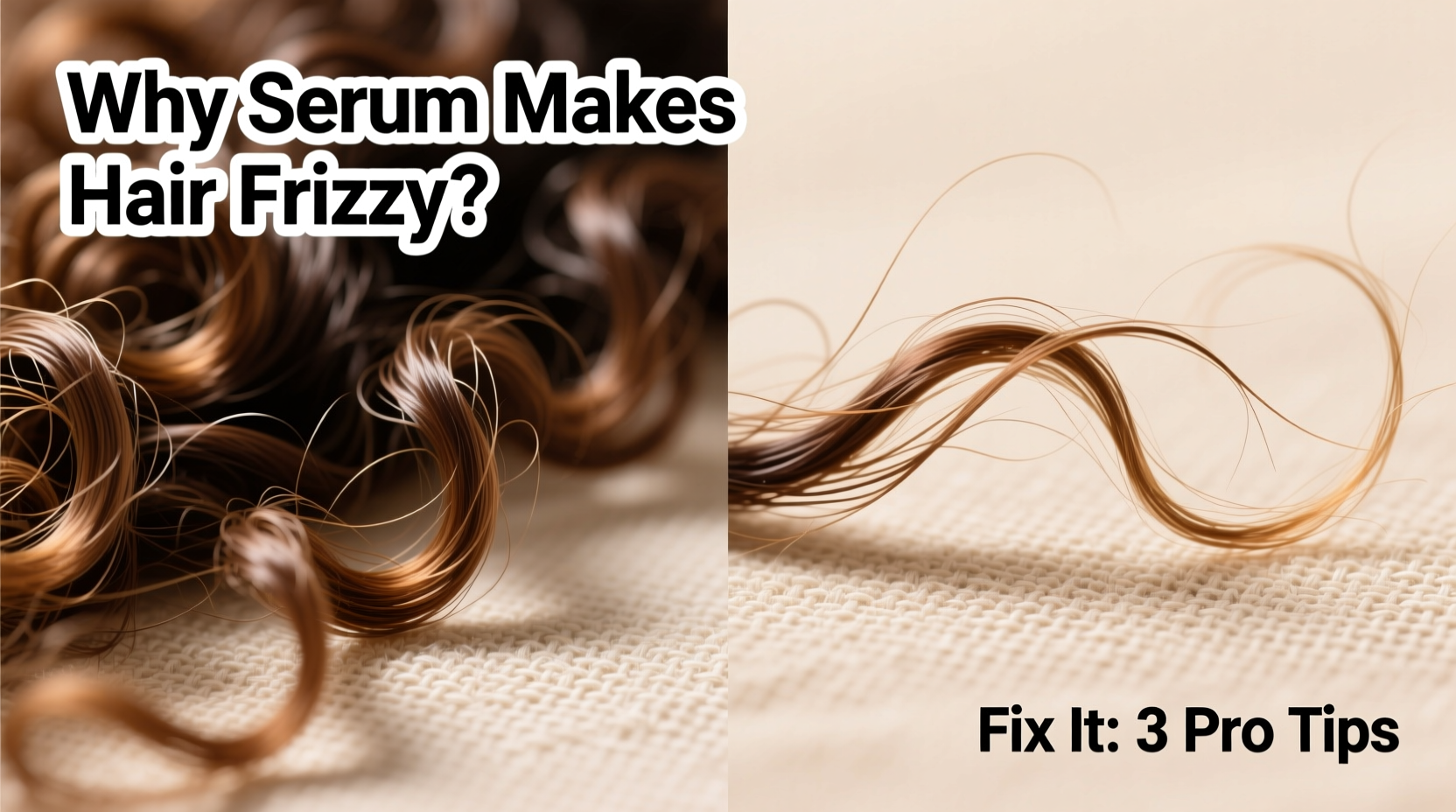
Serums are typically oil-based or silicone-heavy formulations designed to coat the hair shaft, seal the cuticle, and reduce moisture loss. In theory, this should minimize frizz by creating a protective barrier against humidity. However, when the formula or method doesn't align with your hair type or environment, the opposite effect occurs.
One primary reason frizz increases after serum use is **product buildup**. Over time, silicones like dimethicone and cyclomethicone accumulate on the hair, especially if not washed out thoroughly. This buildup prevents moisture from penetrating the strand, leaving hair dry and brittle underneath a slick surface. As a result, the cortex swells when exposed to humidity, causing frizz to burst through the compromised cuticle layer.
Another factor is **using too much product**. Applying excessive serum overwhelms fine or low-porosity hair, weighing it down while simultaneously repelling water. When the hair can't absorb moisture, it seeks hydration from the air—especially in humid climates—leading to puffiness and static.
Hair porosity also plays a crucial role. High-porosity hair absorbs moisture quickly but loses it just as fast. If your serum lacks humectants or is purely occlusive (sealing without delivering moisture), it may trap existing dryness rather than addressing the root issue. Low-porosity hair, on the other hand, resists absorption altogether, so heavy serums sit on top and attract dust and pollutants, increasing friction and frizz over time.
Tip: Always apply serum to damp, not dry, hair. This locks in moisture instead of sealing out hydration.Common Mistakes That Trigger Post-Serum Frizz
- Applying serum to completely dry hair – Without a moisture base, serum creates a waterproof shell that blocks future hydration.
- Using incompatible products together – Layering water-based leave-ins under heavy silicones can cause pilling or separation, weakening the protective layer.
- Skipping clarifying washes – Buildup from silicones, oils, and hard water minerals disrupts cuticle alignment and increases static.
- Using the wrong serum for your hair type – Lightweight hair gets weighed down; coarse, curly hair may not get enough nourishment from light formulas.
- Over-applying or reapplying throughout the day – Excess oil attracts environmental debris and increases electrostatic charge, leading to flyaways.
“Serums work best when they’re part of a balanced routine—not a standalone fix.” — Dr. Lena Patel, Trichologist and Scalp Health Specialist
Choosing the Right Serum for Your Hair Type
Not all serums are created equal. A one-size-fits-all approach leads to inconsistent results. Matching your serum to your hair’s density, texture, and porosity ensures optimal performance without side effects like greasiness or increased frizz.
| Hair Type | Recommended Serum Base | Key Ingredients to Look For | Ingredients to Avoid |
|---|---|---|---|
| Fine / Thin | Water-based, lightweight | Cyclomethicone, argan oil (trace amounts) | Heavy silicones (e.g., dimethicone above 5%), mineral oil |
| Thick / Coarse | Oil-silicone blend | Dimethicone, shea oil, jojoba oil | Alcohol denat., drying fragrances |
| Curly / Wavy | Humectant-enriched silicone | Glycerin (low concentration), panthenol, squalane | High alcohol content, sulfates in rinse-off versions |
| Low Porosity | Fast-absorbing, volatile silicones | Cyclopentasiloxane, PEG-8 | Coconut oil, shea butter (can coat without absorbing) |
| High Porosity | Protein-infused, occlusive | Keratin, hydrolyzed silk, cetyl esters | Humectants in very high humidity (can over-hydrate and swell cuticle) |
Selecting a serum tailored to your specific needs reduces the risk of adverse reactions. For example, someone with low-porosity fine waves should avoid thick, butter-based serums that sit on the surface and create drag during brushing—a major contributor to mechanical frizz.
Step-by-Step Guide to Using Serum Without Causing Frizz
Even the best serum fails if used incorrectly. Follow this timeline-based routine to maximize benefits and eliminate post-application puffiness.
- Start with a clean slate (once a week)
Use a clarifying shampoo to remove accumulated residue. This allows your serum to adhere directly to the hair shaft rather than sitting atop layers of old product. - Wash and condition thoroughly
Apply conditioner from mid-length to ends. For extra hydration, leave it in for 3–5 minutes or use a deep conditioning mask weekly. - Blot hair gently with a microfiber towel
Rubbing with a cotton towel roughens the cuticle. Patting minimizes friction and preserves smoothness. - Apply a water-based leave-in conditioner
This primes the hair with internal moisture before sealing. Especially important for high-porosity types. - Dispense the right amount of serum
One pump for short hair, two for shoulder-length, three max for long hair. Rub between palms first to distribute evenly. - Apply to damp hair, focusing on mid-length to ends
Avoid the roots unless dealing with extreme dryness. Use a wide-tooth comb to spread the product uniformly. - Style as usual—air dry or heat style with protection
If using heat tools, ensure the serum contains thermal protection or layer with a dedicated heat protectant. - Refresh wisely during the day
Instead of adding more serum, mist with a hydrating spray (water + glycerin + a drop of oil) to reactivate the original application.
Mini Case Study: Sarah’s Post-Serum Frizz Breakthrough
Sarah, a 32-year-old with wavy, medium-thick hair, had been struggling with morning frizz despite daily serum use. She applied a popular argan oil-based serum to dry hair each evening, believing it would “work overnight.” Instead, her hair became greasy at the roots and frizzy at the ends by midday.
After consulting a trichologist, she learned she was applying the serum incorrectly and using too much. She switched to applying a pea-sized amount of a lightweight, silicone-based serum to towel-dried hair immediately after showering. She also introduced a clarifying wash every 10 days.
Within two weeks, her hair stayed smoother for longer, with significantly less volume at the crown and no greasy roots. The change wasn’t in the product—it was in the method.
How to Fix Current Frizz Caused by Serum Buildup
If your hair is already suffering from overuse or improper serum application, don’t panic. You can reverse the damage with a reset routine.
Tip: Mix a teaspoon of baking soda into your regular shampoo once every two weeks for gentle clarification.Begin with a chelating or clarifying shampoo to dissolve silicones and mineral deposits. Follow with a deep conditioner to restore moisture balance. Avoid applying any new serums for 48 hours to let your hair recalibrate.
After cleansing, test a small amount of serum on one section of hair. Observe how it reacts over 24 hours. Does it smooth the cuticle? Does frizz increase by hour three? This patch test helps identify whether the formula itself is problematic or if the issue lies in application habits.
Checklist: Frizz-Free Serum Routine Reset
- ✅ Clarify hair with a sulfate-free clarifying shampoo
- ✅ Deep condition to restore moisture
- ✅ Wait 1–2 days before reapplying serum
- ✅ Measure serum precisely (start with less than you think you need)
- ✅ Apply only to damp, detangled hair
- ✅ Focus on ends, not scalp
- ✅ Comb through for even distribution
- ✅ Monitor results daily for one week
- ✅ Adjust frequency based on climate and hair response
Frequently Asked Questions
Can hair serums cause frizz in humid weather?
Yes—if the serum lacks humidity-resistant ingredients. Some formulas contain hygroscopic agents like glycerin that attract moisture from the air. In high humidity, this can lead to over-hydration and swelling of the hair shaft, resulting in frizz. Opt for serums labeled “humidity-proof” or those containing dimethicone, which forms a vapor-resistant barrier.
Is it bad to sleep with serum in your hair?
It depends. Leaving serum in overnight can enhance absorption for very dry or damaged hair, but it may also transfer onto pillows and attract dirt. If you choose to sleep with serum, wrap your hair in a silk scarf or use a satin pillowcase to minimize friction and staining. Avoid heavy oils unless specifically treating extreme dryness.
How often should I use hair serum?
Daily use is acceptable if you’re using the correct amount and your hair tolerates it. However, most people benefit from applying serum every other day or only after washing. Fine-haired individuals may only need it 2–3 times per week, while thick, curly hair might require daily application on ends. Listen to your hair: greasiness, stiffness, or increased tangling are signs of overuse.
Final Thoughts: Smoothing the Path to Better Hair
Frizz after serum use isn’t a sign that the product is flawed—it’s a signal that something in your routine needs adjustment. Whether it’s the formula, the quantity, or the timing, small changes can yield dramatic improvements in smoothness and manageability. The goal isn’t to eliminate serums but to use them intelligently as part of a holistic hair care strategy.
Healthy hair thrives on balance: moisture inside, protection outside, and clarity in between. By choosing the right serum, applying it correctly, and maintaining a clean foundation, you can enjoy the shine and softness you expect—without the frizz backlash.
💬 Have you experienced worsening frizz after using serum? Share your story or solution in the comments—your insight could help others find their perfect routine.








