Healthy, bright nails are more than a cosmetic concern—they reflect overall wellness. When once-clear or white nails begin to yellow, it can be both puzzling and frustrating. While many assume this discoloration is purely aesthetic, the causes often stem from lifestyle habits, underlying health conditions, or exposure to damaging substances. The good news is that with consistent care and natural remedies, you can reverse yellowing and maintain strong, luminous nails. This guide explores the science behind nail discoloration, identifies common triggers, and offers practical, chemical-free solutions to help you regain confidence in your nail health.
Understanding Nail Anatomy and Discoloration
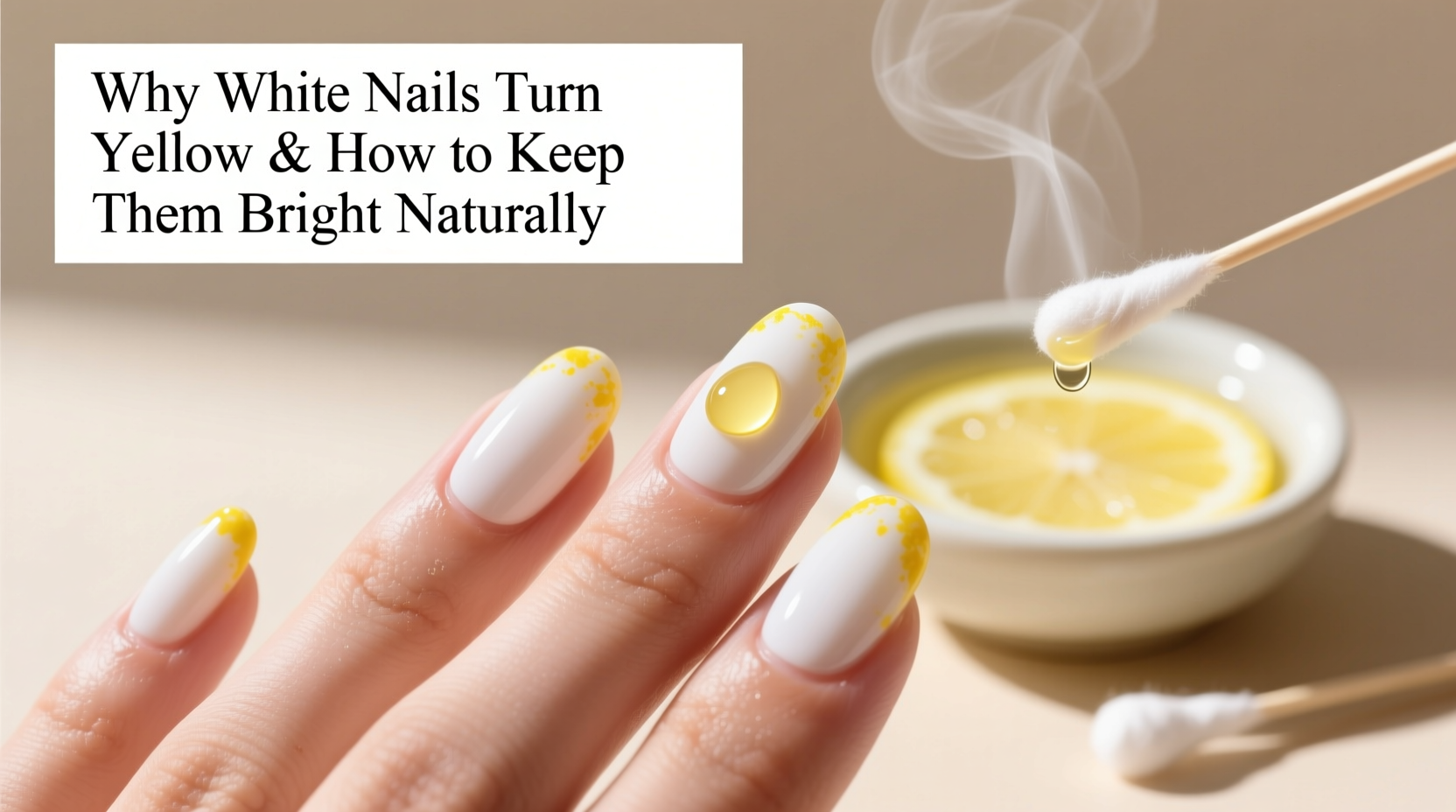
Nails are made primarily of keratin, a tough protein also found in hair and skin. The visible nail plate grows from the matrix beneath the cuticle and gradually extends outward. Because nails are porous, they absorb substances from their environment, making them vulnerable to staining and damage.
Yellowing occurs when the nail plate becomes discolored due to oxidation, fungal infection, or external pigments. Unlike skin, which renews itself every few weeks, nails grow slowly—fingernails at about 3 millimeters per month—so any damage or discoloration takes time to resolve. Understanding what’s happening beneath the surface is key to addressing the issue effectively.
“Nail discoloration is often a sign of environmental exposure or systemic imbalance. It’s not just about appearance—it’s a window into your body’s internal state.” — Dr. Lena Patel, Dermatologist & Nail Health Specialist
Common Causes of Yellow Nails
Yellow nails aren’t always caused by poor hygiene. Several factors contribute to this condition, some preventable, others requiring medical attention. Recognizing the root cause is essential for choosing the right treatment approach.
- Nail polish buildup: Frequent use of dark or red polishes, especially without a base coat, allows pigments to penetrate the nail plate over time.
- Smoking: Nicotine and tar from cigarettes adhere to nails and skin, causing persistent yellow-brown stains near the tips.
- Fungal infections: Onychomycosis leads to thickened, brittle nails with yellow, green, or brown discoloration. It thrives in warm, moist environments like sweaty shoes.
- Overuse of acetone-based removers: Harsh solvents dry out nails, making them porous and more prone to staining.
- Aging: As we age, nails grow slower and may yellow due to reduced circulation and cumulative exposure to irritants.
- Medical conditions: Conditions like psoriasis, thyroid disease, diabetes, or lymphedema can manifest through nail changes.
- Vitamin deficiencies: Lack of B vitamins, particularly biotin (B7), or poor nutrition can weaken nails and alter their color.
Natural Remedies to Brighten Yellow Nails
Before turning to bleaching agents or prescription treatments, consider gentler, natural approaches that support long-term nail health. These methods work gradually but avoid weakening the nail structure.
1. Baking Soda and Lemon Juice Soak
Mix one tablespoon of baking soda with the juice of half a lemon and enough water to form a paste. Gently rub onto nails using a soft brush, then rinse after 5 minutes. Baking soda acts as a mild abrasive, while lemon’s citric acid helps lift surface stains. Limit use to twice weekly to avoid over-drying.
2. Hydrogen Peroxide and Baking Soda Paste
Combine equal parts hydrogen peroxide (3%) and baking soda to make a thick paste. Apply to nails, leave for 5–10 minutes, then rinse. This combination has mild antifungal and whitening properties. Do not use if you have cuts or hangnails, as it may sting.
3. Apple Cider Vinegar Soak
Mix equal parts raw apple cider vinegar and water. Soak fingers for 15–20 minutes daily. Its acetic acid content helps balance pH and combat fungal growth. Over time, this can reduce yellowing and improve texture.
4. Coconut Oil and Tea Tree Oil Treatment
Mix 1 tablespoon of coconut oil with 3–5 drops of tea tree oil. Massage into nails and cuticles nightly. Coconut oil deeply moisturizes, while tea tree oil has proven antifungal effects. This blend strengthens nails and prevents reinfection.
5. Orange Peel Rub
Use the inner side of a fresh orange peel to gently buff each nail. The natural oils and vitamin C help lighten stains. Do this daily for best results.
“Natural doesn’t mean ineffective. Consistent use of plant-based oils and gentle exfoliants can yield noticeable improvements in nail clarity within 4–6 weeks.” — Dr. Miriam Chen, Holistic Dermatology Consultant
Do’s and Don’ts for Maintaining Bright Nails
| Do’s | Don’ts |
|---|---|
| Wear gloves when cleaning or handling chemicals | Use acetone-based removers daily |
| Moisturize nails and cuticles daily with natural oils | Peel off nail polish—this strips layers from the nail |
| Take biotin or collagen supplements if deficient | Soak nails in undiluted lemon juice for long periods |
| Give nails a break between polish applications | Ignore persistent thickening or pain—see a doctor |
| Keep nails trimmed and filed smoothly | Use nails as tools (e.g., opening cans) |
Step-by-Step Guide to Restoring Nail Brightness Naturally
If your nails have already yellowed, follow this 6-week plan to gradually restore their clarity and strength:
- Week 1–2: Detox and Assess
- Remove all nail polish and take a “nail holiday.”
- Inspect for signs of fungus (thickening, crumbling edges).
- Begin daily cuticle oiling with jojoba or almond oil.
- Start apple cider vinegar soaks every evening (15 minutes).
- Week 3–4: Begin Gentle Lightening
- Introduce baking soda and lemon paste twice weekly.
- Continue moisturizing and soaking.
- Wear cotton-lined gloves during household chores.
- Hydrate internally—drink at least 2 liters of water daily.
- Week 5–6: Strengthen and Protect
- Add a biotin supplement (2.5 mg/day) unless contraindicated.
- Massage tea tree and coconut oil mix nightly.
- Re-evaluate progress—note changes in shine, texture, and color.
- If ready, reapply polish—but only over a base coat.
Mini Case Study: Reversing Years of Staining
Sarah, a 38-year-old graphic designer, noticed her nails had turned progressively yellow over five years. She wore gel polish weekly and frequently used acetone to remove it. After developing slight ridges and brittleness, she consulted a dermatologist who ruled out fungus but advised reducing chemical exposure.
Sarah followed a natural restoration routine: she stopped gel manicures, switched to acetone-free remover, and began nightly coconut oil massages. She soaked her nails in diluted apple cider vinegar three times a week and applied a baking soda-lemon scrub twice weekly. Within eight weeks, the yellow tint faded significantly. By week 12, her nails were noticeably brighter and stronger. Sarah now maintains her results with monthly breaks from polish and regular oiling.
Diet and Lifestyle: The Foundation of Healthy Nails
No topical remedy can compensate for poor internal health. Nutrients play a critical role in nail formation and resilience.
- Biotin (Vitamin B7): Supports keratin production. Found in eggs, nuts, sweet potatoes, and salmon.
- Vitamin E: An antioxidant that improves circulation to nail beds. Sources include almonds, spinach, and sunflower seeds.
- Iron: Prevents brittle, spoon-shaped nails. Include lentils, red meat, and fortified cereals.
- Zinc: Aids tissue repair. Oysters, pumpkin seeds, and chickpeas are excellent sources.
- Hydration: Dehydrated nails become dull and fragile. Drink plenty of water and limit diuretics like caffeine.
In addition to diet, manage stress and get adequate sleep. Chronic stress elevates cortisol, which can impair nutrient absorption and slow nail growth.
FAQ: Common Questions About Yellow Nails
Can I fix yellow nails without removing my polish?
Not effectively. Topical treatments need direct contact with the nail plate. To see real improvement, allow your nails to breathe for several weeks without polish. If you must wear color, choose breathable, non-toxic brands and always use a base coat.
Is it safe to use lemon juice on nails?
In moderation, yes—but always dilute and rinse thoroughly. Undiluted lemon juice can erode keratin and increase photosensitivity, leading to further discoloration if exposed to sunlight. Never use it on broken skin.
How long does it take to see results from natural treatments?
Most people notice subtle improvements within 3–4 weeks. Significant lightening typically takes 6–8 weeks of consistent care. Full correction may require several months, depending on the severity of staining and overall nail health.
Checklist: Natural Nail Brightening Routine
Follow this weekly checklist to stay on track:
- ☑ Remove old polish with acetone-free remover
- ☑ Soak in apple cider vinegar solution (3x/week)
- ☑ Apply baking soda-citrus scrub (2x/week)
- ☑ Massage in coconut or jojoba oil (daily)
- ☑ Wear gloves during cleaning or dishwashing
- ☑ Stay hydrated and eat protein-rich meals
- ☑ Avoid smoking or wash hands immediately after
- ☑ Trim and file nails gently in one direction
Conclusion: Bright Nails Start with Mindful Habits
Yellow nails are a common concern, but they’re rarely permanent. Whether the cause is cosmetic, environmental, or health-related, natural interventions offer a sustainable path to recovery. By understanding what damages your nails and adopting simple, nourishing practices, you can restore brightness without harsh chemicals or costly treatments. The journey to healthier nails isn’t about quick fixes—it’s about consistent care, balanced nutrition, and respect for your body’s natural rhythms.
💬 Ready to transform your nail health? Start tonight with a 15-minute vinegar soak and a drop of coconut oil. Share your progress or tips in the comments—your experience could inspire someone else to begin their healing journey.








