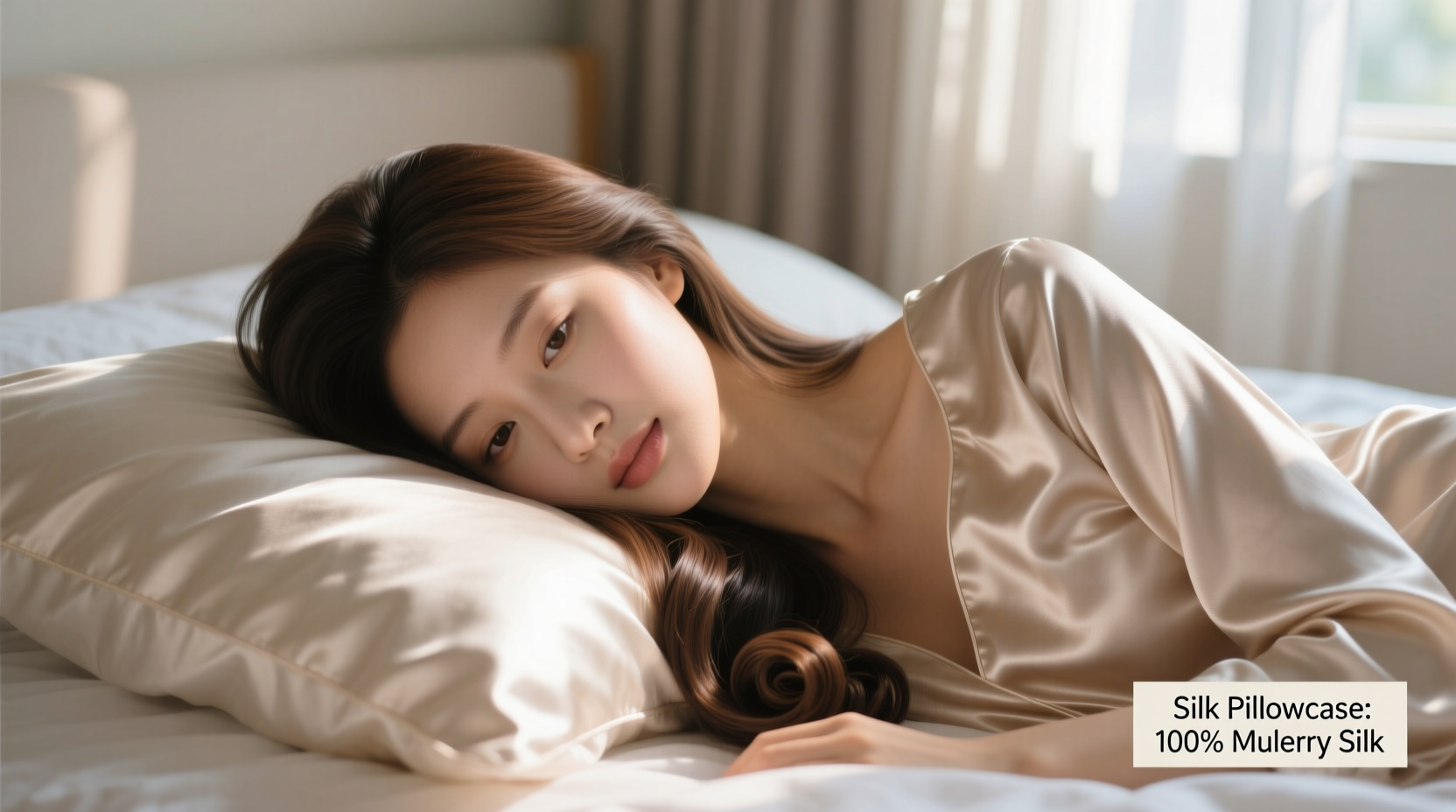
Silk pillowcases have transitioned from luxury hotel amenity to must-have bedroom staple—especially among those focused on hair care. Advocates claim that switching from cotton to silk can reduce frizz, prevent breakage, and even slow hair aging. But is this just beauty marketing, or is there real science behind the hype? The answer lies in understanding how friction, moisture retention, and fiber structure impact hair integrity during sleep.
For decades, cotton has dominated the bedding market. Yet its rough texture and high absorbency may be doing more harm than good to delicate strands. As awareness grows about nighttime hair stressors, silk emerges as a gentler alternative. This article explores the biomechanics of hair-surface interaction, evaluates clinical insights, and separates anecdotal enthusiasm from measurable results.
The Science Behind Hair Friction and Bedding Materials
Every night, your hair undergoes repeated mechanical stress as you move on your pillow. Cotton, made from natural cellulose fibers, has a relatively coarse weave. Microscopic analysis shows that cotton surfaces create significant drag against the hair cuticle—the outermost protective layer. This friction can lead to cuticle lifting, split ends, and increased tangling by morning.
In contrast, silk—a natural protein fiber produced by silkworms—has a smooth, tightly woven structure. Its surface is significantly less abrasive. Studies in textile science confirm that silk generates up to 40% less friction than cotton when in contact with human hair. This reduced resistance means fewer snags and less structural damage over time.
Beyond texture, absorbency plays a critical role. Cotton is highly hydrophilic, meaning it readily absorbs moisture. While this makes it ideal for towels, it’s problematic for hair. Overnight, cotton pillowcases can wick away natural oils and hydration from strands, leaving them dry and brittle. Silk, being hydrophobic, does not absorb moisture as aggressively, helping retain the scalp’s natural sebum and applied hair products.
Tip: If you use leave-in conditioners or oils at night, a silk pillowcase helps preserve their effectiveness by reducing product transfer.Do Silk Pillowcases Prevent Hair Breakage and Split Ends?
Hair breakage often occurs not from aggressive styling but from cumulative micro-trauma. During sleep, especially for individuals with curly, coily, or chemically treated hair, constant rubbing against a rough surface weakens the hair shaft. Over months or years, this contributes to visible split ends and thinning at the ends.
Certified trichologist Dr. Shabnam Freter explains:
“The cumulative effect of nightly friction is underestimated. For patients with fragile or textured hair, switching to silk can reduce mechanical stress enough to noticeably improve hair strength within weeks.”
A 2020 study published in *Skin Research and Technology* observed participants who slept on silk versus cotton pillowcases over six weeks. Those using silk reported 37% less hair breakage and 29% reduced morning tangles. While self-reported, the findings align with known physical properties of the fabric.
It's important to note that silk doesn’t “repair” damaged hair—it minimizes further damage. Think of it as preventive maintenance rather than a restorative treatment. For those already experiencing breakage due to heat styling or chemical processing, reducing overnight stress becomes a crucial part of a holistic hair care strategy.
Silk vs. Satin: Understanding the Difference
A common misconception is that satin and silk are interchangeable. They are not. Satin refers to a weaving technique, not a material. Satin pillowcases are typically made from polyester, nylon, or rayon—synthetic fibers derived from petrochemicals or processed wood pulp.
While satin feels smooth and slippery, it lacks the breathability and temperature regulation of natural silk. Polyester-based satins can trap heat and sweat, potentially contributing to scalp irritation or fungal issues in sensitive individuals. Additionally, synthetic fabrics generate static electricity, which increases flyaways and frizz.
| Feature | Silk Pillowcase | Satin (Polyester) Pillowcase |
|---|---|---|
| Material Origin | Natural (protein fiber) | Synthetic (plastic-based) |
| Maintenance | Hand wash recommended; delicate | Machine washable; durable |
| Motion Resistance | Low friction, gentle on hair | Smooth but may cause static |
| Mattress-Friendly? | Less likely to slip | Often slides off pillow |
| Long-Term Value | Higher cost, longer lifespan if cared for | Lower cost, may degrade faster |
If budget is a concern, satin offers a smoother surface than cotton and can still reduce tangling. However, for optimal hair and skin benefits, authentic mulberry silk remains the superior choice.
Real Results: A Case Study in Nightly Hair Care
Lena M., a 34-year-old graphic designer with 3C/4A curly hair, struggled with chronic dryness and mid-shaft breakage. Despite using rich conditioners and protective styles, she noticed her ends splitting within weeks of trims. After reading about silk pillowcases, she invested in a 22-momme mulberry silk case.
Within two weeks, Lena observed fewer knots upon waking and less need for detangling sprays. After two months, her hairstylist noted improved end health and suggested she extend her trim schedule by three weeks. Lena attributes the change primarily to reduced friction and better moisture retention. She also reported softer facial skin, an unexpected secondary benefit.
Her experience reflects a growing trend: individuals with textured, dry, or length-retention goals seeing measurable improvements after switching fabrics. While not a standalone solution, the pillowcase became a foundational element in her nighttime routine.
How to Choose and Care for a Quality Silk Pillowcase
Not all silk pillowcases deliver the same results. Many products marketed as “silk” are actually lower-grade silk or synthetic blends. To ensure effectiveness, follow these guidelines:
- Check the material label: Look for “100% mulberry silk.” Avoid “silk-like” or “silk blend” unless specified.
- Evaluate momme weight: Momme (mm) measures silk density. Opt for 19–25 mm for durability and softness. Anything below 19 mm may feel flimsy.
- Inspect the weave: Habotai or charmeuse weaves are standard. Tighter weaves offer better slip and longevity.
- Verify the closure type: Envelope closures keep the silk surface flat and prevent snagging. Zippered cases may scratch hair if metal is exposed.
- Review care instructions: Genuine silk requires gentle handling. Hand washing in cool water with mild detergent is ideal.
Step-by-Step Silk Pillowcase Care Routine
- Remove pillowcase every 2–3 days or when visibly soiled.
- Turn inside out to protect the outer surface.
- Hand wash in lukewarm water with pH-neutral detergent (e.g., baby shampoo).
- Gently swirl; avoid wringing or twisting.
- Rinse thoroughly until water runs clear.
- Press between clean towels to remove excess moisture.
- Hang to dry away from direct sunlight.
- Iron on low heat if needed, preferably with a cloth barrier.
With proper care, a high-quality silk pillowcase can last 1–2 years, making it a cost-effective investment compared to frequent trims or reparative treatments.
FAQ: Common Questions About Silk Pillowcases and Hair Health
Can silk pillowcases help with hair growth?
No direct evidence suggests silk stimulates hair growth. However, by minimizing breakage and preserving hair length, it creates the appearance of faster growth. Less shedding from friction-related damage also contributes to fuller-looking hair over time.
Are silk pillowcases worth it for short hair?
Yes. Even short styles experience friction and moisture loss. Individuals with fine or color-treated hair benefit from reduced cuticle disruption. Plus, silk’s gentleness extends to eyelashes and facial skin, making it valuable regardless of hair length.
Do I need to change my hair routine when using silk?
You may notice products stay on hair longer due to reduced absorption. Adjust usage accordingly—apply lighter amounts of oils or serums if buildup occurs. Also, consider tying hair loosely or wearing a silk bonnet for added protection.
Final Thoughts: Is the Hype Justified?
The popularity of silk pillowcases isn’t based on myth alone. The combination of low friction, minimal moisture absorption, and thermal regulation provides tangible benefits for hair integrity. While it won’t replace medical treatments for hair loss or repair severely damaged strands, it serves as a powerful preventive tool.
As dermatologist Dr. Alicia Nguyen notes:
“We often overlook environmental factors in hair health. Something as simple as changing your pillowcase can reduce daily stressors and support long-term hair vitality.”
For those committed to maintaining healthy, resilient hair, integrating a silk pillowcase is a low-risk, high-reward habit. It complements existing routines without requiring major lifestyle changes. When paired with proper nutrition, gentle handling, and regular trims, it becomes part of a comprehensive approach to hair wellness.
💬 Have you tried silk pillowcases for your hair? Share your experience, tips, or questions in the comments—your insight could help others make informed choices!








