
In an era where personal life is increasingly shared online, a peculiar habit has quietly gained momentum: people are recording themselves while they sleep. At first glance, it sounds bizarre—why would someone film eight hours of unconsciousness? Yet this behavior, once dismissed as odd, now reflects deeper shifts in technology, mental health awareness, and digital identity. From TikTok clips of soft breathing to 4K time-lapses on YouTube, sleep recordings are no longer confined to medical labs. They’ve become a cultural phenomenon with psychological, social, and even therapeutic dimensions.
This trend isn’t about voyeurism or surveillance. Instead, it’s rooted in self-awareness, connection, and the human desire to understand ourselves better—even in our most passive state. As wearable tech advances and mental wellness takes center stage, more individuals are turning their cameras on during bedtime, not for entertainment, but for insight.
The Rise of Sleep Recording in Digital Culture
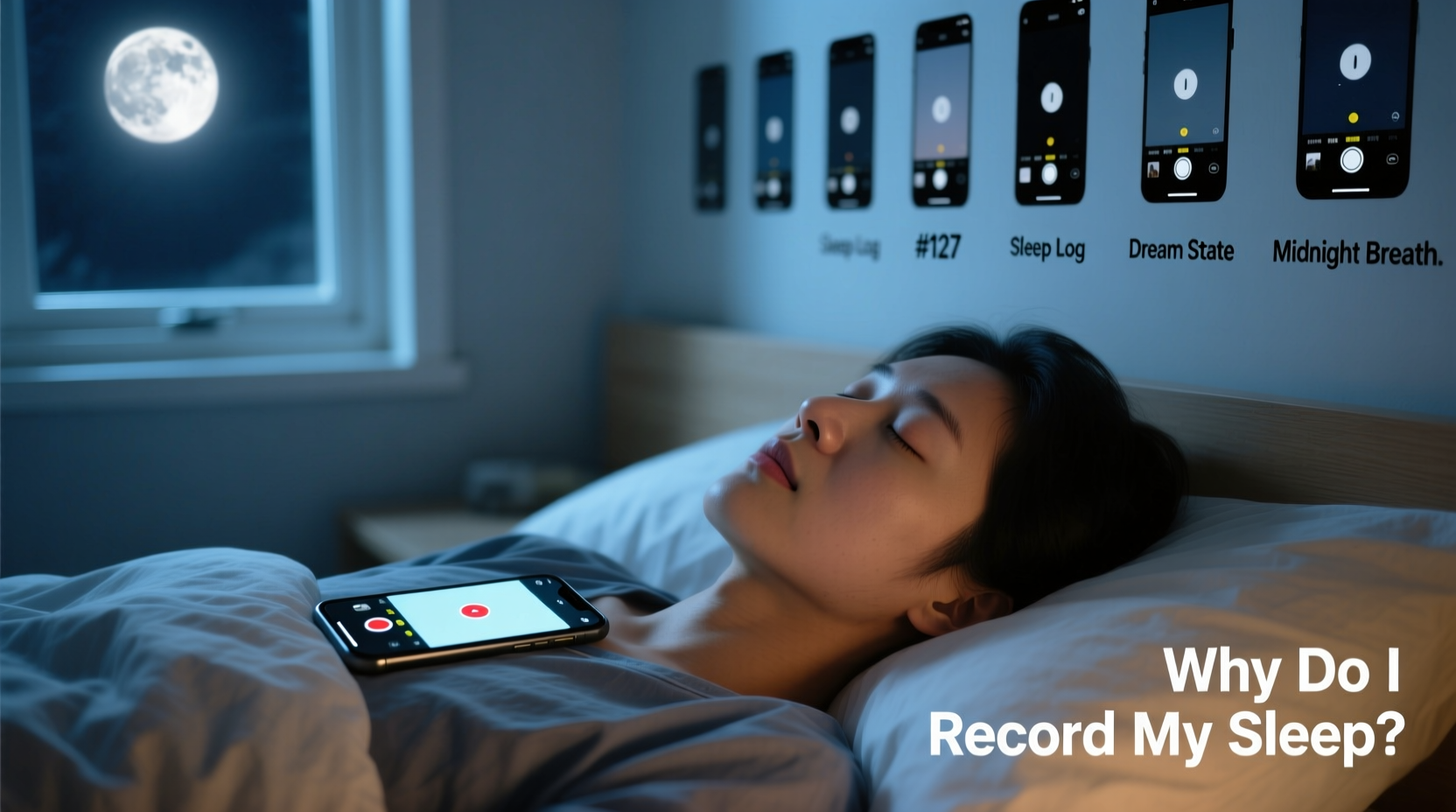
Sleep has long been considered private—a sacred, unobserved part of daily life. But the boundaries of privacy have shifted. Platforms like Twitch, YouTube, and TikTok now host thousands of “sleep streams” and videos labeled “ASMR sleeping,” “no talking bedtime vlog,” or “watch me fall asleep.” Some creators gain hundreds of thousands of views, not because viewers expect drama, but because the act itself offers comfort.
What began as niche content among insomniacs seeking company has evolved into a broader movement. People record themselves sleeping for various reasons: to monitor sleep patterns, share their journey with anxiety or insomnia, or simply to create ambient companionship for others who struggle to rest. The appeal lies in its authenticity—there’s no script, no performance, just presence.
Technology has made this accessible. Smartphones with high-quality night-mode cameras, smart rings that track biometrics, and affordable home security cameras allow anyone to document their sleep without specialized equipment. Apps like Sleep Cycle, Pillow, and AutoSleep automatically log movement, sound, and heart rate, often syncing data to visual timelines or summaries.
Tip: If you're new to sleep recording, start with audio-only mode to reduce privacy concerns and storage usage.Psychological and Emotional Motivations Behind the Trend
At its core, sleep recording taps into fundamental human needs: safety, belonging, and self-understanding. For many, the motivation isn’t vanity—it’s vulnerability. Sharing sleep footage can be an act of trust, a way of saying, “This is me at my most defenseless.”
One major driver is loneliness. A 2023 study by the American Psychological Association found that over 60% of young adults report feeling chronically lonely, especially at night. Watching someone else sleep—especially a familiar face or a consistent creator—can simulate co-sleeping, offering a sense of companionship. This is particularly true for fans of “girlfriend experience” (GFE) or “boyfriend experience” streamers, where parasocial relationships provide emotional relief.
Others use sleep recordings for introspection. Snoring, sleep talking, or restless movements may go unnoticed for years. By capturing these moments, individuals gain insights into potential sleep disorders. One user reported discovering her severe obstructive sleep apnea after reviewing nightly audio clips filled with gasping sounds—an observation her partner had failed to mention consistently.
“Sleep is the last frontier of self-knowledge. When we record it, we’re not just documenting rest—we’re investigating the subconscious rhythms of our lives.” — Dr. Lena Torres, Clinical Psychologist & Sleep Researcher, Stanford University
Practical Benefits and Health Monitoring Uses
Beyond emotional resonance, sleep recording serves tangible health purposes. Chronic conditions like insomnia, bruxism (teeth grinding), night terrors, and REM behavior disorder often manifest during sleep but go undiagnosed due to lack of awareness. Self-recording acts as a preliminary diagnostic tool.
Wearable devices paired with camera footage offer a multi-modal view of sleep quality. For example:
- A sudden spike in heart rate captured by a smart ring, combined with visible tossing on video, may indicate night anxiety.
- Frequent leg jerks seen on playback could suggest restless legs syndrome.
- Vocalizations such as shouting or crying during sleep might point to PTSD-related nightmares.
While not a replacement for clinical polysomnography, home recordings help patients articulate symptoms to healthcare providers with concrete evidence.
Common Sleep Issues Identified Through Recording
| Symptom | What It Might Indicate | Action Step |
|---|---|---|
| Loud snoring + pauses in breathing | Possible sleep apnea | Consult a pulmonologist; consider a sleep study |
| Sleepwalking or leaving bed | NREM parasomnia | Secure bedroom; evaluate stress triggers |
| Teeth grinding (audible) | Bruxism | Dental guard; stress management |
| Talking loudly or emotionally | Stress, trauma, or REM disorder | Journaling before bed; therapy referral |
| Frequent position changes | Poor sleep hygiene or discomfort | Review mattress, temperature, caffeine intake |
Privacy, Ethics, and Safety Considerations
Despite its benefits, sleep recording raises serious privacy questions. Cameras in bedrooms capture intimate environments—personal conversations, nudity, or sensitive objects. Once recorded, files can be hacked, leaked, or misused if stored insecurely.
Experts warn against live-streaming sleep without strict safeguards. In 2022, a popular Twitch streamer had her feed hijacked when her Wi-Fi was compromised, exposing her sleeping form to thousands. Though rare, such incidents highlight risks.
To mitigate danger, users should:
- Use encrypted local storage instead of cloud services when possible.
- Disable remote access features on smart cameras.
- Avoid showing identifying details (photos, names, room layouts).
- Set automatic deletion schedules for old recordings.
Step-by-Step Guide to Safely Start Sleep Recording
If you're considering recording your sleep—for health, curiosity, or content creation—follow this structured approach to ensure safety and usefulness.
- Define Your Purpose: Are you monitoring health, creating ASMR content, or exploring self-awareness? Clarity shapes your setup.
- Choose Equipment: Use a smartphone, dedicated camera, or wearable device. Ensure low-light capability and sufficient battery life.
- Select Storage Method: Opt for password-protected local storage (e.g., SD card) or end-to-end encrypted apps like Signal Vault or Cryptee.
- Set Up the Camera: Mount it securely, angled toward your head/upper body. Test audio levels to catch breathing or speech.
- Run a Trial Night: Record one night, review playback, and adjust lighting, angle, or sensitivity.
- Analyze Patterns Weekly: Look for recurring behaviors—snoring episodes, movement frequency, vocal cues.
- Share Responsibly (if applicable): Blur faces, remove metadata, and avoid real-time streaming unless using secure platforms.
Mini Case Study: How Sleep Recording Changed Maya’s Routine
Maya, a 28-year-old graphic designer from Portland, struggled with fatigue despite sleeping eight hours nightly. She felt unrested, irritable, and often woke with headaches. Her doctor suspected bruxism but recommended a costly overnight sleep lab.
Instead, Maya used her iPhone on a tripod with the Sleep Watch app, recording audio and motion for two weeks. She discovered she clenched her jaw nearly every hour and emitted high-pitched grinding noises lasting up to 90 seconds. Armed with the recordings, her dentist confirmed severe bruxism and fitted her with a custom night guard.
Within three weeks, her morning headaches vanished. “Seeing the proof changed everything,” she said. “I didn’t realize how much tension I carried until I heard it.” Today, Maya continues monthly recordings to track improvement and shares anonymized clips in a Reddit support group for sleep disorders.
FAQ
Is it normal to talk in your sleep on recordings?
Yes, sleep talking (somniloquy) affects up to 50% of children and 5% of adults. It’s usually harmless unless accompanied by violent movements or distress, which may require evaluation for REM sleep behavior disorder.
Can sleep recordings replace a medical sleep study?
No. While home recordings can identify red flags, they lack the comprehensive data (brain waves, oxygen levels, eye movement) collected in clinical polysomnography. Always consult a specialist for diagnosis.
Are there legal issues with recording myself while sleeping?
If you’re alone and storing data privately, there are typically no legal issues. However, recording others without consent—even partners—may violate wiretapping or privacy laws in some jurisdictions. Check local regulations.
Checklist: Preparing for Responsible Sleep Recording
- ☐ Define your goal (health, content, research)
- ☐ Choose secure, reliable recording equipment
- ☐ Disable cloud sync or enable encryption
- ☐ Position camera to minimize exposure of private spaces
- ☐ Test audio and video quality before full-night use
- ☐ Set automatic file deletion after 7–30 days
- ☐ Consult a doctor if you notice concerning patterns
Conclusion: Embracing Rest with Intention
The act of recording oneself sleeping may seem strange, but it reflects a growing desire to reclaim agency over our well-being. In a world that glorifies productivity, choosing to observe rest is quietly revolutionary. Whether used for healing, connection, or self-discovery, this trend underscores a shift toward mindful living—even in unconsciousness.
As technology dissolves the line between private and public, the key lies in intentionality. Recording sleep shouldn’t become another performance, but a tool for deeper understanding. If you’ve ever wondered what happens when you close your eyes, perhaps it’s time to press record—with care, clarity, and respect for your own peace.
💬 Have you tried recording your sleep? What did you learn? Share your experience in the comments and help others navigate this evolving practice with confidence and compassion.








