
Feeling lightheaded or dizzy upon standing is a surprisingly common experience, especially among older adults, but it can affect people of all ages. While occasional episodes may not be cause for alarm, frequent or severe dizziness when rising from a seated or lying position can signal an underlying health issue. Understanding why this happens—and what you can do about it—is essential for maintaining balance, preventing falls, and supporting long-term cardiovascular health.
What Happens When You Feel Lightheaded Upon Standing?
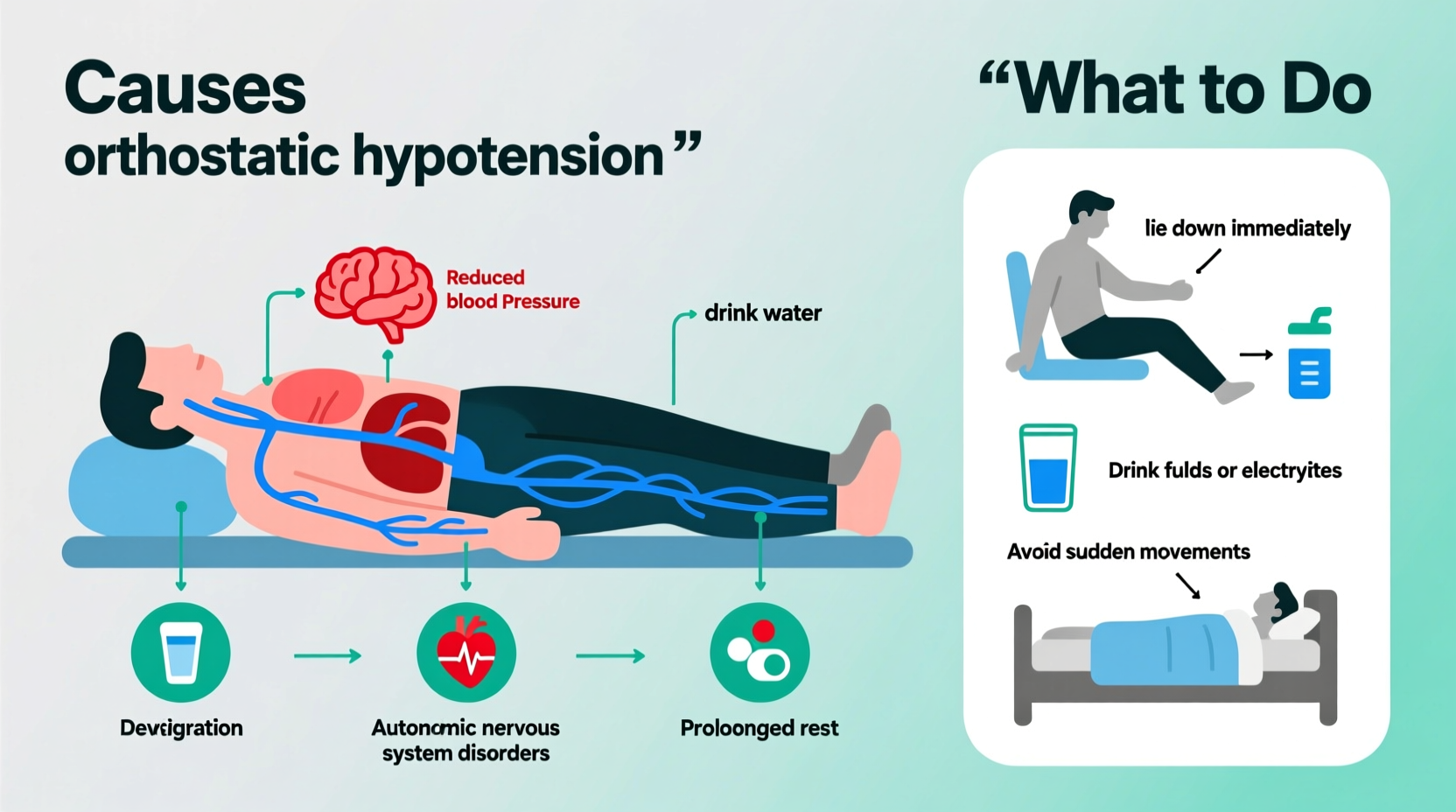
When you stand up, gravity pulls blood downward into your legs and abdomen. In response, your body automatically adjusts by increasing heart rate and constricting blood vessels to maintain steady blood flow to the brain. If this system falters—even slightly—your brain may receive less oxygen than usual, leading to symptoms like dizziness, blurred vision, weakness, or even fainting.
This condition is medically known as orthostatic hypotension (also called postural hypotension), defined as a drop in systolic blood pressure of at least 20 mm Hg or diastolic pressure of 10 mm Hg within three minutes of standing.
Tip: If you feel lightheaded after standing, sit back down immediately and wait a few moments before trying again.Common Causes of Dizziness When Standing Up
Lightheadedness upon standing isn’t a diagnosis—it’s a symptom with multiple potential causes. Some are temporary and easily corrected; others may point to chronic conditions requiring medical attention.
- Dehydration: Insufficient fluid intake reduces blood volume, making it harder for the body to regulate blood pressure during position changes.
- Medications: Diuretics, blood pressure drugs, antidepressants, and Parkinson’s medications can interfere with blood pressure regulation.
- Aging: The body's ability to respond quickly to posture changes declines with age, increasing susceptibility.
- Prolonged bed rest: Extended inactivity weakens circulatory reflexes.
- Heart conditions: Arrhythmias, heart failure, or valve problems can impair circulation.
- Nervous system disorders: Diseases like Parkinson’s, diabetes-related neuropathy, or multiple system atrophy disrupt autonomic control.
- Anemia: Low red blood cell count reduces oxygen delivery, amplifying dizziness.
- Postprandial hypotension: Blood pressure drops after eating, particularly in older adults.
“Orthostatic hypotension is more than just a minor inconvenience—it’s a warning sign that should prompt evaluation, especially if recurrent.” — Dr. Laura Simmons, Neurologist & Autonomic Specialist
What You Can Do: Immediate and Long-Term Strategies
Managing lightheadedness starts with recognizing triggers and taking preventive action. Whether your symptoms stem from dehydration or medication side effects, small lifestyle adjustments can make a meaningful difference.
Step-by-Step Guide to Safer Position Changes
- Sit up slowly: After lying down, first roll to your side, then dangle your legs over the edge of the bed for 30–60 seconds before standing.
- Contract leg muscles: Before rising, tighten your calf and thigh muscles to help push blood upward.
- Rise gradually: Use arms to assist and avoid sudden movements.
- Pause and stabilize: Stand still for 10–15 seconds before walking.
- Stay hydrated: Drink water throughout the day, especially in hot weather or after exercise.
When to See a Doctor
Occasional mild dizziness may resolve on its own, but certain signs warrant medical evaluation:
- Frequent or worsening episodes
- Fainting or near-fainting
- Chest pain or palpitations
- Confusion or slurred speech
- Symptoms lasting more than a few minutes
Your doctor may perform a tilt-table test, check for anemia, assess medication side effects, or evaluate autonomic nervous system function. Early diagnosis can prevent complications such as falls, fractures, or reduced quality of life.
Prevention Checklist
Use this checklist to reduce your risk of lightheadedness when standing:
- ✅ Stay well-hydrated (aim for 6–8 glasses of water daily)
- ✅ Limit alcohol and caffeine, which can contribute to dehydration
- ✅ Review medications with your doctor regularly
- ✅ Rise slowly from sitting or lying positions
- ✅ Eat smaller, low-carbohydrate meals to reduce post-meal drops in blood pressure
- ✅ Wear compression stockings to improve blood return from legs
- ✅ Exercise regularly to support circulation and vascular tone
- ✅ Monitor blood pressure at home, especially if you're on medication
Do’s and Don’ts: Managing Orthostatic Symptoms
| Do’s | Don’ts |
|---|---|
| Drink extra fluids in hot weather or when ill | Stand up too quickly after resting |
| Flex legs and shift weight when standing for long periods | Ignore repeated dizziness or fainting spells |
| Use assistive devices (like grab bars) in bathrooms | Take hot showers or baths, which can lower blood pressure |
| Elevate the head of your bed slightly while sleeping | Consume large carbohydrate-heavy meals late in the day |
Real-Life Example: Managing Morning Dizziness
James, a 68-year-old retiree, began experiencing frequent dizziness upon waking. He would feel unsteady, sometimes needing to sit on the edge of the bed for several minutes before safely standing. Concerned, he tracked his symptoms and noticed they were worse on days when he hadn’t drunk enough water or had skipped breakfast.
After visiting his physician, James learned that his blood pressure medication was contributing to orthostatic hypotension. His doctor adjusted the dosage and recommended increased salt and fluid intake. James also started using compression socks and practicing slow positional changes. Within two weeks, his morning dizziness significantly improved, and he regained confidence in moving independently.
Frequently Asked Questions
Can low iron cause lightheadedness when standing?
Yes. Anemia due to low iron reduces the blood’s oxygen-carrying capacity, which can worsen dizziness upon standing. Fatigue, pale skin, and shortness of breath are other common signs of iron deficiency.
Is it normal to feel dizzy after sitting for a long time?
Mild, brief lightheadedness after prolonged sitting can happen, especially if you stand suddenly. However, persistent or severe symptoms are not normal and should be evaluated, particularly if accompanied by palpitations or vision changes.
Can exercise help with orthostatic hypotension?
Absolutely. Regular physical activity—especially aerobic and resistance training—improves circulation, strengthens blood vessels, and enhances the body’s ability to regulate blood pressure. Avoid exercising in extreme heat and always cool down gradually.
Final Thoughts: Take Control of Your Stability
Lightheadedness when standing up doesn’t have to be a routine part of your day. By understanding the causes—from dehydration to medication effects—you gain the power to make informed choices. Simple habits like staying hydrated, moving deliberately, and reviewing your medications can dramatically improve how you feel when transitioning from rest to activity.
If symptoms persist or interfere with daily life, don’t hesitate to seek medical advice. Early intervention can prevent falls and uncover treatable conditions. Your balance and independence matter.
💬 Have you experienced dizziness when standing? What helped you manage it? Share your story in the comments to help others navigate this common challenge.








