
It’s a familiar sensation: you rise from a seated position, and your knees, hips, or back emit a sharp *pop* or *crack*. Sometimes it happens once, sometimes repeatedly. For most people, it’s fleeting and painless—just one of those bodily quirks we accept without much thought. But when the popping becomes frequent or is accompanied by discomfort, concern creeps in. Is this just harmless gas release, like nitrogen bubbles bursting in a soda can? Or could it be an early warning sign of joint degeneration, inflammation, or structural damage?
The truth lies somewhere between reassurance and vigilance. Joint cavitation—the scientific term for that popping sound—is usually benign. However, context matters. Understanding the mechanics behind joint noise, recognizing red flags, and knowing when to seek help can make the difference between dismissing a normal bodily function and overlooking a developing condition.
The Science Behind Joint Popping: Cavitation Explained
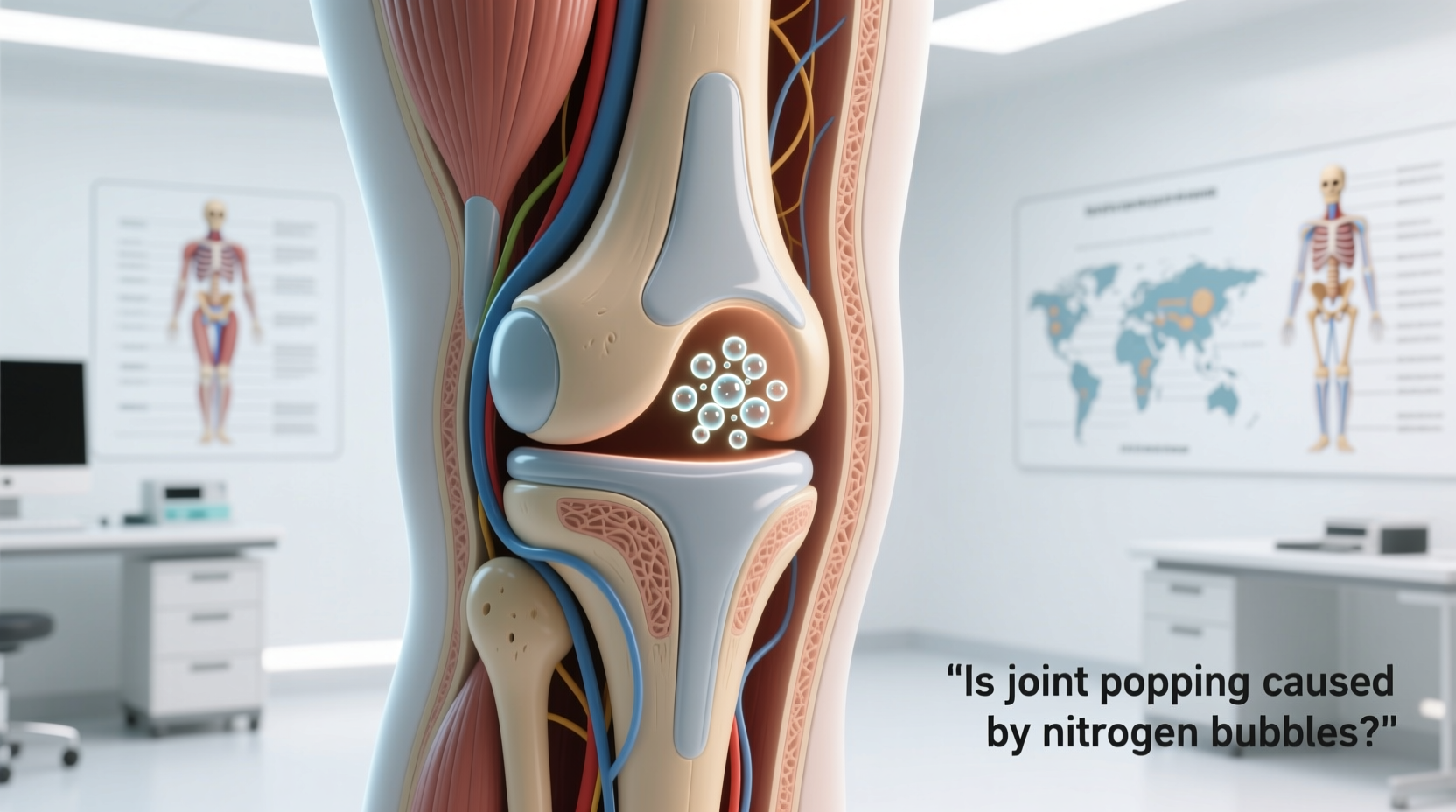
When you hear a pop in your joint, especially after sitting still or during movement, the most common explanation is **cavitation**. This phenomenon occurs within the synovial fluid—a viscous substance that lubricates joints such as the knees, hips, and fingers.
Synovial fluid contains dissolved gases, primarily oxygen, carbon dioxide, and nitrogen. When a joint is stretched or moved suddenly—like when you stand up after prolonged sitting—the pressure inside the joint capsule drops rapidly. This sudden pressure change causes dissolved gases to form tiny bubbles that coalesce and then collapse almost instantly, producing the audible pop.
This process is entirely natural and not harmful. In fact, it’s the same mechanism exploited during chiropractic adjustments. Once a joint has cavitated, it typically takes 15 to 30 minutes for the gases to re-dissolve before another pop can occur.
“Joint cracking due to cavitation is normal and does not cause arthritis, despite popular myths.” — Dr. Alan Roth, Rheumatologist, Johns Hopkins Medicine
When Joint Popping Isn’t Just Gas: Other Causes
While nitrogen bubble formation explains many cases, it doesn't account for all joint noises. Some sounds stem from mechanical issues rather than gas release. These include:
- Tendon or ligament snapping: Tendons and ligaments can shift slightly over bony protrusions during movement. As they snap back into place, they create a clicking or popping sensation—common in the hip (iliotibial band) or ankle.
- Cartilage wear (crepitus): Roughened cartilage surfaces, often due to osteoarthritis, can produce grinding, grating, or crackling sounds during motion. Unlike cavitation, this type of noise tends to be repetitive and may worsen with activity.
- Meniscus tears or labral injuries: Injuries to soft tissues in the knee or shoulder can lead to catching, locking, or popping sensations, especially with twisting motions.
- Joint instability: Ligament laxity or previous dislocations can allow excessive movement, resulting in audible shifts.
These mechanical sources differ from gas-related pops because they are often reproducible with specific movements and may persist regardless of rest duration.
Tip: If your joint pops only once per movement cycle and doesn’t recur immediately upon repetition, it’s likely cavitation. Repeated popping suggests a mechanical cause.Red Flags: When Popping Signals Something Worse
Most joint noise is innocent. But certain symptoms should prompt medical evaluation. Consider these warning signs:
| Symptom | What It Might Indicate | Action Step |
|---|---|---|
| Pain during or after popping | Inflammation, injury, or degenerative joint disease | See a healthcare provider for imaging or assessment |
| Swelling or warmth around the joint | Synovitis, infection, or autoimmune arthritis | Seek prompt medical attention |
| Joint locking or catching | Meniscus tear, loose body, or labral tear | Orthopedic evaluation recommended |
| Weakness or instability | Ligament damage or neuromuscular dysfunction | Physical therapy or specialist referral |
| Progressive stiffness or reduced range of motion | Osteoarthritis or inflammatory joint disease | Early diagnosis improves long-term outcomes |
For example, a middle-aged individual who experiences knee popping while standing, combined with increasing stiffness and morning ache, may be showing early signs of osteoarthritis. Conversely, a young athlete with hip snapping during squatting might have external coxa saltans—snapping hip syndrome—caused by the iliotibial band flicking over the femur.
Mini Case Study: Sarah’s Morning Knee Pop
Sarah, a 48-year-old office worker, noticed her right knee began making a loud pop every time she stood up from her desk chair. At first, it was painless and occurred only once daily. Over three months, however, the pop became louder, happened multiple times per day, and started being followed by a dull ache behind the kneecap.
She consulted a physical therapist, who identified weakness in her quadriceps and mild patellar tracking issues. An X-ray later revealed early cartilage thinning consistent with stage-one osteoarthritis. With targeted strengthening exercises, ergonomic adjustments, and weight management, Sarah reduced both the frequency of popping and her discomfort significantly within eight weeks.
Her case illustrates how seemingly minor joint noise can evolve into a clinical issue if underlying biomechanical stressors aren’t addressed.
How to Reduce Harmless Joint Popping and Protect Joint Health
Even if your joint pops are currently pain-free, proactive care can prevent future problems. Joints endure cumulative stress over time, and small imbalances can escalate into chronic conditions.
- Maintain joint mobility: Gentle stretching and dynamic warm-ups before standing or exercising help synovial fluid circulate and reduce stiffness.
- Strengthen supporting muscles: Strong muscles around joints—such as the glutes for hips or quads for knees—improve stability and alignment, reducing abnormal stresses.
- Avoid prolonged static postures: Sitting for hours increases joint compression. Stand, stretch, or walk briefly every 30–60 minutes.
- Stay hydrated: Synovial fluid production depends on adequate hydration. Chronic dehydration may impair joint lubrication.
- Use proper body mechanics: Rise from chairs using leg strength rather than jerking upward, which places uneven loads on joints.
Checklist: Daily Habits for Healthy Joints
- ✅ Take a 2-minute movement break every hour if sitting
- ✅ Perform gentle joint circles (ankles, knees, wrists) in the morning
- ✅ Hydrate with at least 8 glasses of water daily
- ✅ Incorporate bodyweight squats or step-ups 3x/week
- ✅ Use supportive footwear, especially if standing for long periods
- ✅ Monitor any new or worsening joint symptoms weekly
Debunking Common Myths About Joint Cracking
Despite decades of research, misconceptions persist about joint noise and its consequences.
- Myth: Cracking your knuckles causes arthritis.
Fact: Multiple studies, including a well-known self-experiment by Dr. Donald Unger (who cracked only one hand for over 60 years), show no increased risk of arthritis from habitual knuckle cracking. - Myth: All joint popping means something is wrong.
Fact: Isolated, painless pops are common and normal, especially in flexible individuals or after rest. - Myth: You need to “reset” a joint that pops.
Fact: Chiropractic or manual adjustments may relieve symptoms temporarily, but they’re unnecessary unless functional issues exist.
However, while occasional self-adjustment isn’t harmful, forceful manipulation or aggressive stretching to induce pops can strain ligaments or irritate nerves. Let movement happen naturally.
Frequently Asked Questions
Is nitrogen really responsible for joint popping?
Yes, nitrogen is the primary gas involved in joint cavitation. Rapid pressure changes in synovial fluid cause nitrogen bubbles to form and collapse, creating the popping sound. MRI studies have visually confirmed this process in real time.
Can joint popping lead to arthritis?
No, there is no evidence that painless joint cracking causes arthritis. Osteoarthritis results from cartilage degeneration due to age, injury, genetics, or overuse—not from gas release in joints. However, if popping is associated with joint damage, the underlying condition (not the sound) may progress to arthritis.
Should I see a doctor if my back pops when I stand?
If the popping is isolated, painless, and not associated with numbness, weakness, or restricted movement, it’s likely benign. However, if you experience radiating pain, muscle spasms, or loss of control over bladder or bowel function, seek immediate medical evaluation, as these could indicate spinal nerve compression.
Conclusion: Listen to Your Body, Not Just the Sounds
Your joints will make noises throughout life. Most of the time, a pop when standing is nothing more than physics in action—nitrogen bubbles forming and collapsing in response to movement. But your body communicates through more than sound. Pain, swelling, instability, and progressive stiffness are signals worth heeding.
Understanding the difference between normal physiology and potential pathology empowers you to take timely action. Whether it’s adjusting your workstation, adding strength training, or scheduling a check-up, small steps today can preserve joint function for decades.
💬 Have a question about your joint popping? Experiencing symptoms you're unsure about? Share your story in the comments—our community and experts are here to help.








