
Finding a single white eyelash can be surprising, especially if you're otherwise young or in good health. While it may look unusual, a lone white eyelash is usually not a cause for alarm. Hair pigmentation changes occur naturally, and eyelashes are no exception. However, understanding the underlying reasons—ranging from natural aging to medical conditions—can help determine whether action is needed.
This article explores the science behind eyelash pigmentation, identifies common and rare causes of a white eyelash, and provides practical guidance on when to monitor, treat, or seek professional advice.
How Eyelash Pigmentation Works
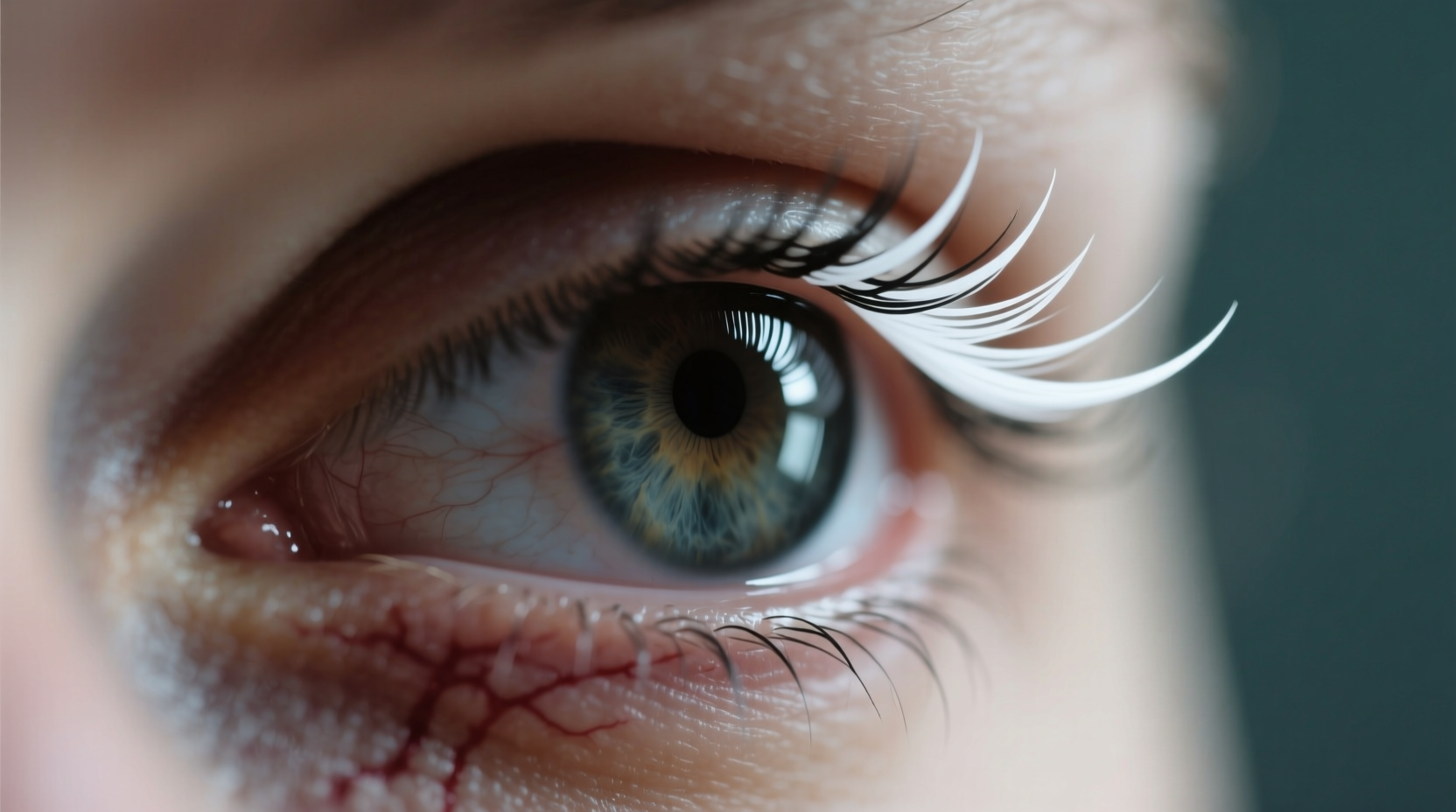
Eyelash color, like all hair, is determined by melanin—the pigment produced by melanocyte cells in hair follicles. Two types of melanin influence color: eumelanin (responsible for brown-black tones) and pheomelanin (associated with red-yellow hues). As we age, melanocyte activity slows, leading to reduced pigment production and gray or white hairs.
Eyelash follicles are particularly sensitive due to their small size and proximity to delicate eye tissues. A single follicle may lose pigment independently of others, resulting in just one white lash. This localized depigmentation often appears before widespread graying occurs elsewhere on the body.
“Hair follicle pigmentation isn’t uniform across the body. It’s entirely possible—and normal—for one eyelash to turn white while others remain dark.” — Dr. Lena Torres, Dermatologist & Hair Specialist
Common Causes of a Single White Eyelash
- Natural Aging: Even in your 20s or 30s, isolated gray or white hairs—including eyelashes—can appear as part of early aging.
- Genetics: If your parents or grandparents experienced early graying, you may inherit the same pattern, including in eyelashes.
- Oxidative Stress: Environmental factors like UV exposure, pollution, and poor diet increase free radicals, which can damage melanocytes over time.
- Mild Trauma or Irritation: Repeated rubbing, improper makeup removal, or eyelash extensions may injure a follicle, temporarily affecting pigment production.
- Nutritional Deficiencies: Low levels of vitamin B12, copper, iron, or protein can impair melanin synthesis.
Rare but Important Medical Conditions
While most cases are benign, a solitary white eyelash can occasionally signal an underlying condition, especially if accompanied by other symptoms.
| Condition | Description | Associated Symptoms |
|---|---|---|
| Vitiligo | An autoimmune disorder causing loss of skin and hair pigment. | Patches of lighter skin near eyes or face; multiple depigmented lashes. |
| Premature Aging Syndromes | Rare genetic disorders like Werner syndrome that accelerate aging. | Early graying of scalp hair, cataracts, skin changes (typically diagnosed in youth). |
| Piebaldism | A congenital condition causing white patches of hair and skin from birth. | White forelock or eyebrow segment; present since childhood. |
| Poliosis | Localized loss of hair pigment, often affecting eyebrows, eyelashes, or scalp. | One or more white lashes or eyebrow hairs; may be isolated or widespread. |
Poliosis, in particular, refers specifically to patches of white hair due to absent melanin. It can be congenital or acquired. Acquired poliosis may be linked to inflammation, trauma, or autoimmune diseases such as alopecia areata or thyroid disorders.
What You Can Do: Practical Steps and Care
In most cases, a single white eyelash requires no treatment. However, if you’re concerned or notice changes, consider the following steps.
Step-by-Step Guide: Responding to a White Eyelash
- Observe Over Time: Monitor whether additional lashes turn white or if skin pigmentation changes occur nearby.
- Assess Lifestyle Factors: Evaluate stress levels, sleep quality, diet, and eye-area habits (e.g., use of extensions or waterproof mascara).
- Improve Nutrition: Incorporate foods rich in B vitamins, copper, zinc, and antioxidants—such as leafy greens, nuts, eggs, and seafood.
- Practice Gentle Eye Care: Use non-irritating makeup removers and avoid excessive rubbing or tugging.
- Consult a Professional: See a dermatologist if multiple lashes turn white, or if you develop skin discoloration, vision issues, or inflammation.
Mini Case Study: Sarah’s Experience
Sarah, a 28-year-old graphic designer, noticed one white eyelash while applying mascara. Initially alarmed, she began tracking her health habits. She realized she had been under high stress, sleeping poorly, and consuming few animal proteins—key sources of B12. After adjusting her diet and reducing screen time before bed, she didn’t experience further changes over six months. Her dermatologist confirmed the single white lash was likely due to mild oxidative stress and genetics, requiring no intervention.
Sarah’s case illustrates how lifestyle plays a role—even in subtle changes like eyelash color—and how informed observation can prevent unnecessary anxiety.
When to Worry: Red Flags
While one white eyelash is typically harmless, certain signs warrant medical evaluation:
- Multiple white eyelashes appearing rapidly
- Changes in vision or eye discomfort
- White patches on the skin around the eyes
- Lash thinning or loss alongside whitening
- A family history of autoimmune or pigment disorders
If any of these accompany the white lash, schedule an appointment with a dermatologist or ophthalmologist. They may perform a dermoscopy exam or blood tests to rule out conditions like vitiligo or thyroid dysfunction.
FAQ
Can stress really cause a white eyelash?
Yes. Chronic stress increases oxidative stress in the body, which can affect melanocyte function. While one-off stress is unlikely to cause immediate whitening, prolonged emotional or physical strain may contribute over time.
Is it safe to dye a white eyelash?
Generally not recommended. The eye area is highly sensitive, and standard hair dyes contain chemicals that can irritate the cornea or trigger allergic reactions. If appearance is a concern, consult an oculoplastic specialist for safe alternatives.
Will my white eyelash turn black again?
Possibility depends on the cause. If due to temporary factors like mild trauma or nutritional deficiency, pigment may return after healing or correction. However, if melanocyte loss is permanent, the lash will likely stay white. New lashes that grow in may still be pigmented normally.
Checklist: What to Do When You Find a White Eyelash
- ✅ Stay calm—this is usually normal
- ✅ Check for additional white lashes or skin changes
- ✅ Review recent habits: stress, sleep, diet
- ✅ Avoid plucking or tweezing the lash
- ✅ Improve nutrition with B12, copper, and antioxidant-rich foods
- ✅ Schedule a dermatology visit if changes progress
Conclusion
A single white eyelash is far more common than most people realize and is often a benign sign of natural biological variation. Whether influenced by genetics, aging, or lifestyle, it rarely indicates serious health trouble. By understanding the causes and monitoring for accompanying symptoms, you can respond wisely without undue worry.
💬 Have you noticed a white eyelash? Did it change over time? Share your experience in the comments—your story could help others feel more informed and less alone.