Nail changes often go unnoticed until they become visually apparent or start causing discomfort. One such change is when fingernails begin to curve downward, forming a pronounced arc from base to tip. While slight curvature is normal, a deep downward curve—sometimes resembling a hook—can signal underlying health issues or natural aging processes. Understanding the reasons behind this condition and knowing how to respond can help maintain both nail integrity and overall well-being.
Understanding Nail Anatomy and Normal Curvature
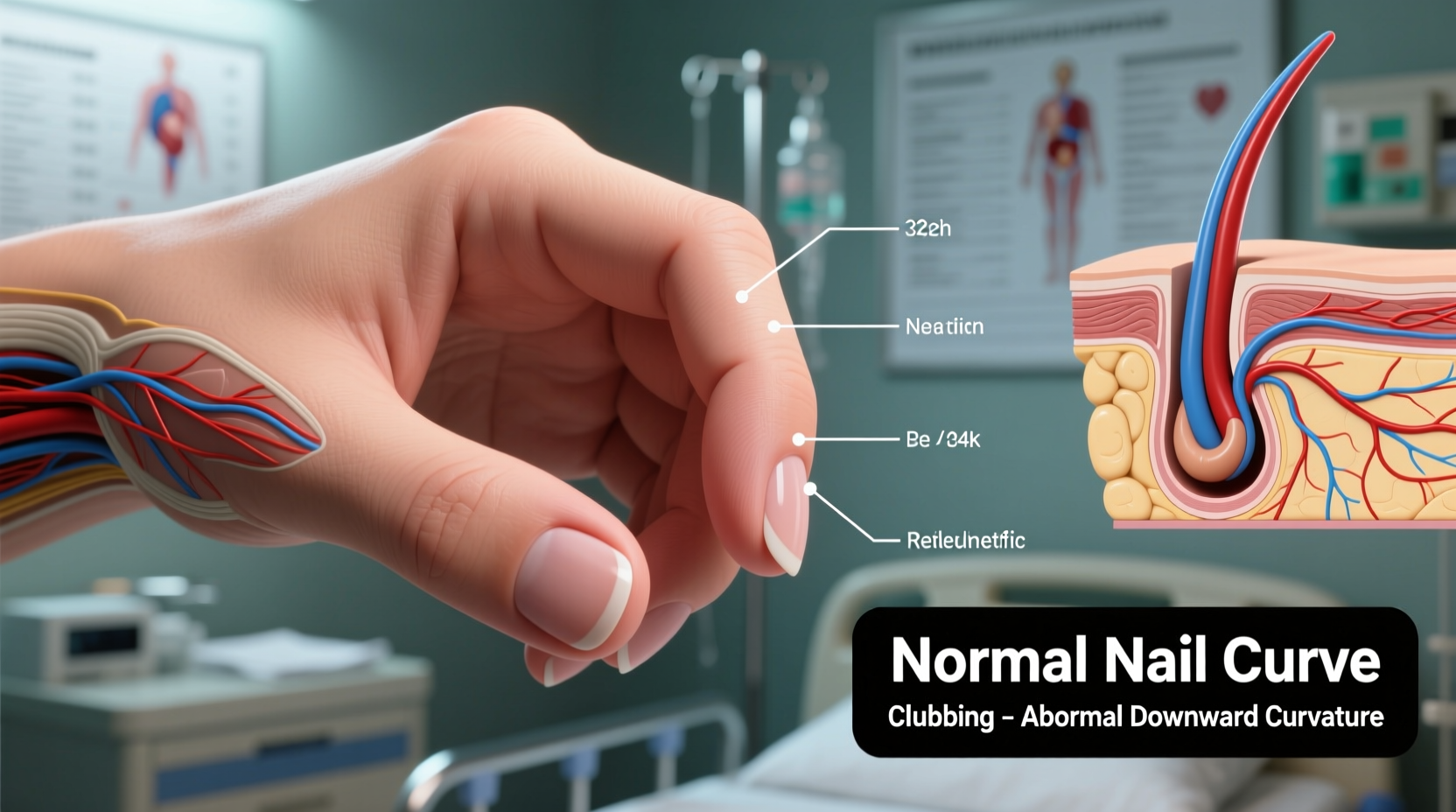
Fingernails are made of keratin, a tough protein also found in hair and skin. The visible part of the nail, called the nail plate, grows forward from the nail matrix beneath the cuticle. A healthy nail typically has a gentle convex curve across its width and a subtle arch from base to tip. This shape helps distribute pressure during daily use and supports fingertip sensitivity.
However, when the longitudinal curve (from cuticle to free edge) becomes exaggerated, it may indicate a deviation from normal growth patterns. This condition is medically referred to as koilonychia in cases of concave nails, but more commonly associated with downward-curving nails is onychogryphosis or simply age-related nail dystrophy.
Common Causes of Downward-Curving Fingernails
A variety of factors contribute to increased nail curvature over time. Some are benign and related to aging, while others point to systemic conditions that require medical attention.
Aging and Natural Nail Changes
As people age, nail growth slows, and structural changes occur. The nail matrix may lose elasticity, leading to thicker, more rigid nails that grow unevenly. This often results in a downward curl, especially in older adults. Reduced blood flow and cumulative microtrauma from years of use also play roles.
Tip: Regular trimming and filing can help manage age-related nail thickening and prevent painful ingrown edges.Poor Circulation and Vascular Issues
Inadequate blood supply to the fingertips can impair nail matrix function. Conditions like peripheral artery disease (PAD), diabetes, or Raynaud’s phenomenon may reduce oxygen and nutrient delivery, altering nail shape and texture. In these cases, downward-curving nails may appear alongside discoloration, brittleness, or slow healing.
Nutritional Deficiencies
Deficiencies in key nutrients—especially iron, biotin, zinc, and protein—can weaken the nail structure. Iron deficiency anemia, for example, is classically linked with koilonychia (spoon-shaped nails), but chronic malnutrition can also lead to irregular growth patterns, including excessive downward curvature.
Trauma and Repetitive Stress
Frequent pressure on the fingertips—such as from typing, playing musical instruments, or manual labor—can distort nail growth over time. Repeated minor injuries to the matrix may cause the nail to thicken and curl downward as a protective adaptation.
Underlying Medical Conditions
Certain diseases are strongly associated with nail deformities:
- Lung diseases: Chronic hypoxia (low oxygen) from COPD or pulmonary fibrosis can lead to clubbing, where nails become rounded and curved both vertically and horizontally.
- Skin disorders: Psoriasis and lichen planus can disrupt the nail bed, resulting in pitting, separation, and abnormal curvature.
- Fungal infections (onychomycosis): These cause thickening, discoloration, and distortion, often making nails lift and curl at the edges.
“Nails are windows to systemic health. A sudden or severe change in nail shape warrants evaluation—not just for cosmetic concerns, but for potential internal disease.” — Dr. Linda Chen, Dermatologist and Nail Specialist
When to Seek Medical Attention
Not all nail curvatures require intervention, but certain signs should prompt a visit to a healthcare provider:
- Rapid progression of the curve within months
- Pain, swelling, or redness around the nail
- Thickened, yellowed, or crumbly nails (possible fungal infection)
- Associated symptoms like fatigue, shortness of breath, or cold extremities
- History of diabetes, heart disease, or autoimmune disorders
If clubbing is suspected—where the angle between the nail and cuticle increases beyond 180 degrees and the fingertip appears bulbous—a full medical workup may be necessary to rule out lung or heart conditions.
Step-by-Step Guide to Managing Curved Nails
Whether due to aging or mild trauma, many cases of downward-curving nails can be managed at home with proper care. Follow this timeline for best results:
- Week 1: Assess and Document
Take close-up photos of your nails from multiple angles. Note any pain, thickness, or color changes. Track habits like hand use, hygiene, and diet. - Week 2–3: Optimize Nail Care Routine
Trim nails straight across using sharp clippers. File gently with a fine-grit file to smooth edges. Avoid cutting too short to prevent irritation. - Week 4: Begin Moisturizing and Strengthening
Apply a urea- or lactic acid-based cream daily to soften thickened areas. Use a nail-strengthening treatment containing calcium or hydroxyapatite if nails are brittle. - Month 2: Evaluate Progress
Compare new photos with baseline images. If no improvement—or if symptoms worsen—schedule a dermatology appointment. - Ongoing: Prevent Recurrence
Wear gloves during wet work or cold weather. Maintain a balanced diet rich in protein, iron, and vitamins. Monitor for new symptoms.
Tips for Daily Nail Health
Tip: Soak nails in warm olive oil for 10 minutes weekly to improve flexibility and hydration, especially in dry or cold climates.Do’s and Don’ts: Nail Care Best Practices
| Do’s | Don’ts |
|---|---|
| Trim nails regularly with clean tools | Don’t tear or bite nails |
| Moisturize hands and nails daily | Don’t use nails as tools (e.g., opening cans) |
| Wear protective gloves when cleaning | Don’t apply acrylics or gels on already damaged nails |
| Eat a protein-rich diet with leafy greens | Don’t ignore persistent pain or discoloration |
Mini Case Study: John’s Experience with Nail Changes
John, a 68-year-old retired carpenter, noticed his right thumbnail had begun curving sharply downward over six months. It became difficult to wear gloves and caused discomfort when pressing objects. He initially dismissed it as “old age,” but after developing mild swelling and yellow streaks, he consulted a dermatologist.
Testing revealed a fungal infection compounded by minor trauma from decades of tool use. He was prescribed a topical antifungal and advised on proper filing techniques. Within four months, with consistent treatment and protection, the new nail grew in straighter and healthier. His case highlights how occupational stress and infection can combine to alter nail shape—and how early intervention prevents complications.
FAQ
Can curved fingernails be reversed?
In some cases, yes. If the cause is treatable—like a fungal infection or nutritional deficiency—correcting the underlying issue can allow healthier nails to grow in over several months. However, age-related changes may not fully reverse but can be managed with care.
Are downward-curving nails always a sign of illness?
No. Mild curvature is common with aging and doesn’t necessarily indicate disease. But sudden, severe, or painful changes—especially with other symptoms—should be evaluated by a professional.
What vitamin deficiency causes nail deformities?
Iron deficiency is most commonly linked to spoon-shaped nails (koilonychia), while lack of biotin, vitamin B12, or protein can lead to brittleness, ridges, or irregular growth, including downward curling.
Conclusion: Take Action for Healthier Nails
Downward-curving fingernails are more than a cosmetic concern—they can reflect deeper health patterns, lifestyle habits, or the natural aging process. By understanding the causes and taking proactive steps, you can preserve nail function and detect potential issues early. Simple actions like proper trimming, moisturizing, and nutritional balance go a long way. When in doubt, seek expert advice; your nails might be telling you something important.
🚀 Your nails grow slowly—but consistently. Start caring for them today, and the results will show in months. Share your experience or ask questions below to connect with others focused on holistic hand health.








