
Cats have long fascinated humans with their mysterious behaviors—pouncing on invisible prey, kneading soft surfaces, and, perhaps most endearingly, squeezing into cardboard boxes far too small for them. It’s a common sight: a cat curled up in a shipping box, an old shoebox, or even a cereal container. While it may seem whimsical, this behavior is deeply rooted in feline psychology and biology. Far from being random quirks, these actions serve real purposes tied to survival instincts, emotional regulation, and physical comfort.
Understanding why cats are drawn to boxes isn’t just about satisfying curiosity—it can also help pet owners create better environments for their cats, especially in stressful situations like moving, introducing new pets, or visiting the vet.
The Science Behind Box-Loving Behavior
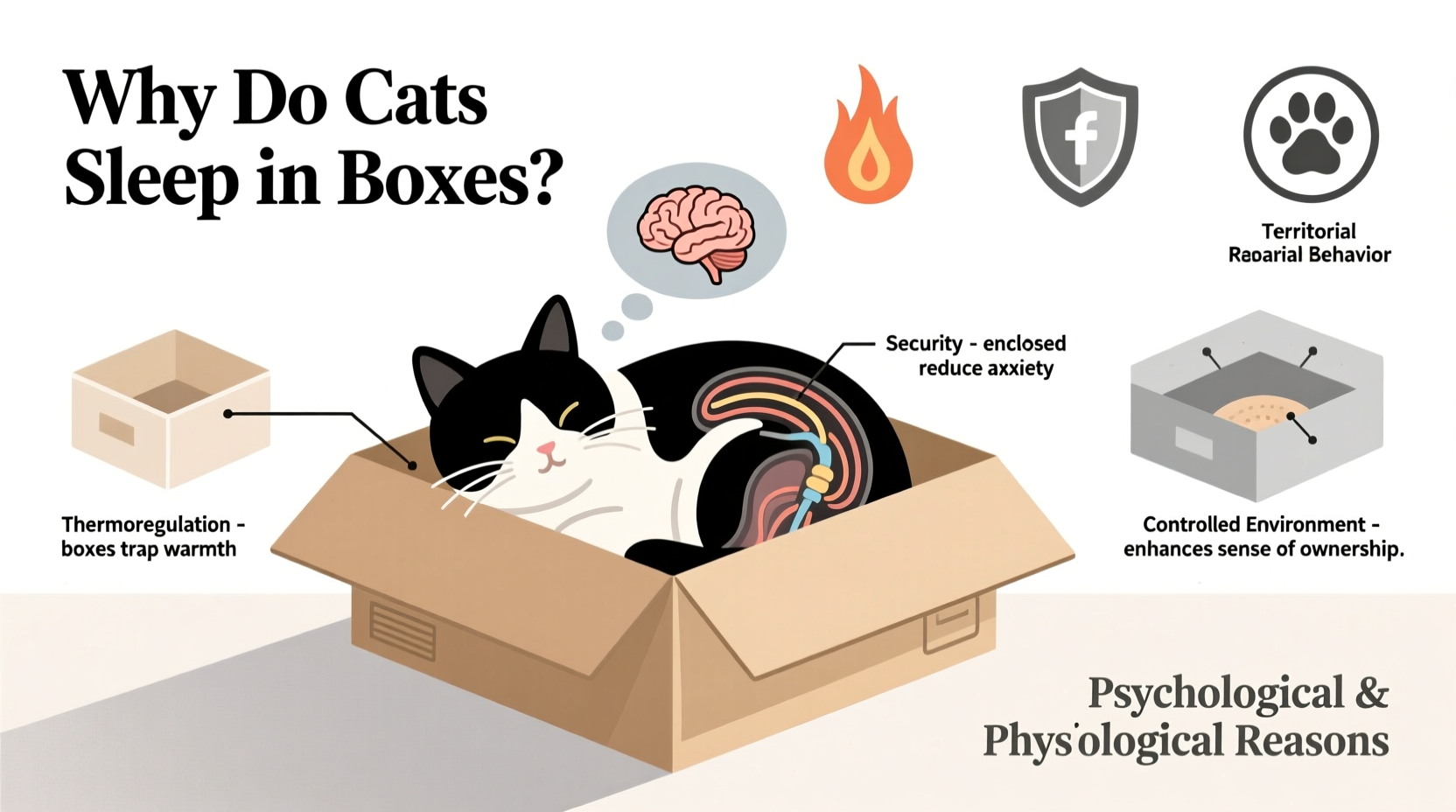
Cats are ambush predators by nature. In the wild, they rely on stealth and concealment to hunt and avoid becoming prey themselves. Enclosed spaces mimic the natural shelters cats would seek in the wild—rock crevices, hollow logs, or dense underbrush. A box provides visual cover, reducing exposure and creating a sense of security.
Research supports this instinctual drive. A 2014 study conducted at Utrecht University in the Netherlands observed shelter cats given access to cardboard boxes as hiding places. The results were striking: cats with boxes adjusted to their new environment significantly faster and showed lower stress levels than those without. The researchers concluded that \"hiding is a coping mechanism in stressful situations.\"
“Providing hiding opportunities should be considered essential in any animal housing system.” — Dr. Claudia Vinke, Veterinary Ethologist, Utrecht University
This insight reveals that boxes aren’t just cozy—they’re functional tools for emotional regulation. When a cat retreats into a box, it’s not merely napping; it’s managing anxiety, processing stimuli, and regaining a sense of control.
Thermoregulation and Physical Comfort
Beyond psychology, there’s a physiological explanation for the box obsession. Cats prefer warmer ambient temperatures than humans—typically between 86°F and 97°F (30°C–36°C). Cardboard is an excellent insulator, trapping body heat and creating a microclimate that helps cats maintain their ideal temperature.
Domestic cats retain many traits from their desert-dwelling ancestors, such as the African wildcat (*Felis lybica*), which evolved to conserve heat during cold desert nights. Even indoor cats, well-fed and pampered, still operate under these biological imperatives. A snug box minimizes exposed surface area, reducing heat loss and allowing the cat to enter deep, restorative sleep more easily.
Tip: In colder months, place a soft blanket inside a sturdy box to enhance warmth and comfort—your cat will appreciate the upgrade.Predatory Instincts and Environmental Control
A box isn’t just a bed—it’s a vantage point. From within its cardboard fortress, a cat can observe its surroundings while remaining hidden. This dual function of safety and surveillance aligns perfectly with feline predatory instincts. Even well-fed house cats exhibit hunting behaviors because these are hardwired, not learned.
In multi-pet households, boxes can serve as neutral territories or safe zones during social tension. A cat feeling threatened by a new dog or another cat may retreat into a box to reestablish personal space. The enclosed walls provide a buffer against perceived threats, reducing the need for confrontation.
Interestingly, cats often prefer boxes over expensive cat beds. Why? Because commercial beds rarely offer the same level of enclosure and insulation. Open plush beds may look inviting to humans, but they leave cats feeling exposed. A high-sided or covered bed can be a good alternative—but nothing beats the humble cardboard box in terms of accessibility and appeal.
Stress Reduction and Emotional Security
Cats are highly sensitive to environmental changes. Moving homes, loud noises, guests, or even rearranged furniture can trigger anxiety. In such moments, a simple box becomes a refuge—a predictable, controllable space where the outside world feels less overwhelming.
The act of hiding itself has calming neurological effects. When a cat enters a confined space, its heart rate and cortisol levels tend to decrease. This response mirrors how humans might seek solitude in a quiet room during stress. For cats, the box acts as a “safe base” from which they can assess danger before re-engaging with their environment.
Veterinarians and animal behaviorists often recommend using boxes in clinical settings. At vet clinics, placing a cardboard box in a carrier or exam room gives cats a choice—to hide or observe—which reduces fear-based aggression and improves cooperation during examinations.
Mini Case Study: The Shelter Cat Adjustment Program
In 2016, the Humane Society of Denver implemented a pilot program based on the Utrecht study. Each incoming cat was given a standard-sized cardboard box upon arrival. Staff monitored behavioral indicators such as vocalization, hiding duration, and interaction with caregivers.
Results showed that cats with boxes began approaching staff for attention 2.3 days earlier on average than those without. Aggression incidents dropped by 37%, and adoption rates increased by 15% over six months. One particularly shy tabby named Miso spent her first two days entirely inside her box—only emerging after she felt secure. By day ten, she was purring on volunteers’ laps. Her eventual adopter noted, “She still carries her box around the house. I think it reminds her she’s safe now.”
Do’s and Don��ts of Supporting Your Cat’s Box Habit
| Do | Don’t |
|---|---|
| Leave empty boxes available in quiet areas of the home | Force your cat out of a box when they’re hiding |
| Use non-toxic tape and remove staples to prevent injury | Use boxes with ink-heavy printing—some inks contain harmful chemicals |
| Rotate boxes weekly to keep novelty high | Assume all cats will love every type of box—observe individual preferences |
| Add soft bedding if your cat tolerates it | Place boxes near loud appliances or foot traffic if your cat seeks quiet |
Step-by-Step Guide: Creating the Ideal Hiding Space
- Select the right size: The box should be large enough for your cat to turn around and lie down comfortably, but small enough to feel enclosed. A general rule: if the cat can barely fit, it’s probably perfect.
- Modify ventilation: Cut small air holes near the top if the box has no opening, ensuring airflow without compromising the sense of security.
- Remove hazards: Take out plastic tape, staples, or loose strings. Sand rough edges if needed.
- Position strategically: Place the box in a low-traffic area initially, then move it gradually if your cat shows interest in other locations.
- Encourage use: Sprinkle a bit of catnip or place a familiar-smelling blanket inside. Avoid forcing entry—let curiosity lead the way.
- Monitor and refresh: Replace worn boxes every few weeks. Cats may abandon a box once it loses its novelty or becomes soiled.
When Box-Behavior Might Signal a Problem
While occasional hiding is normal, excessive or sudden withdrawal into boxes could indicate underlying issues. If a previously social cat begins spending all day in hiding, consider potential causes:
- Illness or pain (e.g., arthritis making jumps difficult)
- Environmental stressors (new pet, construction noise)
- Changes in routine or household dynamics
- Undiagnosed anxiety or past trauma
If accompanied by appetite loss, litter box avoidance, or vocalization, consult a veterinarian. Behavioral changes are often the first sign of medical problems in cats.
Frequently Asked Questions
Is it safe for cats to eat cardboard?
Occasional licking or chewing is usually harmless, but ingesting large amounts can cause gastrointestinal blockages. Monitor your cat—if they’re consuming cardboard regularly, consult a vet. This behavior may stem from boredom, nutritional deficiency, or pica (a compulsive eating disorder).
Why does my cat prefer boxes over expensive cat beds?
Most premium cat beds lack the enclosed, den-like structure cats instinctively seek. Open beds expose them to sightlines and drafts. Consider investing in covered or cave-style beds if you’d like a more durable alternative to cardboard.
Can I use plastic containers instead of boxes?
Plastic bins with lids can work, but they often don’t breathe well and may trap moisture or odors. Cardboard remains superior due to its insulating properties and natural texture. If using plastic, ensure ample ventilation and clean it frequently.
Actionable Checklist for Cat Owners
- ✅ Keep at least one empty cardboard box available in your home at all times
- ✅ Inspect boxes for sharp edges, tape, or staples before offering them
- ✅ Place boxes in quiet, low-traffic zones for maximum comfort
- ✅ Introduce new boxes gradually, especially for shy or anxious cats
- ✅ Rotate boxes weekly to maintain novelty and hygiene
- ✅ Observe your cat’s body language—hiding is healthy unless it becomes obsessive
- ✅ Consider covered cat beds as long-term alternatives to disposable boxes
Conclusion: Embracing the Quirks of Feline Psychology
The image of a cat nestled in a box is more than a viral internet meme—it’s a window into the complex inner world of felines. What appears to be a simple preference is actually a convergence of evolutionary adaptation, emotional regulation, and sensory comfort. Boxes fulfill fundamental needs that modern cat care often overlooks: security, warmth, and control over environment.
By honoring this instinct rather than dismissing it as cute nonsense, we become better guardians of our cats’ well-being. You don’t need to buy specialized gear or redesign your home. Sometimes, the best thing you can do for your cat is save a cardboard box from the recycling bin.
💬 What’s the most unusual place your cat has chosen to nap? Share your stories below—because when it comes to cats, the box is just the beginning.








