
For many people struggling with low body weight, the desire to gain mass is just as challenging—and emotionally taxing—as losing it. Despite eating what feels like large amounts of food, the scale refuses to budge. If you've been asking, \"Why can’t I gain weight?\" you're not alone. This issue affects millions worldwide, particularly those with fast metabolisms, underlying health conditions, or poor dietary habits. The truth is, healthy weight gain requires more than just eating more—it demands strategy, consistency, and an understanding of the root causes holding you back.
Common Reasons You Can’t Gain Weight
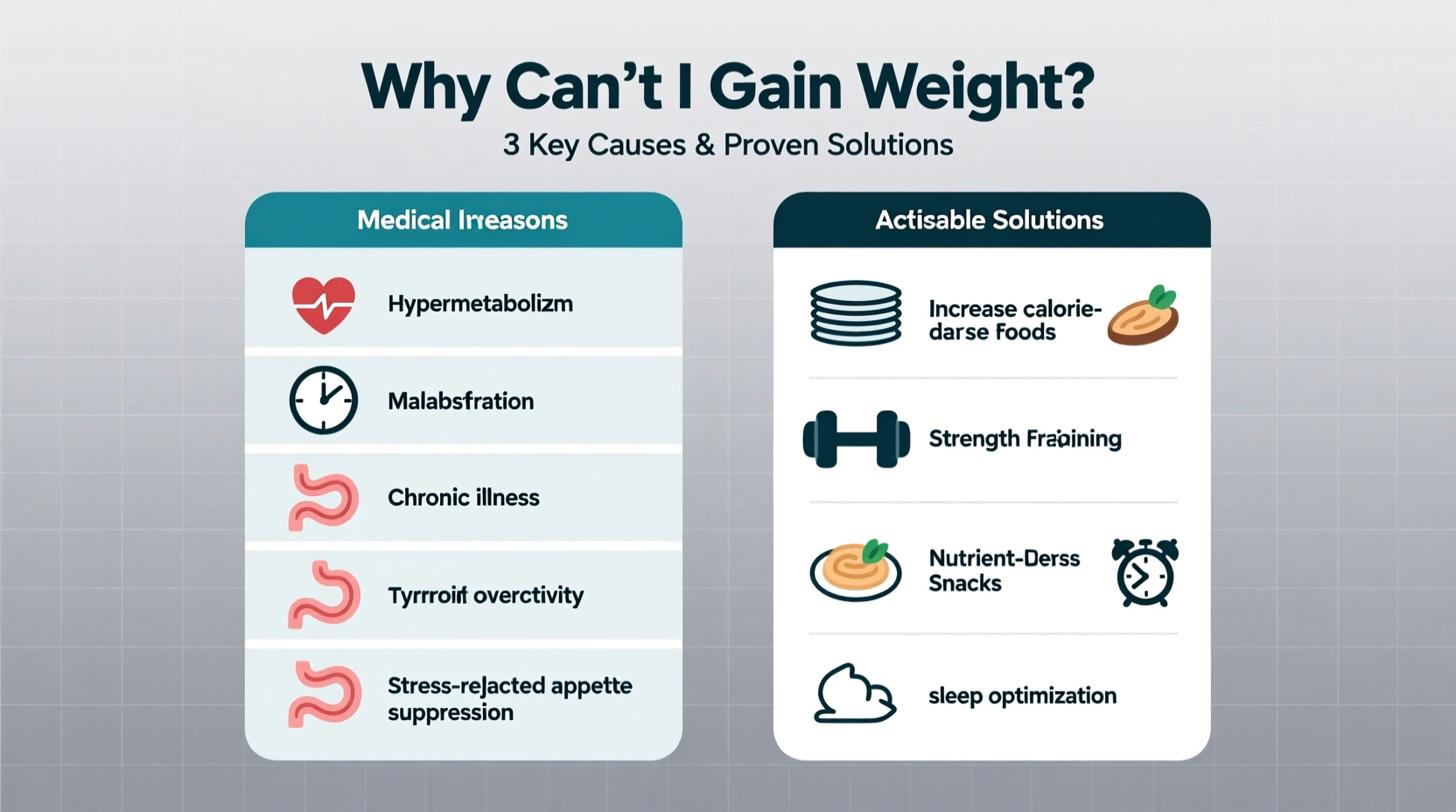
Gaining weight isn’t always a matter of willpower or appetite. Biological, psychological, and lifestyle factors often play critical roles. Understanding these can help you move from frustration to action.
- High metabolic rate: Some individuals naturally burn calories faster due to genetics or high physical activity levels.
- Poor nutrient absorption: Conditions like celiac disease, Crohn’s, or chronic pancreatitis impair the body’s ability to absorb nutrients.
- Hyperthyroidism: An overactive thyroid increases metabolism, leading to unintended weight loss or difficulty gaining.
- Chronic stress or anxiety: Elevated cortisol levels suppress appetite and increase energy expenditure.
- Inadequate caloric intake: Even if you eat frequently, the total daily calories may still fall short of what’s needed for weight gain.
- Undiagnosed medical conditions: Diabetes, parasitic infections, or cancer can interfere with weight stability.
What to Do: Science-Backed Strategies for Healthy Weight Gain
Healthy weight gain focuses on increasing muscle and body mass—not just fat. Rapid or unstructured weight gain can lead to metabolic issues or poor body composition. The goal is sustainable, nutrient-dense progress.
1. Calculate Your Caloric Needs Accurately
To gain weight, you must consume more calories than your body burns. Start by calculating your Total Daily Energy Expenditure (TDEE) using an online calculator, then add 300–500 extra calories per day. For example, if your TDEE is 2,500 kcal, aim for 2,800–3,000 kcal daily.
2. Prioritize Nutrient-Dense, Calorie-Rich Foods
Instead of relying on junk food, choose whole foods that pack both calories and nutrients:
- Nuts and nut butters (e.g., almonds, peanut butter)
- Avocados and olive oil
- Whole grains (oats, brown rice, quinoa)
- Dairy products (whole milk, Greek yogurt, cheese)
- Lean meats, eggs, and fatty fish (salmon, mackerel)
“Weight gain should be approached like athletic performance—fuel quality matters as much as quantity.” — Dr. Lena Torres, Registered Dietitian and Sports Nutrition Specialist
3. Eat Frequently and Strategically
If large meals reduce your appetite, try eating 5–6 smaller, calorie-dense meals throughout the day. Include snacks such as trail mix, smoothies, or granola with full-fat yogurt.
Step-by-Step Guide to Gaining Weight in 6 Weeks
Follow this structured plan to build momentum and track progress effectively:
- Week 1: Track current food intake and calculate average daily calories.
- Week 2: Increase calorie intake by 300/day using calorie-rich additions (e.g., add 2 tbsp peanut butter to oatmeal).
- Week 3: Introduce strength training 3x/week to stimulate muscle growth.
- Week 4: Add a bedtime snack with protein and healthy fats (e.g., cottage cheese + walnuts).
- Week 5: Adjust portions upward if weight gain stalls; reassess weekly measurements.
- Week 6: Evaluate progress—aim for 0.5–1 lb (0.2–0.5 kg) gain per week. Adjust as needed.
Do’s and Don’ts of Healthy Weight Gain
| Do’s | Don’ts |
|---|---|
| Eat every 2–3 hours to maintain energy and intake | Skip meals even if you’re not hungry |
| Combine carbs and protein post-workout for muscle recovery | Rely solely on sugary or processed foods for calories |
| Lift weights to build lean mass | Overdo cardio without adjusting calorie intake |
| Use healthy oils (olive, avocado) to boost meal calories | Ignore signs of digestive discomfort or bloating |
| Stay hydrated—but avoid drinking large amounts before meals | Expect rapid results; healthy gain takes time |
Real Example: Mark’s Journey to Gain 12 Pounds in 3 Months
Mark, a 28-year-old software developer, had struggled for years to gain weight. At 5'10\" and 135 lbs, he was underweight despite eating three full meals a day. After consulting a nutritionist, he discovered his actual daily intake was only around 2,200 calories—below his maintenance level.
He started tracking food, added two snacks and a high-calorie shake daily, and began a resistance training program. Within three months, Mark gained 12 pounds of mostly lean mass. His energy improved, and he reported better focus and confidence. The key? Consistency and structure—not magic pills or extreme eating.
When to See a Doctor
If you’ve followed a consistent weight gain plan for 8–12 weeks with no results—or if you experience symptoms like fatigue, diarrhea, unexplained fever, or pain—consult a healthcare provider. Blood tests can rule out:
- Thyroid dysfunction
- Vitamin deficiencies (especially B12, D, zinc)
- Gastrointestinal disorders
- Type 1 diabetes or malabsorption syndromes
Early diagnosis of underlying issues can make all the difference.
Frequently Asked Questions
Can you gain weight if you have a fast metabolism?
Yes. A fast metabolism doesn’t make weight gain impossible—it just means you need to consume significantly more calories than average. With proper diet and strength training, even ectomorphs can build substantial mass.
Is it safe to use weight gain supplements?
Some weight gainers are safe if used as part of a balanced diet. However, many contain excessive sugar and low-quality ingredients. Opt for those with minimal additives, or make your own using protein powder, oats, milk, and nut butter.
How important is exercise when trying to gain weight?
Exercise—specifically resistance training—is essential. Without it, excess calories may turn into fat rather than muscle. Lifting weights signals the body to build tissue, improving body composition and long-term health.
Action Plan Checklist
Use this checklist to stay on track over the next month:
- ✅ Calculate your TDEE and set a target calorie goal
- ✅ Begin food logging for at least 7 days
- ✅ Add 2 high-calorie snacks to your daily routine
- ✅ Prepare one homemade calorie-dense shake per day
- ✅ Start a basic strength training program (bodyweight or gym)
- ✅ Weigh yourself weekly at the same time
- ✅ Schedule a doctor’s visit if no progress after 2 months
Final Thoughts: Sustainable Weight Gain Is Within Reach
Gaining weight healthfully isn’t about eating everything in sight—it’s about strategic fueling, consistent effort, and addressing any hidden obstacles. Whether your challenge stems from metabolism, digestion, or simple habit gaps, solutions exist. Small, daily actions compound into meaningful change. Focus on nourishment, not just numbers. Build strength, improve energy, and support your body with what it truly needs.
🚀 Start today: Pick one tip from this article—track your calories, add a snack, or lift weights—and commit to it for the next 7 days. Progress begins with action.








