
Dry eyes affect millions of people worldwide, often disrupting daily activities like reading, driving, or working on a computer. While occasional dryness may seem minor, persistent discomfort can signal an underlying condition known as dry eye syndrome. Understanding why your eyes feel dry—what triggers it, how to recognize the symptoms, and what steps you can take—is essential for long-term comfort and eye health.
What Causes Dry Eyes?
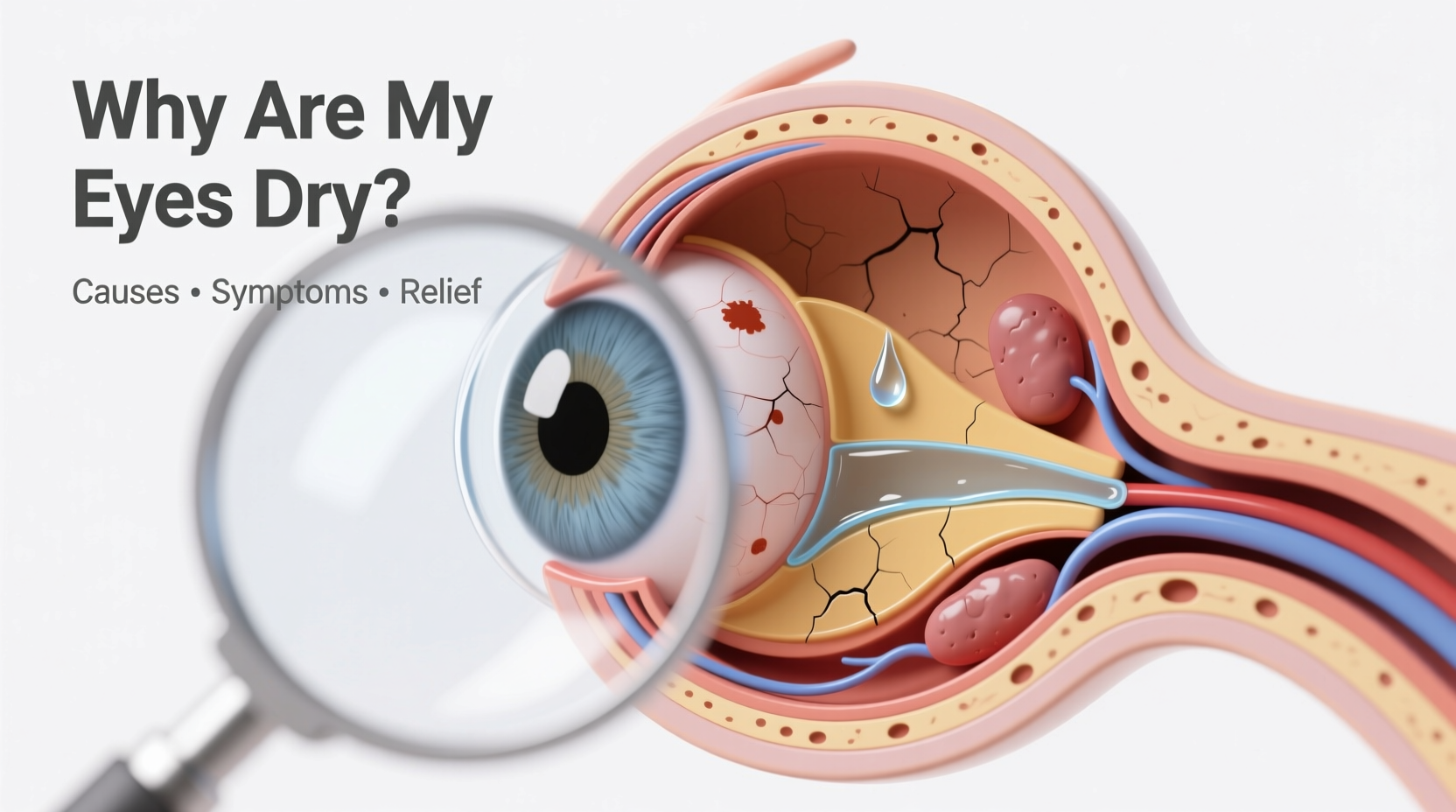
Dry eye occurs when your eyes don’t produce enough tears or when the tears evaporate too quickly. Tears are not just water; they’re a complex mixture of water, oils, mucus, and antibodies that keep the surface of your eyes smooth, clear, and protected from infection. Any disruption in this delicate balance can lead to dryness.
Common causes include:
- Aging: Tear production naturally declines with age, especially after 50.
- Environmental factors: Wind, smoke, dry air, and prolonged screen use reduce blink rate and increase tear evaporation.
- Medical conditions: Autoimmune disorders like Sjögren’s syndrome, rheumatoid arthritis, and diabetes can impair tear production.
- Medications: Antihistamines, decongestants, antidepressants, and blood pressure drugs may reduce tear secretion.
- Hormonal changes: Women undergoing menopause or taking hormonal contraceptives are more prone to dry eyes.
- Digital eye strain: Staring at screens for hours reduces blinking by up to 60%, leading to faster tear evaporation.
- Contact lens wear: Extended use can disrupt the tear film and cause irritation.
Symptoms of Dry Eye Syndrome
Dry eyes don’t always feel “dry.” In fact, some people experience excessive tearing as the eyes overcompensate for irritation. Recognizing the full range of symptoms helps in early identification and treatment.
Key signs include:
- Burning, stinging, or gritty sensation, as if sand is in the eye
- Redness and light sensitivity
- Blurred vision that improves with blinking
- Difficulty wearing contact lenses
- Eye fatigue after reading or screen use
- Stringy mucus around the eyes
- Paradoxical watery eyes due to reflex tearing
“Dry eye isn’t just about discomfort—it can impact visual clarity and quality of life. Chronic cases may even damage the cornea if left untreated.” — Dr. Lena Patel, Ophthalmologist and Cornea Specialist
Effective Relief Strategies
Treatment depends on the severity and underlying cause. Mild cases often respond well to lifestyle adjustments, while moderate to severe dry eye may require medical intervention.
Lifestyle and Home Remedies
Simple changes can significantly improve symptoms:
- Take regular breaks from screens using the 20-20-20 rule: every 20 minutes, look at something 20 feet away for 20 seconds.
- Stay hydrated by drinking plenty of water throughout the day.
- Use artificial tears (preservative-free for frequent use) to supplement natural tear production.
- Apply warm compresses to the eyelids to unclog oil glands and improve tear quality.
- Wear wraparound sunglasses outdoors to shield eyes from wind and debris.
Medical Treatments
For persistent dry eye, consult an eye care professional. Options include:
- Prescription eye drops: Cyclosporine (Restasis) or lifitegrast (Xiidra) help reduce inflammation and boost tear production.
- Punctal plugs: Tiny devices inserted into tear ducts to block drainage and keep tears on the eye longer.
- Intense Pulsed Light (IPL) therapy: Used for meibomian gland dysfunction, this treatment improves oil gland function.
- Oral supplements: Omega-3 fatty acids (from fish oil or flaxseed) may improve tear quality in some patients.
Dos and Don’ts of Managing Dry Eyes
| Do | Don’t |
|---|---|
| Blink consciously during screen use | Rub your eyes when they itch |
| Use preservative-free artificial tears | Use redness-relief drops regularly—they can worsen dryness |
| Keep your eyelids clean with gentle wipes | Sleep with contacts in |
| Position computer screens below eye level | Expose eyes to direct airflow from fans or heaters |
| Follow up with your eye doctor annually | Ignore worsening symptoms or vision changes |
Real-Life Example: Sarah’s Journey with Dry Eye
Sarah, a 42-year-old graphic designer, began experiencing persistent eye discomfort after transitioning to full-time remote work. Long hours in front of dual monitors, combined with central heating in her home office, left her eyes feeling gritty and tired by midday. She initially dismissed it as screen fatigue but noticed her vision would blur intermittently, especially during video calls.
After visiting an optometrist, she was diagnosed with mild dry eye syndrome linked to reduced blink rate and environmental dryness. Her doctor recommended preservative-free artificial tears, a humidifier, and strict adherence to the 20-20-20 rule. Within three weeks, Sarah reported significant improvement. She now schedules screen breaks, uses a warm compress each morning, and keeps her workspace humidity above 40%.
Step-by-Step Guide to Daily Dry Eye Management
- Morning: Clean eyelids with a gentle wipe or diluted baby shampoo. Apply a warm compress for 5–10 minutes to stimulate oil glands.
- Throughout the Day: Use preservative-free artificial tears as needed. Stay hydrated and take screen breaks every 20 minutes.
- Evening: Remove makeup thoroughly to prevent gland blockage. Avoid lying in bed with screens close to your face.
- Weekly: Evaluate symptom changes. Adjust environment or products if dryness persists.
- Every 6 Months: Schedule a comprehensive eye exam, especially if using contact lenses or managing chronic conditions.
Frequently Asked Questions
Can dry eyes go away on their own?
Mild, situational dryness—such as after a windy day or extended screen use—often resolves with rest and hydration. However, chronic dry eye typically requires ongoing management and doesn’t resolve without intervention.
Are there foods that help with dry eyes?
Yes. Diets rich in omega-3 fatty acids (found in salmon, chia seeds, and walnuts) support healthy tear production. Leafy greens, carrots, and foods high in vitamin A also contribute to eye surface health.
Is it safe to use artificial tears every day?
Preservative-free artificial tears are safe for daily and frequent use. However, preserved drops should be limited to four times a day, as preservatives can irritate the eye with prolonged use.
Conclusion: Take Control of Your Eye Comfort
Dry eyes are more than a nuisance—they’re a signal from your body that your ocular surface needs attention. Whether caused by environment, habits, or health conditions, the right combination of prevention, self-care, and professional guidance can restore comfort and clarity. Don’t wait for symptoms to escalate. Start implementing small changes today: adjust your workspace, stay hydrated, and prioritize eye hygiene. Your eyes are your window to the world—keep them healthy, moist, and resilient.
💬 Have you found a dry eye remedy that works for you? Share your experience in the comments and help others discover relief.








