Babies often experience sweaty feet, especially during sleep or after being bundled in socks and shoes. While this is usually normal, persistent or excessive sweating can raise concerns for parents. Understanding the underlying reasons—and knowing how to respond—can help ensure your baby stays cool, dry, and comfortable.
Sweating is a natural bodily function that helps regulate temperature. Since babies have developing nervous and thermoregulatory systems, their sweat patterns can differ from adults. However, certain signs may point to an underlying issue. This guide explores the science behind sweaty baby feet, identifies key triggers, and provides actionable solutions for concerned caregivers.
Understanding Baby Sweating: The Physiology Behind It
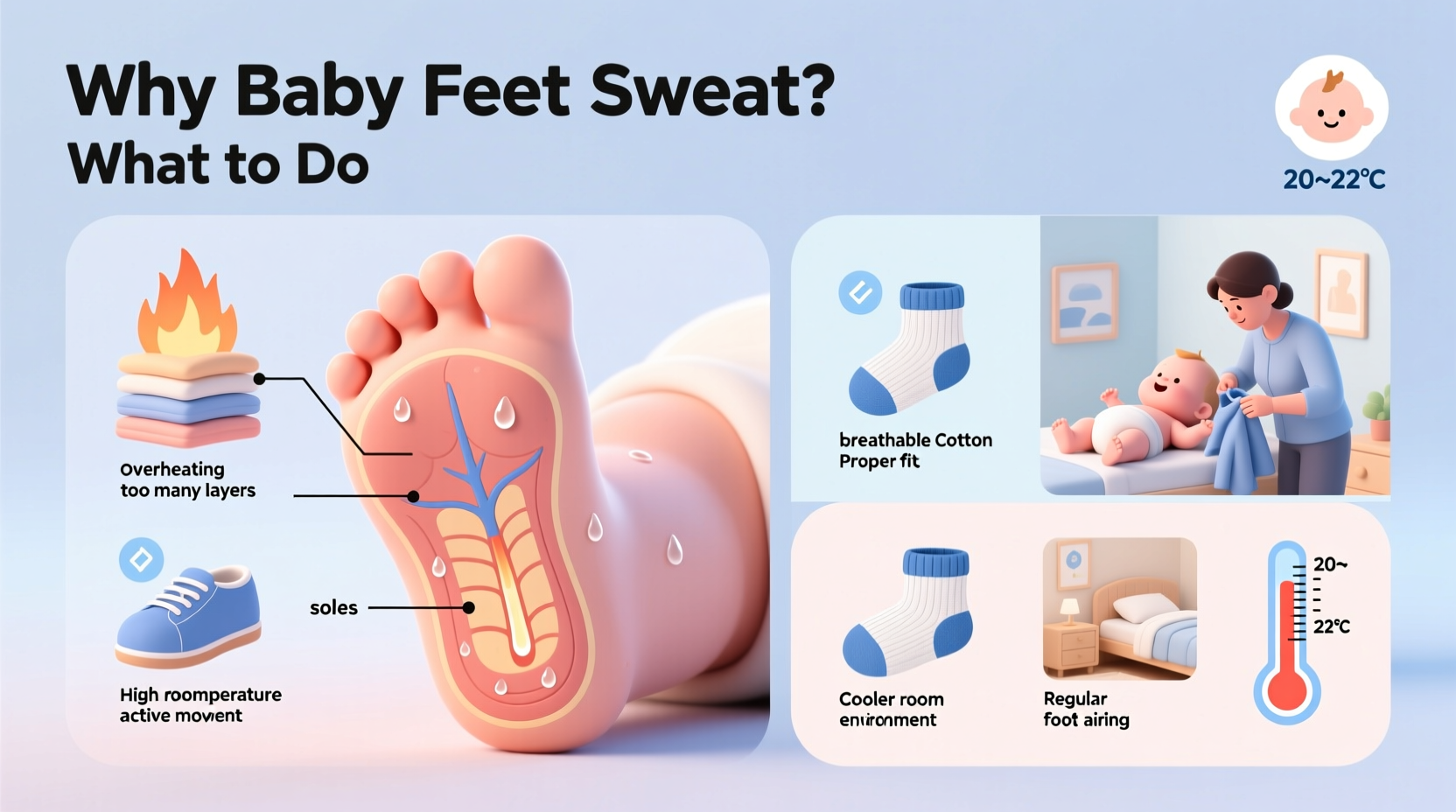
Infants begin sweating shortly after birth, but their sweat glands are still maturing. Unlike adults, who sweat primarily through eccrine glands distributed across the body, babies tend to sweat more on the head, neck, hands, and feet. These areas have a higher concentration of active sweat glands early in life.
The autonomic nervous system, which controls involuntary functions like sweating, is not fully developed in newborns. As a result, babies may sweat more than expected—even when not overheated. This phenomenon is especially noticeable during sleep, feeding, or periods of excitement.
“Babies sweat as part of normal thermoregulation, but parents should monitor for patterns such as nighttime drenching or cold, clammy feet.” — Dr. Lena Patel, Pediatrician at Children’s Wellness Center
It’s important to distinguish between benign sweating and symptoms that could signal health issues. Most cases are harmless, but consistent wetness, odor, or associated discomfort warrant closer attention.
Common Causes of Sweaty Baby Feet
Sweaty feet in infants are typically caused by environmental factors, clothing choices, or natural developmental processes. Here are the most frequent contributors:
- Overbundling: Parents often dress babies warmly, especially in colder months. Excess layers trap heat and trigger sweating—even on the feet.
- Synthetic Socks or Footwear: Non-breathable materials prevent moisture evaporation, leading to dampness inside shoes or socks.
- Active Sleep Cycles: Babies spend more time in REM sleep, during which metabolic activity increases, potentially raising body temperature and inducing sweat.
- Teething: Though not directly linked, teething can cause mild fever and increased salivation, sometimes accompanied by generalized sweating.
- Startle Reflex (Moro Reflex):strong> Sudden movements during sleep can stimulate the nervous system and lead to brief episodes of sweating.
When Sweating Might Signal a Health Concern
While occasional sweaty feet are normal, certain red flags suggest further evaluation by a pediatrician:
- Frequent night sweats that soak pajamas or bedding
- Cold, clammy feet despite a warm room
- Persistent foot odor or skin irritation
- Lethargy, poor feeding, or difficulty gaining weight
- Difficulty breathing or rapid heartbeat
In rare cases, excessive sweating can be linked to medical conditions such as:
- Hyperhidrosis: A condition causing abnormally high sweat production, even without triggers.
- Cardiac issues: Congenital heart defects may present with sweating during feeding or exertion.
- Infections: Low-grade fevers from viral illnesses can increase perspiration.
- Metabolic disorders: Rare genetic conditions affecting energy regulation may include sweating as a symptom.
If your baby sweats excessively during feeding—especially while struggling to breathe or appearing fatigued—consult your doctor promptly. This could indicate a cardiovascular strain.
Practical Steps to Reduce Sweaty Baby Feet
You don’t need to eliminate sweating entirely—just manage it effectively. Follow these evidence-based strategies to minimize discomfort and maintain foot hygiene.
- Dress Appropriately: Use lightweight, breathable fabrics like cotton. Avoid overdressing; a good rule is to dress your baby in one extra layer than you’re wearing.
- Choose Natural Fiber Socks: Opt for 100% cotton or bamboo socks that wick moisture and allow airflow.
- Avoid Plastic-Lined Booties: Waterproof outer layers may look cute but trap sweat. Reserve them for wet weather only.
- Let Feet Breathe: Allow barefoot time daily, especially indoors, to air out the feet and prevent bacterial buildup.
- Check Room Temperature: Maintain nursery temperatures between 68°F and 72°F (20–22°C) for optimal comfort.
- Use Breathable Sleepwear: Swaddles and sleep sacks made from organic cotton help regulate temperature without overheating.
| Do’s | Don’ts |
|---|---|
| Use moisture-wicking socks | Use wool or synthetic blends next to skin |
| Wash baby socks in fragrance-free detergent | Apply lotions or powders unless advised by a doctor |
| Inspect feet daily for rash or chafing | Ignore persistent dampness or odor |
| Trim toenails regularly to prevent irritation | Put babies in tight-fitting shoes before 9–12 months |
Real-Life Example: Managing Nighttime Sweating
Sarah, a first-time mother from Portland, noticed her 4-month-old son often woke up with soaked socks and damp sheets around his feet. Initially worried, she consulted her pediatrician, who asked about sleep environment and clothing.
After reviewing her routine, Sarah realized she was dressing her baby in fleece pajamas and thick socks—even in a 75°F room. She switched to a cotton sleep sack, removed the socks at night, and lowered the thermostat to 70°F. Within two nights, the sweating decreased significantly, and her baby slept more soundly.
This case highlights how small environmental adjustments can make a big difference—without medical intervention.
Step-by-Step Guide to Assessing and Addressing Sweaty Feet
Follow this timeline to identify and resolve the issue systematically:
- Day 1: Observe when and where sweating occurs (during sleep, feeding, play).
- Day 2: Evaluate clothing, room temperature, and sock material. Remove unnecessary layers.
- Day 3: Introduce breathable cotton socks and monitor changes.
- Day 5: Perform a foot check: look for redness, peeling, or odor indicating fungal growth.
- Day 7: If no improvement, consult your pediatrician to rule out medical causes.
Frequently Asked Questions
Is it normal for babies to have sweaty feet?
Yes, it’s common for babies to sweat on their feet due to active sweat glands and developing temperature control. As long as the sweating isn’t excessive or accompanied by other symptoms, it’s typically nothing to worry about.
Can sweaty feet cause diaper rash or infections?
Not directly, but prolonged moisture can contribute to fungal growth (like athlete’s foot) if feet remain damp. Always dry feet thoroughly after baths and change sweaty socks promptly.
Should I use baby powder on sweaty feet?
No. Pediatricians advise against talcum powder due to inhalation risks. Instead, focus on moisture-wicking socks and proper ventilation. If needed, use cornstarch-based alternatives sparingly and avoid the diaper area.
Conclusion: Keep Calm and Monitor Closely
Sweaty baby feet are usually a sign of a functioning thermoregulatory system—not a problem to fix. By adjusting clothing, improving airflow, and observing patterns, most parents can manage this naturally. Remember that some sweating, especially during sleep or feeding, is perfectly normal.
However, trust your instincts. If something feels off—if your baby seems uncomfortable, overheated, or unwell—don’t hesitate to seek professional advice. Early awareness leads to better outcomes.
💬 Have experience with sweaty baby feet? Share your tips or questions in the comments to help other parents navigate this common concern.








