
In recent years, a growing number of physicians have chosen to leave Kaiser Permanente, one of the nation’s largest integrated health care providers. Once seen as a gold standard for preventive medicine and coordinated care, the organization now faces increasing scrutiny over internal pressures affecting physician satisfaction and patient outcomes. While some departures are routine, the volume and consistency of exits suggest deeper systemic issues. This article explores the primary reasons behind this trend, drawing on physician testimonials, industry reports, and expert analysis.
Workload and Burnout: The Hidden Crisis
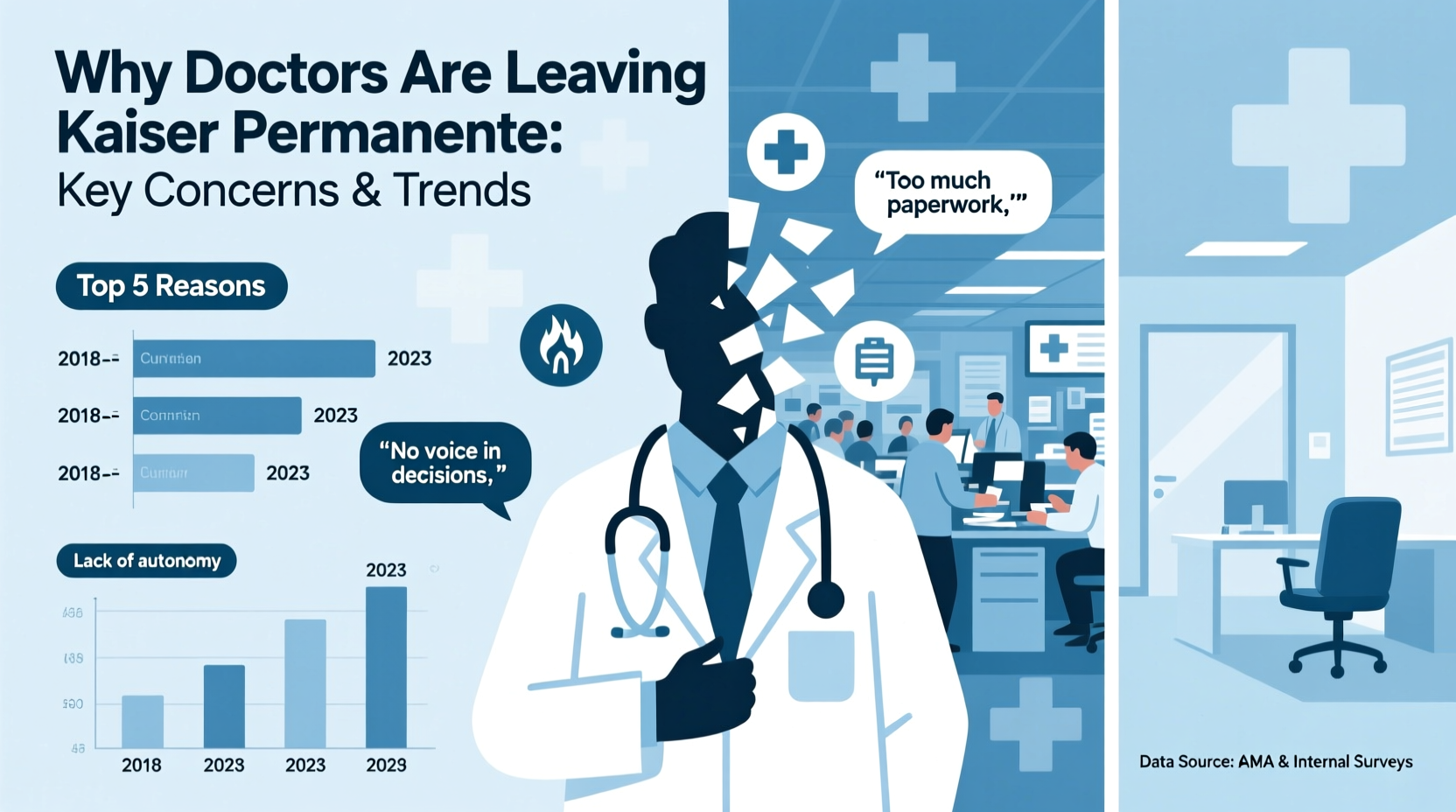
One of the most frequently cited reasons physicians cite for leaving Kaiser Permanente is unsustainable workload. Despite its reputation for efficiency, many doctors report being expected to see an excessive number of patients per day, often with little flexibility in scheduling. In outpatient settings, primary care physicians may be required to conduct 20–30 patient visits in an eight-hour shift—a pace that leaves minimal time for thorough evaluations or meaningful patient interaction.
This pressure contributes significantly to burnout, a condition increasingly recognized as a public health issue among medical professionals. A 2023 survey by the American Medical Association found that nearly 60% of physicians at large HMOs like Kaiser reported symptoms of emotional exhaustion, with administrative demands and productivity targets named as top stressors.
Tip: Physicians experiencing burnout should track their daily patient load and workflow interruptions to identify patterns and advocate for structural changes.Administrative Constraints and Clinical Autonomy
Another major concern is the perceived erosion of clinical autonomy. At Kaiser Permanente, treatment decisions are often guided by centralized protocols and utilization review processes designed to control costs and ensure consistency. While these measures can improve population health outcomes, they sometimes conflict with individualized patient care.
Doctors report frustration when prior authorizations delay necessary treatments or when formulary restrictions limit medication options—even when clinically justified. One internist from the Southern California region shared that she spent nearly two hours daily navigating insurance-like approvals within the system, despite Kaiser being both insurer and provider.
“Medicine is becoming more about compliance than care. We’re trained to think critically, but too often we’re told to follow algorithms instead.” — Dr. Alan Reyes, former Kaiser physician, Internal Medicine
Compensation and Contractual Tensions
Although Kaiser has historically offered competitive salaries and strong benefits, compensation structures have become a point of contention. Many physicians are employed through affiliated medical groups (such as Permanente Medical Groups) rather than directly by Kaiser Foundation Health Plan, leading to variability in pay scales and contract terms across regions.
In Northern California, where the Permanente Federation operates semi-autonomously, doctors enjoy higher compensation and greater input into governance. However, in other regions—particularly Georgia, Virginia, and parts of the Southwest—physicians report stagnant wages, limited bonuses, and fewer opportunities for leadership roles.
Union negotiations in 2023 highlighted these disparities, with thousands of physicians demanding equitable pay increases and improved working conditions. The eventual agreement included modest raises but left many feeling that long-term structural inequities remained unaddressed.
Patient Care Quality vs. System Efficiency
The core mission of Kaiser Permanente has always been high-value, preventive care. Yet, some departing physicians argue that the pursuit of operational efficiency has begun to compromise care quality.
Common complaints include:
- Short appointment windows that prevent comprehensive discussions
- Limited access to specialty referrals due to gatekeeping policies
- Overreliance on telehealth without adequate infrastructure support
- Electronic health record (EHR) systems that prioritize billing compliance over usability
A pediatrician from Atlanta described how her ability to manage complex ADHD cases was hampered by a cap on visit duration and restricted access to child psychologists. “We’re diagnosing and prescribing under pressure,” she said. “It doesn’t feel sustainable for patients—or for us.”
Regional Disparities in Physician Experience
Kaiser Permanente operates across eight states and Washington, D.C., but the physician experience varies dramatically by region. This inconsistency plays a significant role in retention challenges.
| Region | Autonomy Level | Compensation | Burnout Rate (Est.) | Notable Issues |
|---|---|---|---|---|
| Northern California | High (self-governed) | Top-tier | ~45% | Fewer complaints; strong union representation |
| Southern California | Moderate | Average | ~58% | High patient volume; mid-level admin burden |
| Georgia | Low | Below average | ~65% | High turnover; limited specialist support |
| Virginia/Maryland | Low-Moderate | Average | ~60% | EHR inefficiencies; referral delays |
This table illustrates why geographic location significantly influences job satisfaction. Regions with less physician self-governance tend to report higher burnout and turnover, suggesting that empowerment and local decision-making are critical to retention.
Mini Case Study: Dr. Lena Torres, Family Medicine (Portland, OR)
Dr. Lena Torres joined Kaiser Permanente in Oregon in 2018, drawn by its integrated model and emphasis on preventive care. Over three years, however, her enthusiasm waned. She was routinely scheduled for 24 patient visits per day, with only 15 minutes per appointment. EHR documentation took an additional two hours nightly. When she requested a reduced panel size due to rising patient complexity, her request was denied.
In 2022, after treating a diabetic patient who missed insulin adjustments due to delayed endocrinology referrals, Dr. Torres submitted her resignation. She now works at a federally qualified health center with a smaller patient panel and team-based support. “I still believe in coordinated care,” she said, “but not at the cost of cutting corners on human attention.”
Actionable Checklist for Physicians Considering a Move
If you're a physician evaluating your position within Kaiser or another large system, consider the following steps:
- Assess your workload: Track average daily patient visits and after-hours charting time for two weeks.
- Evaluate autonomy: Note how often clinical decisions are overridden by protocol or administrative review.
- Review compensation trends: Compare your salary and bonus structure with regional benchmarks.
- Engage with peers: Discuss experiences with colleagues in similar roles across regions.
- Explore alternatives: Research opportunities in academic medicine, direct primary care, or smaller group practices.
- Consult a career advisor: Seek guidance from a healthcare career coach familiar with transition planning.
FAQ
Is Kaiser Permanente still a good place to work for doctors?
It depends on the region and specialty. In areas like Northern California, many physicians remain satisfied due to higher autonomy and better compensation. Elsewhere, systemic pressures around workload and bureaucracy reduce job satisfaction. Prospective hires should research specific medical groups and speak with current staff before accepting offers.
Are patient outcomes declining due to physician turnover?
There is no definitive national data linking Kaiser’s physician turnover directly to worsening outcomes. However, high turnover disrupts continuity of care, particularly in chronic disease management. Some studies suggest that clinics with stable provider teams achieve better adherence and patient satisfaction scores.
What is Kaiser doing to address the exodus?
Kaiser has launched initiatives to improve EHR usability, expand mental health support for staff, and increase hiring of support personnel. In 2024, they announced a $100 million investment in clinician well-being programs. However, many physicians say cultural and structural reforms are needed beyond wellness perks.
Conclusion: A System at a Crossroads
The departure of doctors from Kaiser Permanente is not a sudden crisis but a gradual erosion of trust and sustainability. While the organization continues to innovate in digital health and preventive care, it must also confront internal challenges related to workload, autonomy, and equity. For physicians, the decision to stay or leave increasingly hinges on whether they feel empowered to practice medicine with integrity.
For healthcare leaders, the message is clear: long-term success depends not just on efficiency metrics, but on preserving the human element of care—for both patients and providers.
💬 Are you a healthcare professional with experience at Kaiser Permanente? Share your story in the comments to help others understand the realities behind the system’s strengths and shortcomings.








