Waking up multiple times at night to use the bathroom or feeling the urgent need to urinate every few minutes during the day can be more than just inconvenient—it can disrupt sleep, affect concentration, and impact emotional well-being. While occasional frequent urination may be normal, consistently needing to go every five minutes is a sign that something in your body needs attention. This article explores the underlying causes, from lifestyle factors to medical conditions, and provides actionable, science-backed solutions to help you regain control over your bladder function.
Common Causes of Frequent Urination
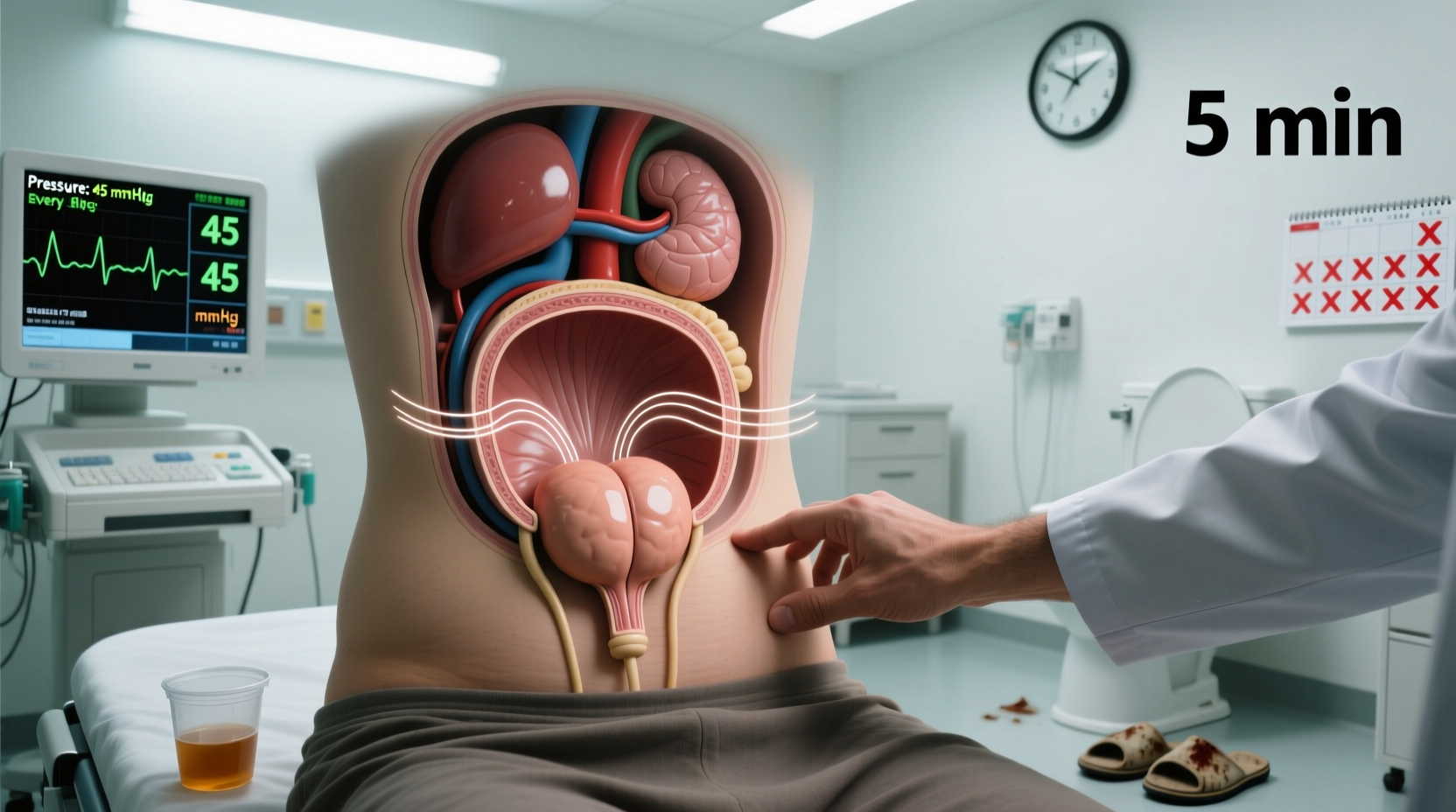
Frequent urination—defined as needing to urinate more than eight times in 24 hours or waking up more than once at night—is not a diagnosis but a symptom. The root cause can vary significantly between individuals. Below are some of the most prevalent reasons why someone might feel the urge to urinate every few minutes.
- Excessive fluid intake: Drinking large volumes of water, tea, coffee, or alcohol increases urine production.
- Bladder irritation: Certain foods (like spicy dishes, citrus, or artificial sweeteners) can irritate the bladder lining.
- Urinary tract infections (UTIs): Bacteria in the urinary tract cause inflammation, leading to urgency and frequency.
- Overactive bladder (OAB): A condition where the bladder muscles contract involuntarily, creating sudden urges.
- Diabetes (Type 1 or Type 2): High blood sugar levels force kidneys to work harder, producing more urine.
- Pregnancy: The growing uterus puts pressure on the bladder, reducing its capacity.
- Prostate issues (in men): Enlarged prostate or prostatitis can obstruct urine flow and increase frequency.
- Medications: Diuretics, certain antidepressants, and antipsychotics can increase urination.
Medical Conditions Linked to Urgent Urination
While lifestyle habits contribute, persistent urination every five minutes often points to an underlying medical issue. Identifying these early can prevent complications.
Urinary Tract Infections (UTIs)
UTIs are among the most common causes of sudden, frequent urination. Accompanying symptoms include burning during urination, cloudy or strong-smelling urine, and pelvic discomfort. Women are more prone due to shorter urethras.
Diabetes Mellitus
When blood glucose levels remain high, the kidneys filter excess sugar into urine, pulling water with it. This leads to polyuria (excessive urine) and polydipsia (excessive thirst). If frequent urination is paired with fatigue, blurred vision, or unexplained weight loss, diabetes should be ruled out.
Overactive Bladder Syndrome
OAB affects over 33 million Americans. It’s characterized by urgency, frequency, and sometimes incontinence, without infection or other clear pathology. Neurological signals misfire, causing the bladder to contract prematurely.
Interstitial Cystitis (Painful Bladder Syndrome)
A chronic condition causing bladder pressure, pain, and persistent urge to urinate. Unlike UTIs, no infection is present, making diagnosis challenging.
“Patients often dismiss frequent urination as normal aging, but it’s never too early—or too late—to investigate the cause.” — Dr. Lena Patel, Urologist, Cleveland Clinic
Do’s and Don’ts: Managing Bladder Health
| Do’s | Don’ts |
|---|---|
| Drink water steadily throughout the day | Chug large amounts of fluid at once |
| Limited caffeine and alcohol intake | Consume bladder-irritating beverages like soda or energy drinks |
| Practice timed voiding (e.g., every 2–3 hours) | Hold urine for long periods or go “just in case” |
| Perform daily pelvic floor exercises (Kegels) | Ignore pain or burning during urination |
| Empty bladder fully when urinating | Rush through urination or strain excessively |
Step-by-Step Guide to Reducing Urination Frequency
If you're experiencing excessive urination, follow this structured approach to identify triggers and implement effective changes.
- Keep a bladder diary: Record fluid intake, time of urination, volume (if possible), and any urgency or leakage. Do this for at least three days.
- Adjust fluid intake: Reduce consumption of caffeine, alcohol, and acidic drinks. Aim for 6–8 glasses of water daily, spaced evenly.
- Practice double voiding: After urinating, wait a moment, then try again to ensure complete bladder emptying.
- Strengthen pelvic floor muscles: Perform Kegel exercises: tighten the muscles you’d use to stop urine flow, hold for 5 seconds, relax, and repeat 10–15 times, 3 times daily.
- Schedule bathroom visits: Gradually extend the time between trips (e.g., start with 30-minute intervals, then increase).
- Consult a healthcare provider: If symptoms persist beyond a few days, especially with pain, fever, or blood in urine, seek evaluation.
Real-Life Example: Sarah’s Journey with OAB
Sarah, a 42-year-old teacher, began noticing she was using the restroom every 20–30 minutes during school hours. At first, she blamed her morning coffee. But even after cutting back, the urgency remained—sometimes leading to minor leaks. Embarrassed, she avoided social events and limited travel. After keeping a bladder diary and visiting a urologist, she was diagnosed with overactive bladder. With a combination of timed voiding, pelvic floor therapy, and a low-dose medication, Sarah reduced her bathroom visits to a manageable 5–6 times per day within two months. Her confidence returned, and she resumed weekend outings with her family.
When to See a Doctor
While temporary frequency can result from diet or stress, certain red flags require prompt medical attention:
- Pain or burning during urination
- Blood in the urine
- Fever or chills accompanying frequent urination
- Inability to control urine (incontinence)
- Nighttime urination disrupting sleep more than twice nightly
- Symptoms worsening despite lifestyle changes
Your doctor may order a urinalysis, blood sugar test, ultrasound, or urodynamic studies to pinpoint the cause.
FAQ
Can anxiety cause frequent urination?
Yes. Anxiety activates the sympathetic nervous system, which can stimulate the bladder and increase urinary frequency. Stress management techniques like deep breathing, meditation, or cognitive behavioral therapy (CBT) may help reduce symptoms.
Is it normal to pee every hour?
No. While individual variation exists, urinating every hour—especially without high fluid intake—is not typical. Most adults urinate 6–8 times in 24 hours. Consistent hourly urination warrants investigation.
Can dehydration cause frequent urination?
Not directly. Dehydration usually reduces urine output. However, severe dehydration can impair kidney function and lead to concentrated urine, which may irritate the bladder and create a false sense of urgency.
Conclusion and Call to Action
Frequent urination every five minutes is not something you should simply endure. Whether driven by lifestyle habits, an infection, or a chronic condition, effective solutions exist. From adjusting your diet and strengthening pelvic muscles to seeking medical evaluation, taking proactive steps can dramatically improve your quality of life. Don’t let embarrassment or assumptions about \"normal aging\" delay care. Start tracking your symptoms today, make targeted changes, and consult a healthcare professional if needed. Your bladder—and your peace of mind—are worth it.
🚀 Ready to take control of your bladder health? Download a free bladder diary template, share your experience in the comments, or schedule a check-up with your doctor this week.








