Waking up to or suddenly experiencing green vomit can be alarming. While vomiting itself is a common bodily response to illness or irritation, the color adds an extra layer of concern. Green vomit isn’t always a sign of something life-threatening, but it does signal that something specific is happening inside your digestive system. Understanding why bile appears in vomit, what conditions may cause it, and when to take action can help you respond appropriately instead of panicking.
Green vomit typically indicates the presence of bile — a digestive fluid produced by the liver and stored in the gallbladder. Bile helps break down fats during digestion and normally flows into the small intestine. When it shows up in vomit, it often means stomach contents have been fully expelled, and the body is now bringing up intestinal fluids. But while bile is the most common reason, other factors like diet, infection, or blockages can also contribute.
What Causes Green Vomit?
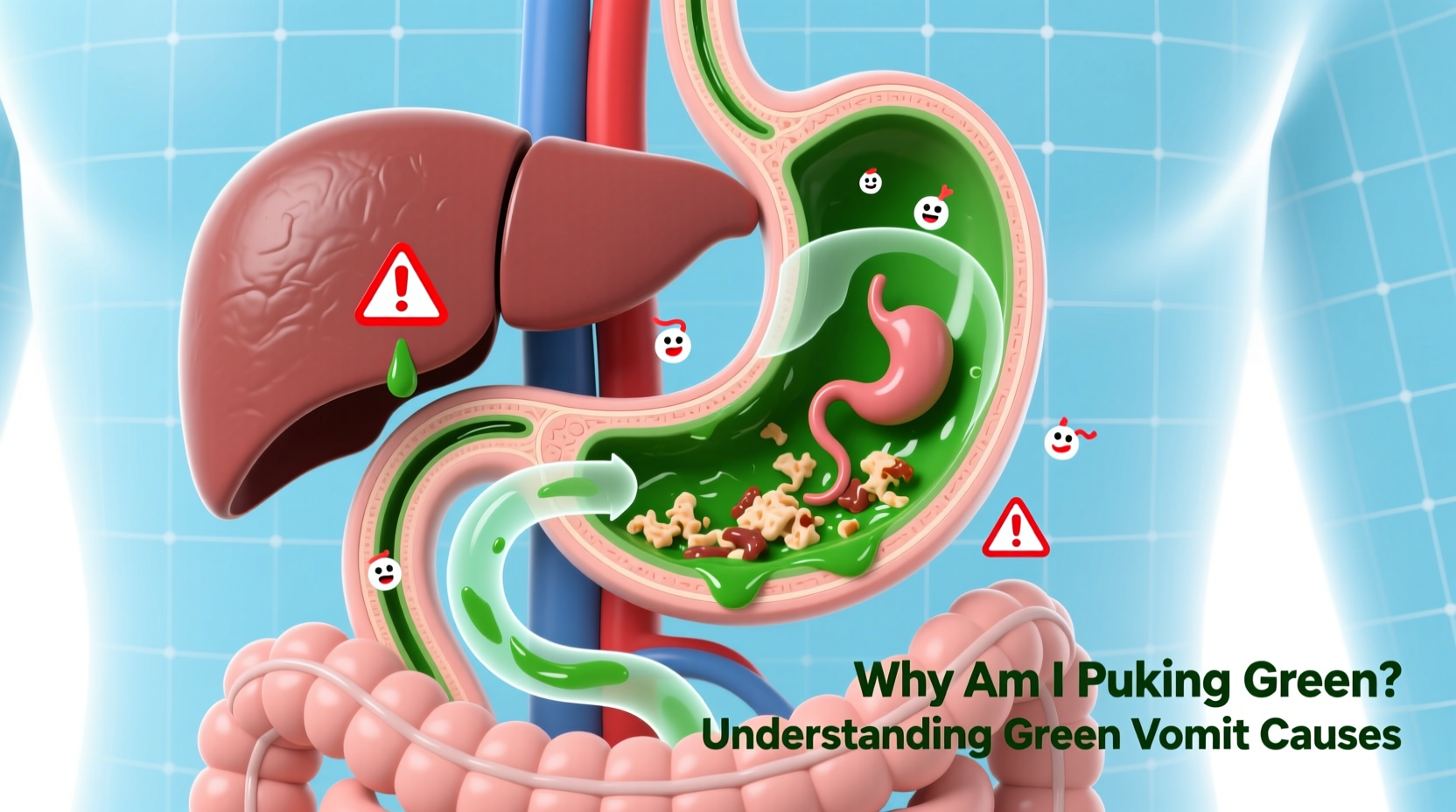
The appearance of green or yellow-green vomit usually points to bile reflux into the stomach and then upward into the esophagus. Here are the primary causes:
- Bile reflux: After emptying its contents, the stomach may continue contracting, pulling bile from the small intestine back up through the pyloric valve.
- Fasting or prolonged vomiting: If you haven’t eaten for several hours, your stomach is empty. Vomiting under these conditions often brings up bile.
- Gastroenteritis (stomach flu): Viral or bacterial infections can irritate the gastrointestinal tract, leading to nausea, vomiting, and eventual expulsion of bile.
- Intestinal obstruction: A blockage in the small intestine can prevent normal flow of digested material, causing bile to accumulate and be regurgitated.
- Food coloring and dyes: Bright green foods, drinks, or supplements (like matcha, Gatorade, or certain medications) can temporarily tint vomit green.
- Gallbladder issues: Conditions such as gallstones or post-cholecystectomy syndrome (after gallbladder removal) can alter bile flow.
When Bile Is Not the Culprit: Other Factors Behind Green Vomit
While bile is the most medically significant explanation, don't overlook dietary influences. Consuming large amounts of green-colored food or drink shortly before vomiting can result in green-tinted emesis without any underlying pathology. This is especially common in children who consume sugary green candies, sports drinks, or brightly colored desserts.
In some cases, ingesting certain medications or herbal supplements — particularly those containing chlorophyll — may also affect vomit color. However, if the green hue persists across multiple episodes and isn’t linked to recent consumption of green substances, bile remains the likely source.
“Persistent green vomiting, especially when accompanied by abdominal pain or inability to keep liquids down, should prompt immediate evaluation.” — Dr. Lena Torres, Gastroenterologist
Distinguishing Serious from Benign Causes
Not all instances of green vomit require emergency care. The key lies in context: frequency, accompanying symptoms, duration, and personal health history. Below is a comparison table to help differentiate between less concerning and potentially dangerous scenarios.
| Factor | Likely Benign | Potentially Serious |
|---|---|---|
| Duration | One-time event after fasting | Persistent over 24+ hours |
| Associated Symptoms | Mild nausea, no fever | Severe abdominal pain, fever, dehydration |
| Recent Diet | Consumed green food/drink | No green intake; possible food poisoning |
| Ability to Hydrate | Can sip water without vomiting | Unable to retain any fluids |
| Medical History | Healthy individual | History of GI surgery, ulcers, or bowel issues |
Mini Case Study: Post-Surgery Complication
Sarah, a 45-year-old woman, underwent laparoscopic cholecystectomy (gallbladder removal) six months prior. She began experiencing recurrent episodes of green vomiting every few weeks, primarily in the mornings. Initially dismissing it as indigestion, she eventually sought medical advice when the episodes increased in frequency. Tests revealed bile reflux gastritis — a known complication after gallbladder removal where bile flows unchecked into the stomach. With medication adjustments and dietary changes, her symptoms improved significantly within two months.
This case illustrates how structural changes in the digestive system can lead to chronic bile-related vomiting, even long after surgery.
Step-by-Step: What to Do If You’re Vomiting Green
If you find yourself dealing with green vomit, follow this practical timeline to assess and manage the situation safely:
- Pause and observe: Note the timing, volume, color intensity, and whether you've eaten recently or consumed anything green.
- Stop eating temporarily: Give your stomach a rest for 1–2 hours. Avoid solid foods until nausea subsides.
- Rehydrate gradually: Sip small amounts of water, oral rehydration solution, or clear broth every 10–15 minutes.
- Monitor symptoms: Watch for red flags like high fever, severe pain, distended abdomen, or inability to pass gas.
- Seek medical attention if: Vomiting continues beyond 24 hours, you show signs of dehydration (dry mouth, dizziness, reduced urination), or experience sharp abdominal pain.
Common Misconceptions About Green Vomit
Many people assume green vomit automatically means a serious infection or poisoning. That’s not necessarily true. Here are some myths clarified:
- Myth: Green vomit always means you have a stomach bug.
Reality: It can occur due to non-infectious reasons like bile reflux or fasting. - Myth: Only children get green vomit from candy.
Reality: Adults consuming energy drinks or green smoothies can experience the same effect. - Myth: Surgery is needed whenever bile appears in vomit.
Reality: Most cases resolve with hydration and time unless there's an obstruction.
FAQ
Is green vomit dangerous?
Occasional green vomit, especially after an empty stomach or consuming green-colored items, is usually not dangerous. However, persistent green vomiting, particularly with pain or dehydration, warrants medical evaluation.
Can gallbladder problems cause green vomit?
Yes. Individuals without a gallbladder or those suffering from gallstones may experience altered bile flow, increasing the likelihood of bile appearing in vomit.
Should I go to the ER for green vomit?
Seek emergency care if green vomiting is continuous, associated with severe abdominal swelling, chest pain, or inability to drink fluids. These could indicate intestinal blockage or another urgent condition.
Prevention and Management Checklist
To reduce the risk of recurring green vomit, especially when linked to bile or digestive issues, follow this actionable checklist:
- ✅ Eat smaller, more frequent meals to prevent excessive bile buildup
- ✅ Avoid lying flat immediately after eating — wait at least 2–3 hours
- ✅ Limit fatty, greasy foods that stimulate bile release
- ✅ Stay hydrated throughout the day, especially during illness
- ✅ Monitor food coloring intake, particularly in children
- ✅ Follow up with a doctor if you’ve had GI surgery and develop new vomiting patterns
Conclusion
Seeing green vomit can be unsettling, but in many cases, it's a temporary response to fasting, diet, or mild illness. Recognizing when it's part of a natural digestive process versus a symptom of something more serious empowers you to make informed decisions about care. Most episodes resolve with rest and hydration, but persistent or painful vomiting needs professional assessment. Don’t ignore your body’s signals — timely action can prevent complications and support faster recovery.
💬 Have you experienced green vomit? Share your story or questions in the comments below — your experience might help someone else understand what’s happening.








