
Fidgeting—tapping your foot, drumming fingers, bouncing your leg, or adjusting your posture repeatedly—is something nearly everyone does from time to time. But when it becomes constant, intrusive, or interferes with daily life, it’s worth asking: Why am I always fidgety? While occasional restlessness is normal, persistent fidgeting may point to underlying physiological, psychological, or environmental factors. Understanding the root causes, recognizing associated symptoms, and applying targeted strategies can help you regain control and calm.
Understanding Fidgeting: More Than Just a Habit
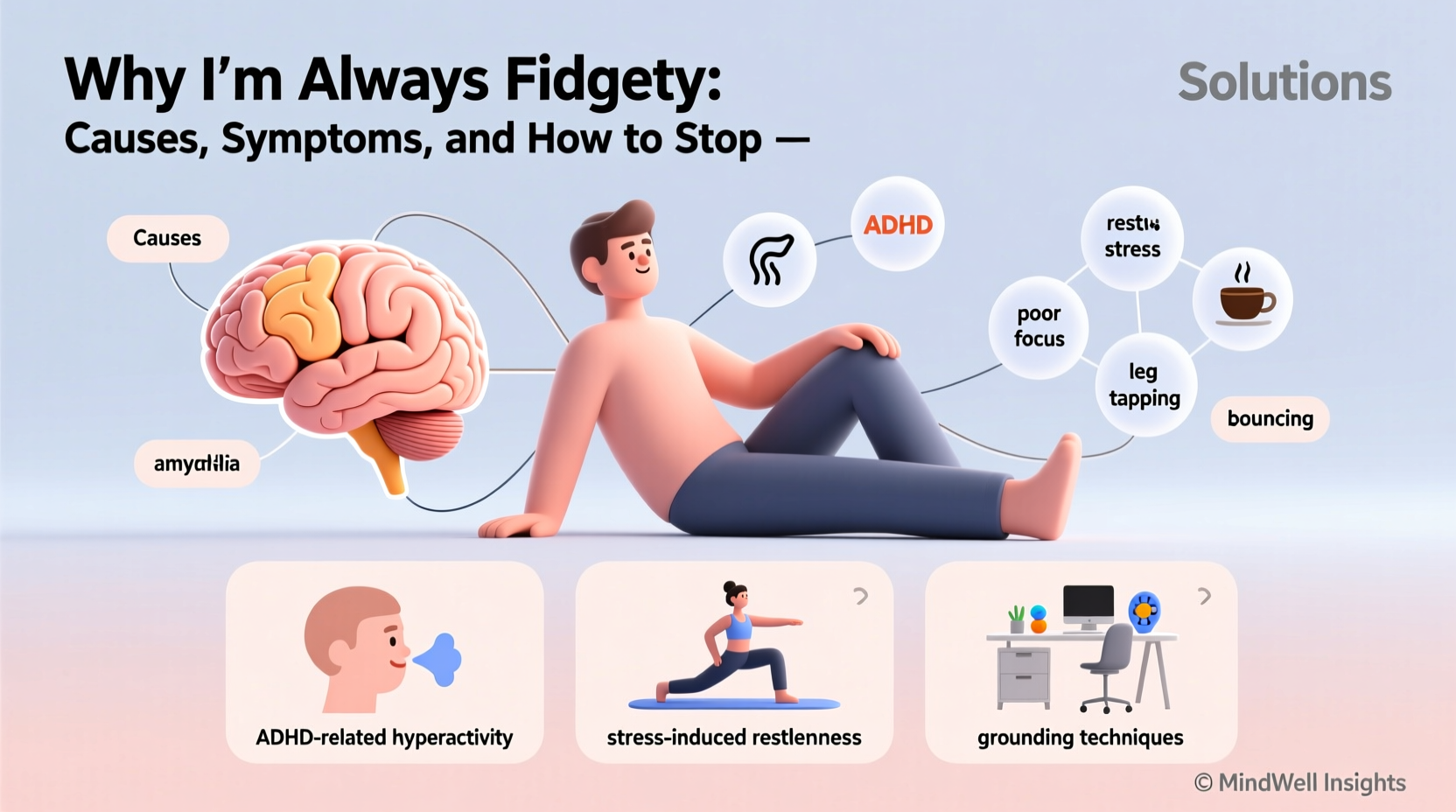
Fidgeting is an unconscious physical movement that often serves as a self-regulation mechanism. The body uses these small motions to manage excess energy, relieve stress, or maintain alertness. For some, fidgeting helps concentrate during mentally demanding tasks. However, chronic fidgeting—especially when accompanied by feelings of inner tension or inability to sit still—can signal deeper issues such as anxiety, ADHD, or sleep deprivation.
Neurologically, fidgeting is linked to dopamine regulation and arousal levels in the brain. When stimulation is low or stress is high, the brain may prompt subtle movements to recalibrate focus or emotional state. Recognizing this connection is the first step toward meaningful change.
Tip: Track your fidgeting patterns for three days—note when, where, and how intensely you move. This log can reveal triggers like stress, boredom, or caffeine intake.Common Causes of Chronic Fidgeting
Persistent fidgeting rarely stems from a single source. It’s typically the result of overlapping influences. Below are the most prevalent causes supported by clinical research and behavioral studies.
- Anxiety Disorders: Generalized anxiety, social anxiety, or panic disorder often manifest through physical restlessness. The body stays in a heightened state of alert, leading to nervous habits.
- Attention-Deficit/Hyperactivity Disorder (ADHD): Hyperactivity and impulsivity are core traits of ADHD. Fidgeting helps individuals with ADHD process information and stay engaged.
- Caffeine and Stimulants: Excessive coffee, energy drinks, or certain medications can overstimulate the central nervous system, increasing motor activity.
- Sleep Deprivation: Poor sleep disrupts neurotransmitter balance, lowering impulse control and increasing jitteriness.
- Sensory Processing Sensitivity: Some people are neurologically wired to respond more intensely to sensory input, making them prone to movement as a coping strategy.
- Boredom or Understimulation: Repetitive environments or monotonous tasks may trigger fidgeting as the brain seeks stimulation.
“Fidgeting isn’t just a distraction—it’s often the body’s attempt to regulate attention and emotion.” — Dr. Lena Torres, Clinical Psychologist and Neurobehavioral Specialist
Symptoms Associated with Constant Fidgeting
Fidgeting itself is a symptom, but it often coexists with other signs that suggest an underlying condition. Being aware of these accompanying behaviors can guide appropriate intervention.
| Symptom | Associated Condition | Notes |
|---|---|---|
| Inability to sit still for more than 5–10 minutes | ADHD, Anxiety | Common in work or classroom settings |
| Restless legs, especially at night | Restless Legs Syndrome (RLS), Iron deficiency | May disrupt sleep quality |
| Racing thoughts or excessive worry | Anxiety disorders | Often worsens fidgeting |
| Difficulty focusing despite effort | ADHD, Sleep apnea | Movement may be compensatory |
| Irritability or mood swings | Hormonal imbalance, chronic stress | Can amplify physical restlessness |
How to Stop Fidgeting: A Step-by-Step Guide
Reducing chronic fidgeting requires a multi-pronged approach. Instead of suppressing movement—which can increase internal tension—redirect it constructively and address root causes. Follow this practical timeline over four weeks to build sustainable habits.
- Week 1: Awareness and Tracking
Carry a small notebook or use a notes app. Each time you notice yourself fidgeting, jot down the time, location, activity, and emotional state. Look for patterns by the end of the week. - Week 2: Identify and Reduce Triggers
Based on your log, eliminate or modify key triggers. Examples: switch to decaf after noon, take walking breaks every hour, or practice box breathing before meetings. - Week 3: Introduce Replacement Behaviors
Swap disruptive fidgeting with discreet alternatives: use a fidget ring, squeeze a stress ball, or doodle on paper. These provide sensory feedback without social disruption. - Week 4: Build Long-Term Regulation Skills
Incorporate mindfulness meditation (10 minutes daily), progressive muscle relaxation, or yoga. These train the nervous system to self-soothe without relying on movement.
Checklist: Daily Practices to Reduce Fidgeting
Use this checklist each day to reinforce progress. Consistency is key.
- ✅ Limit caffeine after 2 PM
- ✅ Take a 5-minute movement break every hour
- ✅ Practice mindful breathing for 5–10 minutes
- ✅ Use a tactile tool (e.g., fidget spinner, textured bracelet)
- ✅ Reflect on emotional state before reacting physically
- ✅ Maintain consistent sleep schedule (7–8 hours nightly)
Real Example: From Restless to Regulated
Mark, a 29-year-old software developer, struggled with constant leg bouncing during meetings. His manager mentioned it was distracting, which increased his anxiety. After tracking his habits, Mark realized he fidgeted most after drinking his second espresso and during long Zoom calls with little interaction.
He began replacing coffee with green tea after noon, started using a quiet foot roller under his desk, and practiced grounding techniques before team meetings. Within three weeks, colleagues noticed he seemed calmer, and Mark reported improved concentration and reduced anxiety. His fidgeting didn’t disappear—but it became manageable and less frequent.
Frequently Asked Questions
Is fidgeting a sign of ADHD in adults?
Yes, persistent fidgeting—especially when paired with difficulty focusing, impulsivity, or disorganization—can be a hallmark of adult ADHD. However, it’s not diagnostic on its own. A professional evaluation is necessary for accurate diagnosis.
Can fidgeting be healthy?
Absolutely. Small movements increase blood flow, support alertness, and can even burn extra calories throughout the day. The issue arises when fidgeting becomes compulsive or socially disruptive.
Are there medical treatments for excessive fidgeting?
If fidgeting stems from ADHD or anxiety, medications like stimulants or SSRIs may be prescribed. However, non-pharmacological approaches—such as cognitive behavioral therapy (CBT), occupational therapy, or lifestyle adjustments—are often recommended first.
Final Thoughts: Embrace Movement, Master Regulation
Fidgeting is not inherently bad—it’s a natural response to internal and external stimuli. The goal isn’t elimination, but understanding and management. By identifying your triggers, adopting healthier outlets, and cultivating self-awareness, you can transform restless energy into focused action.
Start small. Choose one strategy from this guide—whether it’s tracking your habits, swapping coffee for herbal tea, or trying a mindfulness exercise—and commit to it for seven days. Notice the shifts in your body and mind. Over time, these changes compound into lasting calm.
💬 What helps you stay grounded when you feel restless? Share your go-to technique in the comments—your insight might help someone find relief.